
For travelers planning a visit to the captivating landscapes of the Southwestern United States, a seemingly small detail often sparks confusion: the state of Arizona does not observe Daylight Saving Time (DST). While much of the nation “springs forward” and “falls back” with the seasons, Arizona steadfastly remains on Mountain Standard Time (MST) year-round. This unique timekeeping choice is more than a historical anomaly; it’s a deeply practical decision rooted in the state’s extreme climate, influencing everything from daily life to tourism schedules and the overall lifestyle of its residents. Understanding this distinction is crucial for seamless travel planning, ensuring visitors can fully immerse themselves in the rich culture, stunning natural beauty, and vibrant activities Arizona has to offer.

From the bustling streets of Phoenix and the artistic allure of Sedona to the awe-inspiring depths of the Grand Canyon, every experience in the Copper State is subtly shaped by this temporal consistency. Whether you’re looking for luxurious resort stays, an adventure in the desert, or exploring ancient Native American heritage sites, knowing the local time implications can significantly enhance your trip. This article delves into the fascinating reasons behind Arizona’s unique temporal path, offering insights for every type of traveler.
A Deep Dive into Arizona’s Unique Timekeeping
The decision for Arizona to opt out of Daylight Saving Time isn’t arbitrary; it’s a direct response to the state’s challenging climate, particularly its intensely hot summers. The standard rationale for DST in other regions is to maximize daylight hours during evenings, conserving energy and allowing for more outdoor activities. However, in Arizona, where summer temperatures can regularly exceed 100°F (38°C), more daylight in the evening is not only undesirable but potentially dangerous.
The state first experimented with DST during World War I and again in World War II, like many other states, as a measure to conserve fuel. However, after the federal Uniform Time Act was passed in 1966, mandating DST nationwide unless a state legislature opted out, Arizona made its definitive choice. After a brief period of observing DST in 1967, the state legislature quickly realized the impracticality and voted to exempt Arizona from DST starting in 1968. This decision has remained in place ever since, making Arizona one of only two states (the other being Hawaii) that do not observe the time change.
The Rationale Behind the Refusal
The core reason for Arizona’s exemption from Daylight Saving Time is unequivocally its scorching summer heat. During the peak summer months, starting the day an hour earlier, as DST would effectively do, means pushing the hottest part of the day further into the evening. Imagine the sun beating down intensely at 8 PM, rather than 7 PM. This would prolong the period of extreme heat, making outdoor activities unbearable and increasing the demand for air conditioning, thus negating any energy-saving benefits and potentially increasing energy consumption.
For residents and visitors alike, the ability to wait for the sun to set and temperatures to drop before venturing out for leisure or daily tasks is paramount. Keeping the clocks consistent year-round means that the hottest part of the day typically occurs in the mid-afternoon, allowing for a gradual cool-down in the early evening. This fosters a more comfortable and energy-efficient lifestyle, aligning with the rhythms of the desert environment rather than fighting against them. The decision reflects a deep understanding of the local climate and a commitment to optimizing daily life for comfort and safety.
The Scorch of Summer: Climate as the Driving Force
The vast, arid landscapes of Arizona are undeniably beautiful, but they come with a significant environmental factor: intense summer heat. This heat is not just uncomfortable; it’s a critical element that shapes everything from urban planning to daily routines. The state’s unwavering adherence to Mountain Standard Time is a testament to the power of climate in dictating lifestyle and policy choices.
When the rest of the country moves their clocks forward, Arizona remains on MST. This means that during the spring, summer, and early autumn, Arizona effectively aligns with Pacific Daylight Time (PDT), sharing the same clock time as California and Nevada. Then, when the rest of the country “falls back,” Arizona reverts to being one hour ahead of Pacific Standard Time (PST) and on the same time as Mountain Standard Time states like Colorado and New Mexico. This consistent timekeeping avoids the disruptive shift that DST would bring to an already challenging summer environment.
Energy Conservation and Lifestyle Adaptations
One of the primary arguments for Daylight Saving Time is energy conservation. However, in Arizona, this logic is inverted. Pushing sunset back by an hour during summer would mean extending the period when temperatures are at their peak. For many hours after noon, the sun relentlessly beats down, making air conditioning a necessity for comfort and safety. If DST were observed, homes and businesses would be running their AC units for an extra hour into the late evening, leading to a significant increase in electricity consumption rather than a decrease.
The year-round MST schedule allows for a more natural adaptation to the desert heat. Daily life in Arizona, particularly in major cities like Phoenix and Tucson, revolves around avoiding the midday sun. Many outdoor activities, from golf rounds at world-class resorts to exploring the vibrant desert trails, begin at sunrise or much later in the evening after dusk. By not adopting DST, [Arizona](https://lifeoutofthebox.com/arizona] ensures that these crucial early morning and late evening hours remain aligned with cooler temperatures, making outdoor pursuits more pleasant and safer. This adaptation extends to everything from construction work schedules to family dinner times, all designed to sidestep the most intense heat.
Impact on Daily Schedules and Outdoor Activities
For visitors, understanding Arizona’s timekeeping is essential for planning daily itineraries, especially when it comes to experiencing the state’s incredible outdoor attractions. Imagine planning a hike in Sedona’s red rock country or a jeep tour near the Grand Canyon. If DST were observed, an evening hike might feel like it’s starting later into the heat of the day, making it less enjoyable. Without DST, the earlier sunset in summer allows the desert to cool down more quickly, making those sunset hikes and stargazing experiences truly magical.
For hotels and resorts, particularly those catering to luxury travel or family trips, maintaining a consistent schedule simplifies operations. Pool hours, spa appointments, dinner reservations, and guided excursions can all be set with a predictable relationship to daylight and temperature throughout the year. This consistency contributes to a smoother experience for guests, eliminating the confusion and disruption that a twice-yearly time change can bring. It also allows local businesses, from restaurants in Scottsdale to outfitters offering adventures on the Colorado River, to maintain stable operating hours, fostering a reliable tourism infrastructure.
Navigating Time Zones: What Travelers Need to Know
For tourists arriving in Arizona, the state’s unique time zone status can initially be a source of confusion. However, with a little preparation, it’s easily navigable and rarely disrupts a well-planned itinerary. The key is to remember that Arizona functions differently from its neighbors for a significant part of the year.
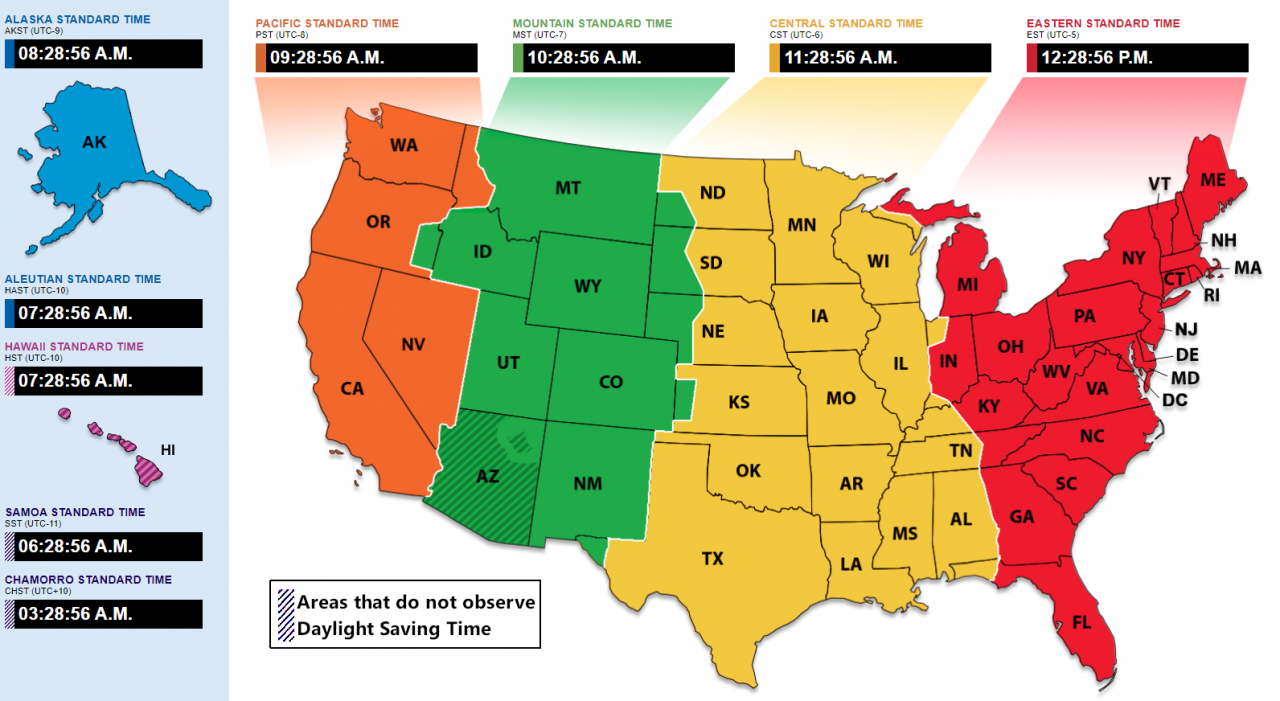
Most travel guides and digital devices will automatically adjust to the local time, but it’s still beneficial to understand the nuances, particularly when crossing state lines or dealing with specific regions within Arizona. When much of the United States is on DST (from March to November), Arizona will be on the same time as California and Nevada (Pacific Daylight Time). However, when DST ends, Arizona reverts to being one hour ahead of California and Nevada (Pacific Standard Time), aligning once again with its Mountain Standard Time neighbors like Utah and Colorado.
Understanding Arizona’s Year-Round Standard Time
The simple rule for Arizona (with one notable exception, discussed below) is that it is always on Mountain Standard Time. This means:
- During DST (Spring to Fall): Arizona time is the same as Pacific Daylight Time (PDT). So, if it’s 3 PM in Los Angeles, it’s also 3 PM in Phoenix. It will be an hour behind Mountain Daylight Time states like Denver.
- During Standard Time (Fall to Spring): Arizona time is one hour ahead of Pacific Standard Time (PST). So, if it’s 3 PM in Los Angeles, it’s 4 PM in Phoenix. It will be the same time as Mountain Standard Time states like Denver.
This consistency simplifies travel within the state and when crossing the border to California or Nevada during summer, as the clock time is the same. However, a trip from Phoenix to Salt Lake City in summer would involve a one-hour time difference despite both being “Mountain” time zones.
The Navajo Nation Exception: A Complex Overlay
Adding a fascinating layer of complexity to Arizona’s timekeeping is the Navajo Nation. This vast sovereign territory, stretching across portions of northeastern Arizona, New Mexico, and Utah, does observe Daylight Saving Time. This means that during DST, the Navajo Nation will be on Mountain Daylight Time while the rest of Arizona is on Mountain Standard Time, creating a one-hour difference.
For instance, if you’re visiting the stunning Antelope Canyon or Monument Valley, both within the Navajo Nation, you’ll need to adjust your clock an hour forward during the DST months if traveling from Flagstaff or Phoenix. This can be particularly confusing because the Hopi Tribe reservation, which is entirely surrounded by the Navajo Nation, does not observe DST. This creates a donut hole of non-DST within a DST zone! While most visitors to the Hopi Tribe lands would be participating in guided tours where time is managed, independent travelers should be keenly aware of these intricate time zone changes, especially for tour departure times or booking accommodations.
Planning Your Visit: From Hotels to Attractions
When planning a trip to Arizona, consider these tips related to timekeeping:
- Confirm all bookings: Always verify tour times, restaurant reservations, and hotel check-in/out times in local Arizona time. Most reputable tourism providers are well aware of the confusion and will clarify.
- Digital devices are your friend: Smartphones and smartwatches typically update automatically. However, when driving through the Navajo Nation, manual verification or checking with locals is always a good idea, as cell service can be spotty.
- Border Considerations: If you’re planning a multi-state road trip that includes Arizona alongside California, Nevada, or Utah, be mindful of the time difference, particularly when making ferry reservations across Lake Mead near the Hoover Dam or planning activities in Las Vegas.
- Optimal Activity Times: Use the consistent time to your advantage. Plan early morning hikes or late afternoon/evening golf rounds during the warmer months. Many attractions, like the Desert Botanical Garden in Phoenix or various art walks in Scottsdale, often adjust their operating hours seasonally to accommodate the weather, rather than changing their clocks.
Beyond the Clock: Economic and Lifestyle Implications
Arizona’s decision to forego Daylight Saving Time is more than just a convenience; it’s a policy choice that profoundly impacts the state’s economy, its tourism industry, and the daily lifestyle of its residents. This consistent approach to time has become an integral part of Arizona’s identity and how it functions as a vibrant destination and a place to live.
From the agricultural fields near Yuma to the bustling tech hubs of Tempe, businesses and daily routines are structured around the unchanging clock. This predictability is a subtle but significant advantage, reducing administrative burdens and minimizing confusion in a world where temporal shifts are commonplace. The state’s unique stance often sparks conversation, serving as an interesting tidbit for visitors and a point of local pride.
Business Operations and Tourism Flow
For Arizona’s robust tourism sector, the absence of Daylight Saving Time contributes to operational stability. Hotels, resorts, tour operators, and restaurants don’t have to adjust their schedules twice a year, simplifying employee shifts, booking systems, and customer communication. This translates to a more streamlined experience for both service providers and visitors. For example, a resort in Scottsdale offering early morning desert hot air balloon rides knows that “6 AM” means the same thing year-round, regardless of when other states are changing their clocks.
Furthermore, the consistency in timekeeping can be a minor draw for businesses considering relocation or for individuals seeking a more predictable work-life balance. While not the primary factor, the avoidance of the “spring forward” disruption, which has been linked to issues like increased heart attacks and workplace accidents in other regions, can be seen as a small boost to productivity and well-being. Arizona’s year-round MST makes business interactions with California and Nevada easier during DST, as they operate on the same clock time, facilitating cross-state commerce and travel, particularly for residents near the border with Mexico.

A Legacy of Independent Time
Arizona’s non-observance of Daylight Saving Time is a testament to its independent spirit and pragmatic approach to governance. While other states continually debate the merits of DST and potential year-round DST, Arizona settled the matter decades ago, prioritizing its unique environmental and lifestyle needs. This decision has been widely accepted by residents, who have adapted their routines to the desert climate, embracing early mornings and late evenings for activities during the hotter months.
For travelers seeking an experience that aligns with the natural rhythms of the land, Arizona’s consistent time offers a subtle yet significant benefit. It simplifies planning, reduces potential confusion, and reflects a state that has thoughtfully carved its own path. So, when you plan your next adventure to explore the majestic Grand Canyon, hike the vibrant trails of Sedona, or enjoy the urban amenities of Phoenix and Tucson, remember that Arizona operates on its own timeless schedule, allowing you to fully embrace the magic of the desert without having to constantly adjust your watch. This commitment to practical living ensures that every moment of your Arizona journey is as comfortable and enjoyable as possible.
LifeOutOfTheBox is a participant in the Amazon Services LLC Associates Program, an affiliate advertising program designed to provide a means for sites to earn advertising fees by advertising and linking to Amazon.com. Amazon, the Amazon logo, AmazonSupply, and the AmazonSupply logo are trademarks of Amazon.com, Inc. or its affiliates. As an Amazon Associate we earn affiliate commissions from qualifying purchases.