
California, often celebrated as the Golden State, conjures images of sun-drenched beaches, towering redwood forests, vibrant cities, and picturesque vineyards. It’s a land of unparalleled natural beauty and cultural richness, drawing millions of visitors each year to explore its diverse landscapes and iconic landmarks. Yet, beneath this idyllic facade lies a persistent and increasingly destructive challenge: the relentless specter of wildfires. Every year, headlines are dominated by reports of sprawling infernos, evacuations, and vast areas turning to ash. This phenomenon is not merely a string of unfortunate accidents; it’s the complex culmination of unique geographical features, a specific climate, centuries of ecological shifts, human expansion, and the undeniable accelerant of global climate change. Understanding why California is so susceptible to these devastating blazes requires a deep dive into its natural vulnerabilities and the intricate ways human actions interact with them. For residents and prospective travelers alike, grasping these underlying causes is crucial for appreciating the state’s resilience and navigating its ever-changing landscape.

A Fiery Landscape: California’s Unique Vulnerabilities
The very elements that make California so attractive – its diverse topography, unique climate, and rich biodiversity – also conspire to create a landscape primed for fire. This delicate balance, once managed by natural processes and indigenous practices, has been significantly disrupted, turning the state into a tinderbox awaiting a spark.
The Mediterranean Climate: A Double-Edged Sword
At the heart of California’s fire problem is its distinctive Mediterranean climate. Characterized by long, hot, and exceedingly dry summers, coupled with mild, wet winters, this climate pattern sets the stage for annual fire seasons. The winter rains foster lush growth, especially in chaparral and grass ecosystems. As summer progresses, the abundant vegetation dries out, transforming into highly combustible fuel. Temperatures consistently soar, humidity plummets, and the landscape desiccates under the relentless sun. Regions like Southern California, famous for its coastal beauty and sprawling urban centers, experience these conditions acutely. This extended period of aridity creates a perfect environment for any ignition to rapidly escalate into a significant blaze, posing a constant threat to communities and natural attractions alike. The cyclical nature of this climate means that dryness is not an anomaly but an expected and integral part of the yearly weather pattern, making fire a natural, albeit increasingly destructive, component of the ecosystem.

Arid Lands and Flammable Flora: Fueling the Flames
California’s natural vegetation is beautifully adapted to its climate, but many of these plant species are also inherently flammable, a characteristic evolved to thrive in fire-prone environments. Chaparral, dense scrubland found predominantly in Southern California, is infamous for its flammability, containing volatile oils that ignite easily and burn intensely. Similarly, the vast forests of the Sierra Nevada mountains, home to majestic pines and firs, accumulate vast amounts of deadwood, fallen branches, and dense undergrowth – all perfect fuel for a wildfire. Even the iconic Giant Sequoias in Sequoia National Park, which historically relied on low-intensity fires for regeneration, are now vulnerable to the unprecedented heat and scale of modern blazes.
Decades of fire suppression, while initially intended to protect lives and property, inadvertently led to an unnatural accumulation of this “fuel load.” When fires do occur in these overgrown areas, they burn hotter, faster, and more destructively than natural fires, overwhelming ecosystems and firefighting efforts. The state’s diverse plant life, from coastal sage scrub to high-altitude conifers, contributes to a patchwork of potential ignition points, each ready to burst into flames under the right conditions. This rich biodiversity, a draw for many nature travelers, becomes a significant vulnerability during the dry season.
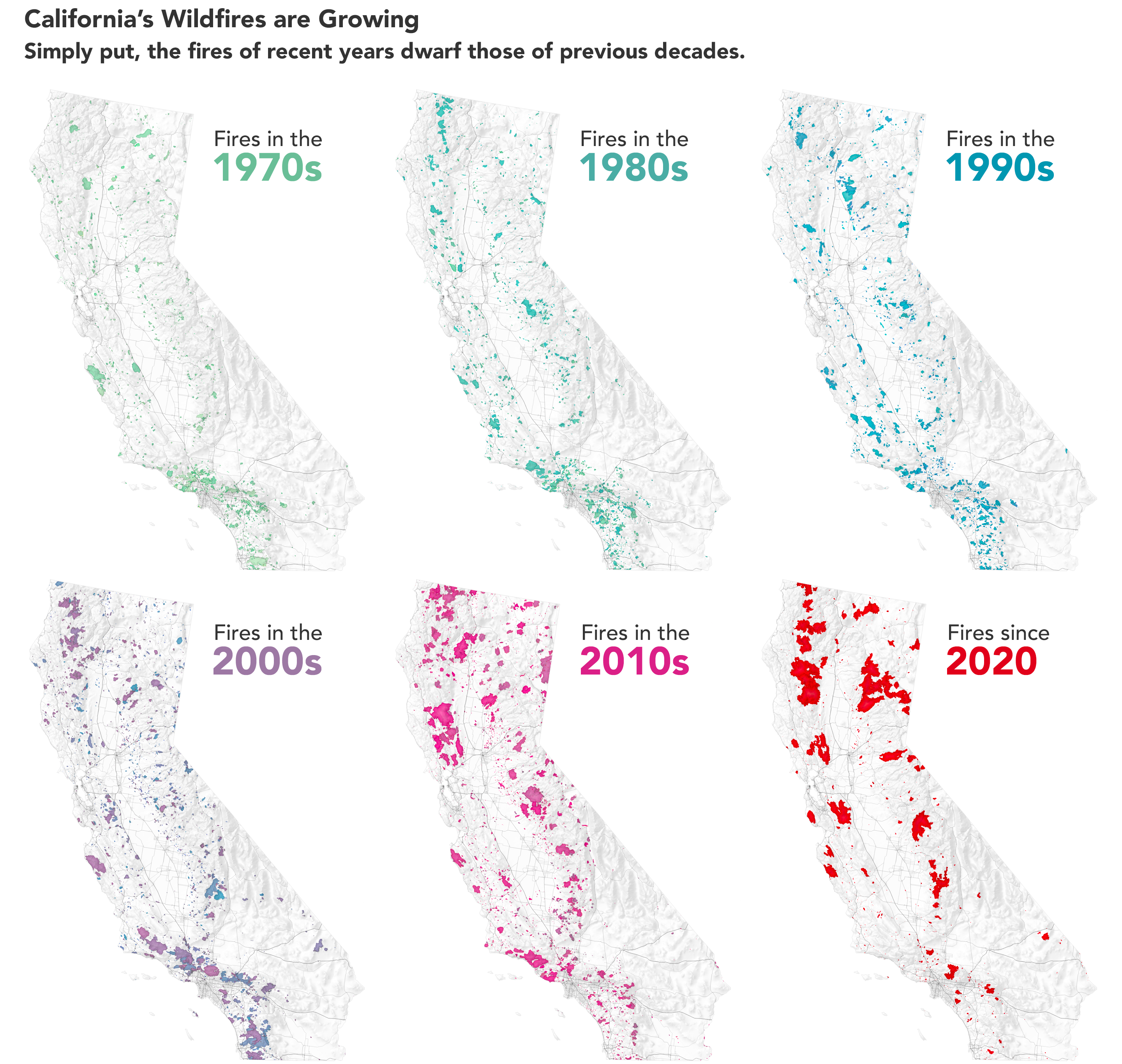
Topography’s Role: Winds and Canyons
California’s dramatic and varied topography plays a critical role in how fires behave and spread. The state is crisscrossed by numerous mountain ranges, deep canyons, and valleys, which act as natural funnels for powerful winds. Perhaps the most notorious are the Santa Ana winds in Southern California and the Diablo winds in Northern California. These hot, dry winds descend from higher elevations, gaining speed and intensity as they are compressed through canyons and passes. They can fan even a small spark into an uncontrollable inferno, rapidly spreading embers over vast distances and pushing flames over ridges and through valleys at terrifying speeds. Communities nestled in hillsides or canyon mouths, such as those in Malibu or Santa Barbara, are particularly vulnerable.
The complex terrain also makes firefighting incredibly challenging, limiting access for ground crews and creating unpredictable fire behavior. Updrafts in canyons can carry flames rapidly uphill, while swirling winds create erratic fire lines. This topographical complexity means that fires can quickly become multi-front battles, threatening multiple communities and natural areas simultaneously, from the vineyards of Napa Valley and Sonoma to the forests surrounding Lake Tahoe. The combination of dry fuels, steep slopes, and powerful winds forms a deadly trifecta that turns potential fires into devastating realities.
The Human Element: Ignitions and Expansion
While natural conditions create the ideal environment for wildfires, human activity is overwhelmingly the primary cause of ignition in California. From accidental sparks to deliberate acts, human presence in and around wildlands significantly increases the likelihood of a blaze starting and spreading.
Accidental Origins: Sparks and Infrastructure
The vast majority of wildfires in California are ignited by human activity, often unintentionally. Faulty or downed power lines, especially in high-wind conditions, are a significant and well-documented cause. Aging electrical infrastructure, particularly in rural and wildland-urban interface areas, has sparked numerous destructive fires, leading to tragic losses of life and property. Beyond utility equipment, a myriad of human actions contribute to ignitions: sparks from vehicle exhaust systems, discarded cigarettes, unattended campfires, sparks from grinding or welding equipment during construction, agricultural equipment, and even fireworks. Arson also accounts for a tragic percentage of fires, adding a deliberate and destructive human factor to the equation.
The sheer volume of human activity across the state, from bustling metropolises like Los Angeles and San Diego to remote hiking trails in Yosemite National Park, means that ignition sources are pervasive. Even seemingly innocuous activities can have catastrophic consequences when coupled with California’s volatile environmental conditions. This human factor underscores the importance of public awareness and preventive measures, not just from state agencies but from every individual traversing or residing in the Golden State.
The Urban-Wildland Interface: A Growing Challenge
One of the most pressing challenges in California is the expanding urban-wildland interface (WUI). This is the zone where homes, businesses, and communities directly abut or intermingle with undeveloped wildland vegetation. As the population grows and development pushes further into scenic, fire-prone areas, the WUI expands, putting more lives and structures at risk. What might once have been a localized brush fire now threatens entire neighborhoods, necessitating massive evacuations and straining emergency services.
This encroachment into natural landscapes is driven by the allure of scenic views, affordable land, and a desire for a lifestyle closer to nature. However, it inadvertently places homes in harm’s way, requiring residents to understand and implement “defensible space” around their properties – clearing vegetation that could fuel a fire. For those considering long-term accommodation or investment properties in California, particularly in desirable foothill or coastal canyon areas, understanding the WUI risk is paramount. The increasing density of homes in these zones not only increases the number of potential ignitions but also complicates fire suppression efforts, forcing firefighters to prioritize property protection over full containment, which can allow fires to grow larger and more destructive.
The Unforeseen Impact of Fire Suppression
For much of the 20th century, the dominant strategy for managing wildfires in the United States, and particularly in California, was aggressive fire suppression. The goal was to extinguish every fire as quickly as possible, regardless of its size or location. While this approach successfully protected communities and timber resources in the short term, it inadvertently created a long-term ecological problem. Many of California’s ecosystems, such as those found in Kings Canyon National Park and parts of the Sierra Nevada, are fire-adapted and rely on frequent, low-intensity fires to clear out undergrowth, thin forest canopies, and promote new growth.
By preventing these natural cycles, decades of aggressive suppression led to an unprecedented accumulation of dead trees, dense brush, and thick undergrowth – a massive “fuel load.” When fires inevitably break out in these areas today, they burn with unnatural intensity and heat, leading to crown fires that destroy mature trees and ecosystems that historically withstood less severe blazes. This historical management strategy, though well-intentioned, has exacerbated the severity of contemporary wildfires, turning once manageable events into ecological disasters that challenge even the most advanced firefighting capabilities.
Climate Change: Amplifying the Inferno
While California’s natural conditions and human factors provide the kindling and sparks, climate change acts as a powerful accelerant, turning a challenging situation into a full-blown crisis. It is intensifying existing vulnerabilities and creating new pathways for widespread destruction.
Prolonged Droughts and Record Heatwaves
One of the most direct and devastating impacts of climate change in California is the increasing frequency and intensity of prolonged droughts. Less rain and snowpack mean that the landscape, already dry from its Mediterranean climate, becomes even more desiccated. Rivers and reservoirs shrink, and vegetation dries out earlier in the season and stays dry for longer periods. Simultaneously, the state experiences more frequent and intense heatwaves, pushing temperatures to record highs for longer durations. These extreme temperatures further bake the soil and vegetation, turning forests, chaparral, and grasslands into vast expanses of highly combustible tinder.
The combination of persistent drought and extreme heat creates a critical positive feedback loop: hotter temperatures exacerbate drought conditions, and drier fuels lead to more intense fires, which in turn can release more carbon into the atmosphere, contributing to further warming. This cycle makes fire seasons longer, more severe, and more unpredictable, threatening the state’s natural beauty and its vibrant lifestyle. The once-lush hills surrounding major cities like San Francisco or Sacramento can become crispy fire hazards overnight, altering the perception of safety and outdoor recreation for residents and visitors alike.
Shifting Seasons and Extreme Weather Patterns
Climate change is not just making California hotter and drier; it’s also disrupting traditional weather patterns, leading to longer fire seasons and more extreme wind events. The fire season, which historically peaked in late summer and early fall, now often extends into late fall and even winter, driven by sustained dryness and the persistence of powerful, dry winds like the Santa Ana winds and Diablo winds. These winds, already a major factor, are becoming more extreme, fanning flames with terrifying speed and making containment exceedingly difficult.
Moreover, shifts in the jet stream and other atmospheric phenomena contribute to erratic and unpredictable weather. While the state grapples with intense droughts, it can also experience periods of heavy, concentrated rainfall, which, while welcome, can lead to dangerous mudslides and debris flows in burn scar areas, further compounding the disaster. This unpredictability challenges long-standing strategies for fire management and community preparedness, forcing agencies and residents to adapt to a “new normal” where the threat of wildfire is ever-present and increasingly volatile. For those planning travel, understanding these shifting patterns is essential for safe and enjoyable experiences.
Beyond the Blaze: Impact on California’s Lifestyle and Tourism
The relentless cycle of wildfires has profound implications for California’s economy, environment, and the very fabric of its celebrated lifestyle. The allure of the Golden State, its appeal as a premier travel destination, and the daily lives of its residents are all significantly affected.
Protecting Iconic Destinations and Natural Wonders
California boasts some of the world’s most breathtaking natural attractions and national parks, drawing millions of tourism dollars annually. Iconic sites like Yosemite National Park, Sequoia National Park, Joshua Tree National Park, Big Sur, and Lake Tahoe are not just scenic vistas; they are vital economic engines and cultural touchstones. Wildfires pose an existential threat to these areas. Not only do the fires directly burn through forests and landscapes, but the smoke plumes generated can blanket vast regions, impacting air quality hundreds of miles away, even reaching cities like San Francisco and Sacramento. This significantly deters travelers who seek clear skies and healthy outdoor experiences.
Road closures, damaged infrastructure, and even the psychological impact of being near a fire zone can disrupt travel plans, force cancellations of hotel bookings, and devastate local businesses dependent on visitor traffic. The threat to unique ecosystems, such as the ancient Giant Sequoias or the coastal redwoods, represents an irreplaceable loss of natural heritage that future generations may never fully experience. Protecting these natural wonders is not just an environmental imperative but an economic one, safeguarding the backbone of California’s vibrant tourism industry and its reputation as a global destination.
Travel Safety and Preparedness: A New Reality
For travelers planning a visit to California, especially during the traditional fire season (typically late spring through late fall), understanding the risks and preparing accordingly has become a new reality. It’s no longer enough to simply book hotels and plan itineraries; awareness of fire danger, air quality alerts, and potential evacuation routes is essential. Tourism operators and accommodation providers, such as the Ventura Coastal Resort or the Napa Valley Retreat, are increasingly incorporating fire safety information into their guest briefings and operational plans.
The need for flexibility in travel plans, checking real-time conditions, and having alternative routes or destinations in mind is crucial. While the vast majority of California remains safe and open for exploration even during fire season, certain activities like backcountry hiking or camping in high-risk areas might be restricted. The state’s vibrant culture and food scene continue to thrive, but outdoor experiences, from wine tasting in Sonoma to beach days in Malibu, can be impacted by smoke or closures. Travelers who prioritize safety and stay informed can still enjoy the Golden State’s myriad offerings, but preparedness is key to a stress-free and responsible visit.
Sustainable Tourism and Community Resilience
In the wake of devastating wildfires, the concept of sustainable tourism and community resilience takes on new importance. For affected communities, rebuilding is a long and arduous process, often requiring significant external support. Travelers can play a crucial role in this recovery by choosing to visit and support local businesses once an area is deemed safe and open. Post-fire landscapes, while initially stark, also offer unique opportunities for eco-tourism focused on regeneration and recovery, showcasing nature’s incredible ability to heal.
Many California communities and organizations are actively engaged in reforestation efforts, habitat restoration, and promoting fire-safe practices. Responsible travelers can support these initiatives, perhaps by choosing hotels or tour operators that prioritize sustainability and contribute to local conservation efforts. The resilience shown by affected towns and their determination to rebuild and welcome visitors back is a testament to the enduring spirit of the state. Engaging with local culture and making conscious choices can transform a visit into a meaningful contribution to California’s long-term recovery and adaptation efforts.
Moving Forward: Mitigation, Adaptation, and Hope
The challenge of wildfires in California is immense, but it is not insurmountable. A multi-faceted approach involving aggressive mitigation, thoughtful adaptation, and community engagement offers a path toward a more resilient future. The goal is not merely to fight fires, but to live more harmoniously with a landscape that is inherently fire-prone.
Innovative Strategies for Fire Prevention
Addressing California’s wildfire crisis requires a paradigm shift from reactive suppression to proactive prevention and landscape management. Forest management practices are evolving to include prescribed burns – controlled fires that reduce fuel loads and mimic natural fire cycles, as once utilized by indigenous communities. Forest thinning, removing excess undergrowth and smaller trees, also helps create healthier, more fire-resilient forests. Homeowners and communities are being educated on creating “defensible space” around structures, using fire-resistant building materials, and hardening homes against embers.
Technological advancements are also playing a crucial role. Early detection systems, leveraging AI and remote sensors, can spot ignitions almost immediately, allowing for faster response times. Improved weather forecasting and wind modeling provide critical intelligence for fire agencies. Furthermore, investments in upgrading aging electrical infrastructure, such as undergrounding power lines or installing enhanced safety shut-off mechanisms, are vital to reducing one of the most common human ignition sources. These innovative strategies, combined with robust emergency response planning, are crucial for mitigating the severity and impact of future blazes across diverse regions, from the urban fringes of Los Angeles to the wildlands near Sierra Pines Lodge.
The Role of Community and Travelers in Future Resilience
Ultimately, building a fire-resilient California is a shared responsibility that extends beyond government agencies to every resident and visitor. Community education and preparedness programs empower individuals to take action, from maintaining their property to understanding evacuation plans. Local communities are increasingly collaborating on neighborhood-level fire prevention initiatives, recognizing that collective action is the strongest defense.
For travelers, their role in this resilience is simple but profound: be informed, be respectful, and be prepared. This means checking fire conditions before embarking on a trip, adhering to all fire restrictions, being extra cautious with any potential ignition source, and supporting local businesses and conservation efforts. Visiting the state, especially after a fire, can provide much-needed economic lifelines to affected areas, fostering rebuilding and renewal. By making informed choices, travelers can ensure their adventures contribute positively to the state’s recovery and its ongoing efforts to adapt to a changing climate. California, with its unparalleled beauty and vibrant spirit, remains a world-class destination, and through collective effort, it can continue to thrive, even in the face of its fiery challenges.
LifeOutOfTheBox is a participant in the Amazon Services LLC Associates Program, an affiliate advertising program designed to provide a means for sites to earn advertising fees by advertising and linking to Amazon.com. Amazon, the Amazon logo, AmazonSupply, and the AmazonSupply logo are trademarks of Amazon.com, Inc. or its affiliates. As an Amazon Associate we earn affiliate commissions from qualifying purchases.