
The Golden State, renowned for its sun-drenched beaches, innovation hubs, and diverse landscapes, also has a reputation for its unique tax structure. Among the many levies citizens and visitors encounter, the taxation of used cars often sparks confusion and a flurry of questions. While the idea of paying taxes on a vehicle that has already depreciated and had taxes paid on its initial purchase might seem counterintuitive, California’s approach is rooted in its state constitution and a comprehensive system designed to fund essential public services. Understanding this taxation requires a deeper dive into the principles of sales tax, vehicle registration, and the state’s specific legislative framework.
The Foundation: Sales and Use Tax Principles
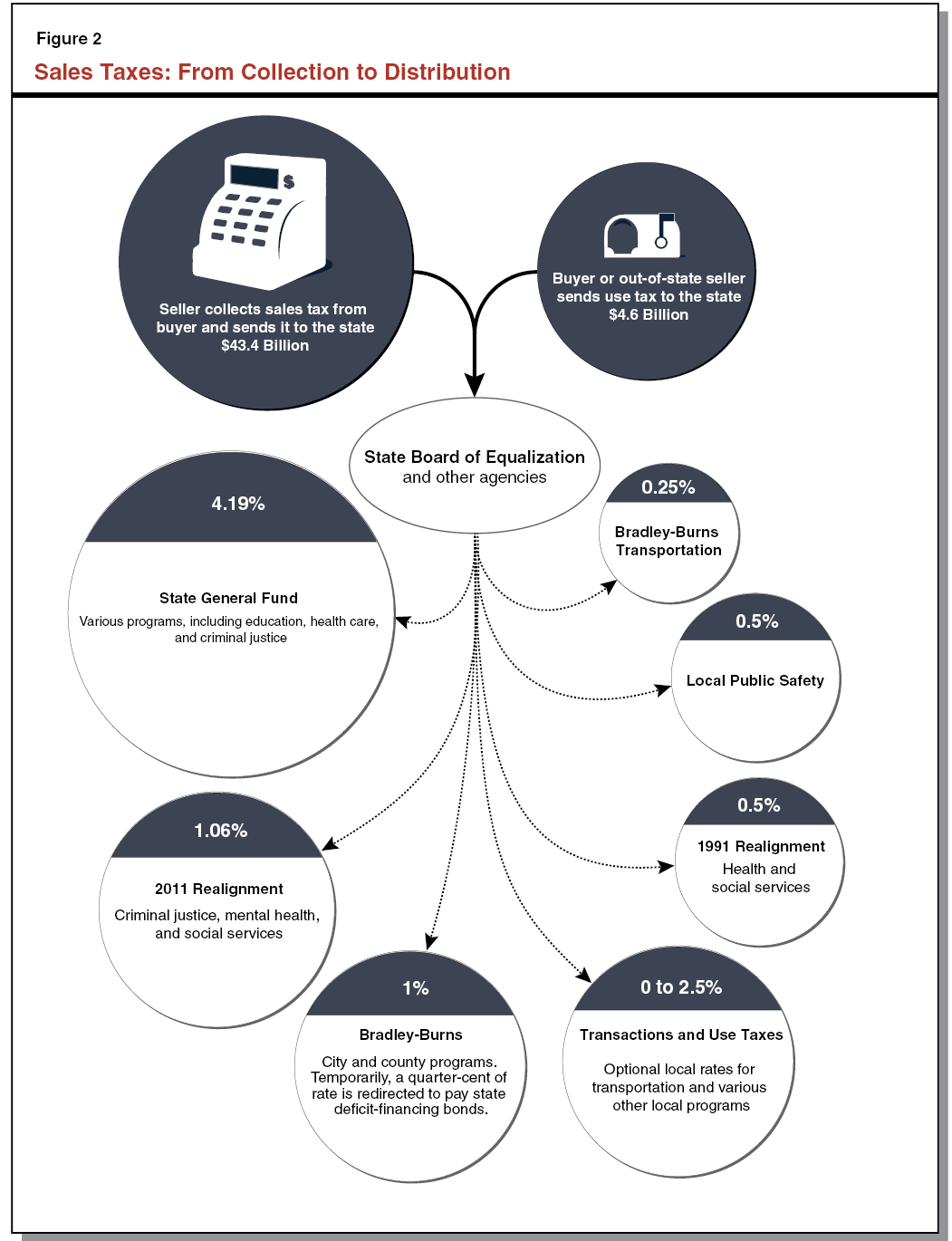
At its core, California’s taxation of used cars is an application of its general sales and use tax laws. These taxes are levied on the retail sale of tangible personal property. When a new car is purchased, sales tax is calculated on the full purchase price. The complexity arises with used cars because the transaction is still considered a retail sale, even if the item has had a previous owner.
Sales Tax vs. Use Tax
California employs both a sales tax and a use tax.
- Sales Tax: This is imposed on retailers for the privilege of selling tangible personal property in the state. When you buy a used car from a dealership in California, the dealership collects the sales tax from you and remits it to the state. The rate of sales tax varies by locality due to district taxes, but the state component is fixed.
- Use Tax: This tax applies to property purchased outside of California for use in California, or to property purchased in California on which sales tax was not paid. For example, if a California resident buys a used car in another state, like Oregon (which has no state sales tax) and brings it into California, they are typically obligated to pay California’s use tax. This is to ensure that goods purchased out-of-state are taxed at the same rate as if they were purchased within the state, preventing tax avoidance. The use tax is essentially an offset to ensure fair taxation across all transactions.
The “Taxable Event” of Transfer of Ownership
In California, the transfer of ownership of a vehicle is considered a taxable event, regardless of whether the vehicle is new or used. The California Department of Tax and Fee Administration (CDTFA) views the purchase of a used car as a new sale to a new owner, and therefore subject to tax. This applies whether the purchase is made from a licensed dealer or from a private party. The rationale is that the state is losing out on revenue if every subsequent sale of a depreciated asset is tax-free.
How California Taxes Used Cars
The specific tax applied to a used car purchase in California is primarily a sales or use tax, often referred to colloquially as “sales tax on used cars.” The rate is determined by the location where the vehicle will be registered and used.
Determining the Applicable Tax Rate
The tax rate applied is the combined state and local rate in effect at the time the vehicle is purchased or brought into California. This includes the state sales tax rate, plus any applicable county and city district taxes. For instance, a purchase made in Los Angeles will have a different total tax rate than one made in San Francisco, due to varying district taxes. The tax is generally calculated on the “selling price” of the vehicle.
Selling Price and Exemptions
The selling price is usually the amount paid by the buyer to the seller. However, there are nuances and potential exemptions:
- Dealers: Licensed dealers are responsible for collecting and remitting the sales tax. They typically use the price stated on the sales contract.
- Private Party Sales: When buying from a private party, the buyer pays the tax to the Department of Motor Vehicles (DMV) when they register the vehicle. The DMV uses the purchase price as reported by the buyer. However, the CDTFA can audit these transactions and may assess additional tax if they believe the reported price is significantly below market value.
- Gifts and Inheritances: Generally, vehicles received as a gift or through inheritance are exempt from sales and use tax, provided certain conditions are met. For instance, a gift from a parent to a child might be exempt, but the specifics need to be confirmed with the CDTFA.
- Trade-ins: In California, if you trade in your old vehicle towards the purchase of a new or used one, you only pay sales tax on the difference between the purchase price of the new vehicle and the value of your trade-in. This significantly reduces the tax burden for many car buyers.
The Role of the Department of Motor Vehicles (DMV)
The California Department of Motor Vehicles (DMV) plays a crucial role in the collection of sales tax on used cars, especially in private party transactions. When you go to register a vehicle you purchased from an individual, the DMV will assess and collect the applicable sales tax based on your reported purchase price and the tax rate for your registered address. This collected tax is then forwarded by the DMV to the CDTFA. The DMV also handles the registration fees, which are separate from sales tax.
Why This System Exists: Funding Public Services
California’s commitment to funding its extensive public services is a primary driver behind its tax policies, including the taxation of used cars. The revenue generated from sales and use taxes is a critical component of the state’s budget, supporting a wide array of programs and infrastructure.
Supporting Public Infrastructure
A significant portion of sales tax revenue is allocated to funding public infrastructure projects. This includes:
- Roads and Transportation: Maintaining and expanding highways, bridges, and public transportation systems across the state. This is particularly relevant in a state as vast and populous as California, with iconic routes like Pacific Coast Highway.
- Schools and Education: Supporting K-12 education, community colleges, and universities.
- Public Safety: Funding law enforcement, fire departments, and emergency services.
- Local Government Services: Providing essential services at the county and city level, such as parks, libraries, and sanitation.
The Principle of Broad-Based Taxation
Sales tax is a broad-based tax, meaning it applies to a wide range of goods and services. This allows the state to generate substantial revenue without relying too heavily on income or property taxes, which can be more volatile. By including used cars in the taxable base, California ensures that a significant sector of commerce contributes to the public good. The argument is that all consumers who benefit from public services should contribute to their funding, regardless of whether they are purchasing new or used goods.
Common Misconceptions and Clarifications
The taxation of used cars in California often leads to misunderstandings. It’s important to clarify these points to avoid confusion.
Is It a Double Taxation?
While it might feel like a double tax because taxes were paid on the car initially, California law views each transfer of ownership as a new retail transaction. The sales tax is levied on the value of the transaction at the time of sale. The fact that the car has depreciated means the sales tax paid on the used car will be less than what was paid when it was new. This is not considered “double taxation” in the legal sense, as it’s a tax on a new sale, not a tax on a tax.
Are All Used Vehicles Taxed?
As mentioned, there are exemptions. Primarily, gifts and inheritances are exempt under specific circumstances. Additionally, certain types of vehicles or transactions might have specific rules, though the general rule for purchase and sale is that sales or use tax applies. For instance, if a vehicle is purchased out-of-state by a non-California resident and then brought into California as a gift to a California resident, the tax implications would differ from a direct purchase.
The Distinction Between Sales Tax and Registration Fees
It’s crucial to distinguish sales tax from vehicle registration fees. Registration fees are annual costs paid to the DMV for the privilege of operating a vehicle on public roads. These fees are separate from sales tax, which is a one-time tax paid at the time of purchase. The amount of registration fees can vary based on factors like vehicle weight, age, and emissions standards.

Recent Changes and Future Considerations
California’s tax laws, like those in many states, are subject to review and potential changes. While the fundamental principle of taxing retail sales, including used cars, has remained consistent, legislative bodies occasionally adjust tax rates or introduce new exemptions or credits. Staying informed about the latest regulations from the CDTFA and the DMV is always advisable for California vehicle owners and buyers. The state’s ongoing commitment to environmental initiatives and infrastructure development means that tax policies are often shaped by these broader goals.
In conclusion, the taxation of used cars in California is a direct consequence of the state’s reliance on sales and use taxes to fund its vast array of public services. While it may present a financial consideration for buyers, it is an integral part of a system designed to ensure that commerce contributes to the collective well-being and the maintenance of the state’s infrastructure and social programs. Understanding the mechanics of sales tax, use tax, and the role of state agencies like the CDTFA and DMV provides clarity on why California imposes this levy on pre-owned vehicles.
LifeOutOfTheBox is a participant in the Amazon Services LLC Associates Program, an affiliate advertising program designed to provide a means for sites to earn advertising fees by advertising and linking to Amazon.com. Amazon, the Amazon logo, AmazonSupply, and the AmazonSupply logo are trademarks of Amazon.com, Inc. or its affiliates. As an Amazon Associate we earn affiliate commissions from qualifying purchases.