
When travelers land in Hawaii and wander through the aisles of local grocery stores or step into a casual eatery, they are often struck by a peculiar culinary phenomenon: the sheer omnipresence of Spam. It is not just an occasional snack; it is a cultural cornerstone. From the humble Spam Musubi found at 7-Eleven counters to gourmet interpretations served in high-end restaurants, this canned luncheon meat has transcended its humble origins to become the unofficial state dish. To understand this affinity, one must look beyond the flavor profile and delve into the intersection of history, geography, and the resourcefulness of the Pacific spirit.

A Legacy Born from Wartime Necessity
The story of how Spam became embedded in the culinary fabric of the islands begins with the United States military presence during World War II. As the Pacific theater escalated, the islands became a critical staging ground for Allied forces. Because of its long shelf life, ease of transport, and lack of requirement for refrigeration, canned pork became a staple in the ration kits of soldiers stationed throughout the Pacific Ocean.
The Integration of Rations into Island Life
During the war, strict rationing and the challenges of importing fresh meat made protein-rich alternatives highly valuable. Spam was distributed to the local population, and in a climate where fresh supply chains were often disrupted, it proved to be a reliable source of sustenance. The local inhabitants, known for their innovative cooking styles that blend Asian and Polynesian traditions, began incorporating the salty, savory meat into their traditional dishes. It did not take long for it to transition from a military ration to a household pantry essential.
Economic Resilience and Local Adaptation
The adoption of this canned meat also highlights the economic ingenuity of Hawaii. Residents living on islands like Oahu or Maui often faced high costs for imported fresh goods. Spam offered an affordable, accessible, and versatile way to prepare meals for families. It was fried, grilled, baked, and stewed, eventually finding its way into everything from fried rice to breakfast scrambles. By making the product their own, the people turned a utilitarian military supply into a symbol of local identity.
The Cultural Evolution of the Musubi
Perhaps the most significant development in this love affair is the creation of Spam Musubi. This iconic handheld snack is the perfect marriage of local ingredients: a slice of grilled Spam marinated in a mixture of soy sauce and sugar, placed atop a block of Japanese-style sticky rice, and wrapped in a crisp ribbon of Nori.
The Influence of Japanese Culinary Traditions
The development of Spam Musubi is a testament to the cultural diversity of Hawaii. The arrival of Japanese immigrants during the plantation era brought a deep-seated love for onigiri (rice balls). When Spam became ubiquitous, someone—legend suggests it was a local resident—realized that the rectangular shape of the Spam tin perfectly mirrored the mold needed for a simplified rice ball. This fusion provided a portable, nutritious snack that quickly became a favorite for school lunches, beach trips, and post-surfing sustenance.
A Staple of Modern Island Lifestyle
Today, Spam Musubi is found everywhere, from gas stations to gourmet food trucks. It represents the “plate lunch” culture—a style of dining that is uniquely Hawaiian. Whether you are grabbing a quick bite before exploring the North Shore or packing a lunch for a hike through the Volcanoes National Park, the musubi serves as a cultural bridge between the island’s plantation history and its modern, fast-paced lifestyle.
Beyond the Can: Spam in the Modern Hawaiian Kitchen
While the Spam Musubi remains the most famous iteration, the culinary creativity found within Hawaii has elevated Spam to heights that would likely surprise its original manufacturers, Hormel Foods. Local chefs have recognized that the product provides a specific saltiness and umami profile that complements the sweet and savory notes prevalent in regional cuisine.
Elevating the “Low-End” Ingredient
In many of Honolulu’s top-tier restaurants, you might find creative dishes that feature Spam as a deliberate choice rather than a budget-friendly substitution. These chefs experiment with curing, smoking, or flavoring the meat, turning a mass-produced product into an artisanal component of a dish. This irony—that a commodity item is being treated with the same reverence as locally sourced pork or fresh Pacific fish—speaks to the playful, unpretentious nature of the island’s food scene.
The Spam Jam Festival
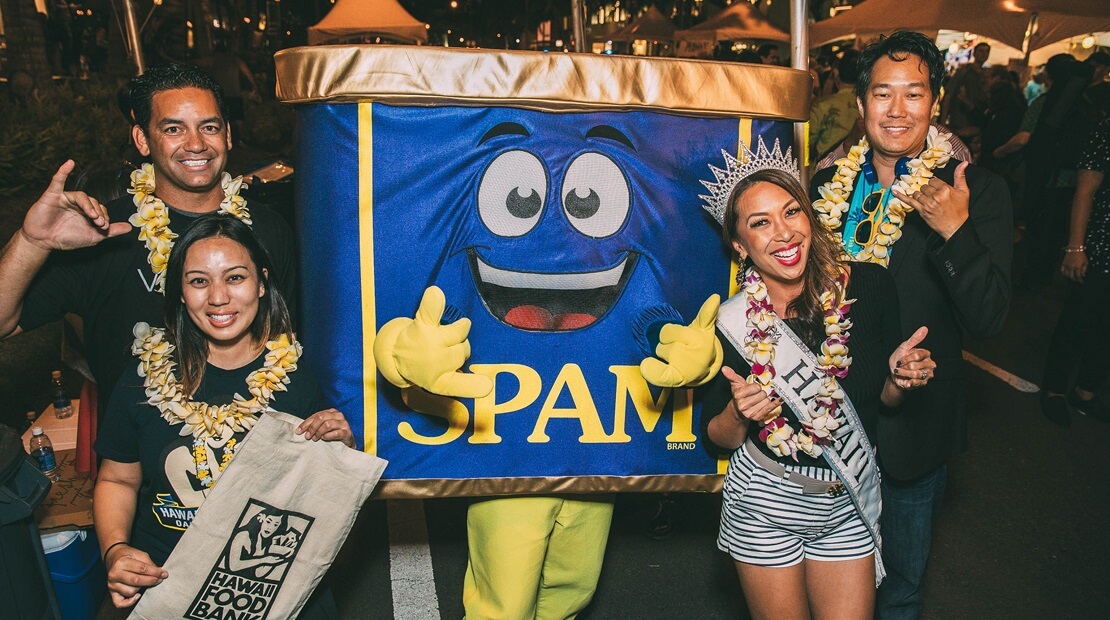
If further evidence were needed of the state’s devotion, look no further than the Waikiki Spam Jam. This annual street festival held in Waikiki is a massive celebration dedicated entirely to Spam. Thousands of residents and tourists gather to sample unique dishes—ranging from Spam burgers to Spam tacos and even Spam-flavored desserts. The festival serves as a yearly reminder that the relationship between the islanders and this canned meat is one of joy, nostalgia, and community.
Why the Affection Persists
The love for Spam in Hawaii is not about a lack of other options. Today, the islands boast a vibrant agricultural sector with access to world-class produce and proteins. Rather, the persistence of Spam is about identity.
Comfort Food and Shared History
For many families, the scent of Spam frying in a pan is synonymous with home. It is a flavor associated with childhood, school lunches, and family gatherings. It is a “comfort food” in the truest sense—a reminder of resilience and the ability to find happiness and satisfaction in the simplest of ingredients. When travelers encounter Spam on the menu, they are tasting a living piece of history.

A Symbol of Aloha
Ultimately, the Spam phenomenon is a reflection of the Aloha spirit—a willingness to embrace, adapt, and share what one has. By taking an imported, industrial product and weaving it into their own cultural tapestry, the people of Hawaii have demonstrated a profound ability to create something distinctly their own. Whether you are a curious visitor looking for an authentic taste of the islands or a long-time resident, the ubiquity of Spam offers a delicious, salty slice of life in the Pacific. It is a reminder that the best food is not always defined by rarity or cost, but by the memories, history, and love that are poured into the preparation.
LifeOutOfTheBox is a participant in the Amazon Services LLC Associates Program, an affiliate advertising program designed to provide a means for sites to earn advertising fees by advertising and linking to Amazon.com. Amazon, the Amazon logo, AmazonSupply, and the AmazonSupply logo are trademarks of Amazon.com, Inc. or its affiliates. As an Amazon Associate we earn affiliate commissions from qualifying purchases.