
Seattle, Washington, is a city often painted with the broad strokes of perpetual drizzle and moody skies. While this romanticized image holds a kernel of truth, the reality of Seattle’s precipitation patterns is a fascinating interplay of geography, climate, and atmospheric phenomena. Understanding why it rains so much in this vibrant Pacific Northwest metropolis offers a deeper appreciation for its lush landscapes, unique culture, and the very air that graces its skies.
The Pacific Northwest’s Unique Climate Drivers
Seattle’s climate is primarily shaped by its proximity to the vast Pacific Ocean and its position within a region known for its temperate rainforests. This geographical advantage, coupled with prevailing wind patterns, creates a perfect storm – quite literally – for frequent rainfall.
The Role of the Pacific Ocean and the Aleutian Low
The Pacific Ocean acts as a massive moisture reservoir. Warm, moist air masses form over the ocean’s surface and are carried eastward by prevailing westerly winds. As these air masses approach the North American continent, they encounter the mountainous terrain of the Pacific Northwest.
A significant contributor to Seattle’s wet weather is the Aleutian Low, a semi-permanent low-pressure system that dominates the North Pacific during the cooler months (roughly October through March). This low-pressure system draws in air from across the ocean, channeling it towards the coast. When this moisture-laden air collides with the coastal mountain ranges, it is forced upwards.
Orographic Lift: The Mountains’ Influence
This process, known as orographic lift, is a crucial factor in Seattle’s precipitation. As the air rises over the Olympic Mountains to the west and the Cascade Range to the east, it cools. Cooler air can hold less moisture, causing the water vapor to condense into clouds and eventually fall as precipitation.
Because the prevailing winds are from the west, the western slopes of these mountain ranges receive significantly more rainfall than the areas on their eastern sides (the rain shadow effect). Seattle, situated between the Olympic Mountains and the Cascade Range, experiences a significant portion of this moisture as it is channeled through the Puget Sound basin. While areas directly west of the mountains receive the brunt of the orographic rainfall, Seattle still benefits from the ample moisture carried inland.
Prevailing Westerly Winds and the Jet Stream
The persistent westerly winds are the express highway for moisture from the Pacific Ocean to reach the Pacific Northwest. These winds are influenced by the jet stream, a fast-flowing river of air in the upper atmosphere. During the fall and winter, the jet stream tends to dip southward, bringing storm systems from the North Pacific directly into the path of the Pacific Northwest. This means a consistent stream of low-pressure systems, carrying rain, sweeps across Seattle.
The Nuances of Seattle’s “Rain”
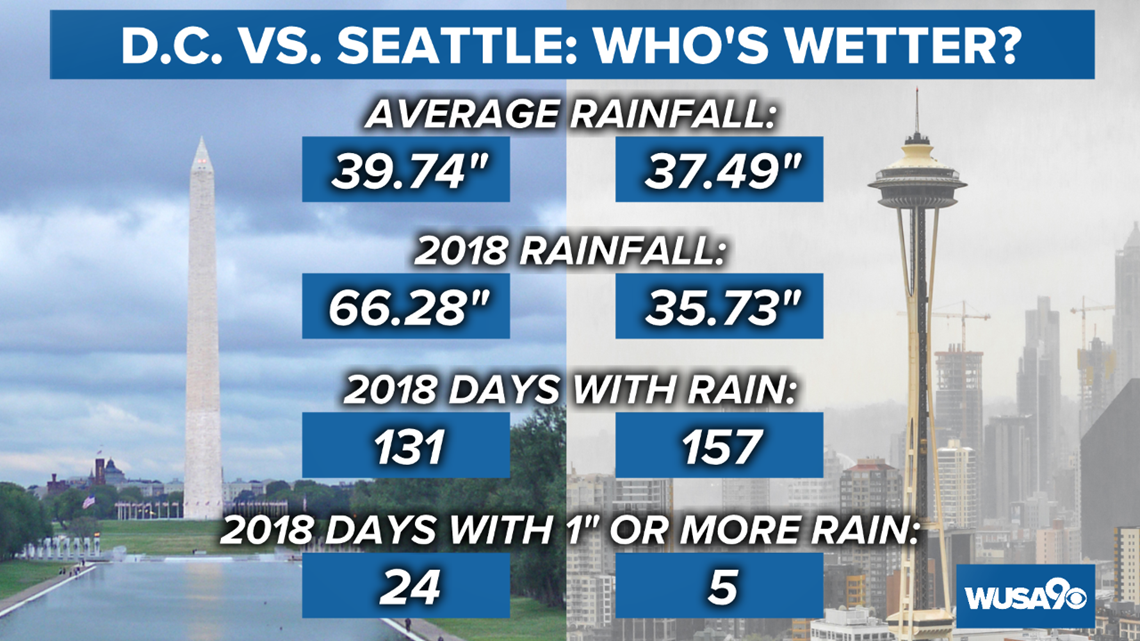
It’s important to clarify what “so much rain” actually means in the context of Seattle. While the city is known for its frequent precipitation, it doesn’t necessarily experience the highest volume of rainfall compared to some other U.S. cities. Instead, Seattle’s reputation stems from the number of rainy days and the characteristic drizzle that often characterizes its weather.
Drizzle vs. Downpour: A Matter of Intensity

Seattle’s rainfall is often characterized by light, persistent showers rather than heavy downpours. This is largely due to the temperature of the incoming air masses. When the moist air from the Pacific Ocean rises and cools, it often does so at temperatures that favor the formation of fine water droplets – drizzle – rather than large raindrops. These fine droplets can hang in the air, creating the misty, overcast conditions that have become synonymous with the city.
While heavy downpours do occur, they are less frequent than the steady, often gentle, rain. This makes it feel like it’s raining constantly, even when the total accumulation might be less than in a city that experiences occasional torrential storms.
Seasonal Variations and “Dry” Summers
The perception of constant rain is also influenced by seasonal patterns. The wettest months in Seattle are typically from October through May. During this period, the Aleutian Low is active, and the jet stream directs storms towards the region.
Conversely, Seattle experiences relatively dry summers. From June through September, the Aleutian Low typically retreats northward, and a high-pressure system, the Pacific High, often dominates the eastern North Pacific. This high-pressure system acts as a shield, deflecting storms and leading to extended periods of sunshine and pleasant temperatures. These dry, warm summers are a welcome respite and are a significant draw for tourism in the Emerald City.
The Impact of Seattle’s Climate on its Environment and Culture
The pervasive moisture has profoundly shaped Seattle’s identity, from its breathtaking natural beauty to its distinctive cultural quirks.
A Lush and Verdant Landscape
The abundant rainfall is the lifeblood of the Pacific Northwest’s temperate rainforest ecosystem. This consistent moisture nurtures an incredibly verdant landscape, characterized by towering evergreen trees, moss-covered branches, and a lush undergrowth. This is why Seattle is often called the Emerald City. The nearby natural attractions, such as Olympic National Park with its Hoh Rainforest, are direct beneficiaries of this climate. Visitors can experience this lushness by exploring local parks like Discovery Park or taking ferries across the Puget Sound to witness the verdant islands.
Outdoor Activities and the “Seattle Freeze”
The weather undeniably influences the types of outdoor activities that are popular. While sunny days are cherished for hiking, biking, and exploring the city’s many waterfronts, locals have also adapted to the rain. Activities like kayaking, sailing on the Puget Sound, and exploring the city’s numerous coffee shops and indoor attractions remain popular year-round.
Interestingly, some link the temperate, often cloudy climate to a perceived cultural trait known as the “Seattle Freeze,” a notion that locals can be reserved or slow to warm up to newcomers. While this is a generalization, the climate may encourage indoor pursuits and a more introspective lifestyle for some, contributing to this cultural observation.
Innovation and Adaptability
The consistent precipitation has also fostered a culture of innovation and adaptability. From advanced drainage systems in urban areas to the widespread embrace of high-quality rain gear and umbrellas, Seattleites have learned to live with and even embrace their rainy reputation. The city’s thriving coffee culture, for instance, is often seen as a direct response to the need for warm, inviting indoor spaces during damp weather. This adaptability extends to the local economy, with industries that thrive in overcast conditions, such as aerospace and technology, finding fertile ground in Seattle.

Beyond the Drizzle: Understanding the Full Picture
While the prevalence of rain is a defining characteristic of Seattle, it’s crucial to look beyond this single attribute to appreciate the city fully. Its allure lies not just in its climate but in the dynamic interplay of its natural environment, its coastal location, and the resilient, innovative spirit of its people. The rain, in its own way, contributes to the unique magic that makes Seattle such a captivating place to visit and live.
LifeOutOfTheBox is a participant in the Amazon Services LLC Associates Program, an affiliate advertising program designed to provide a means for sites to earn advertising fees by advertising and linking to Amazon.com. Amazon, the Amazon logo, AmazonSupply, and the AmazonSupply logo are trademarks of Amazon.com, Inc. or its affiliates. As an Amazon Associate we earn affiliate commissions from qualifying purchases.