
For travelers and political observers alike, the American electoral map often presents a uniform picture of “winner-take-all” systems. In forty-eight states, the candidate who wins the popular vote typically secures every electoral vote allocated to that state. However, Nebraska and Maine stand as the notable exceptions, utilizing a unique “congressional district method” that adds a layer of complexity—and intrigue—to the landscape of these regions. Understanding why these states operate differently requires a journey into local governance, history, and the way these areas present themselves to the world.
The Geography of Governance: How the District System Works
To understand why these specific states deviate from the norm, one must first look at the mechanics of the system. Unlike the vast majority of the United States, which awards all electoral votes to the statewide winner, these two states divide their votes.

The Split-Vote Mechanism
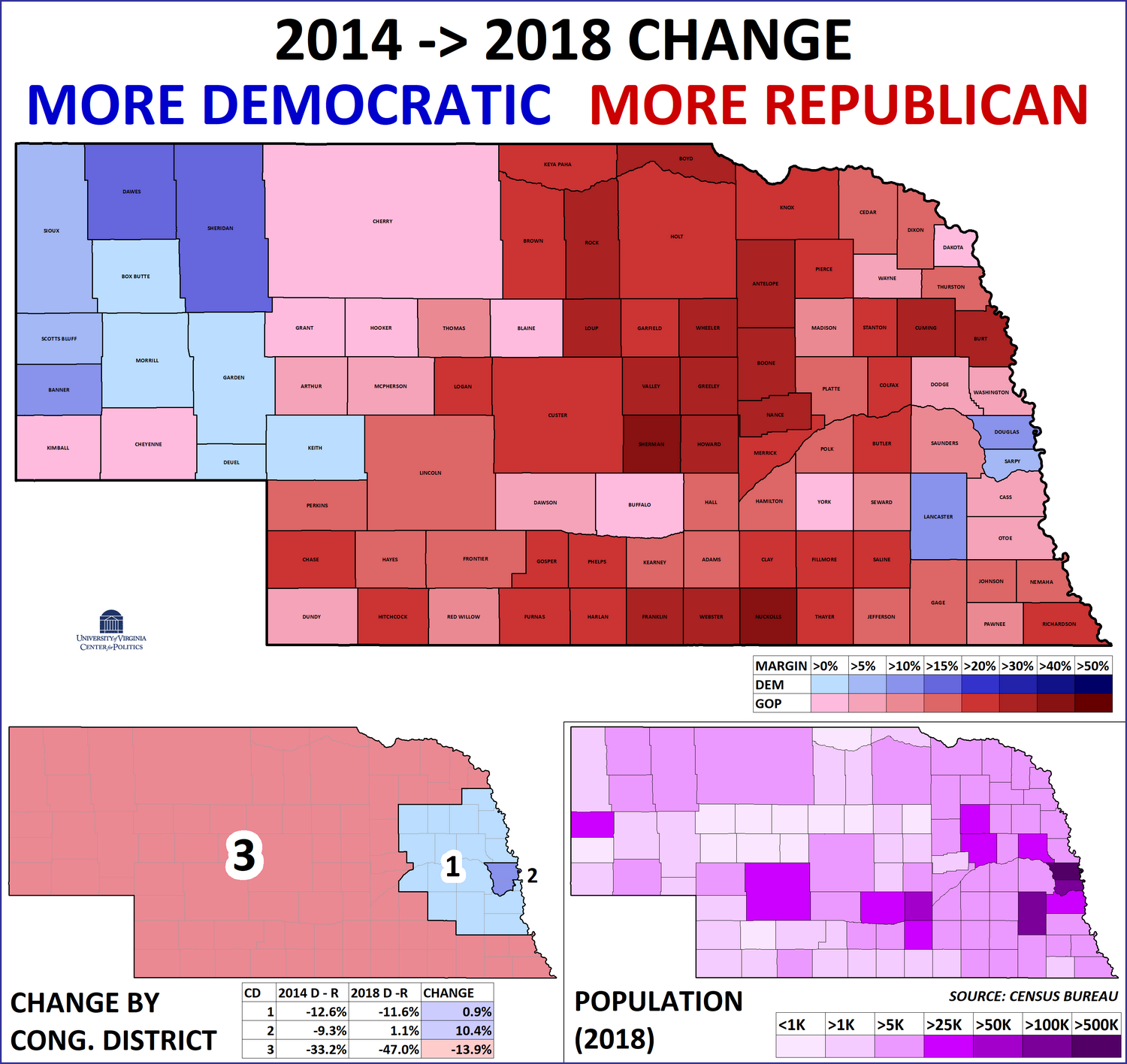
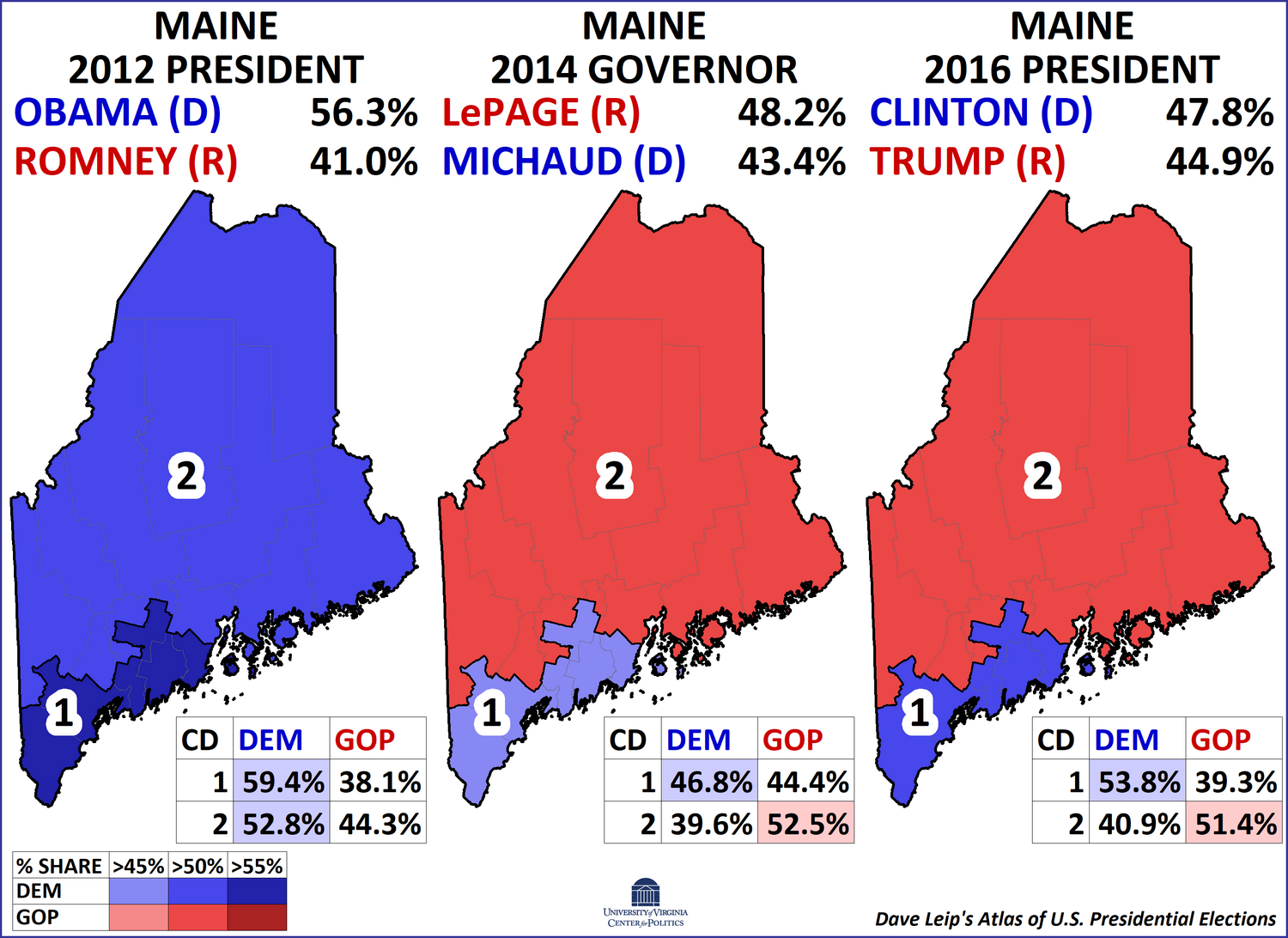
In both states, two electoral votes are awarded to the winner of the statewide popular vote. The remaining votes are assigned based on the outcome in each individual congressional district. In Nebraska, there are three such districts; in Maine, there are two. This means it is entirely possible—and has historically occurred—for a state to “split” its support between candidates.
This system reflects a desire to ensure that diverse regional interests are represented. In the rolling plains of the Midwest or the rugged coastal stretches of New England, the issues facing a rural farmer often differ significantly from those facing residents in a major urban hub like Omaha or Portland. By creating districts, these states allow regional voices to be heard independently of the statewide trend.
Historical Context: A Legacy of Regional Identity
The origins of this electoral arrangement are rooted in the specific political evolution of both states. While the mechanisms appear similar, the motivations behind them highlight the distinct cultural identities of the Great Plains and the Northeast.
Maine’s Commitment to Local Representation
Maine adopted its current system in 1972. The state has long prided itself on a history of independent political thought, exemplified by its “split-ticket” tendencies. For the locals living in the interior woodlands versus those in the maritime cities, the district system serves as a recognition that a singular statewide result might gloss over the nuances of their diverse economy—which ranges from timber and fishing to modern tech startups.
Nebraska’s Shift Toward Regional Balance
Nebraska implemented its split system in 1991. The move was largely driven by a desire to make the state more relevant during election cycles. By allowing the district centered on Omaha to vote independently of the rest of the state, the region essentially opened itself up to more focused political attention. This decision highlights a unique aspect of Nebraska culture: the blend of deeply conservative rural values with the more moderate, fast-growing atmosphere of the state’s largest city.
The Impact on Local Culture and Tourism
While electoral systems are often viewed through the lens of policy, they also reflect the underlying culture of a state. Travelers visiting these regions often notice a distinct sense of pride in how these states govern themselves—a feeling that local autonomy is a pillar of their way of life.
The Personality of Districts
When visiting Nebraska, one observes a clear divide between the agricultural western districts and the vibrant, artistic streets of Omaha. This political separation mirrors the cultural experience; the state is not a monolith. Similarly, in Maine, the divide between the Second Congressional District, which covers the vast, rural north, and the First Congressional District, which encompasses the coastal hubs, is a reflection of the state’s dual identity as both a wild, forested escape and a center of maritime heritage.
Tourism as a Bridge Between Worlds
For those visiting these states, these electoral divisions serve as a helpful guide for travel planning. If a visitor is looking for a rural, nature-focused experience, the “district” that covers the Sandhills of Nebraska offers a starkly different vacation than the metropolitan buzz of Omaha. In Maine, understanding that the state is divided geographically helps travelers curate their trips—choosing between the rustic, untouched beauty of Aroostook County or the sophisticated, culinary-forward scenes in Portland.
Comparing Regional Philosophies
The fact that these two states, located thousands of miles apart, share this system is a testament to the flexibility within the American constitutional framework. However, the outcomes in each state serve different purposes.
Autonomy and Local Pride
In both Nebraska and Maine, the existence of districts reinforces a sentiment of local empowerment. People in these regions are often vocal about their desire to avoid being subsumed by the “winner-take-all” mentality of the larger, more populous states. This local pride is a key element of the tourism experience. When you visit these states, you are entering territories that are actively asserting their unique place in the national narrative.
Whether it is the quiet, stoic pride of New England residents or the open, industrious spirit of Midwesterners, these states provide a fascinating study in how geography dictates governance. By allowing congressional districts to play a role in their electoral processes, they ensure that the “local” voice—the person living on a small farm in Lincoln or a harbor town in Bar Harbor—remains a significant part of the conversation.
Conclusion: A Reflective Travel Experience
For the discerning traveler, Nebraska and Maine offer more than just beautiful landscapes and iconic landmarks. They offer a glimpse into a political culture that values the individual identity of its sub-regions. By embracing the congressional district system, these states have signaled that they are not just single, uniform blocs, but a collection of distinct communities, each with its own rhythm, history, and voice.
As you travel through the plains or the coastlines, consider how these regions have organized themselves. The districts are not merely lines on a map; they are reflections of the people, the economy, and the local history that define the unique soul of these two remarkable states. Whether you are walking the cobblestones of a historic harbor or driving the expansive highways of the heartland, you are witnessing a system that respects the diversity of the American experience—a sentiment that resonates deeply with anyone seeking to understand the true character of the United States.
LifeOutOfTheBox is a participant in the Amazon Services LLC Associates Program, an affiliate advertising program designed to provide a means for sites to earn advertising fees by advertising and linking to Amazon.com. Amazon, the Amazon logo, AmazonSupply, and the AmazonSupply logo are trademarks of Amazon.com, Inc. or its affiliates. As an Amazon Associate we earn affiliate commissions from qualifying purchases.