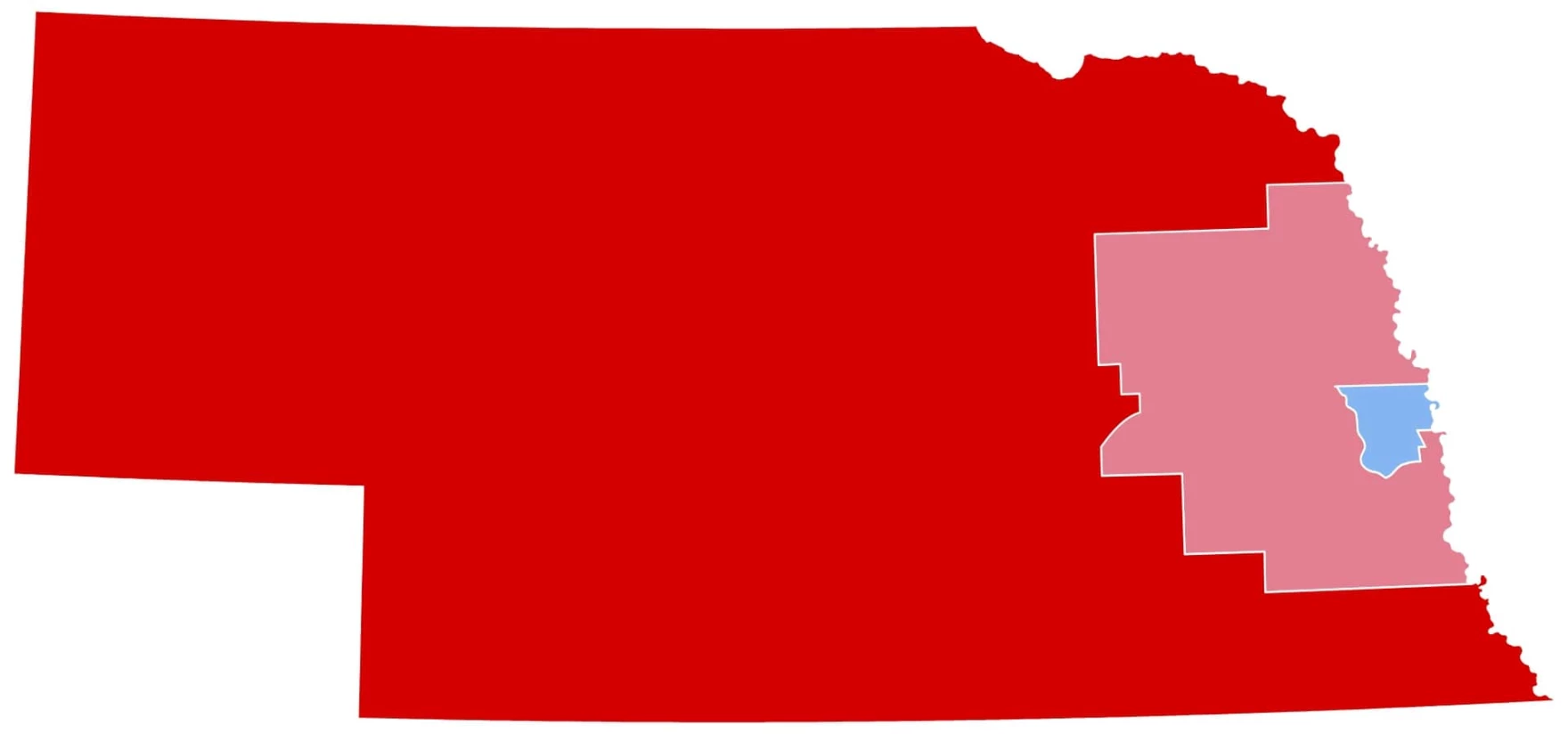
Nebraska, often celebrated for its vast agricultural landscapes, friendly Midwestern charm, and pioneering spirit, holds a unique distinction in the American political arena that frequently sparks curiosity: it’s one of only two states (the other being Maine) that deviates from the conventional “winner-take-all” system for allocating electoral votes in presidential elections. This distinctive approach not only impacts national politics but also adds an intriguing layer to the state’s identity, making it a fascinating destination for travelers interested in the intricate tapestry of American culture, history, and governance.
For many venturing through the United States, the electoral college system can seem complex. Yet, the vast majority of states adhere to a straightforward rule: the presidential candidate who wins the popular vote statewide receives all of that state’s electoral votes. Nebraska’s departure from this norm means a different game entirely, where individual congressional districts can award their electoral vote to a different candidate than the statewide winner. This political nuance, while seemingly dry, offers a compelling reason to explore the Cornhusker State, revealing how local demographics, history, and lifestyle converge to shape national outcomes, all while inviting visitors to discover its rich attractions, vibrant cities, and serene natural beauty.
Understanding Nebraska’s Unique Electoral System
To truly appreciate Nebraska’s electoral distinctiveness, it’s essential to first understand the broader context of the American presidential election system and then delve into the specifics of its unique method.
The Winner-Take-All Contrast
In 48 out of 50 states and Washington D.C., the allocation of electoral votes is a simple, if sometimes controversial, affair: the candidate who receives the most popular votes across the entire state is awarded all of that state’s electoral votes. This system, often referred to as “winner-take-all,” means that even a narrow popular vote victory can translate into a complete sweep of electoral votes, often leading presidential campaigns to focus heavily on a handful of “swing states” where the outcome is uncertain. For instance, if a candidate wins a state by just one vote, they still claim all its electoral college representation. This method simplifies the vote count but can sometimes lead to a disconnect between the national popular vote and the electoral college outcome, sparking debates about its fairness and representativeness.
How Nebraska’s System Works
Nebraska’s system, adopted in 1991, provides a compelling alternative. Instead of a winner-take-all approach, it utilizes what is known as the “congressional district method.” Here’s how it breaks down:
- Two Statewide Electoral Votes: Like all states, Nebraska is allocated a certain number of electoral votes based on its total congressional representation (its two senators plus its three members of the House of Representatives, for a total of five electoral votes). The candidate who wins the statewide popular vote in Nebraska is awarded two of these five electoral votes.
- One Vote Per Congressional District: The remaining three electoral votes are awarded individually based on the popular vote winner within each of Nebraska’s three congressional districts:
- District 1: Encompasses the eastern part of the state, including Lincoln, the state capital.
- District 2: Primarily covers the Omaha metropolitan area and its inner suburbs.
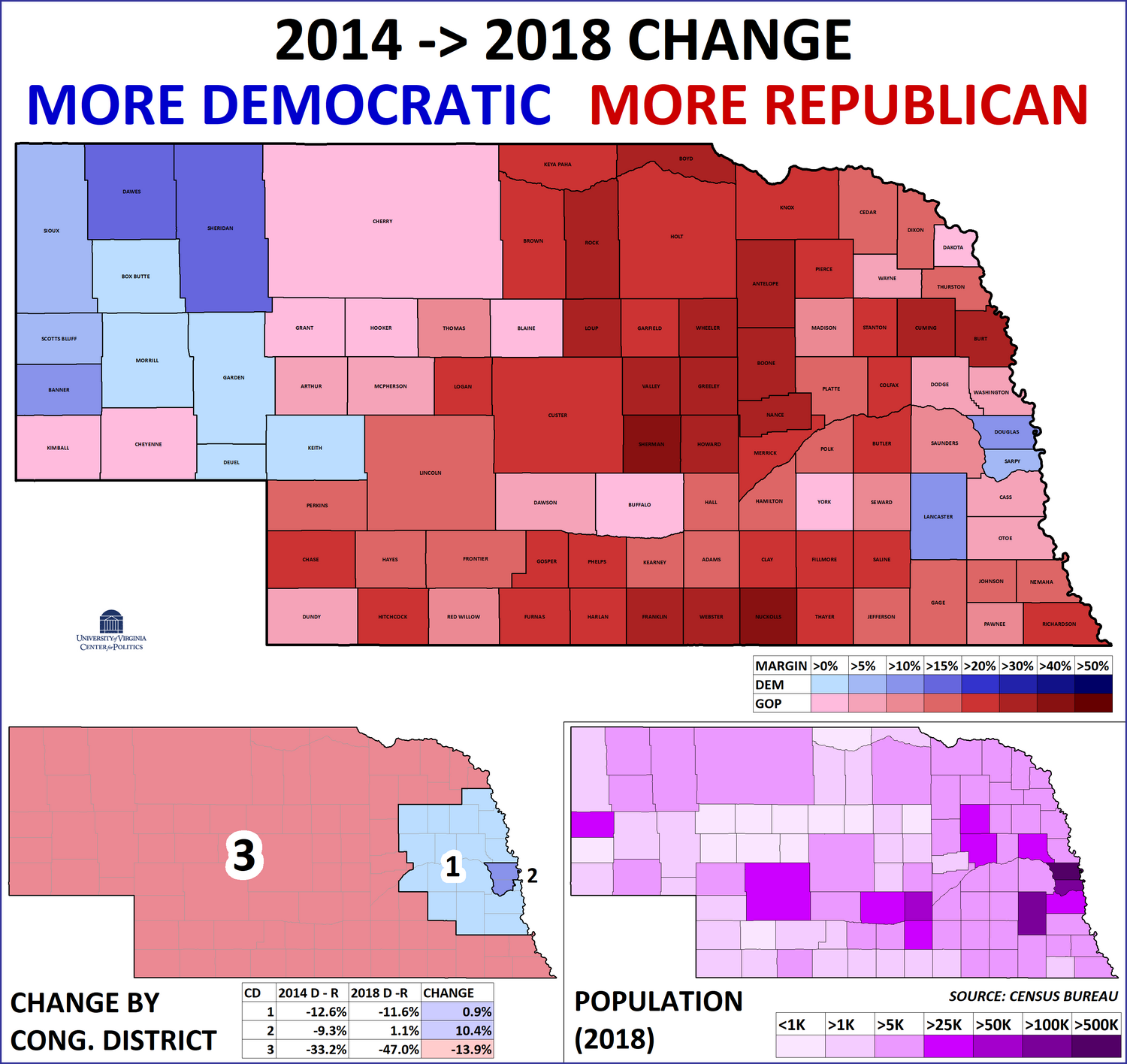
- District 3: A vast, largely rural district covering the remainder of the state to the west and north.
This system means that it is entirely possible for a candidate to win the statewide popular vote and thus secure two electoral votes, while a different candidate wins one or more of the individual congressional districts, thereby securing those specific electoral votes. The most famous instance of this occurred in 2008 when Barack Obama, while losing Nebraska statewide to John McCain, managed to win the popular vote in Nebraska’s 2nd Congressional District (the Omaha area), earning him one electoral vote from the reliably Republican Party state.
Historical Context and Political Dynamics
Nebraska adopted this system in 1991, and its origins are rooted in a desire to increase the state’s relevance in presidential elections and ensure that all parts of the state have a voice. Historically, Nebraska has been a staunchly Republican Party stronghold, meaning presidential candidates traditionally invested little time or resources campaigning there under a winner-take-all system, as the outcome was largely predetermined. By splitting the votes by district, particularly in the more politically diverse District 2 around Omaha, it created an incentive for candidates, especially those from the Democratic Party, to campaign and spend money in at least one part of the state.
This system often makes Nebraska’s 2nd Congressional District a minor battleground, particularly in close national elections. For travelers passing through Omaha or Lincoln during an election year, this political dynamic can add a palpable buzz to the atmosphere, as local news and campaign activities highlight the district’s potential impact on the national stage. It’s a fascinating example of how a seemingly small state can assert its unique identity and influence in the grand scheme of American democracy.

Beyond the Ballot Box: Exploring the Cornhusker State
While Nebraska’s electoral system provides an intriguing talking point, the state itself offers a wealth of experiences for travelers, seamlessly blending rich history, vibrant urban centers, and breathtaking natural beauty. Far from being “flyover country,” Nebraska invites exploration, offering everything from world-class zoos to serene prairies and significant historical landmarks.
Vibrant Cities: Omaha and Lincoln
The heart of Nebraska’s urban life lies in its two largest cities, each offering a distinct flavor and a plethora of attractions.
-
Omaha: A Metropolitan Gem
Located in Nebraska’s 2nd Congressional District, Omaha is a thriving metropolis that often surprises visitors with its sophisticated dining scene, vibrant arts and culture, and impressive attractions. A must-visit is the Henry Doorly Zoo and Aquarium, consistently ranked among the world’s best, boasting incredible exhibits like the Desert Dome and the Lied Jungle. For a taste of history and local charm, head to the Old Market district, a historic area with cobblestone streets, unique boutiques, art galleries, and an array of exquisite restaurants. The Durham Museum, housed in Omaha’s former Union Station, offers a fascinating journey through regional history, while the iconic Bob Kerrey Pedestrian Bridge allows visitors to “walk to Iowa” over the Missouri River and enjoy stunning skyline views. Omaha’s burgeoning craft beer scene and a reputation as a culinary hotspot make it an exciting destination for foodies and those seeking urban adventures. -
Lincoln: The State Capital with Collegiate Spirit
Just a short drive southwest of Omaha, Lincoln serves as Nebraska’s capital and a hub of collegiate energy, thanks to the University of Nebraska-Lincoln. The most striking landmark is the magnificent Nebraska State Capitol Building, an architectural marvel that blends Art Deco design with symbolic artwork, offering breathtaking views from its observation deck. The historic Haymarket District echoes Omaha’s Old Market with its repurposed warehouses now housing boutiques, restaurants, and entertainment venues. For sports enthusiasts, experiencing a University of Nebraska-Lincoln Cornhuskers football game is an unforgettable lesson in state pride and passion, drawing crowds that transform the city into a sea of red.
Natural Wonders and Historic Trails
Beyond its urban centers, Nebraska’s vast landscapes tell tales of westward expansion, unique ecosystems, and stunning natural beauty.
-
Pioneer History in Western Nebraska: The western reaches of the state are steeped in the history of the Oregon Trail. Travelers can trace the paths of pioneers at iconic landmarks like Scotts Bluff National Monument, a towering landmark that guided emigrants, and Chimney Rock National Historic Site, one of the most famous and frequently mentioned landmarks along the trail. These sites offer not just panoramic views but also a profound connection to America’s past, with excellent visitor centers detailing the arduous journeys of those who shaped the nation.
-
The Sandhills and Platte River: The Nebraska Sandhills represent one of the largest intact grass-stabilized dune regions in the world. This unique ecosystem offers unparalleled opportunities for stargazing, birdwatching, and experiencing true solitude. Each spring, the Platte River becomes a spectacle of nature as hundreds of thousands of Sandhill Cranes converge during their annual migration, creating one of the world’s greatest wildlife events.
-
Quirky Attractions: For those seeking the wonderfully unusual, Carhenge near Alliance is a must-see. This whimsical replica of England’s Stonehenge, constructed entirely from vintage American automobiles, is a testament to Nebraska’s creative spirit and quirky roadside appeal.
Culinary Delights and Local Experiences
Nebraska’s culinary scene is as hearty and welcoming as its people. As the “Beef State,” it’s no surprise that prime cuts of steak are a local specialty, found in everything from upscale steakhouses in Omaha to beloved local diners. Beyond beef, don’t miss out on a Runza, a German-Russian pastry pocket filled with ground beef, cabbage or sauerkraut, and onions – a true Nebraska institution. The state also boasts a growing craft brewery and distillery scene, particularly in its larger cities, offering tours and tasting rooms. Engaging with locals at farmer’s markets, small-town cafes, or community events provides an authentic glimpse into the friendly, resilient spirit that defines the Midwest.
Planning Your Nebraska Adventure
Whether you’re drawn by the political intrigue, the call of the wild, or the vibrant urban scenes, planning a trip to Nebraska is an accessible and rewarding endeavor.
Accommodation Options for Every Traveler
Nebraska offers a diverse range of accommodation options to suit any travel style and budget. In cities like Omaha and Lincoln, you’ll find everything from luxurious boutique hotels and well-known chain resorts to charming bed and breakfasts and convenient apartment rentals perfect for longer stays. Many hotels boast amenities like indoor pools, fitness centers, and excellent dining, catering to both leisure and business travelers. For those venturing into the scenic Sandhills or historic western regions, unique lodges, rustic cabins, or glamping sites provide an immersive experience amidst nature. Booking in advance, especially during peak travel seasons or major events like University of Nebraska-Lincoln Cornhuskers football weekends, is highly recommended to secure your preferred stay.
Navigating the State and Getting Around
Nebraska is best explored by car, allowing for the freedom to traverse its expansive landscapes and visit its diverse attractions. Major interstates like I-80 provide convenient routes across the state. Rental cars are readily available at the state’s main airports: Eppley Airfield (OMA) in Omaha and Lincoln Airport (LNK). Public transportation exists within Omaha and Lincoln but is not extensive enough for inter-city travel or reaching rural landmarks. Road trips through Nebraska are often characterized by scenic drives, open skies, and the quintessential American experience of the open road.
Immersing Yourself in Local Culture
To truly experience Nebraska, step beyond the main attractions and dive into its local culture. Visit a local brewery or winery, explore a small-town museum dedicated to pioneer life, or simply strike up a conversation with a local at a diner – you’ll often find a warm welcome and genuine stories. Attending a community festival, a rodeo, or a local sporting event can provide memorable insights into the state’s traditions and passions. From the quiet grandeur of its natural spaces to the spirited energy of its cities, Nebraska invites travelers to uncover its understated charm and significant contributions to the American narrative.
The Broader Impact and Future Outlook
Nebraska’s decision to split its electoral votes, rather than following the winner-take-all model, remains a focal point of discussion in American politics. While it hasn’t dramatically altered the outcome of many presidential elections, its impact in 2008 demonstrated the potential for even a single electoral vote to play a crucial role in a tightly contested race. This unique system ensures that presidential campaigns cannot entirely overlook the state, particularly its more competitive District 2, fostering a deeper level of engagement with its citizens than might otherwise occur.
The debate about whether to revert to a winner-take-all system or for other states to adopt the congressional district method continues. Regardless of its future, Nebraska’s current electoral system stands as a testament to its independent spirit and its commitment to ensuring diverse voices are heard. For those traveling through, it adds an unexpected layer of fascination, highlighting how deeply intertwined politics, history, and local culture are in this often-underestimated state. So, the next time you consider a journey through the heartland, remember Nebraska isn’t just a place of scenic beauty and friendly faces; it’s a living example of American democracy in action, offering a unique blend of experiences for any curious explorer.