
The intricate web of airline routes connecting cities across the globe is a carefully engineered system driven by complex economic, operational, and strategic factors. When travelers ponder why a particular airline, such as Alaska Airlines, doesn’t serve a seemingly popular destination like Savannah, Georgia, the answer lies deep within these strategic considerations. It’s not merely a matter of demand, but a confluence of an airline’s network strategy, competitive landscape, operational capabilities, and the specific characteristics of the destination airport.
Understanding Airline Network Strategy
Airlines, at their core, are logistics companies operating on thin margins. Every route decision is a calculation balancing potential revenue against significant operational costs. Their network strategy dictates where they fly, how frequently, and with what type of aircraft.

Hub-and-Spoke vs. Point-to-Point Models
Major carriers often employ a hub-and-spoke model, funneling passengers through key hub airports like Atlanta, Charlotte, or Dallas to connect to a wider array of destinations. This model maximizes aircraft utilization and passenger connectivity. Alaska Airlines, while having a strong West Coast hub-and-spoke system centered around cities like Seattle and Portland, also incorporates elements of point-to-point service, particularly on routes with high direct demand.
The absence of a direct East Coast hub for Alaska Airlines is a significant factor. Establishing a route from a West Coast hub like Seattle to Savannah, Georgia would represent a substantial direct flight distance, typically requiring a larger aircraft and potentially more expensive operating costs. Without a strong network of connecting flights at the Savannah end or an intermediate hub, filling a large aircraft consistently on such a long route can be challenging. For leisure and business travelers heading to Savannah, connecting through an existing hub of a partner airline might be a more efficient and cost-effective solution for Alaska Airlines than operating their own metal.
Fleet Specialization and Operational Costs
Alaska Airlines primarily operates a fleet dominated by Boeing 737 aircraft, with some regional jets flown by their subsidiary Horizon Air. While the 737 family is versatile, long-haul routes from the Pacific Northwest to the Southeast push the operational limits for some of their fleet variants, particularly in terms of fuel efficiency and passenger comfort for extended durations.
Introducing a new route requires not only available aircraft but also gate space, ground crews, maintenance facilities, and marketing efforts at the new destination. These are substantial fixed and variable costs. For a market like Savannah that may not align perfectly with their existing network strengths, the return on investment for such an expansion might not currently outweigh the substantial capital outlay and ongoing operational expenses. Airlines are constantly evaluating their aircraft deployment to ensure optimal utilization, matching aircraft size and range capabilities to specific market demands.
Market Dynamics and Demand in the Southeast
The demand for air travel is not uniform across all city pairs. Airlines invest heavily in market research to understand passenger flows, demographics, and competitive pricing pressures before committing to a new route.
The East Coast-West Coast Divide
Historically, Alaska Airlines has concentrated its network on the West Coast of the United States and routes connecting to Hawaii, Mexico, and occasionally the Caribbean. While they have expanded into transcontinental routes to major East Coast hubs like New York, Boston, and Washington D.C., expanding into secondary markets in the Southeast presents a different strategic challenge.
The primary demand for travel to Savannah from the West Coast often originates from leisure travelers visiting the historic city, Tybee Island, or nearby Hilton Head Island. Business travel to Savannah, while present due to industries like aerospace manufacturing, often has different geographic origins. Alaska Airlines would need to ascertain if the volume and yield (average fare per passenger) from their core West Coast markets to Savannah are sufficient to sustain a direct, non-stop service against the strong competition already present.
Competitive Landscape and Established Carriers
The Southeast is a highly competitive market, particularly for destinations like Savannah. Major carriers such as Delta Air Lines, with its dominant hub in Atlanta, and American Airlines, with a strong presence in Charlotte, already offer extensive service to Savannah/Hilton Head International Airport. Other airlines like United Airlines, Southwest Airlines, JetBlue, and various ultra-low-cost carriers also serve the market.
These established carriers have the advantage of existing infrastructure, brand recognition, and a deep network of connecting flights that can efficiently bring passengers from virtually anywhere in the U.S. to Savannah. Alaska Airlines would face the challenge of breaking into a mature market, competing on price and convenience against airlines that can leverage their massive networks. This competition can make it difficult for a new entrant to achieve the necessary load factors and profitability, especially on a route that is not a natural extension of its existing geographic strength.
Passenger Demographics and Travel Patterns
Understanding who travels to Savannah and why is crucial. Is it primarily leisure travelers seeking historic charm and coastal relaxation? Are there significant business segments driving demand, perhaps related to the port or aerospace industry? Or is it a mix of both, with peak seasons for tourism diverging from business travel peaks?
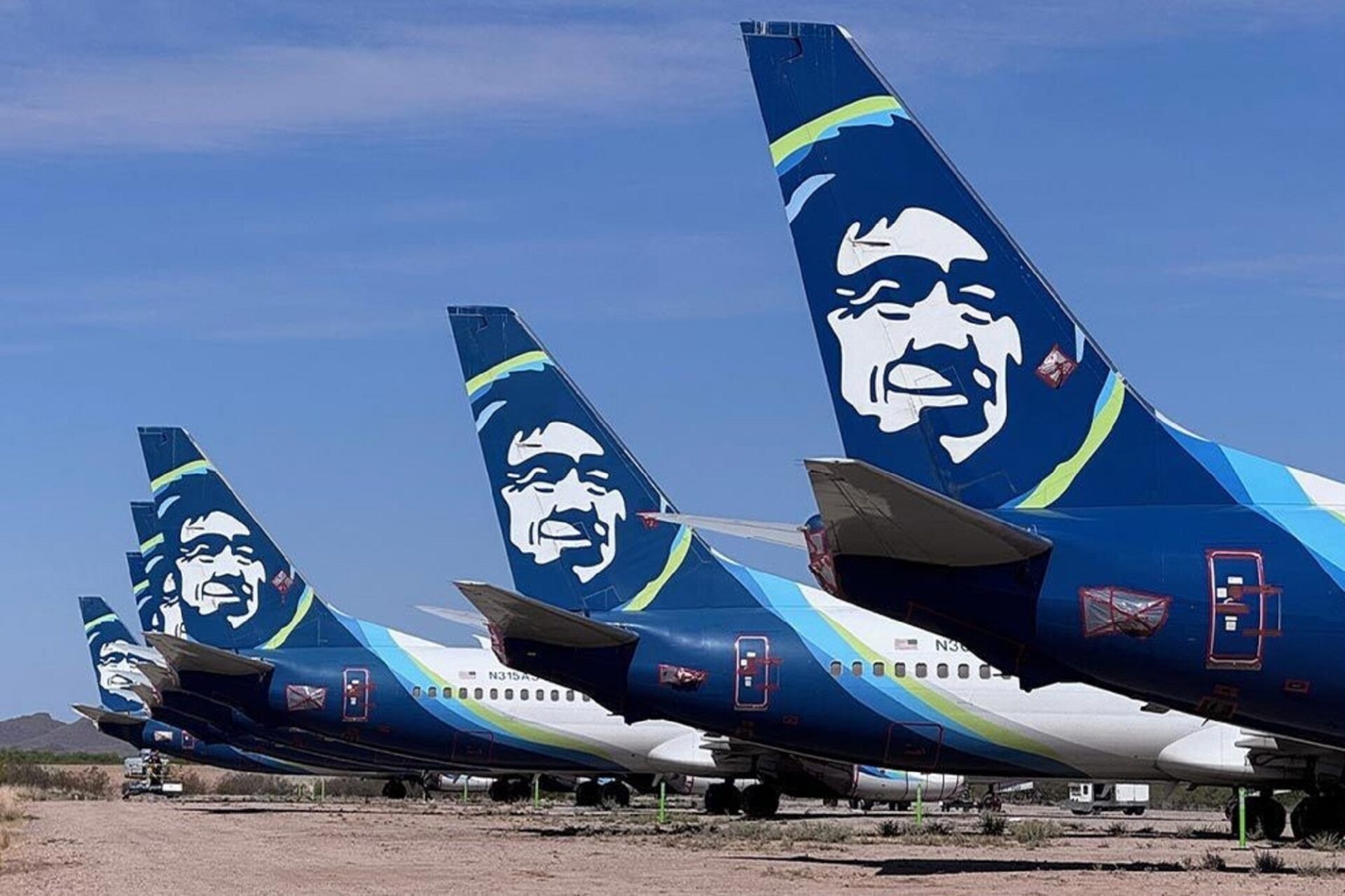
Alaska Airlines has a strong loyal customer base, particularly for West Coast travel and routes to Alaska and Hawaii. Expanding to Savannah would require them to either tap into this existing loyalty for cross-country travel or attract new customers in a highly competitive market. The travel patterns of potential Savannah passengers, including their preferences for direct flights versus connecting services and willingness to pay, heavily influence an airline’s decision-making process.
The Specifics of Savannah/Hilton Head International Airport (SAV)
Every airport presents a unique set of operational considerations that can influence an airline’s decision to serve it.
Existing Airline Presence and Route Offerings
Savannah/Hilton Head International Airport (SAV) is well-served by a diverse group of carriers offering connections to major hubs and some point-to-point leisure destinations. Travelers from the West Coast can typically find convenient connecting flights through hubs like Atlanta, Charlotte, Chicago, or Dallas/Fort Worth. The current array of services largely meets the existing demand, potentially reducing the urgency or viability for a new entrant like Alaska Airlines to establish a direct presence.
For Alaska Airlines, offering service to Savannah would mean competing directly with these established flights, potentially cannibalizing existing interline or codeshare revenue from their partners that already connect passengers to SAV.
Passenger Volume and Growth Potential
While Savannah is a popular tourist destination and a growing region, the overall passenger volume at SAV might not currently meet the threshold for a non-stop, long-haul route from a primary Alaska Airlines hub. Airlines typically look for markets with consistent, year-round demand that can fill an aircraft of a certain size multiple times a week or daily.
Regional growth, increasing tourism, and industrial expansion in the Savannah area are positive indicators, but they need to translate into sufficient origin and destination traffic that specifically aligns with Alaska Airlines’ network and strategic goals. The growth potential needs to be significant enough to justify the investment in a new route, which would compete with other potential expansion opportunities across their network.
Airport Infrastructure and Operational Considerations
SAV is a modern, efficient airport capable of handling a variety of aircraft. However, for any new airline, assessing gate availability, slot times (if applicable, though less critical at regional airports), ground handling capabilities, and other logistical factors is part of the route planning process. While these are unlikely to be prohibitive obstacles for Alaska Airlines at SAV, they are part of the broader equation of operational readiness and cost. Furthermore, staffing for maintenance and customer service at a remote station not easily supported by a nearby hub adds complexity.
Potential Future Prospects for Alaska Airlines in Savannah
Airline networks are dynamic, constantly adapting to market shifts, competitive moves, and technological advancements. While Alaska Airlines does not currently serve Savannah, this could change.
Alliance Partnerships and Codeshares
Alaska Airlines’ membership in the Oneworld alliance strengthens its global reach, including access to markets like Savannah through partner airlines such as American Airlines. Travelers desiring to fly Alaska Airlines from the West Coast to Savannah can often book itineraries that involve an Alaska Airlines flight to an American Airlines hub, followed by an American Airlines flight to SAV. This codesharing arrangement allows Alaska Airlines to effectively “serve” Savannah without the direct operational costs and risks of launching their own flight. For now, this indirect service likely satisfies a portion of the demand, making a direct route less urgent.
Evolving Market Conditions and Expansion Opportunities
Should Savannah’s population or tourism numbers experience a significant surge, or if business demand from key West Coast industries to Savannah increases dramatically, Alaska Airlines would undoubtedly re-evaluate the market. Changes in competitor service levels, such as a reduction in flights or withdrawal of a major carrier, could also create an opening.
Furthermore, as Alaska Airlines continues to grow and potentially expand its fleet with longer-range, more fuel-efficient aircraft, the feasibility of transcontinental routes to secondary markets like Savannah might improve. Their strategic focus could also shift to place a greater emphasis on East Coast leisure destinations.

Direct Demand from Savannah Travelers
Another factor is the potential for Savannah residents to desire direct access to Alaska Airlines’ West Coast network, particularly to hubs like Seattle or Portland for business or leisure. Airlines often consider requests and surveys from local communities and airport authorities. If a compelling case for a new direct service can be made, demonstrating strong, untapped demand that aligns with Alaska Airlines’ network, a future route could certainly materialize.
In conclusion, the absence of Alaska Airlines service to Savannah, Georgia is a reflection of a meticulously calculated network strategy rather than an oversight. It stems from the airline’s geographic focus, the existing competitive landscape, the cost-benefit analysis of long-haul routes to secondary markets, and the effectiveness of current alliance partnerships in serving this charming Southern city. However, the dynamic nature of air travel means that what is true today may not hold true tomorrow, as markets evolve and airlines adjust their strategies to meet future demands.
LifeOutOfTheBox is a participant in the Amazon Services LLC Associates Program, an affiliate advertising program designed to provide a means for sites to earn advertising fees by advertising and linking to Amazon.com. Amazon, the Amazon logo, AmazonSupply, and the AmazonSupply logo are trademarks of Amazon.com, Inc. or its affiliates. As an Amazon Associate we earn affiliate commissions from qualifying purchases.