
For many visitors planning a trip to the Grand Canyon State, one of the most intriguing peculiarities is its steadfast refusal to observe Daylight Savings Time (DST). While much of the United States springs forward and falls back, Arizona stands firm, maintaining a consistent clock throughout the year. This unique approach to timekeeping is more than just a quirky fact; it’s a deeply rooted decision influenced by the state’s extreme climate, historical context, and even certain cultural considerations, all of which have significant implications for tourism. Understanding why Arizona operates on its own temporal rhythm is crucial for anyone looking to fully experience its vibrant culture, breathtaking landscapes, and diverse activities without a hitch. This guide delves into the fascinating reasons behind Arizona’s DST exemption, offering essential insights for travelers and those curious about this desert anomaly.
A Unique Time Zone: What Visitors Need to Know
When you arrive in Arizona, particularly between March and November, you might notice a time difference compared to neighboring states that is not immediately apparent on a standard time zone map. This is due to Arizona’s consistent adherence to Mountain Standard Time (MST) year-round. It’s a detail that, while seemingly minor, can significantly impact travel plans, scheduled activities, and even simple daily interactions.
Understanding Arizona’s Time Anomaly
From late autumn through early spring, Arizona aligns perfectly with Mountain Standard Time, which is UTC-7. However, when the rest of the Mountain Time Zone (like parts of Colorado, Utah, and New Mexico) shifts to Mountain Daylight Time (MDT, UTC-6) in March, Arizona remains on MST. This means that for roughly eight months of the year, Arizona’s clocks effectively match those in the Pacific Daylight Time (PDT) zone (e.g., California and Nevada). This can be a source of confusion for first-time visitors or those not accustomed to such a regional variation. The state essentially “switches” its effective time zone relative to its neighbors without actually changing its own clocks.
Practical Implications for Tourists
For anyone planning to visit Arizona, understanding this time anomaly is paramount. It impacts flight schedules, hotel check-in times, tour bookings, and even coordinating with friends or family in other states. For instance, if you’re flying into Phoenix from Denver during the summer, you’ll actually gain an hour upon arrival, even though both cities are typically in the Mountain Time Zone. Conversely, coordinating a phone call with someone in New York means remembering a three-hour difference in winter but only a two-hour difference in summer. Many online booking systems and personal devices automatically adjust, but double-checking all itineraries and confirming times directly with local businesses or tour operators is always a wise precaution. Missing a sunrise hot air balloon ride or a Grand Canyon tour due to a time zone mix-up would be a memorable, albeit frustrating, experience.
The Historical Roots of Arizona’s DST Exemption
Arizona’s decision to opt out of Daylight Savings Time wasn’t an arbitrary choice but rather a considered legislative action with a specific historical context. This history provides crucial insight into the state’s unique approach and why it continues to be maintained.
The Uniform Time Act of 1966 and State Opt-Outs
The Uniform Time Act of 1966 standardized the observance of Daylight Savings Time across the United States, mandating its start and end dates. However, the Act included a provision allowing states to opt out of DST, provided they did so for the entire state. Arizona, along with Hawaii and certain US territories, chose to exercise this option. While Hawaii’s decision is largely due to its close proximity to the equator, making the seasonal daylight shift negligible, Arizona’s reasons were more complex and tied directly to its unique environment.
Early Experiments and Public Opinion
Before its permanent opt-out, Arizona did experiment with Daylight Savings Time. During World War II, like many other states, it observed “War Time” to conserve resources. After the war, DST was largely abandoned at the state level. When the Uniform Time Act was passed in 1966, Arizona initially tried to observe DST in 1967. However, the experience was met with significant public opposition and practical difficulties, particularly in the state’s hotter regions like Phoenix and Tucson. Within a year, the state legislature repealed its observance of DST, opting instead for permanent Mountain Standard Time. This quick reversal underscored the deep-seated local reasons that made DST impractical and unpopular in the desert landscape.
Climate and Lifestyle: The Core Reasons
The primary drivers behind Arizona’s decision to eschew Daylight Savings Time are inextricably linked to its extreme desert climate and the lifestyle it necessitates. Unlike regions that benefit from extending daylight into the evening, Arizona found that doing so brought more drawbacks than advantages.
Adapting to Arizona’s Extreme Heat
The most significant factor influencing Arizona’s timekeeping is its scorching summer heat. During the peak summer months, temperatures routinely soar above 100°F (38°C), often remaining dangerously high well into the evening. The concept behind Daylight Savings Time is to shift an hour of daylight from the morning to the evening, theoretically providing more usable daylight hours after work or school for outdoor activities.

However, in Arizona, an extra hour of daylight in the evening during summer simply means an extra hour of intense, oppressive heat. People want to avoid the sun’s most powerful rays, not extend their exposure to them. Outdoor activities, sports, and even simple errands are often shifted to the early morning or late evening hours to escape the midday inferno. Keeping the clock on Mountain Standard Time means that the sun sets an hour earlier than it would with DST, allowing temperatures to begin cooling down sooner. This creates a more comfortable environment for evening activities, family dinners, and enjoying the cooler desert air, aligning better with the natural rhythms dictated by the intense climate.
Energy Conservation and Daily Rhythms
While DST was originally conceived, in part, as an energy-saving measure, its application in Arizona would likely have the opposite effect. Shifting an hour of daylight to the evening would mean more hours of intense sunlight at a time when air conditioning systems would need to work harder and longer to cool homes and businesses. Residents would be more inclined to blast their AC units deeper into the evening to combat the extended heat, potentially increasing energy consumption rather than decreasing it.
Furthermore, the fixed time promotes a consistent daily rhythm that Arizonans have adapted to over decades. Children waiting for school buses, workers commuting, and businesses operating hours all benefit from not having to adjust twice a year. This stability contributes to the state’s unique lifestyle, where days begin early to maximize cooler morning hours and evenings are spent enjoying the desert after the heat has begun to dissipate. For tourists, this means that cultural activities, outdoor adventures, and dining experiences are naturally timed to make the most of the cooler parts of the day, reflecting a deep adaptation to the environment.
The Navajo Nation Exception: A Cultural Nuance
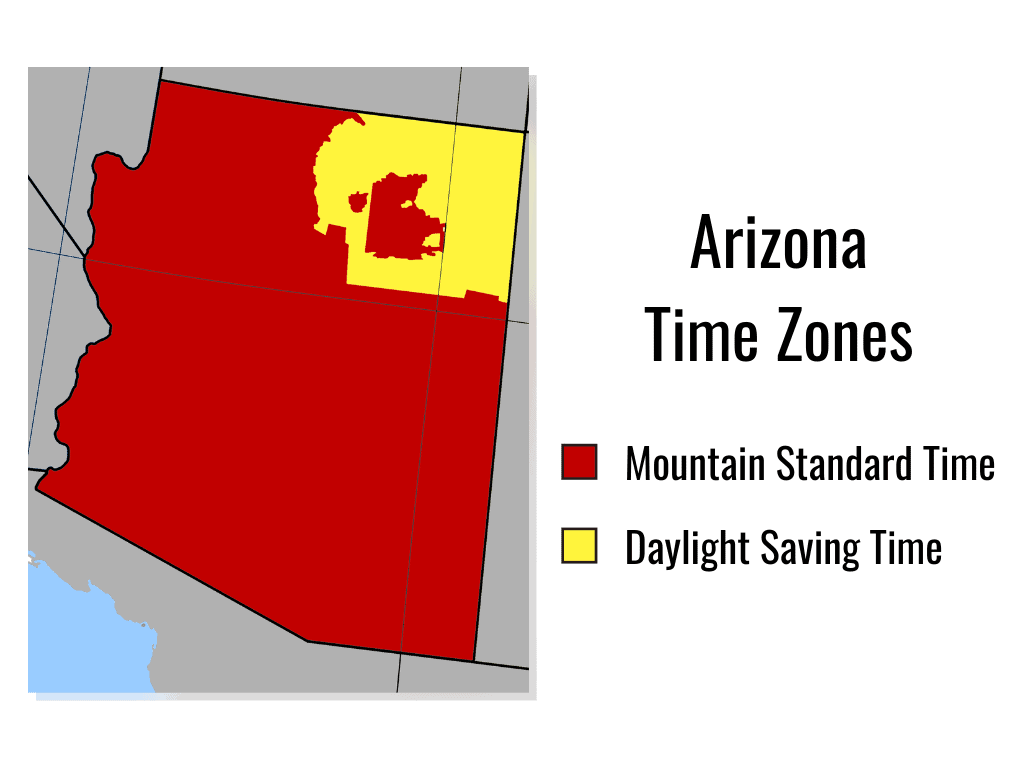
While Arizona as a state does not observe Daylight Savings Time, there is one significant exception that adds another layer of complexity for visitors: the Navajo Nation. This autonomous entity, largely located within the northeastern part of Arizona, follows its own rules, aligning with its tribal lands that extend into New Mexico and Utah, both of which observe DST.
The Unique Situation of the Navajo Nation within Arizona
The Navajo Nation is the largest Native American reservation in the United States, spanning an area comparable to the state of West Virginia. Its decision to observe Daylight Savings Time is primarily driven by practical and administrative reasons. Because the Navajo Nation extends into states that do observe DST, maintaining a consistent time across its vast territory simplifies governance, commerce, and communication for its residents and tribal government. This means that from March to November, the Navajo Nation is one hour ahead of the rest of Arizona.
Navigating Time Zones within the State
This creates a peculiar situation where travelers within Arizona can cross a time zone boundary without leaving the state. For example, if you’re visiting the stunning landscapes of Monument Valley, which lies within the Navajo Nation, you’ll need to set your clock forward an hour during the summer months compared to if you were in Page, just outside the reservation. To further complicate matters, the Hopi Reservation, which is entirely encircled by the Navajo Nation within Arizona, does not observe Daylight Savings Time, following the rest of Arizona. This means a person driving through this region could potentially change time zones three times in a relatively short distance: Arizona (MST) -> Navajo Nation (MDT) -> Hopi Reservation (MST) -> Navajo Nation (MDT) -> Arizona (MST).
For tourists venturing into these areas, particular attention must be paid to scheduled tours, museum hours, and even restaurant reservations. Always confirm the local time with the specific establishment or attraction you plan to visit, especially when crossing into or out of the Navajo Nation. This cultural nuance adds a layer of depth to understanding Arizona’s unique temporal landscape and highlights the importance of respecting diverse local customs and governance.
Planning Your Trip: Arizona Time in Practice
Armed with the knowledge of Arizona’s unique time zone situation, you’re better prepared to plan a seamless and enjoyable visit. While it might seem daunting at first, a few simple strategies will ensure you navigate the state’s time without a hitch.
Flights, Meetings, and Appointments
The most critical aspect for travelers is understanding how Arizona’s fixed Mountain Standard Time affects schedules. When booking flights, particularly those arriving or departing during the DST period (spring to autumn), airline tickets will typically display local times. However, if you’re communicating with someone in another state, be mindful of the one-hour shift. For example, a 9:00 AM meeting in Phoenix in July would be 9:00 AM Pacific Daylight Time (e.g., in Los Angeles), but 10:00 AM Mountain Daylight Time (e.g., in Denver) and 12:00 PM Eastern Daylight Time (e.g., in New York City). Double-check all appointment confirmations, rental car pick-up times, and tour start times against the local Arizona clock. Most modern smartphones and devices automatically adjust to local time based on GPS, which is immensely helpful, but manual verification is always recommended.
Seasonal Adjustments and Staying Informed
For those planning to experience Arizona’s outdoor attractions, the fixed time means earlier sunrises and sunsets during the summer months compared to states observing DST. This is particularly beneficial for hikers, photographers, and adventurers looking to explore the desert landscapes before the intense midday heat sets in. Conversely, it allows for earlier sunset viewing opportunities, which are a hallmark of the Arizona experience, painting the sky with incredible hues. Embrace the natural rhythm of the state by planning your most strenuous activities for the early morning.
Always keep abreast of the current date and whether other states have transitioned to or from Daylight Savings Time. Most importantly, when traveling within the northeastern part of Arizona, specifically within the boundaries of the Navajo Nation, remember to adjust your clock an hour forward during the DST period. Local signage, conversations with locals, and visitor center information can all provide real-time guidance. By understanding and respecting Arizona’s unique approach to time, you can ensure your visit is smooth, enjoyable, and perfectly timed to the local pace of life.
LifeOutOfTheBox is a participant in the Amazon Services LLC Associates Program, an affiliate advertising program designed to provide a means for sites to earn advertising fees by advertising and linking to Amazon.com. Amazon, the Amazon logo, AmazonSupply, and the AmazonSupply logo are trademarks of Amazon.com, Inc. or its affiliates. As an Amazon Associate we earn affiliate commissions from qualifying purchases.