
California, a state renowned for its stunning natural beauty and iconic landmarks, from the towering redwood forests to the sun-drenched beaches of Southern California, finds itself grappling with an increasingly complex relationship with wildfire. While the state’s tourism thrives on its natural landscapes, the escalating frequency and intensity of wildfires pose a significant threat. This has led many to question why a seemingly logical and widely practiced land management tool, controlled burning, isn’t more extensively utilized here. The answer is a multifaceted one, intertwined with regulatory hurdles, historical practices, environmental concerns, and a deeply entrenched public perception shaped by decades of wildfire suppression.

The Paradox of Wildfire and Tourism
California’s allure as a tourist destination is intrinsically linked to its diverse ecosystems. Visitors flock to experience the majestic Yosemite National Park, hike through the rugged beauty of the Sierra Nevada mountains, or explore the unique flora and fauna of the Mojave Desert. These natural wonders, however, are also highly susceptible to fire. In recent years, devastating wildfires, such as the Camp Fire and the Dixie Fire, have not only destroyed communities and natural habitats but also significantly impacted tourism. Smoke plumes have led to air quality advisories, deterring visitors and canceling events. The long-term damage to landscapes can take years, even decades, to recover, affecting the very appeal that draws people to the state.
The Role of Fuel Load
A primary driver behind the need for controlled burns is the accumulation of fuel – dead vegetation, dry brush, and overgrown forests – which acts as a supercharger for wildfires. Decades of aggressive fire suppression policies, designed to protect human life and property, have inadvertently created a tinderbox in many of California’s wildlands. In a natural ecosystem, fire plays a crucial role in clearing out this undergrowth, rejuvenating plant life, and reducing the potential for catastrophic blazes.
Economic Impact on Tourism
The economic impact of uncontrolled wildfires on California’s tourism sector is substantial. Beyond the immediate disruption caused by fires and smoke, there are long-term consequences. Damage to infrastructure, such as campgrounds, hiking trails, and scenic overlooks, requires significant investment and time for repair. The perceived risk of wildfires can also deter future bookings, even in areas unaffected by the blazes. This uncertainty can lead to a decline in revenue for hotels, restaurants, and local businesses that rely heavily on the influx of tourists.
Regulatory and Political Hurdles
Despite the ecological and economic arguments for controlled burning, California faces a complex web of regulatory and political challenges that hinder its widespread implementation. These hurdles are not merely bureaucratic; they reflect a deeper societal apprehension surrounding the use of fire as a management tool.
Air Quality Regulations
One of the most significant obstacles is the stringent air quality regulation in California, enforced by agencies like the California Air Resources Board (CARB). Controlled burns, by their very nature, produce smoke. While the intention is to release smoke under conditions that minimize public health impacts, the reality is that smoke can travel considerable distances, affecting air quality in populated areas, including major cities like Los Angeles and San Francisco. The potential for non-compliance with federal and state air quality standards creates a significant disincentive for land managers.
Permitting Processes
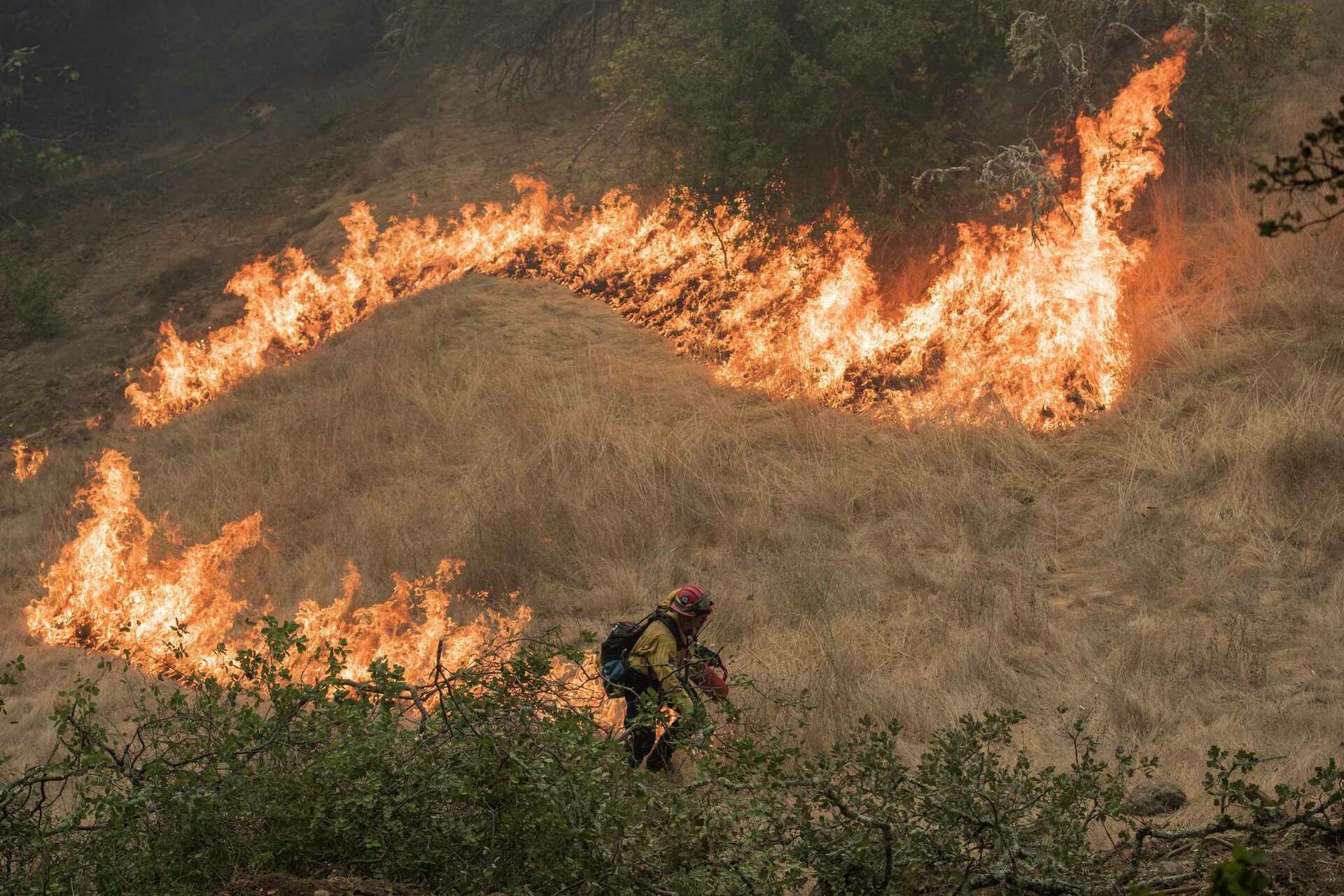
Obtaining permits for controlled burns is a laborious and time-consuming process. It involves coordinating with multiple agencies, including CAL FIRE, local air districts, and sometimes federal entities. Each permit application requires detailed planning, consideration of weather conditions, and contingency measures. This bureaucratic complexity often makes it more practical, albeit less ecologically sound, to delay or forgo prescribed burning altogether.
Public Perception and Liability
A deep-seated fear of fire, amplified by tragic wildfire events and the resulting media coverage, contributes to public opposition. Many residents associate fire with destruction and danger, making them resistant to prescribed burns in their vicinity. This apprehension is often coupled with concerns about liability. If a controlled burn escapes its intended boundaries and causes damage, land managers and the agencies involved can face significant legal and financial repercussions. This risk aversion plays a crucial role in the cautious approach taken by California officials.
Innovative Approaches and Future Directions
While the challenges are significant, there is a growing recognition within California of the necessity of embracing more proactive fire management strategies, including controlled burns. Efforts are underway to find innovative solutions and navigate the existing complexities.
Prescribed Fire Training and Education
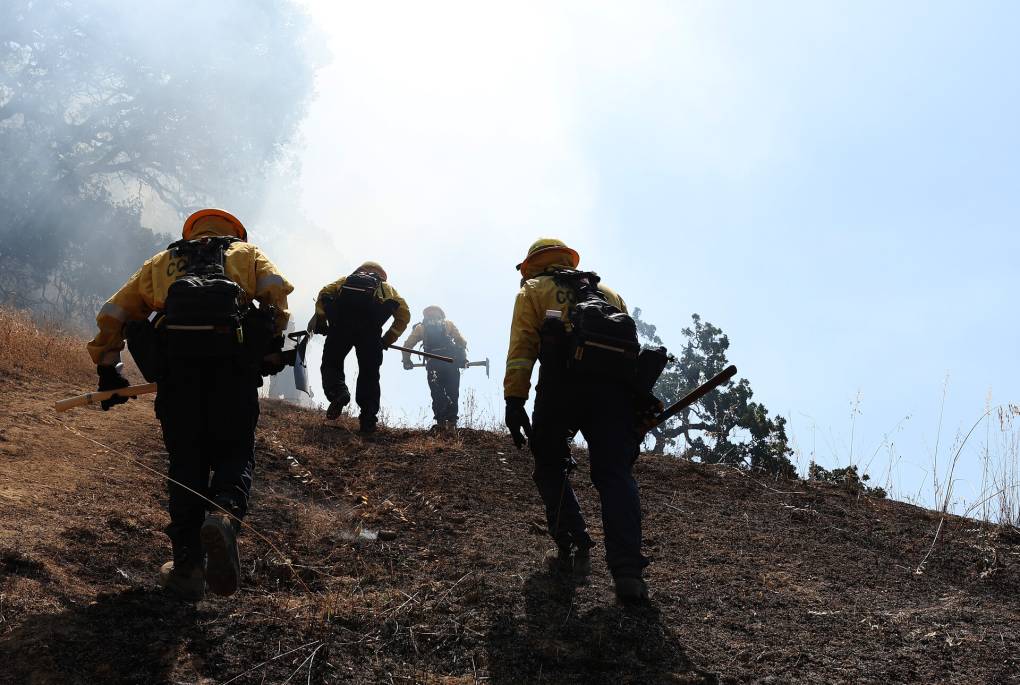
CAL FIRE and other state agencies are investing in training programs to equip more personnel with the skills and knowledge to safely and effectively conduct prescribed burns. This includes developing advanced techniques for managing smoke, understanding fuel types, and responding to changing weather patterns. Educating the public about the benefits of controlled burns and the ecological role of fire is also a crucial component of shifting public perception.
Collaboration and Partnerships
Successful controlled burning often requires collaboration between various stakeholders. This includes partnerships between state agencies like CAL FIRE and the California Department of Parks and Recreation, federal agencies such as the U.S. Forest Service and the National Park Service, and private landowners. These collaborations can pool resources, share expertise, and streamline the permitting process.
Policy Reforms and Incentives
There is a growing movement advocating for policy reforms that would simplify the permitting process for controlled burns and provide incentives for their implementation. This could include creating more flexible air quality regulations for prescribed fires under specific conditions or offering financial assistance to landowners who undertake fuel reduction projects. The aim is to create an environment where controlled burning is not just permitted but actively encouraged as a vital land management tool.
Adapting to a Changing Climate
California’s climate is undeniably changing, with warmer temperatures and drier conditions exacerbating wildfire risk. Ignoring the role of fire in ecosystem health is no longer a sustainable option. By strategically employing controlled burns, California can work towards restoring a more natural fire regime, reducing the likelihood of catastrophic wildfires, and ultimately protecting its invaluable natural landscapes that are so vital to its identity and its tourism industry. This includes preserving iconic natural wonders like Death Valley National Park and the vibrant ecosystems of Joshua Tree National Park for future generations of visitors to enjoy.
LifeOutOfTheBox is a participant in the Amazon Services LLC Associates Program, an affiliate advertising program designed to provide a means for sites to earn advertising fees by advertising and linking to Amazon.com. Amazon, the Amazon logo, AmazonSupply, and the AmazonSupply logo are trademarks of Amazon.com, Inc. or its affiliates. As an Amazon Associate we earn affiliate commissions from qualifying purchases.