
For many travelers and residents alike, the northeastern corner of the United States offers a pristine escape from the sweltering heat and urban pests that define life in more southern latitudes. Chief among the creature comforts of Maine is the curious, near-total absence of the common cockroach. While visitors to places like New York City or Florida might be accustomed to sharing their living spaces with these resilient insects, the Pine Tree State maintains a reputation as a cockroach-free sanctuary. This phenomenon is not merely a piece of local folklore but a fascinating intersection of biology, climate, and geography.

The Climatic Barrier: Cold as a Deterrent
At the heart of the “no-roach” myth—which is largely a reality for most of the state—lies the punishing climate of northern New England. Cockroaches, particularly the German cockroach and the American cockroach, are ectothermic creatures. They rely on external heat sources to regulate their body temperature and drive their metabolic processes.
Surviving the Sub-Zero Winters
Maine is defined by its long, frigid winters, where temperatures frequently plummet well below freezing for extended periods. Unlike other insects that possess natural antifreeze compounds or the ability to enter a dormant state known as diapause to survive deep freezes, common cockroach species are not evolutionary equipped for sub-zero endurance. If an uninsulated structure in Bangor or Bar Harbor experiences a deep freeze, the internal temperature of a typical home often drops low enough to kill these insects, preventing them from establishing a permanent foothold in the environment.
The Myth of Total Immunity
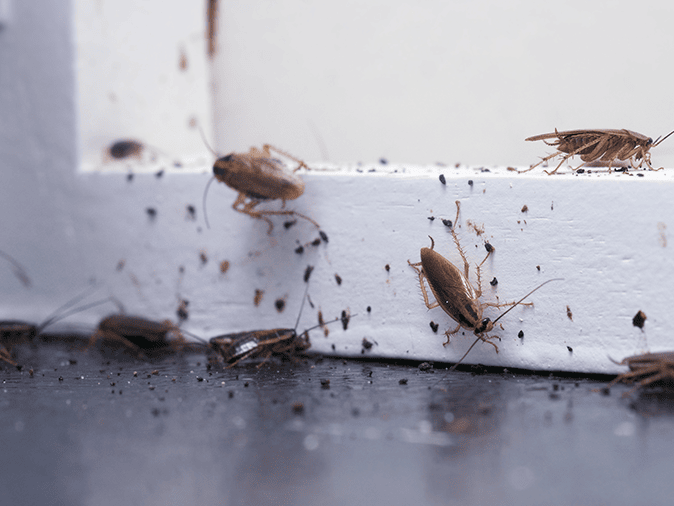
It is important to clarify that “no cockroaches” does not mean “zero insects.” While common household varieties find the state inhospitable, entomologists acknowledge that isolated infestations can and do occur, particularly in heavily populated areas like Portland. These are rarely the result of a roaming colony migrating from the wild; rather, they are “hitchhikers.” Cockroaches are master travelers, frequently arriving in Maine inside cardboard boxes, luggage, or freight shipments coming from warmer states. However, in the vast majority of cases, these individuals fail to form a breeding population because they cannot survive the transition from a climate-controlled delivery truck to the drafty, frigid reality of a typical Maine basement.
Geography and Human Influence
The landscape of Maine plays an equally vital role in keeping these pests at bay. The state’s unique geography creates a series of natural and human-made barriers that prevent the expansion of pest populations.
The Urban-Rural Disconnect
Unlike states with sprawling, connected metropolitan areas, Maine is defined by its sparse population and disconnected municipalities. Cockroaches thrive in densely packed urban environments where they can easily move between buildings via plumbing, electrical conduits, and shared walls. The architectural makeup of Maine, consisting largely of detached homes, smaller coastal villages like Kennebunkport, and wide tracts of forested wilderness, provides few “highways” for these insects to migrate. Without a constant flow of human infrastructure to bridge the gaps between communities, a single isolated infestation is much less likely to spread to neighboring structures.

The Efficiency of Modern Insulation
In recent years, the push for energy efficiency in northern construction has inadvertently contributed to the state’s pest-resistant reputation. Modern building codes in Maine prioritize airtight envelopes to combat the cold. While these seals are designed to keep the warmth in, they also effectively seal out opportunistic invaders. When a structure is properly weather-stripped and insulated, it creates a formidable physical barrier against the outside world. Because the external environment in Augusta or Lewiston is so hostile to cockroach survival, the insect simply cannot wait for an opening; they effectively perish before they can find a way into a well-maintained home.
The Ecological Context: Biodiversity in the North
When travelers venture into the great outdoors of Acadia National Park, they are entering an ecosystem that is balanced in a way that naturally excludes many household pests. The high biodiversity of native insect species in Maine helps regulate the presence of invasive, non-native pests.
Native Competitors and Predators
The rich forests and rocky coastlines of the state are home to a diverse array of beetles, ants, and spiders that occupy the niches that cockroaches might otherwise exploit in warmer climates. In the damp leaf litter of the Appalachian Mountains or the deep woods of the North Woods, native decomposers are already doing the heavy lifting of breaking down organic matter. This creates a competitive ecological landscape. An invasive species like the cockroach, which is accustomed to the niche-poor environments of urban centers, finds itself out-competed and out-hunted by local wildlife that has evolved specifically for this climate.
Why Coastal Humidity Doesn’t Help Them
A common misconception is that because Maine has a long, humid coastline along the Atlantic Ocean, it should be a perfect breeding ground for cockroaches. While it is true that these insects love moisture, the humidity in Maine is inextricably linked to low ambient temperatures for most of the year. Moisture at 75 degrees Fahrenheit is a paradise for a cockroach; moisture at 35 degrees Fahrenheit is a death sentence. The cold-damp combination found throughout the Gulf of Maine region acts as a preservative for the landscape, preventing the rapid decay and warmth-seeking insect activity seen in places like the Deep South.
Travel Tips for the Conscious Visitor
For travelers looking to explore Maine without the anxiety of pest-ridden accommodations, the state offers a high standard of living. However, because the threat is almost entirely anthropocentric—meaning it comes from human transport—there are still simple precautions to take, regardless of the destination.
Choosing Accommodations
Most hotels, inns, and bed-and-breakfasts in Portland or Camden maintain impeccable standards. Because Maine does not have a native population of these insects to contend with, property managers generally treat any sighting as a severe anomaly, often leading to immediate and effective pest control intervention. When booking a stay, guests are encouraged to check recent reviews for any property, as local tourism boards and business owners take great pride in maintaining the “clean” image of the state.
Practical Prevention
If you are driving to Maine from a region where cockroaches are common, the best practice is to inspect your luggage before entering your hotel or rental. Ensure that your cardboard boxes are not sitting in your vehicle for extended periods, especially if they have been stored in a garage or basement in your home state. By keeping your gear clean and sealed, you ensure that Maine remains the cockroach-free paradise that residents and visitors have come to cherish. Ultimately, the state remains one of the few places in the country where you can focus entirely on the beauty of the Coastline and the serenity of the woods without giving a second thought to unwelcome household guests.
LifeOutOfTheBox is a participant in the Amazon Services LLC Associates Program, an affiliate advertising program designed to provide a means for sites to earn advertising fees by advertising and linking to Amazon.com. Amazon, the Amazon logo, AmazonSupply, and the AmazonSupply logo are trademarks of Amazon.com, Inc. or its affiliates. As an Amazon Associate we earn affiliate commissions from qualifying purchases.