
When travelers touch down in Hawaii, they are immediately struck by the unique serenity of the islands. From the lush rainforests of Kauai to the volcanic craters of The Big Island, the ecosystem is a delicate masterpiece of evolution. However, visitors often notice something missing from the local fauna: the Opossum. While these marsupials are a common sight across the United States, they are strictly prohibited in Hawaii. Understanding why requires a deep dive into the fragile tourism and ecological landscape that defines the Pacific Ocean archipelago.
The Ecological Fragility of the Hawaiian Islands
Hawaii is famously known as the “extinction capital of the world.” Because the islands are the most geographically isolated landmasses on the planet, native species evolved in the absence of mammalian predators. This isolation created a specialized environment where birds, insects, and plants thrived without the need for sophisticated defenses.
Evolution in Isolation
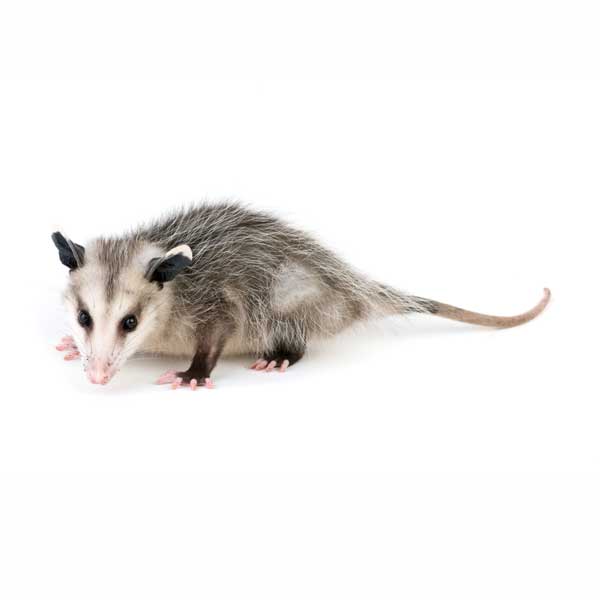
For millions of years, creatures like the Nene goose evolved to nest on the ground because there were no land-based mammals to hunt them. When humans introduced invasive species, the results were catastrophic. The introduction of animals like rats, cats, and mongoose has already devastated local populations. The Opossum, being an opportunistic omnivore with a high reproductive rate, would be an ecological wrecking ball if introduced to the islands of Oahu or Maui.
The Threat to Native Agriculture
Beyond the wild, the Hawaii economy is heavily reliant on agriculture. Crops such as Kona Coffee, pineapple, and macadamia nuts form the backbone of the local food industry. Opossums are notorious for their adaptability; they consume everything from fruits and garden vegetables to bird eggs and small reptiles. The potential for these marsupials to decimate agricultural yields would impose an unbearable financial burden on local farmers and could lead to the loss of precious heirloom crops.
Biosecurity and the Role of Tourism

Tourism is the lifeblood of Hawaii. Thousands of visitors arrive daily at Daniel K. Inouye International Airport, and with that influx of humanity comes the constant threat of invasive hitchhikers. The state maintains some of the strictest biosecurity laws in the world to ensure that the unique character of places like Waikiki or North Shore remains untainted.
The “No-Pet” Policy for Exotic Animals
The Hawaii Department of Agriculture maintains a rigid “prohibited list.” Many animals common on the mainland, including snakes, hamsters, gerbils, and indeed opossums, are banned from importation. The logic is simple: preventing the introduction of a new species is infinitely more cost-effective than attempting to eradicate it once it has established a breeding population. The state government recognizes that if an Opossum were to escape into the wild, it could quickly colonize the dense tropical foliage of the Hana Rainforest, making removal efforts virtually impossible.
Protecting the Visitor Experience
For the average visitor staying at a resort in Ka’anapali or Wailea, the thought of an Opossum might seem trivial, but the preservation of the landscape is a direct benefit to the tourist experience. Part of the allure of traveling to Hawaii is the experience of bird-watching or hiking through pristine trails where the sounds are strictly limited to the wind, the sea, and native bird calls. An invasive predator would disrupt this tranquil harmony, potentially leading to the loss of iconic sounds and sights that define the Hawaiian vacation.
Lessons from the Mongoose
The primary reason Hawaii is so vigilant against the Opossum is the historical scar left by the Small Indian Mongoose. In the 19th century, sugar plantation owners made the disastrous decision to introduce the mongoose to control rat populations. They failed to realize that rats are largely nocturnal, while the mongoose is diurnal.
The Mongoose Legacy
Instead of controlling the pests, the Small Indian Mongoose turned its attention to the eggs of ground-nesting birds, pushing several species toward extinction. This historical blunder is the foundation of modern Hawaiian biosecurity. Residents of Hilo and Kailua-Kona still see the results of this mistake today. The lesson learned is that humans cannot easily predict how an alien species will behave in a novel environment. Consequently, the Hawaii Department of Agriculture operates under a precautionary principle: if there is even a remote risk that an animal could harm the ecosystem, it is not allowed entry.

Future-Proofing the Islands
As the popularity of Hawaii continues to grow, so does the risk of accidental introductions. Tourists, residents, and businesses must work in concert to uphold these strict regulations. Whether you are exploring the historical sites of Pearl Harbor or relaxing on the sands of Lanikai Beach, understanding the absence of species like the Opossum fosters a deeper appreciation for the conservation work required to keep these islands special.
By keeping the Opossum at bay, Hawaii ensures that its unique biodiversity remains intact for generations to come. It is a quiet success story of environmental policy, one that allows the islands to maintain their status as a breathtaking Pacific Ocean paradise. When you visit, remember that the silence of the night in a place like Haleakala National Park is preserved by the strict, often misunderstood laws that protect the land from outside threats. Ultimately, the Opossum does not belong in Hawaii because the island’s evolutionary history has already written a complete, intricate story—one that does not have room for an invasive newcomer to rewrite the ending.
LifeOutOfTheBox is a participant in the Amazon Services LLC Associates Program, an affiliate advertising program designed to provide a means for sites to earn advertising fees by advertising and linking to Amazon.com. Amazon, the Amazon logo, AmazonSupply, and the AmazonSupply logo are trademarks of Amazon.com, Inc. or its affiliates. As an Amazon Associate we earn affiliate commissions from qualifying purchases.