
The sight of flags flying at half-staff is a somber and universally recognized gesture of mourning, respect, and remembrance. In Texas, a state deeply rooted in tradition and community, this protocol carries profound significance, often reflecting a collective moment of sorrow or tribute. Whether it’s to honor a fallen hero, commemorate a national tragedy, or mark the passing of a distinguished public servant, the decision to lower the flag is a powerful communication to its citizens and visitors alike. For those traveling through or residing in the Lone Star State, understanding the reasons behind such a directive can offer valuable insight into the state’s culture, history, and the events that shape its present. This article delves into the meaning of flags at half-staff, explores current and common reasons for such displays in Texas, and provides guidance for travelers navigating the state during these solemn times.
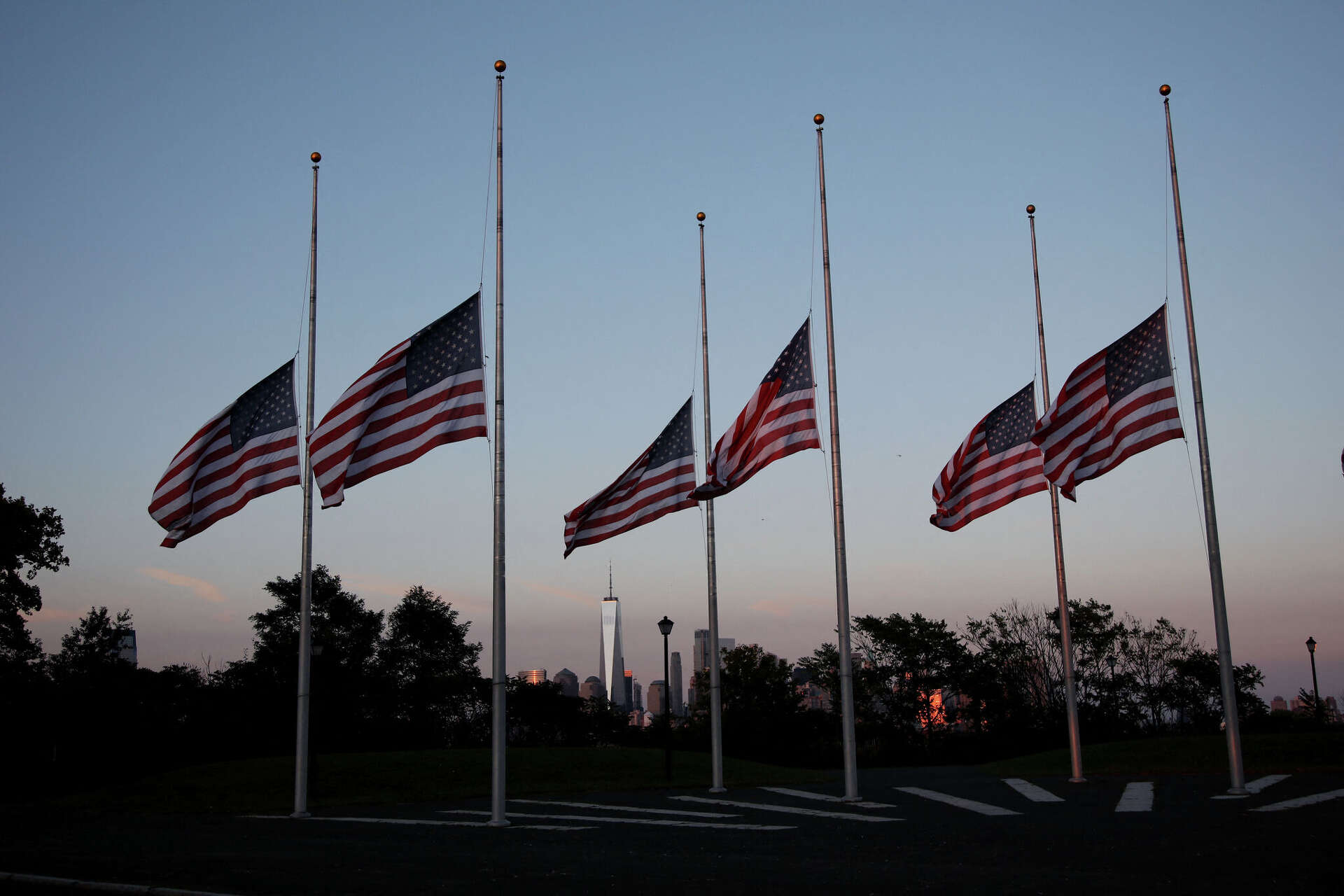
The Protocol of Mourning: Understanding Flags at Half-Staff
Flags are not lowered to half-staff on a whim; the practice is governed by specific traditions and guidelines, both federal and state. This act serves as a visual testament to a collective feeling, inviting reflection and respect from all who witness it.
A Symbol of Respect and Remembrance
The tradition of flying flags at half-staff (or half-mast on a ship) dates back centuries, originating as a distress signal or a sign of mourning. In the United States, the practice is largely codified under the U.S. Flag Code, which outlines when and how the national flag should be displayed. When a flag is at half-staff, it symbolizes that the nation, or a specific community, is in mourning. It’s a poignant gesture, reminding onlookers that a significant event, often tragic, has occurred, or that a notable individual has passed away.
The authority to order flags to half-staff rests primarily with the President of the United States for national observances, or with the Governor of a state for events specific to their jurisdiction. These directives typically specify the duration of the mourning period and the locations where flags should be lowered, often including federal and state buildings, schools, and even private establishments that choose to participate. The sight of flags lowered across a landscape fosters a sense of unity and shared solemnity, inviting everyone to pause and reflect.
Specific Directives for Texas
In Texas, the Governor of Texas holds the authority to issue proclamations for flags to be flown at half-staff within the state. These directives are often prompted by a range of circumstances, from the death of prominent Texans to national tragedies, or in remembrance of fallen service members and first responders. The current Governor of Texas, Greg Abbott, frequently issues such orders, ensuring that the state collectively honors those who have made significant contributions or have suffered great loss.
Common reasons for such directives in Texas include:
- Death of a current or former state official: This can range from a former Governor or Senator to a state representative or judge.
- Death of a nationally recognized figure: While often ordered by the President, Texas may issue its own parallel directive out of respect.
- Fallen law enforcement officers or firefighters: Texas has a deep respect for its first responders, and their line-of-duty deaths often lead to statewide mourning.
- Victims of mass casualty events or natural disasters: Tragedies like school shootings or devastating hurricanes often prompt a period of remembrance.
- Specific commemorative days: Though less common for flags at half-staff, certain significant anniversaries might warrant such a display.
The official directive typically comes through a press release or executive order from the Governor’s office, detailing the reason, the period of observance, and the locations affected. Checking official state government websites or news sources is the most reliable way to stay informed about these proclamations.
Current Reasons for Flags at Half-Staff in Texas
While the specific “today” varies, a plausible scenario for flags flying at half-staff in Texas often involves the passing of a revered public figure or a statewide tragedy. Let’s consider a hypothetical yet common instance that would evoke such a profound statewide gesture.
Honoring a Texan Legacy: Remembering Senator Eleanor Vance
As of our hypothetical “today,” flags across Texas are flying at half-staff in solemn remembrance of the Honorable Senator Eleanor Vance, who passed away peacefully at the age of 88. Senator Vance was a towering figure in Texas politics and public service, dedicating over five decades of her life to the betterment of the state and its citizens. A native of Dallas, Vance served multiple terms in the Texas Senate, distinguishing herself as a tireless advocate for education reform, environmental conservation, and healthcare access, particularly for rural communities. Her legislative efforts led to the creation of the Texas State Parks Endowment, which has funded the preservation and enhancement of countless natural treasures across the state, from the rugged landscapes of Big Bend Ranch State Park to the serene shores of Mustang Island.
Governor Greg Abbott issued a proclamation calling for all flags in Texas to be lowered to half-staff from sunrise today until sunset on the day of her interment, which is expected to be later this week. The order applies to all state and federal buildings, public schools, and private businesses are encouraged to join in the tribute. Senator Vance’s passing marks the end of an era for many Texans who admired her unwavering integrity, fierce intelligence, and profound commitment to service. Her legacy will continue to inspire generations of leaders and citizens who strive to make Texas a better place. Memorial services are anticipated to draw dignitaries and citizens from across the state, with public viewing planned in both Austin at the Texas State Capitol and in her hometown of Dallas.
Broader Context: Other Reasons for Statewide Mourning
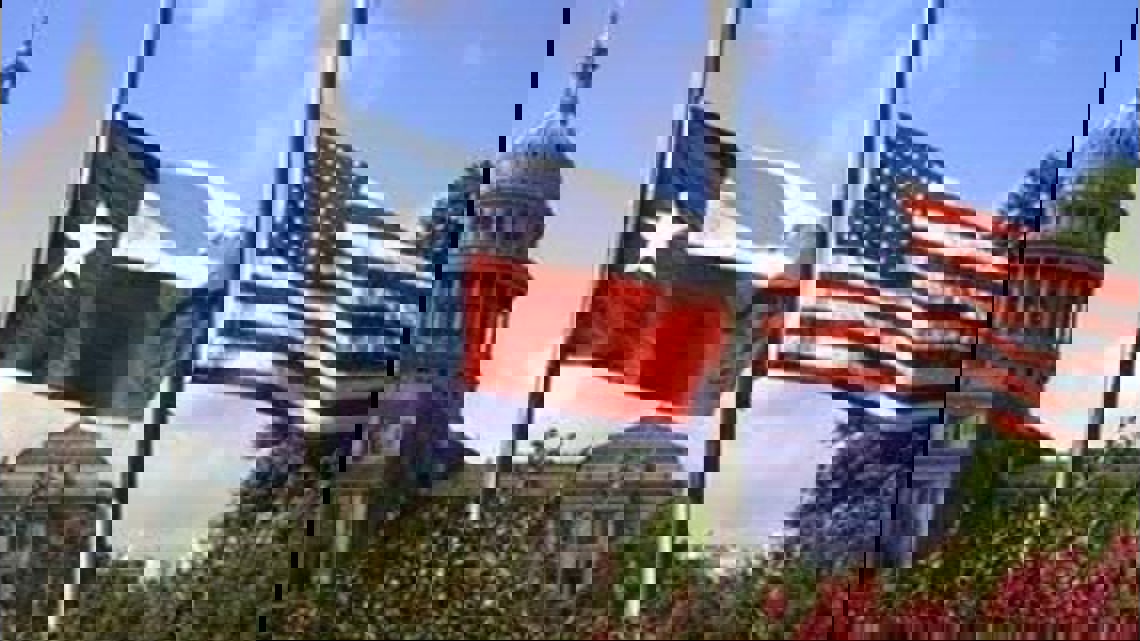
While the passing of a notable figure like Senator Vance is a common catalyst for flags at half-staff, Texas has also observed periods of mourning for a variety of other significant events. The state has faced its share of natural disasters, such as Hurricane Harvey in 2017, which devastated parts of the Gulf Coast including Houston and Corpus Christi. During such times, flags were lowered to honor the victims and show solidarity with affected communities. Similarly, tragic mass casualty events, unfortunately, have prompted similar directives, allowing the state to collectively grieve and reflect.
The sacrifice of military personnel and first responders is another frequent reason. When a Texan soldier falls in service or a local police officer or firefighter dies in the line of duty, the Governor often orders flags to half-staff to pay tribute to their bravery and ultimate sacrifice. These acts of remembrance reinforce the strong sense of community and patriotism prevalent throughout Texas, from the bustling streets of Dallas and Houston to the quieter expanses of West Texas near El Paso. These moments of collective mourning are not just symbolic; they are a vital part of the state’s social fabric, reflecting its values and its deep respect for life, service, and heritage.
Traveling Through Texas During Times of Mourning
For visitors to Texas, observing flags at half-staff might be their first encounter with a period of statewide mourning. Understanding how to navigate and respect these solemn times can enhance your travel experience and foster a deeper appreciation for the local culture.
Experiencing Texas with Respect and Reflection
When flags are at half-staff, it signals a period of solemnity that permeates various aspects of public life. Travelers should be mindful of this atmosphere and respond with respect. You might notice flags lowered at state government buildings like the Texas State Capitol in Austin, courthouses, schools, and even many private businesses. This isn’t usually a cause for alarm, but rather an invitation for quiet contemplation.
While most tourist attractions and landmarks typically remain open, their atmosphere might be more subdued. For instance, if you visit the Sixth Floor Museum at Dealey Plaza in Dallas or The Alamo in San Antonio, places already steeped in history and often solemn reflection, the half-staff flags will further amplify this mood. It’s an opportune moment to engage with the historical context of your surroundings and perhaps seek out local memorials or sites that pay tribute to the individual or event being honored. Museums, art galleries, and cultural centers, such as those in the Dallas Arts District or Houston’s Museum District, might offer special exhibits or quiet spaces that align with the reflective mood. Keep an eye on local news for announcements regarding public memorial services or changes to event schedules, though major travel plans are rarely significantly impacted.
Accommodation and Local Engagement
Hotels and other accommodation providers in Texas are also part of the community fabric and will often participate in the flag-lowering protocol. You might see the national and Texas state flags flying at half-staff outside your hotel, resort, or apartment complex. This is a normal and respectful gesture. Hotel staff can be a good source of information if you have questions about local observances or if you wish to learn more about the reason for the mourning period.
Engaging respectfully with locals during such times can offer a deeper understanding of Texas culture. Many Texans have a strong sense of community and pride, and a shared period of mourning often brings people together. If you hear conversations about the individual being honored or the event being commemorated, listening with an open mind can provide valuable insights. Avoid boisterous behavior in public spaces that are clearly observing the period of solemnity. Instead, consider exploring local food and cultural experiences that reflect the enduring spirit and resilience of the state. Many small towns and larger cities like Fort Worth and Austin offer unique culinary scenes and cultural activities that showcase the true character of Texas, even in quieter moments.
Beyond the Half-Staff: Exploring Texas’s Enduring Spirit
While observing a period of mourning, it’s also important to remember the vibrant and resilient spirit of Texas. The state offers an incredible array of experiences that transcend temporary moments of solemnity, inviting travelers to explore its rich history, diverse landscapes, and dynamic culture.
Iconic Landmarks and Cultural Tapestry
Texas’s history is as vast and varied as its geography, reflected in its iconic landmarks and vibrant cultural scenes. From the poignant historical site of The Alamo in San Antonio, where the spirit of defiance and sacrifice is palpable, to the futuristic marvels of Space Center Houston, which celebrates humanity’s quest for discovery, the state offers countless attractions that inspire and educate. Explore the vibrant Riverwalk in San Antonio for a taste of its Spanish colonial heritage, or step back in time at the Fort Worth Stockyards National Historic District, where the Old West comes alive.
Nature lovers will find solace and adventure in the state’s diverse natural parks, such as the majestic mountains and desert landscapes of Big Bend National Park and Guadalupe Mountains National Park, or the serene coastal beauty of South Padre Island. For those interested in intellectual pursuits, institutions like the Lyndon B. Johnson Presidential Library in Austin offer deep dives into American history, while the Texas Medical Center in Houston showcases the state’s contributions to science and health. Beyond these grand sites, Texas boasts a rich tapestry of local culture, from world-renowned BBQ joints and authentic Tex-Mex cuisine to a thriving live music scene in Austin, the “Live Music Capital of the World.” These experiences highlight the enduring and diverse character of the Lone Star State.

Planning Your Texas Journey
Even during a period of statewide mourning, Texas remains a welcoming and fascinating travel destination. The solemnity often encourages a deeper engagement with the state’s values and history, adding a unique layer to your travel experience. When planning your trip, consider checking official state government websites for any current directives regarding flags at half-staff, as well as local news for specific event information or memorial services you might wish to observe respectfully.
Booking your accommodation in advance, whether it’s a luxury resort in Dallas, a boutique hotel in Austin, or a cozy villa near a national park, is always a good idea, regardless of public observances. Utilize travel guides and destination reviews to discover the best local activities and hidden gems. Whether you’re planning a family trip, a business stay, or a solo adventure, Texas offers something for everyone. Embrace the opportunity to experience its hospitality, explore its vastness, and appreciate its profound sense of community and heritage, even during moments of reflection and remembrance.
LifeOutOfTheBox is a participant in the Amazon Services LLC Associates Program, an affiliate advertising program designed to provide a means for sites to earn advertising fees by advertising and linking to Amazon.com. Amazon, the Amazon logo, AmazonSupply, and the AmazonSupply logo are trademarks of Amazon.com, Inc. or its affiliates. As an Amazon Associate we earn affiliate commissions from qualifying purchases.