
The sensation of stepping off a plane in Florida is often described as walking into a warm, damp hug. Known globally as the Sunshine State, this corner of the United States offers a climate that is as much a part of the tourism experience as its world-class theme parks and pristine beaches. To understand why this region maintains such a consistent and often intense heat, one must look at the unique intersection of geography, meteorology, and the surrounding maritime environment. For the millions of travelers who visit annually, the heat is not merely a weather condition; it is a defining characteristic of the local culture, influencing everything from the architecture in Miami to the daily operations of Walt Disney World Resort.
The Geographical Reality: A Peninsula Between Two Seas
The primary reason for the persistent warmth is the state’s unique positioning. Unlike any other state in the country, the region is a massive peninsula, jutting out between the Gulf of Mexico to the west and the Atlantic Ocean to the east. This proximity to vast bodies of water creates a maritime effect that dictates the thermal experience of the land.
The Role of Latitude and the Solar Angle
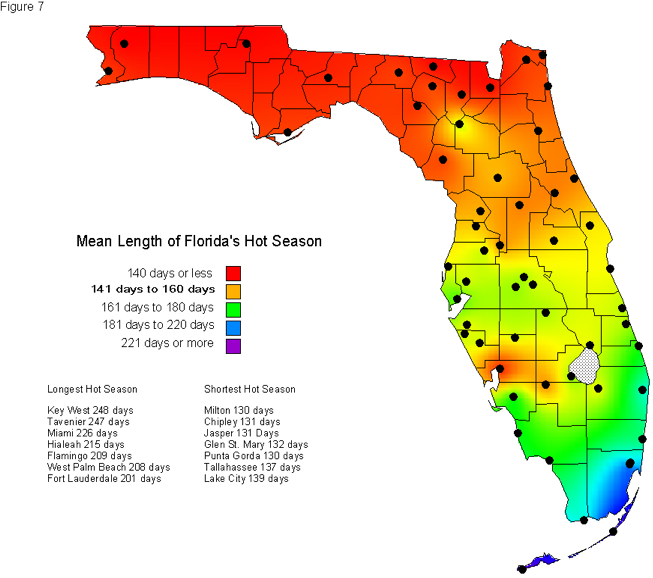
The southern tip of the state, including destinations like Key West, sits closer to the Equator than any other part of the continental mainland. This low latitude means the sun’s rays hit the region at a much more direct angle throughout the year. While northern states experience dramatic shifts in solar intensity between summer and winter, the southern reaches of the peninsula maintain a high solar angle year-round. This leads to consistent temperatures that rarely dip into freezing territory, making cities like Fort Lauderdale and Naples perennial favorites for those seeking a tropical escape.
Humidity and the Dew Point Factor
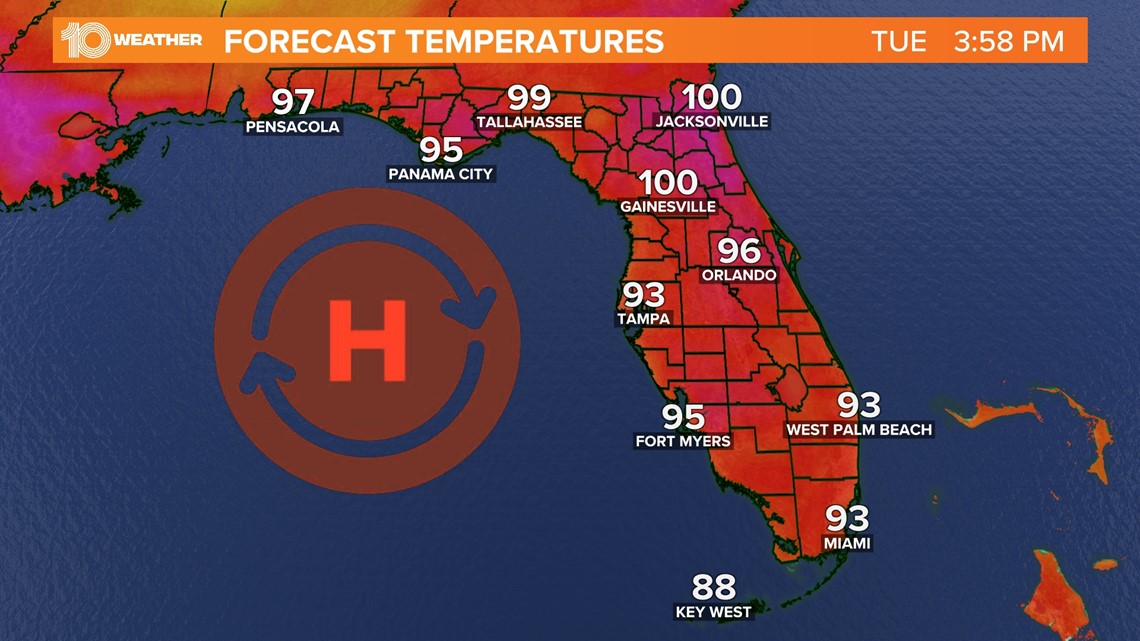
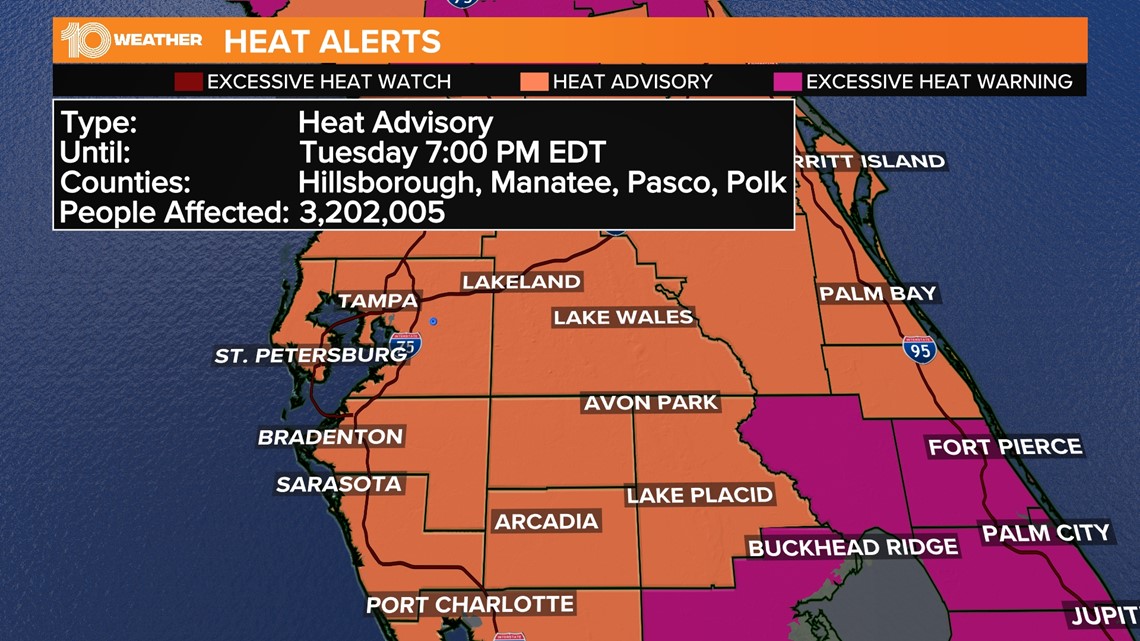
When people ask why it feels so hot, they are often referring to the humidity rather than just the temperature. Because the land is surrounded by the warm waters of the Caribbean Sea and the Gulf Stream, the air is constantly saturated with moisture. This high humidity prevents the body’s natural cooling mechanism—sweating—from working efficiently. On a typical summer day in Orlando, the air may be 92 degrees, but the “feels like” temperature, or heat index, can easily soar above 105 degrees. For tourists, this means that even a short walk through Epcot or Disney’s Animal Kingdom can feel significantly more taxing than a walk in a dryer climate like Arizona.
Tourism in the Tropics: Embracing the Heat
Rather than shying away from the high temperatures, the local tourism industry has evolved to celebrate and mitigate the heat. The state has mastered the art of “heat tourism,” providing visitors with countless ways to enjoy the tropical climate while staying comfortable.
Iconic Water-Based Destinations
One of the most popular ways to beat the heat is to immerse oneself in the state’s diverse water systems. Beyond the famous coastline of South Beach, the state is home to an incredible network of natural springs. Ichetucknee Springs State Park and Blue Spring State Park offer crystal-clear water that remains a constant 72 degrees year-round. For many visitors, these springs are the ultimate respite from the humidity.
Additionally, the state’s coastal cities like Clearwater Beach and Sarasota draw millions of tourists who come specifically for the warm ocean breezes. In the Florida Keys, the heat is moderated by the surrounding water, making activities like snorkeling in John Pennekamp Coral Reef State Park or visiting Dry Tortugas National Park essential parts of the itinerary.
Indoor Attractions and Air-Conditioned Sanctuaries
The region is also the global capital of indoor entertainment. Large-scale attractions like Universal Orlando Resort have pioneered advanced cooling technologies for their queue lines and ride vehicles. In Miami, the luxury shopping districts and world-class museums like the Perez Art Museum Miami provide air-conditioned retreats that are as culturally significant as the outdoor landmarks.
The concept of the “Florida Room” or “Lanai” is a local architectural staple that allows tourists and residents to enjoy the outdoors without direct exposure to the sun. Even the historic St Augustine, the oldest city in the country, has adapted its colonial architecture to promote airflow, showing that the battle against the heat has been a part of the local culture for centuries.
Survival Guide: Essential Tips for Visitors
Navigating the heat is a skill that every traveler should learn before landing in Jacksonville or Tampa. To fully enjoy the sights without succumbing to exhaustion, one must adopt the habits of the locals.
Sun Protection and Hydration Strategies
The intensity of the sun in the southern United States is often underestimated by those visiting from Europe or Canada. Sunscreen is not optional; it is a necessity. Many local tourism boards recommend applying high-SPF protection even on cloudy days, as UV rays easily penetrate the frequent tropical cloud cover.
Hydration is the other pillar of a successful trip. When exploring large outdoor landmarks like Everglades National Park or Biscayne National Park, water is your most important piece of gear. Many theme parks, including SeaWorld Orlando, offer free ice water at their quick-service locations to ensure guests remain hydrated in the peak afternoon hours.
The Art of the “Midday Siesta”
Savvy travelers follow a split-day schedule. This involves hitting the major outdoor landmarks early in the morning—often right when they open—and retreating to a hotel or an indoor activity between 1:00 PM and 4:00 PM. This is typically the hottest window of the day. By the time the sun begins to set over St Pete Beach, the temperatures become far more manageable, and the evening “golden hour” provides the perfect backdrop for dining at an outdoor cafe in Coconut Grove or strolling along the boardwalk in Destin.
Seasonal Tourism Patterns: When Heat Becomes an Asset
The perception of heat changes significantly depending on when you choose to visit. The state has two primary “seasons” that influence tourism: the dry season and the wet season.
The Allure of the Winter Escape
From November through April, the heat is the state’s greatest tourism asset. While the rest of the North America is grappling with snow and freezing temperatures, Palm Beach and Boca Raton offer mild, balmy afternoons. This is the peak season for “snowbirds”—travelers who migrate south to enjoy the manageable warmth. During this time, the humidity is lower, making outdoor activities like hiking in Ocala National Forest or golfing in Tallahassee incredibly pleasant. This period is also ideal for visiting Kennedy Space Center, where much of the experience involves walking between outdoor exhibits.
Summer Adventure: Thriving in the Humid Peak
The summer months, from June to September, represent the peak of the heat and the wet season. During this time, the heat is punctuated by daily afternoon thunderstorms. These storms are a critical part of the ecosystem, providing much-needed relief from the soaring temperatures. For tourists, these rains are predictable and usually short-lived. They offer a perfect excuse to grab a Key Lime Pie in a local shop or explore the indoor exhibits at The Dali Museum in St Petersburg.
Despite the intense heat, summer remains a popular time for families visiting Legoland Florida Resort or taking cruises out of Port Canaveral. The warm water temperatures during these months make for incredible swimming and diving conditions, especially in the southern reaches near Cuba and the Bahamas.
Understanding why the region is so hot helps travelers set realistic expectations and plan their adventures more effectively. Whether you are navigating the bustling streets of Miami Beach or seeking the quiet solitude of the Sanibel Island coastline, the heat is an ever-present companion. It shapes the lush, green landscapes, the vibrant wildlife of the Everglades, and the relaxed, sun-drenched lifestyle that keeps people coming back year after year. By respecting the sun and embracing the water, any visitor can turn the legendary heat into the highlight of their tropical journey.
LifeOutOfTheBox is a participant in the Amazon Services LLC Associates Program, an affiliate advertising program designed to provide a means for sites to earn advertising fees by advertising and linking to Amazon.com. Amazon, the Amazon logo, AmazonSupply, and the AmazonSupply logo are trademarks of Amazon.com, Inc. or its affiliates. As an Amazon Associate we earn affiliate commissions from qualifying purchases.