
The Siren Song Fades: An Uneasy Truce
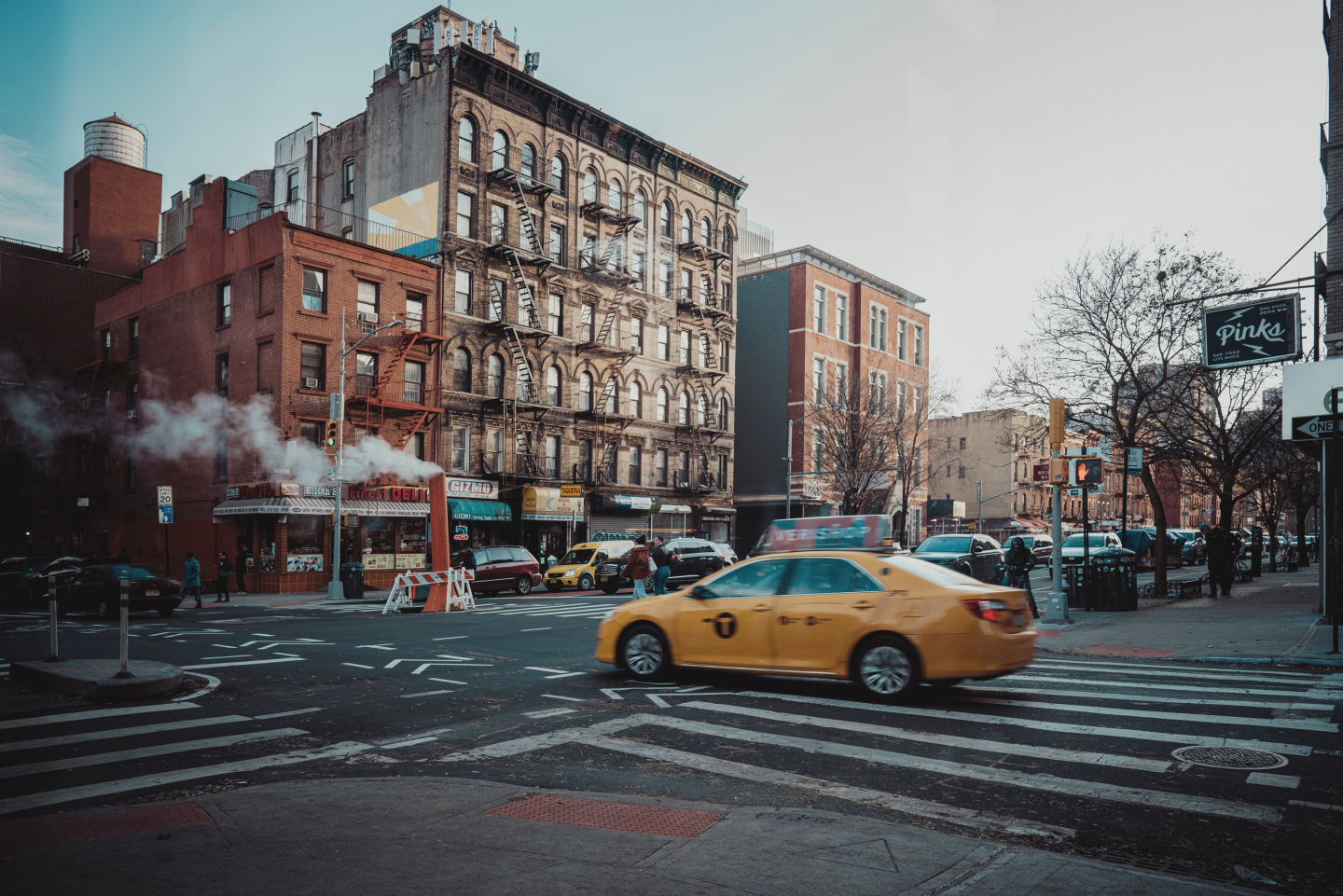
For years, I was captivated. The rhythm of New York City pulsed through my veins, a relentless beat that promised endless possibility. It was the backdrop to every romanticized film, the stage for every ambitious dream. The sheer density of it all – the towering skyscrapers scraping the sky, the cacophony of sirens and chatter, the intoxicating aroma of street food mingling with exhaust fumes – was a potent elixir. I arrived with starry eyes, ready to conquer, to absorb, to become a part of its storied tapestry. The initial infatuation was undeniable. Exploring the Metropolitan Museum of Art, getting lost in the labyrinthine streets of Greenwich Village, catching a Broadway show in the Theater District – these were rites of passage, experiences that felt essential to understanding modern life. The city offered an unparalleled intensity, a feeling of being at the epicenter of global culture, innovation, and ambition. Every corner held a potential discovery, every subway ride a glimpse into a thousand different lives. This was the allure, the undeniable magnetism that drew millions, myself included, into its orbit. It felt like a place where you could reinvent yourself, where the sheer force of will and proximity to opportunity could propel you to heights you’d only imagined. The energy was palpable, a constant hum that both invigorated and, as I would eventually learn, exhausted.

The Highs of the Hustle
The early days in New York were a whirlwind of sensory overload, and I reveled in it. The sheer volume of things to do, see, and experience was staggering. From world-class dining that ranged from Michelin-starred establishments to humble, life-changing food trucks, to an endless array of museums, galleries, and performance spaces, there was never a dull moment. I remember the thrill of stumbling upon a pop-up art installation in SoHo, or the serendipity of meeting fascinating people from every walk of life in a tiny bar in the East Village. The iconic landmarks, of course, were magnetic. Standing beneath the majestic Statue of Liberty, walking across the Brooklyn Bridge at sunset, and marveling at the architectural grandeur of Grand Central Terminal were moments etched in my memory. The city felt alive, constantly evolving, a vibrant organism that breathed creativity and ambition. Even the mundane tasks, like navigating the crowded subways or queuing for a bagel, felt imbued with a certain urgency and purpose, a shared experience of survival and triumph in the urban jungle. The sheer diversity of people and perspectives was a constant education, challenging my preconceptions and broadening my understanding of the world.
The Cracks Begin to Show: The Cost of Intensity

But the intoxicating scent of ambition and opportunity began to mingle with something less savory: the relentless, grinding cost of existence. The city that champions dreams also demands a heavy toll. The initial romanticism slowly eroded under the weight of daily realities. The “hustle culture,” so often lauded, began to feel less like a noble pursuit and more like an inescapable trap. The sheer competition for space, resources, and even attention became exhausting. The constant need to be “on,” to perform, to network, to achieve, chipped away at my sense of self. The city’s insatiable hunger demanded a piece of me, and I found myself giving more than I was receiving. The financial strain was undeniable. Rent in desirable neighborhoods became astronomical, forcing compromises that chipped away at the initial fantasy. Dining out, once a joyous exploration, became an occasional luxury rather than a regular pleasure. Even simple necessities felt like a constant battle against rising prices. This economic pressure created an underlying anxiety that permeated every aspect of life, transforming the city’s vibrant energy into a source of stress rather than inspiration. The sheer density, once exhilarating, began to feel claustrophobic, a constant barrage of stimuli that left little room for quiet contemplation or genuine rest.
The Erosion of Tranquility
The absence of natural tranquility was perhaps the most significant factor. While Central Park offers a welcome respite, it is a curated oasis, not an organic escape. The constant hum of the city, even at night, became a persistent drone that interfered with sleep and peace. The sheer number of people, while a source of dynamism, also meant a constant struggle for personal space and a sense of anonymity that felt increasingly rare. Simple acts like finding a quiet spot to read or enjoy a moment of solitude became a challenge. The city’s pace, which initially felt invigorating, began to feel like a treadmill from which there was no escape. The pressure to keep up, to always be moving forward, left little room for reflection or simple enjoyment of the present moment. I found myself longing for the quietude of nature, for open skies not obscured by buildings, for the gentle rhythm of a smaller community. The urban landscape, once a source of wonder, had started to feel like a concrete cage, limiting my breath and my spirit.
Redefining Connection: The Search for a Different Rhythm
My decision to leave New York wasn’t born of a sudden epiphany, but rather a gradual realization that the city and I were no longer aligned. The relationship, once a passionate affair, had become a demanding, one-sided commitment. I began to crave a different quality of life, one where connection wasn’t measured by proximity or professional achievement, but by shared experiences and genuine community. I yearned for a slower pace, for more access to nature, and for a sense of belonging that wasn’t contingent on constant performance. The idea of breaking up with New York felt daunting, akin to leaving a part of myself behind. But the growing disconnect between the city’s promise and its reality was becoming too stark to ignore. I needed to find a place where I could breathe, where my worth wasn’t solely determined by my output, and where the beauty of the world wasn’t always framed by a concrete jungle. This wasn’t a rejection of the city’s inherent magic, but an acknowledgment that its magic was no longer the magic I needed. It was about recognizing that sometimes, the most loving act is to acknowledge an incompatibility and seek a path that leads to greater well-being.
The Allure of the Unhurried
The siren song of New York had been powerful, but its echo was beginning to fade, replaced by a yearning for a different melody. I imagined mornings where the loudest sound was birdsong, not the wail of a distant ambulance. I pictured evenings where the sky was a canvas of stars, not a haze of light pollution. The idea of a neighborhood where people knew each other’s names, where community was built on shared history and mutual support, became increasingly appealing. This wasn’t about escaping the world, but about finding a different way to engage with it. It was about seeking a life where moments of stillness weren’t a luxury, but an intrinsic part of the rhythm. The thought of trading the relentless pursuit of ‘more’ for the quiet appreciation of ‘enough’ became a powerful draw. The city had offered me lessons in ambition and resilience, but it was time to learn lessons in peace and contentment. This shift in perspective was the quiet revolution that led to packing my bags and saying goodbye to the city that had once held me so tightly. It was a decision made not out of failure, but out of a profound evolution of desire.
LifeOutOfTheBox is a participant in the Amazon Services LLC Associates Program, an affiliate advertising program designed to provide a means for sites to earn advertising fees by advertising and linking to Amazon.com. Amazon, the Amazon logo, AmazonSupply, and the AmazonSupply logo are trademarks of Amazon.com, Inc. or its affiliates. As an Amazon Associate we earn affiliate commissions from qualifying purchases.