
California has long been admired for its innovation, vibrant culture, and stunning natural landscapes. However, beneath the golden glow of its promises lies a significant financial reality: the state’s electricity prices are among the highest in the United States. For residents, businesses, and even visitors budgeting for extended stays or digital nomad ventures, understanding this elevated cost is crucial for managing their lifestyle expenses effectively. This article delves into the multifaceted reasons behind California’s costly power and explores how it shapes daily life and financial planning in the Golden State.
The Golden State’s Golden Price Tag: Understanding Utility Costs
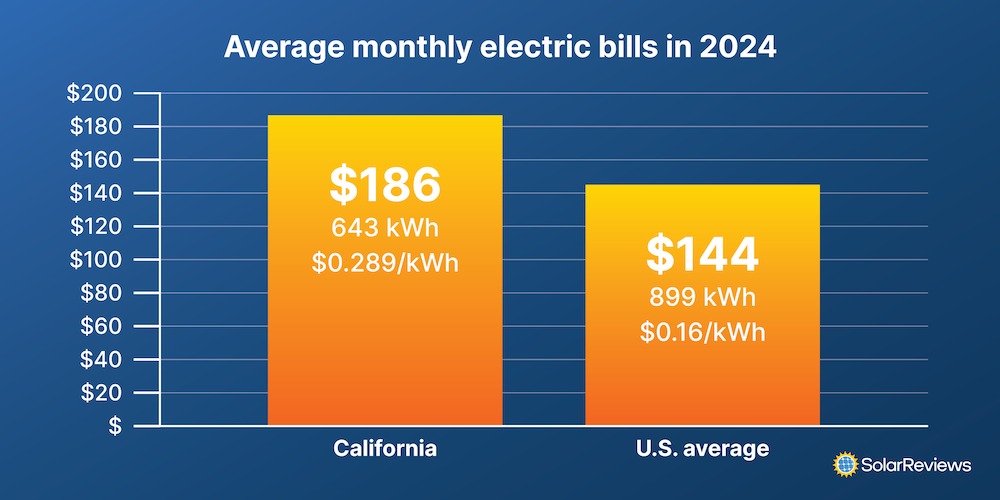
At first glance, California’s electricity rates appear disproportionately high compared to national averages. This isn’t a simple anomaly but rather a complex interplay of infrastructure investments, ambitious environmental policies, and specific geographical challenges. The cumulative effect of these factors creates a utility landscape that significantly impacts the overall cost of living and operating within the state.
A Confluence of Factors: What Drives High Rates?
Several key elements converge to drive up electricity prices. Unlike states with abundant and cheap fossil fuel resources, California has deliberately moved towards a greener, more resilient energy grid. This transition, while environmentally laudable, comes with substantial financial outlays. Costs associated with maintaining an aging grid while simultaneously investing in cutting-edge renewable technologies and hardening infrastructure against natural disasters are all passed on to the consumer. Furthermore, the state’s unique regulatory environment plays a significant role in approving and overseeing these charges, balancing consumer protection with the need for utilities to make necessary investments.
Comparing California to the Nation: A Stark Reality
To put it into perspective, California’s residential electricity rates are consistently about 50% to 80% higher than the national average, depending on the specific utility and time of year. Commercial rates follow a similar trend. This disparity means that a family in Los Angeles might pay nearly double what a family in Texas or Oklahoma pays for the same amount of electricity. This significant difference necessitates careful budgeting for anyone establishing a home or planning an extended stay in California, making energy efficiency less of a choice and more of a financial imperative.
Infrastructure and Investment: The Price of Progress and Reliability
A substantial portion of California’s electricity costs stems from the continuous need to upgrade, maintain, and expand its vast energy infrastructure. This isn’t merely about keeping the lights on; it’s about building a modern, resilient, and sustainable grid fit for the 21st century.
Aging Grids and Modern Demands
Much of California’s electrical grid was constructed decades ago and requires significant investment to remain operational and safe. Replacing outdated equipment, upgrading transmission lines, and integrating smart grid technologies to enhance efficiency and reliability are ongoing, expensive endeavors. These projects are not just about maintenance; they are about preparing the grid for increased demand from electric vehicles, smart homes, and a growing population, all while reducing its environmental footprint.
Wildfire Prevention and Grid Hardening
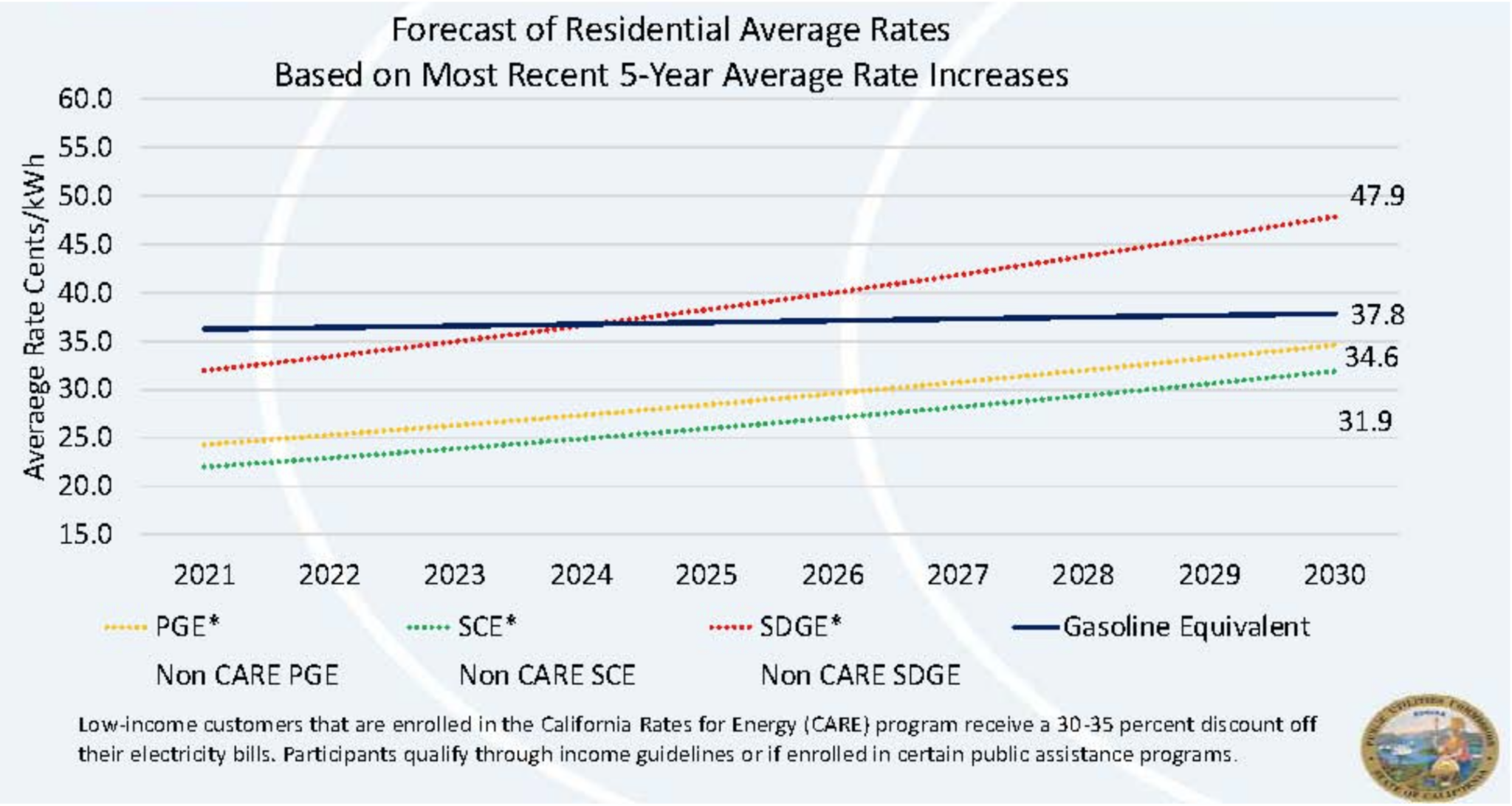
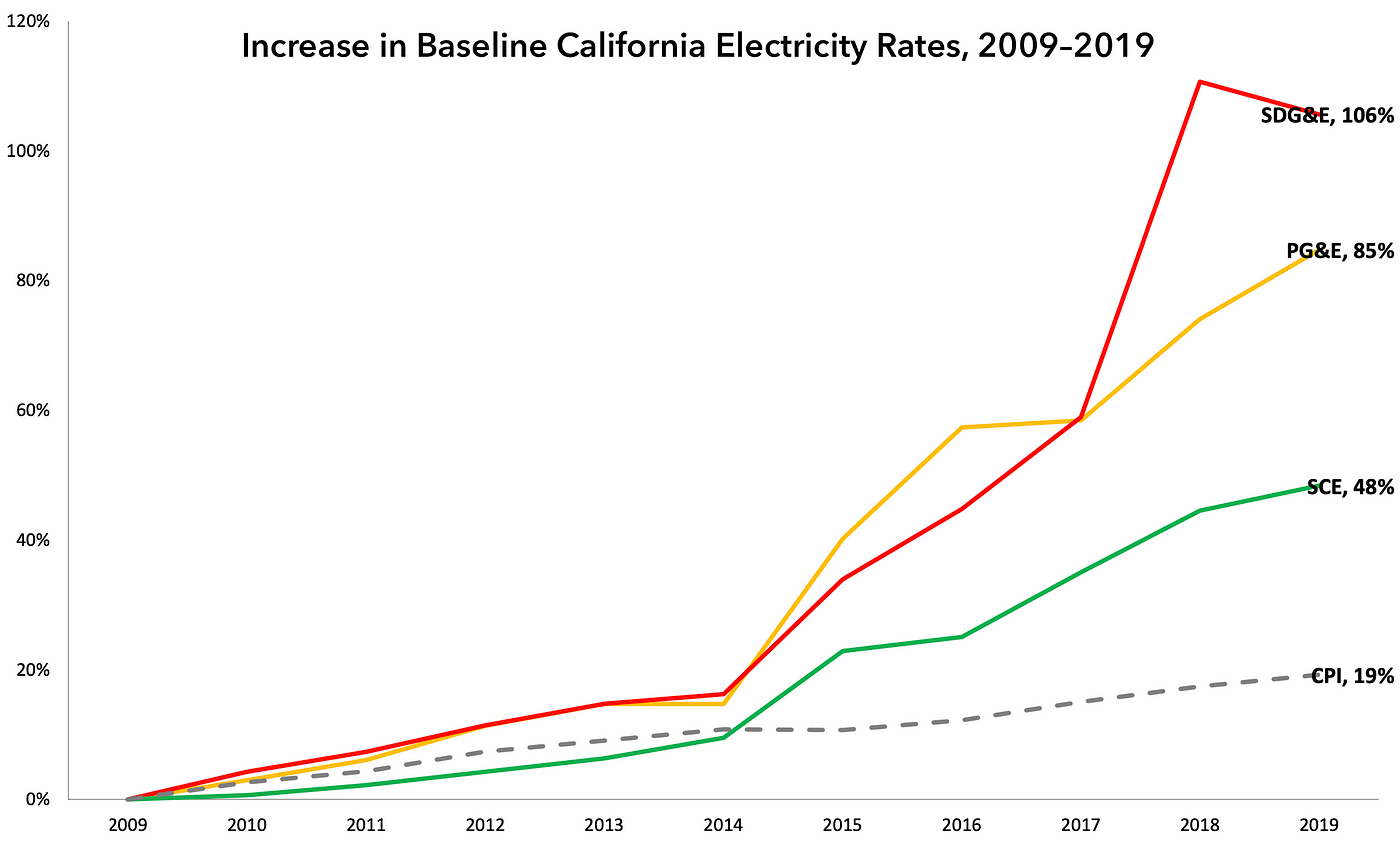
The devastating wildfires that have plagued California in recent years have highlighted the critical vulnerability of its utility infrastructure. A significant portion of current electricity costs is now dedicated to wildfire mitigation efforts. This includes extensive tree trimming, burying power lines in high-risk areas, installing advanced sensors, and employing rapid response teams. These proactive measures, while essential for public safety and environmental protection, represent a massive financial burden that utility companies pass directly to consumers through increased rates. For instance, Pacific Gas and Electric Company (PG&E), Southern California Edison (SCE), and San Diego Gas & Electric (SDG&E) have all implemented substantial surcharges to fund these critical safety upgrades.
Transition to Renewables: The Long-Term Vision and Short-Term Costs
California is a global leader in renewable energy adoption, with ambitious mandates to achieve 100% clean electricity by 2045. This transition involves significant investment in solar farms, wind turbines, battery storage solutions, and the infrastructure required to integrate these intermittent sources reliably into the grid. While the long-term benefits include reduced carbon emissions and greater energy independence, the initial capital costs for developing, deploying, and maintaining these advanced systems are substantial. These costs are factored into electricity rates, reflecting the state’s commitment to a sustainable energy future.
Regulatory Landscape and Environmental Mandates: A Commitment to Sustainability
California’s progressive stance on environmental protection and energy policy is a major driver of its electricity prices. The state has enacted some of the most stringent environmental regulations in the nation, all of which come with associated costs.
Strict Environmental Policies and Their Economic Impact
The state’s commitment to combating climate change translates into aggressive greenhouse gas reduction targets and mandates for energy efficiency. These policies require utilities to invest in cleaner generation methods and for consumers to adopt more efficient practices. While beneficial for the environment, meeting these standards often involves higher operational costs for utilities and can limit the availability of cheaper, more carbon-intensive power sources. For instance, utilities are incentivized to procure expensive renewable energy credits and invest in demand-side management programs, all of which add to the rate base.
De-prioritizing Fossil Fuels: Increased Costs for Remaining Infrastructure
As California phases out fossil fuel power plants, the remaining gas-fired facilities, which often serve as peaker plants during periods of high demand, become more expensive to operate. These plants are crucial for grid stability when renewable sources are not producing enough power. The fixed costs of maintaining these plants, coupled with stricter emissions controls, are spread over fewer operating hours, increasing their per-unit cost of electricity generation.
The Role of California Public Utilities Commission (CPUC)
The California Public Utilities Commission (CPUC) plays a pivotal role in regulating the state’s investor-owned utilities. This body approves rate increases, ensuring that utilities can recover their costs for operations, infrastructure investments, and environmental compliance, while also aiming to protect consumers from unreasonable charges. However, the sheer scale of necessary investments for wildfire safety, grid modernization, and renewable integration means that rate increases are often deemed necessary by the CPUC to maintain a reliable and safe energy supply.
Impact on California Living and Lifestyle: Budgeting for the Bright Lights
The high cost of electricity in California is more than just a line item on a utility bill; it profoundly shapes the lifestyle choices and financial planning of anyone residing or staying long-term in the state.
For Residents: Adapting to High Utility Bills
For California residents, high electricity bills are a persistent challenge that necessitates careful financial management. Many households adapt by investing in energy-efficient appliances, installing smart thermostats, improving insulation, and consciously reducing their energy consumption during peak hours. The pressure to conserve energy becomes an integral part of daily life, influencing everything from when laundry is done to how frequently air conditioning is used during hot summer months. This adaptation fosters a culture of energy awareness, but it also means a higher baseline cost for maintaining a comfortable home.
For Travelers and Digital Nomads: Factoring in Accommodation Costs
For those considering an extended trip, a digital nomad stint, or a long-term rental in California, the cost of electricity must be a significant consideration in their budget. Accommodation options, particularly vacation rentals or furnished apartments where utilities might not be included or are capped, can quickly become more expensive than anticipated. Running air conditioning, heating, charging multiple devices, or even prolonged use of high-draw appliances can lead to surprisingly high monthly utility expenses. Understanding the potential for substantial electricity costs is essential for accurate budget forecasting and avoiding unwelcome financial surprises, directly impacting the overall “lifestyle” experience.
Business Operations: The Commercial Burden
High electricity costs also disproportionately affect businesses across California, from small cafes to large manufacturing plants. These increased operating expenses are often passed on to consumers in the form of higher prices for goods and services. This contributes to the state’s generally higher cost of living, creating a ripple effect that impacts everyone, whether through the cost of groceries, local services, or even tourist attractions.
Strategies for Mitigation: Managing Your Energy Footprint
While California’s electricity rates may seem daunting, there are actionable strategies individuals and businesses can employ to mitigate their impact and manage their energy footprint more effectively.
Embrace Energy Efficiency
The most straightforward way to reduce electricity bills is to minimize consumption. This includes switching to LED lighting, upgrading to energy-efficient appliances (look for the ENERGY STAR label), improving home insulation, and sealing drafts. Smart home technologies, such as programmable thermostats and smart power strips, can also significantly reduce wasted energy by optimizing usage based on occupancy and schedules.
Consider Solar Solutions
For homeowners and some businesses, investing in rooftop solar panels can be a powerful long-term solution. While the initial investment is substantial, California’s abundant sunshine, coupled with various state and federal incentives, can make solar an economically viable option for generating clean, cheaper electricity. Community solar programs also offer an alternative for renters or those whose properties are not suitable for rooftop installations.
Off-Peak Usage and Time-of-Use Plans
Most California utility companies offer “Time-of-Use” (TOU) rate plans, where electricity prices vary depending on the time of day, day of the week, and season. By shifting high-energy activities, such as doing laundry, running dishwashers, or charging electric vehicles, to off-peak hours (typically evenings and weekends), consumers can significantly reduce their monthly bills. Understanding and adapting to these rate structures is a key behavioral strategy for managing electricity costs in the Golden State.
In conclusion, the high cost of electricity in California is a complex issue driven by a commitment to a modern, reliable, and sustainable energy future, alongside the pressing need for wildfire safety. While these investments come with a significant price tag, understanding the underlying factors and adopting proactive energy management strategies can help individuals and businesses navigate the financial realities of living and traveling in the Golden State.
LifeOutOfTheBox is a participant in the Amazon Services LLC Associates Program, an affiliate advertising program designed to provide a means for sites to earn advertising fees by advertising and linking to Amazon.com. Amazon, the Amazon logo, AmazonSupply, and the AmazonSupply logo are trademarks of Amazon.com, Inc. or its affiliates. As an Amazon Associate we earn affiliate commissions from qualifying purchases.