
Embarking on a journey across the diverse landscapes of California is an iconic dream for many travelers, a quintessential American experience featuring everything from sun-drenched beaches and towering redwood forests to vibrant cities and serene deserts. Whether you envision a leisurely drive down scenic Highway 1, an adventurous trek through Yosemite National Park, or a cultural exploration of San Francisco or Los Angeles, the Golden State beckons with unparalleled attractions and experiences. However, a recurring question often surfaces for both seasoned travelers and first-time visitors planning their itineraries: “Why are gas prices in California so consistently high?” This isn’t just a casual observation; it’s a significant factor that influences travel budgets, lifestyle choices, and the overall tourism landscape in one of the most visited states in the United States. Understanding the complex web of factors contributing to California’s elevated fuel costs is essential for anyone looking to navigate its roads, choose their accommodations wisely, and make the most of their Golden State adventure.

This article delves into the unique blend of environmental regulations, taxation policies, limited refining capacity, and market dynamics that converge to push pump prices skyward in California. More importantly, we’ll explore how these economic realities translate into tangible impacts on travel planning, from selecting destinations and booking hotels to budgeting for a family road trip or a luxurious escape. By dissecting the underlying causes, we aim to equip travelers with insights to plan smarter, adapt their itineraries, and continue enjoying the unparalleled beauty and experiences California has to offer, without letting the cost of fuel derail their adventures.
The Golden State’s Unique Fuel Landscape: Unpacking the “Why”
The disparity in gas prices between California and the rest of the United States often sparks bewilderment, particularly for those accustomed to lower rates elsewhere. While global oil prices and national market trends certainly play a role, several localized factors create a distinct and consistently higher pricing environment within the state. These factors are deeply intertwined with California’s progressive stance on environmental protection and its unique geographical and industrial characteristics.
Environmental Mandates and Specialized Blends
At the heart of California’s higher fuel costs are its stringent environmental regulations, which mandate a unique, cleaner-burning gasoline blend. This specialized formulation, often referred to as California Reformulated Gasoline (CaRFG), is designed to reduce smog-forming pollutants and greenhouse gas emissions. Unlike standard gasoline sold in many other states, CaRFG has a lower vapor pressure and different chemical components, making it more expensive to produce.
Furthermore, California implements seasonal fuel changes, requiring refiners to switch between “summer blend” and “winter blend” gasoline. The summer blend is even less volatile, designed to evaporate more slowly in warmer temperatures, thereby reducing ozone formation. These transitions are complex and costly, often leading to temporary supply disruptions and price spikes as refineries adjust their production processes and distribution networks. This commitment to air quality, while beneficial for public health and the state’s natural beauty, undeniably adds a premium to every gallon sold.
Taxes and Regulatory Fees
Another significant contributor to California’s elevated gas prices is the cumulative weight of various state and federal taxes and fees. California boasts some of the highest gasoline taxes in the nation, funding critical infrastructure projects, public transportation, and environmental initiatives. These include:
- State Excise Tax: A fixed per-gallon tax that primarily funds road maintenance and transportation projects. California’s excise tax rate is among the highest in the country, and it’s indexed to inflation, meaning it increases annually.
- Sales Tax: Unlike many other states that exempt gasoline from sales tax, California applies its state and local sales tax to the total price of gasoline, including the excise tax, effectively taxing a tax.
- Cap-and-Trade Program: As part of its ambitious climate change initiatives, California operates a cap-and-trade program that limits greenhouse gas emissions. Fuel distributors must purchase allowances for the carbon emissions associated with their gasoline sales, and these costs are passed on to consumers at the pump.
- Low Carbon Fuel Standard (LCFS): This program aims to reduce the carbon intensity of transportation fuels. Fuel providers must either produce lower carbon fuels or purchase credits from those who do, adding another layer of cost to conventional gasoline.
Combined, these taxes and regulatory fees can account for a substantial portion of the per-gallon price, significantly widening the gap between California and states with less aggressive environmental policies and lower tax burdens.
Refining Capacity and Supply Chain Vulnerabilities
The challenge isn’t just about what’s in the gas, but also about where it comes from. California’s refineries are specifically configured to produce the state’s unique fuel blend. There are a limited number of these specialized facilities, concentrated primarily around the Los Angeles basin and the San Francisco Bay Area. This limited capacity makes the supply chain highly vulnerable to disruptions.
When a refinery undergoes scheduled maintenance, or worse, an unexpected outage due to technical issues or accidents, the impact on supply can be immediate and severe. Because it’s difficult and costly to import compliant fuel from outside the state, even minor disruptions can lead to significant price spikes as demand outstrips the suddenly constrained supply. This “island effect” means California cannot easily tap into the national fuel supply to offset local shortages, further exacerbating price volatility. Additionally, the logistics of transporting fuel from these concentrated refining hubs to gas stations across the vast state, including remote tourist destinations like Death Valley National Park or the Sierra Nevada mountains, also adds to the final retail price.
The Ripple Effect: How High Gas Prices Impact California Travel and Tourism
For a state so intrinsically linked with road trips, scenic drives, and sprawling urban exploration, high gas prices present a direct challenge to the tourism sector. The cost at the pump isn’t just an inconvenience; it forces travelers and tourism businesses alike to adapt, often leading to shifts in travel patterns, accommodation choices, and overall holiday planning.
Road Trips and Destination Choices
The quintessential California experience often involves extensive driving. From cruising the dramatic coastline of Big Sur to wine tasting in Napa Valley or exploring the deserts near Palm Springs, road trips are fundamental to experiencing the state’s diverse offerings. High gas prices, however, can make these epic journeys significantly more expensive.
Travelers, especially those on a budget, might opt for shorter road trips, choosing destinations closer to their starting point in Los Angeles, San Diego, or San Francisco. Instead of a grand tour encompassing multiple national parks like Yosemite and Death Valley, visitors might focus on a single region. The allure of extended scenic drives, while still powerful, now comes with a more significant financial consideration. This can shift demand away from remote landmarks and towards more accessible, centrally located attractions, impacting the economic vitality of communities reliant on distant tourist traffic.
Accommodation and Activity Shifts
High fuel costs inevitably squeeze other parts of a travel budget. Where travelers might have once prioritized a luxury resort in Beverly Hills or a boutique hotel near the Golden Gate Bridge, they may now consider more budget-friendly accommodation options, such as mid-range hotels, vacation rentals, or even camping, to offset the increased transportation expenses. Reviews and comparisons of various accommodation types on platforms become even more critical as travelers seek value.
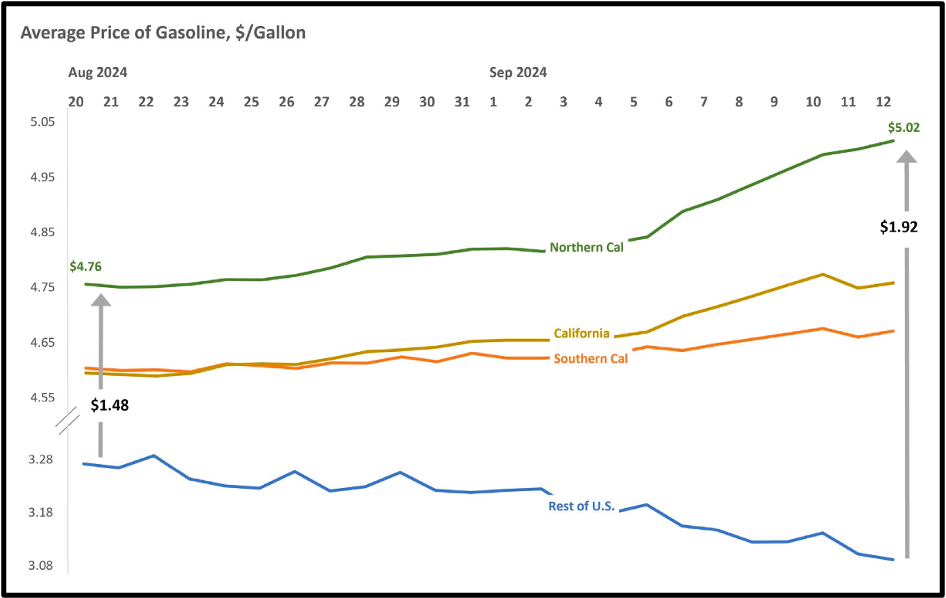
Similarly, activity choices can be affected. Instead of driving long distances for multiple attractions, visitors might gravitate towards consolidated experiences or walkable city centers. Guided tours that include transportation might become more appealing as they offer predictable costs. Attractions like Disneyland in Anaheim or Universal Studios Hollywood remain popular but accessing them via ride-sharing services or public transport from a strategically located hotel might be preferred over daily drives and parking fees. The emphasis shifts from extensive driving to immersive, localized experiences, impacting local culture and food tourism as well, potentially making food experiences closer to the accommodation more attractive.
Lifestyle Adjustments for Local Exploration
For California residents and frequent intra-state travelers, high gas prices lead to noticeable lifestyle adjustments. Weekend getaways might become more infrequent, or people might choose “staycations” to explore attractions closer to home without the hefty fuel bill. There’s a growing inclination towards carpooling for family trips, utilizing public transportation in major metropolitan areas like Los Angeles or San Francisco, or even considering electric vehicles (EVs) for future purchases. Hotels and resorts that offer EV charging stations are gaining a competitive edge, becoming a desirable amenity for a growing segment of environmentally conscious and cost-aware travelers. This shift is not just about saving money; it’s also about a broader move towards more sustainable and mindful travel, aligning with California’s overall environmental ethos.
Navigating the Golden State: Strategies for Savvy Travelers
While high gas prices are a persistent feature of the California travel experience, they shouldn’t deter anyone from exploring this magnificent state. With a bit of strategic planning and a willingness to adapt, travelers can mitigate the impact on their budgets and still enjoy a fulfilling journey.
Smart Planning and Budgeting
Forethought is key. Before hitting the road, research gas prices along your planned route using apps or websites that track fuel costs. Prices can vary significantly even within short distances. Factor fuel costs into your overall travel budget realistically, perhaps allocating a higher percentage than you would in other states. Consider loyalty programs offered by gas station chains or credit cards that provide cashback on fuel purchases.
When booking accommodation, look for hotels that are centrally located within your target destination, minimizing the need for extensive daily driving. Hotels near public transportation hubs, such as those in downtown San Francisco or near major metro lines in Los Angeles, can significantly reduce reliance on personal vehicles. Some hotels even offer shuttle services to nearby attractions or airports, providing additional savings. For longer stays, apartments or villas with kitchen facilities can allow for self-catering, further reducing overall expenses.
Embracing Alternative Transportation and Eco-Travel
California’s commitment to sustainability extends to its transportation infrastructure, offering a variety of alternatives to driving. In major cities, an excellent public transit system can be a cost-effective and environmentally friendly way to explore. San Francisco’s iconic cable cars, BART system, and extensive bus network make navigating the city without a car perfectly feasible. Los Angeles’s growing Metro system and bus services, though sprawling, can connect key tourist areas.
Consider trains like Amtrak for inter-city travel, offering scenic routes along the coast or through valleys, reducing stress and fuel costs. Ride-sharing services are prevalent in urban areas, and for specific excursions, tour buses can provide a hassle-free and often more economical option, especially for attractions like Napa Valley wine tours or trips to Disneyland. For the adventurous, renting an electric vehicle is an increasingly viable option, with charging infrastructure becoming more widespread, particularly in tourist-friendly regions and at many hotels. This aligns with a growing interest in eco-tourism and reducing one’s carbon footprint while traveling.
Choosing Value-Driven Experiences
High gas prices encourage a focus on value. This might mean prioritizing free attractions such as Santa Monica Pier in Los Angeles, exploring local parks, or enjoying California’s numerous hiking trails and beaches. Picnicking with groceries bought from local markets can be a delightful and cost-effective alternative to dining out for every meal.
Look for accommodation packages that include perks like free breakfast, parking, or shuttle services. Some resorts and hotels offer activity bundles or all-inclusive options that can provide better overall value. Embrace the local culture by exploring farmers’ markets for fresh produce, attending free community events, or visiting museums on free admission days. By making thoughtful choices across all aspects of your trip, the impact of gas prices can be minimized, allowing the natural beauty and vibrant culture of California to remain the focal point of your travel experience.
Beyond the Pump: A Look at California’s Future Travel Landscape
The ongoing challenge of high gas prices in California is not just a temporary hurdle but a catalyst for long-term transformation in the state’s travel and tourism sector. It accelerates trends already in motion, pushing towards more sustainable, efficient, and innovative ways to explore the Golden State.
The Rise of Electric Vehicles and Charging Infrastructure
Perhaps the most significant long-term shift influenced by high gas prices is the accelerating adoption of electric vehicles (EVs). California is a global leader in EV sales and infrastructure development, driven by both consumer demand and state incentives. For travelers, this means an expanding network of charging stations along major highways, at national parks, and crucially, at hotels and accommodation providers.
Hotels that invest in robust EV charging capabilities are increasingly appealing to a growing demographic of travelers who own or rent electric vehicles. This amenity is transforming from a niche offering to a competitive necessity, especially for properties catering to lifestyle travelers seeking convenience and eco-friendliness. As EV technology advances and range anxiety diminishes, the cost of “fueling” an electric car on a California road trip becomes drastically lower than its gasoline counterpart, fundamentally altering the travel budget equation for a new generation of explorers. This trend also opens up opportunities for specialized EV road trip guides and itineraries, catering to a travel experience centered around charging stops and sustainable journeys.

Sustainable Tourism and Policy Responses
High gas prices underscore California’s broader commitment to sustainable tourism. The policies that contribute to higher fuel costs – from stringent environmental regulations to carbon pricing – are all aimed at reducing the state’s carbon footprint and preserving its natural resources. This aligns with a global trend towards more responsible and eco-conscious travel.
Tour operators and accommodation providers are increasingly highlighting their sustainability practices, offering eco-friendly tours, and promoting activities that minimize environmental impact. The state itself is continuously exploring initiatives to support alternative fuels, improve public transportation networks, and encourage low-carbon travel. While the immediate impact is higher prices, the long-term vision is a California where travel is less dependent on fossil fuels, offering visitors a cleaner, more pristine experience of its iconic landmarks and natural wonders like Lake Tahoe or the Pacific Ocean coastline. This shift benefits not just the environment but also the quality of the visitor experience, promoting a more immersive and respectful engagement with the destination.
In conclusion, while the question “Why is California gas prices going up?” reveals a complex interplay of environmental mandates, taxes, and market dynamics, it also highlights the state’s pioneering role in sustainability. Far from being a deterrent, this economic reality encourages a more thoughtful, adaptable, and ultimately more enriching approach to travel. By understanding these factors and embracing smart planning, alternative transportation, and value-driven experiences, travelers can continue to unlock the magic of the Golden State, making unforgettable memories while navigating its unique fuel landscape with confidence and savvy. California’s enduring allure lies not just in its breathtaking scenery and vibrant culture, but also in its capacity to inspire innovation and adaptation, making every journey here a testament to its forward-thinking spirit.
LifeOutOfTheBox is a participant in the Amazon Services LLC Associates Program, an affiliate advertising program designed to provide a means for sites to earn advertising fees by advertising and linking to Amazon.com. Amazon, the Amazon logo, AmazonSupply, and the AmazonSupply logo are trademarks of Amazon.com, Inc. or its affiliates. As an Amazon Associate we earn affiliate commissions from qualifying purchases.