
California, a land synonymous with sunshine, innovation, and breathtaking natural beauty, often finds itself battling a formidable foe: wildfires. From the towering redwoods of the north to the sun-drenched canyons of the south, the golden state’s landscapes can transform dramatically, sometimes tragically, under the fierce glow of blazes. For travelers planning their dream itineraries, experiencing the vibrant local culture, or simply looking for the perfect accommodation, understanding the underlying reasons behind these recurring infernos is paramount. This isn’t just a tale of destruction; it’s a complex narrative deeply intertwined with climate, human activity, and the very essence of living in this unique and spectacular region. When asking “Why is California on fire right now?”, we delve into a confluence of factors that turn picturesque landscapes into challenging environments, impacting everything from luxury travel experiences to the availability of budget accommodation and the preservation of cherished landmarks.
Unraveling the Fiery Truth: The Causes Behind California’s Wildfires
The image of smoke plumes rising over the California horizon has, unfortunately, become an all too familiar sight. While wildfires are a natural, albeit intense, part of many ecosystems globally, the scale and frequency witnessed in California in recent decades point to a convergence of specific environmental and human-induced factors. Understanding these elements is crucial for anyone looking to comprehend the current state of affairs and how it shapes travel and lifestyle choices in the region.
The Climate Change Connection: A Warming Trend and Prolonged Droughts
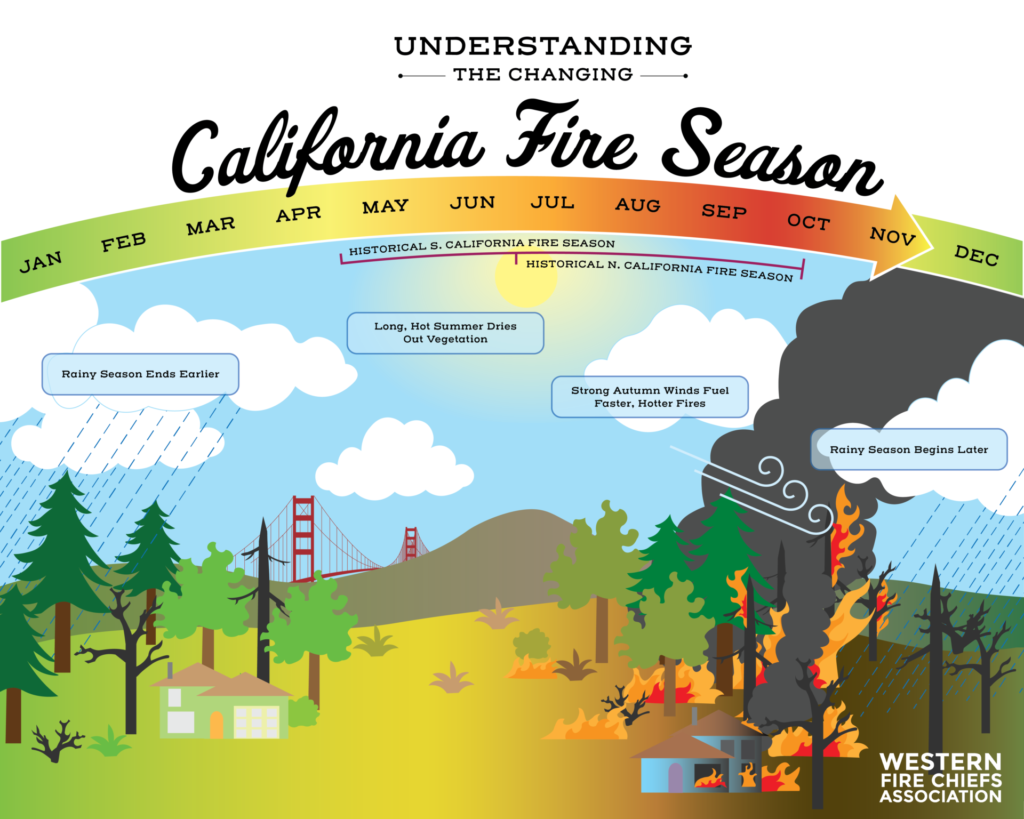
At the heart of California’s heightened fire risk is a palpable shift in its climate. The state, much like the Mediterranean, naturally experiences a dry season, but the intensity and duration of these periods have dramatically increased. Rising global temperatures contribute to hotter, drier conditions that essentially “prime” the landscape for burning. The vegetation, whether it’s the dense chaparral of Southern California or the expansive forests of the Sierra Nevada mountains, becomes parched, turning into highly combustible fuel.
Coupled with warming temperatures are prolonged periods of drought. Historically, California has experienced cycles of wet and dry years. However, recent droughts have been exceptionally severe and persistent, depleting water reserves and stressing trees and plants, making them more susceptible to disease and, crucially, to ignition. Dead or dying vegetation provides an abundant fuel source, allowing small fires to quickly escalate into massive, uncontrollable blazes. This ecological vulnerability fundamentally alters the attractiveness and safety of destinations like Yosemite National Park or Sequoia National Park, where the majestic trees become both symbols of nature’s grandeur and potential fuel for disaster.
Nature’s Fury: The Role of Santa Ana Winds and Topography
While dry conditions set the stage, specific weather phenomena often act as the accelerant. The notorious Santa Ana winds are a prime example. These powerful, dry, and hot winds typically sweep through Southern California from the desert interior towards the Pacific Ocean, particularly in the autumn. As they rush down mountain slopes and through canyons, they gather speed and heat, rapidly drying out any remaining moisture from the vegetation. When a fire ignites under these conditions, the Santa Ana winds act like a bellows, pushing flames at incredible speeds, making containment incredibly challenging.
Furthermore, California’s diverse and rugged topography plays a significant role. Steep canyons, dense forests, and mountainous regions create natural wind tunnels and provide ample fuel. Fires can move uphill at astounding rates, driven by the terrain and winds. This geographical complexity means that what might be a contained blaze in flatter, less vegetated areas can quickly become an inferno sweeping through communities nestled in hillsides, such as those in Malibu or around Lake Tahoe. The unique blend of climate and geography creates a perpetually vulnerable environment, requiring tourists and residents alike to stay informed about potential risks when exploring these stunning landscapes.
Human Footprint: Accidental Ignitions and Infrastructure Challenges
While climate and weather create the perfect conditions, human activity remains the primary ignition source for most wildfires. A startling percentage of fires in California are sparked by human actions, whether intentional or accidental. This includes everything from poorly maintained power lines and faulty electrical equipment to vehicle sparks, discarded cigarettes, campfires left unattended, fireworks, agricultural burning, and even arson. With an ever-growing population expanding into what’s known as the “wildland-urban interface,” the chances of human-caused ignitions increase proportionally.
Infrastructure challenges also contribute significantly. Aging power grids, especially those traversing vast, fire-prone rural areas, are particularly susceptible to sparking fires during high wind events. Utility companies, such as Pacific Gas and Electric, have faced scrutiny and legal battles over their role in major fires, leading to preventative power shutoffs during extreme weather conditions – a measure that, while frustrating for residents and businesses, aims to reduce the risk of catastrophic blazes. The delicate balance between providing essential services and mitigating fire risk is a complex and ongoing challenge for cities and regions across the state, including bustling metropolises like Los Angeles and San Francisco, and crucial agricultural hubs like Napa Valley and Sonoma County.
The Far-Reaching Impact: How Wildfires Reshape Travel and Tourism in California
The immediate devastation caused by wildfires is undeniable, but their effects ripple far beyond the burned perimeters, profoundly influencing California’s vibrant travel and tourism industry. From affecting iconic landmarks to disrupting accommodation options and reshaping local cultural experiences, wildfires present unique challenges for visitors and the communities that rely on tourism.
Destinations Under Duress: National Parks and Popular Attractions
California is home to an incredible array of destinations, from the rugged coastlines of Big Sur to the serene shores of Lake Tahoe and the sprawling deserts of Death Valley National Park and Joshua Tree National Park. When wildfires strike, these natural wonders and tourist hotspots are often the first to feel the impact. National and state parks, including Yosemite National Park, Sequoia National Park, and even local treasures like Big Basin Redwoods State Park, may face temporary closures, evacuation orders, or significant damage. This not only prevents access to some of the state’s most cherished landmarks but also impacts the surrounding gateway communities that depend on park visitors.
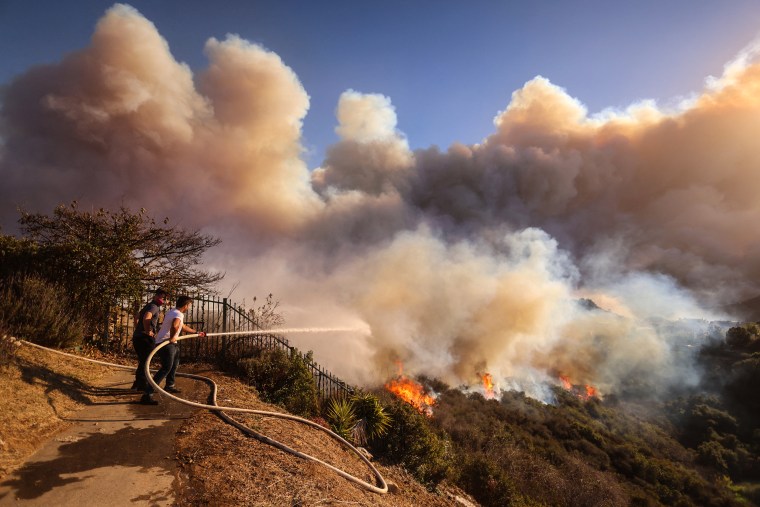
Beyond the natural parks, areas renowned for their specific attractions, such as the wineries of Napa Valley and Sonoma County, can suffer from smoke taint on grapes, disruptions to harvest seasons, and a significant drop in tourism. Even major metropolitan areas like Los Angeles or San Francisco, while not directly in the path of the flames, can experience diminished air quality, which deters visitors from enjoying outdoor activities and impacts the overall visitor experience. This highlights the delicate balance between the allure of California’s natural beauty and the vulnerability of its landscapes to environmental threats.
Accommodation Amidst Adversity: Hotels, Resorts, and Guest Safety
The travel industry, particularly accommodation providers, bears a direct impact during wildfire events. Hotels, resorts, apartments, and villas in affected regions often face widespread cancellations as travelers understandably prioritize safety. Popular destinations like Palm Springs, Monterey Bay, or coastal towns near fire zones may see bookings plummet. Luxury resorts, such as The Ritz-Carlton, Laguna Niguel or the Four Seasons Resort Biltmore Santa Barbara, known for their pristine settings and exclusive experiences, can find their idyllic views obscured by smoke, significantly detracting from their appeal.
Conversely, hotels in unaffected but nearby areas might see a surge in demand as evacuees seek temporary housing, sometimes necessitating difficult choices between tourist bookings and providing shelter for displaced residents. The need for flexible booking and cancellation policies becomes paramount, and travelers considering a trip to California often need to review their travel insurance options more carefully. This unpredictable environment creates challenges for booking, comparison, and long-term stays, shifting the focus from amenity-rich experiences to basic safety and availability, impacting brands from Hilton to Marriott.
Experiences Transformed: Air Quality, Outdoor Activities, and Local Culture
Beyond physical damage and booking disruptions, wildfires profoundly alter the experience of visiting California. The most pervasive and widespread effect is often poor air quality, with smoke traveling hundreds of miles from the active fires. Smoky skies, ash falling, and unhealthy particulate levels can make outdoor activities — from hiking in Griffith Park in Los Angeles to strolling along San Diego’s beaches — unpleasant or even dangerous, especially for individuals with respiratory conditions. This can force visitors to reconsider their plans, opting for indoor attractions or even canceling their trips altogether.
The rich tapestry of local culture, food, and activities is also impacted. Harvest festivals, outdoor concerts, farmers’ markets, and other community events might be canceled or postponed, diminishing the vibrant local experiences that draw many tourists. For regions dependent on agriculture and wine tourism, such as Napa Valley, the long-term effects on local livelihoods and the ability to offer authentic culinary experiences can be devastating. Traveling during fire season means a lifestyle adjustment for many, prioritizing safety and adaptability over rigidly planned itineraries, perhaps shifting from adventurous outdoor pursuits to exploring indoor museums, galleries, and diverse dining scenes in cities like San Francisco or Sacramento, or even family-friendly destinations like Disneyland Resort in Anaheim.
Navigating the New Normal: Lifestyle Adjustments and Responsible Travel
Living and traveling in California in the era of escalating wildfires requires a conscious shift in mindset and approach. It’s a “new normal” where understanding risk, embracing flexibility, and committing to responsible tourism are not just good practices but essential elements of a safe and rewarding experience. This section explores how individuals and communities are adapting and what the future might hold for travel and lifestyle in the Golden State.
Prioritizing Safety: Emergency Preparedness and Travel Planning
For residents and travelers alike, personal safety and preparedness have become paramount. When planning a trip to California, especially during the traditional fire season (roughly late summer through autumn), it’s crucial to stay informed. Regularly checking official sources for fire updates, evacuation orders, and air quality alerts should be a standard part of any travel itinerary. Websites like Cal Fire and local emergency services provide real-time information. Travelers should consider purchasing comprehensive travel insurance that covers wildfire-related disruptions, including cancellations, delays, and medical emergencies due to smoke exposure.
Flexibility is also key. Having alternative plans, such as booking accommodations in different regions or having indoor activities in mind, can salvage a trip even if outdoor plans are disrupted. This proactive approach to travel planning ensures that visitors can still enjoy the diverse offerings of California, from the historic sites in Hollywood to the culinary delights of San Francisco, even when conditions are less than ideal in certain areas. Understanding local emergency procedures and having an evacuation plan, particularly if staying in more remote or wildland-adjacent accommodations, empowers both budget travelers and those enjoying luxury experiences to travel with greater peace of mind.
Supporting Local Economies: Resilient Communities and Rebuilding Efforts
Despite the challenges, many California communities exhibit remarkable resilience. After fires subside, there’s often a concerted effort to rebuild and welcome visitors back. Responsible tourism plays a vital role in these recovery efforts. Choosing to visit areas that have been affected by fires, once they are safe and open, can provide much-needed economic support to local businesses, hotels, and attractions. Engaging with local culture, dining at local restaurants, and purchasing goods from local artisans all contribute to the community’s recovery.
However, it’s also important to be mindful of the impact of one’s visit. Adhering to fire safety guidelines, such as respecting campfire bans, properly disposing of cigarettes, and being cautious with any potential ignition sources, is a fundamental responsibility of every visitor. This mindful approach ensures that while enjoying California’s beauty, visitors are not inadvertently contributing to future risks. Destinations like Glacier National Park in Montana, which have also faced significant fire challenges, offer precedents for how natural landmarks can recover and continue to attract visitors through careful management and community support.
Sustainable Solutions: Fire Management and Climate Resilience for the Future
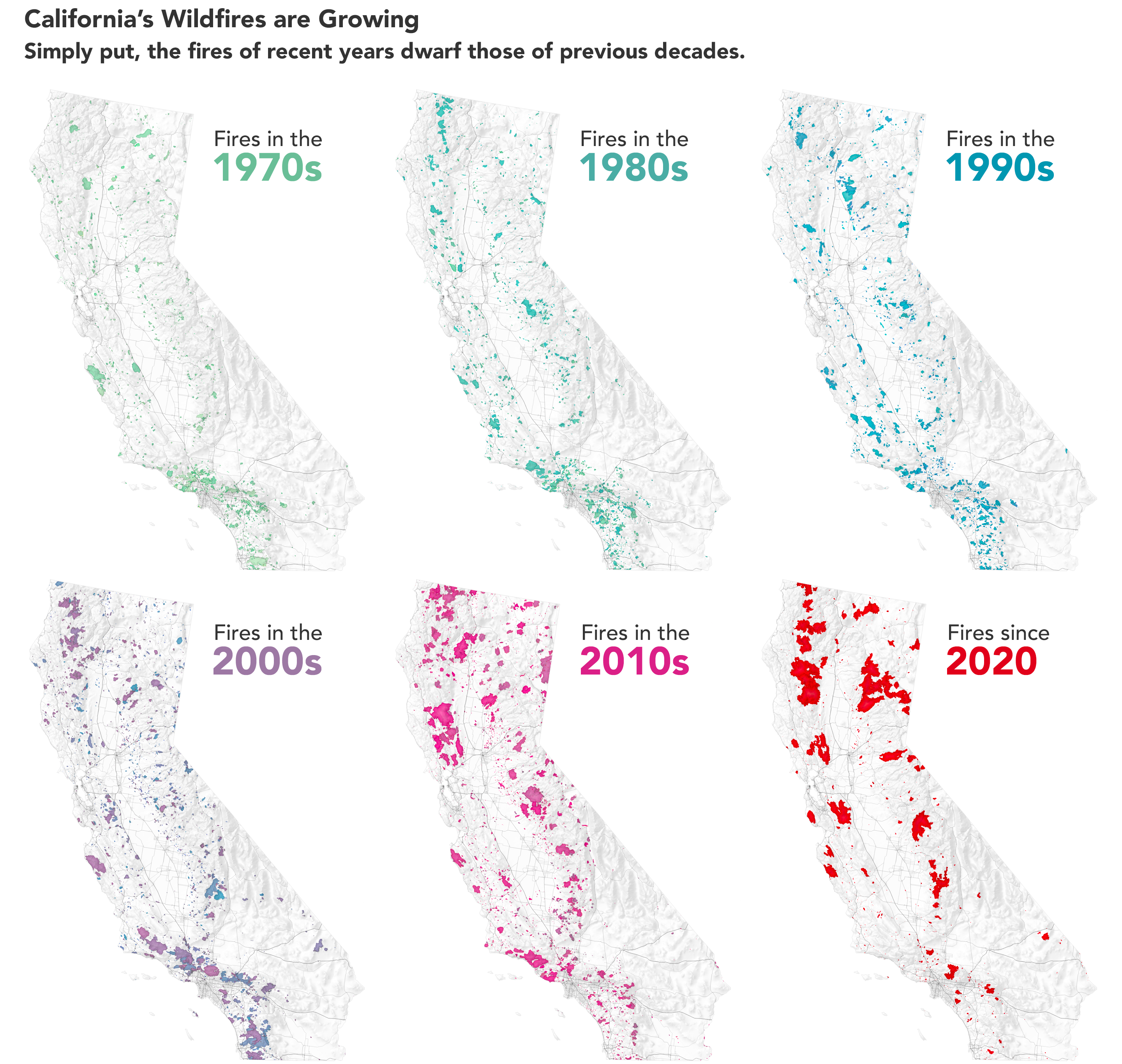
Looking ahead, addressing California’s wildfire crisis requires a multi-faceted approach centered on both immediate fire management and long-term climate resilience. This includes investing in modern firefighting technologies, improving early detection systems, and implementing aggressive fuel reduction strategies through prescribed burns and forest thinning. These proactive measures, while sometimes controversial, are essential for creating healthier, more fire-resilient landscapes.
Crucially, tackling climate change at a global level is the ultimate long-term solution. For California, this means continuing to lead in renewable energy adoption, promoting sustainable land use, and developing infrastructure that can withstand extreme weather events. For the tourism and accommodation sectors, this translates to promoting eco-friendly practices, adapting building codes in fire-prone areas, and educating visitors about the delicate ecosystems they are experiencing. The future of travel, whether for family trips, business stays, or luxury getaways, in the Golden State depends on a collective commitment to protecting its irreplaceable natural heritage, ensuring that the magic of California remains accessible and vibrant for generations to come. The question “Why is California on fire right now?” serves not just as a query about current events, but as a poignant reminder of our interconnectedness with the environment and the imperative to act for a sustainable future.
LifeOutOfTheBox is a participant in the Amazon Services LLC Associates Program, an affiliate advertising program designed to provide a means for sites to earn advertising fees by advertising and linking to Amazon.com. Amazon, the Amazon logo, AmazonSupply, and the AmazonSupply logo are trademarks of Amazon.com, Inc. or its affiliates. As an Amazon Associate we earn affiliate commissions from qualifying purchases.