
The Lone Star State, a land of sprawling ranches, vibrant cities like Austin and Houston, and a deep-rooted car culture, presents a unique landscape for its residents. However, for many Texans, the freedom of the open road comes with a significant financial burden: exceptionally high car insurance premiums. This isn’t a matter of simple bad luck; a complex interplay of economic, environmental, and regulatory factors contributes to the elevated cost of auto coverage in Texas. Understanding these drivers is crucial for Texas drivers seeking to navigate this challenging insurance market.
The Peculiarities of the Texas Insurance Market
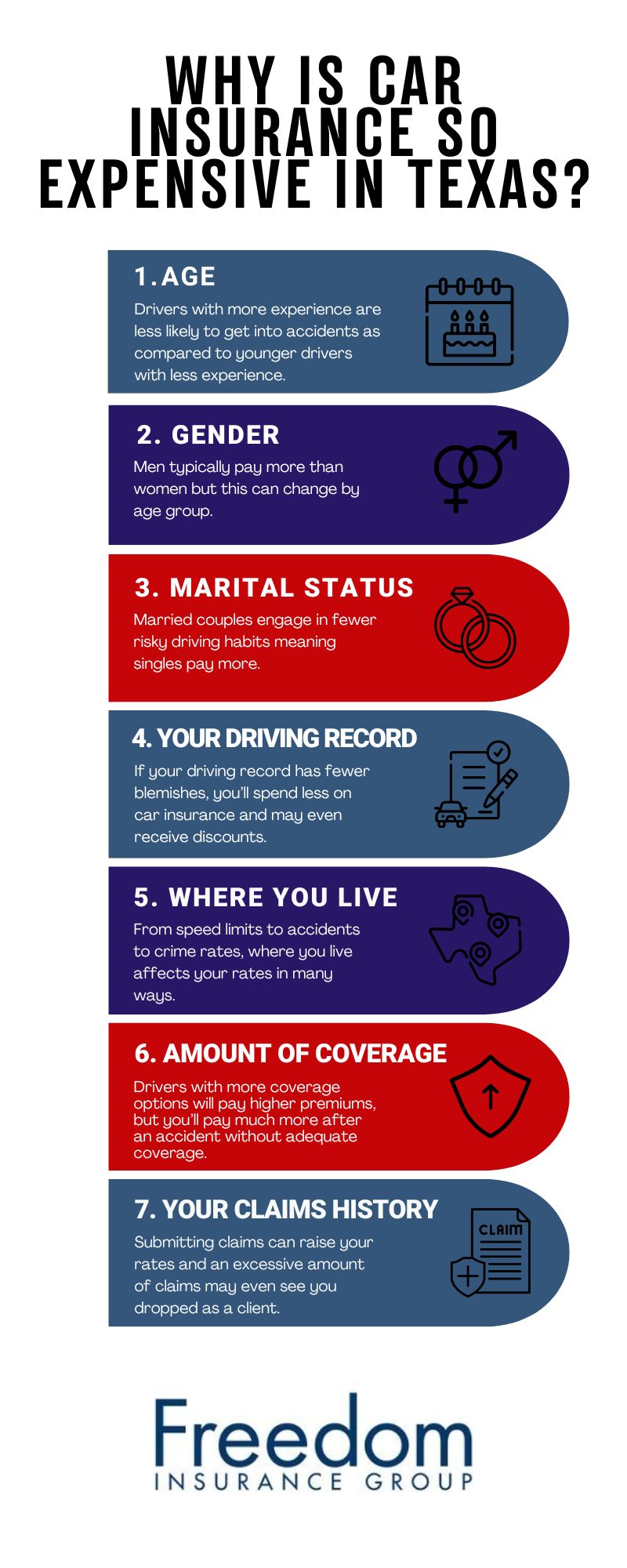
Unlike many other states that operate under a more heavily regulated insurance system, Texas boasts a relatively open market. This deregulation, while intended to foster competition and potentially lower prices, has in practice allowed for significant price variations and, in many cases, contributed to higher average premiums.
A Deregulated Environment and its Impact
The Texas Department of Insurance (TDI) plays a role in overseeing the industry, but the system allows insurance companies considerable latitude in setting their rates. This means that factors beyond basic driving records and vehicle types can have a disproportionate influence on premiums. Insurers analyze a wide range of data points to assess risk, and in Texas, several of these data points are weighted heavily, leading to increased costs. The absence of strict rate controls, common in some other states, allows market forces to dictate prices more aggressively. While this can sometimes benefit consumers during periods of lower risk, it leaves them vulnerable when risk factors escalate, as they frequently do in Texas.
Consumer Protection and the Role of the TDI
While the market is largely deregulated, the Texas Department of Insurance (TDI) still acts as a consumer advocate. The TDI provides resources for consumers to understand their rights, compare policies, and file complaints. They also monitor the solvency of insurance companies operating in the state. However, their ability to directly control premium rates is limited by the state’s regulatory framework. This means that while consumers have avenues for recourse and information, the fundamental drivers of high insurance costs are often beyond the TDI’s direct intervention without legislative changes. The emphasis is on market fairness and transparency rather than price caps, which can leave individuals feeling exposed to rapidly rising costs.
The Role of Weather and Natural Disasters
Texas is no stranger to extreme weather events, and these natural phenomena have a profound impact on the cost of car insurance. From devastating hailstorms to powerful hurricanes, the increased frequency and severity of these events translate directly into higher claims payouts for insurance companies, which are then passed on to policyholders.
Hail: The Unseen Enemy of Texas Vehicles
Perhaps the most significant weather-related factor driving up insurance costs in Texas is hail. The state, particularly its northern and central regions, is located within “Hail Alley,” an area notorious for frequent and severe hailstorms. These storms can produce hailstones the size of golf balls or even baseballs, causing extensive damage to vehicles. A single large hailstorm can result in hundreds of thousands of claims, leading to billions of dollars in damages. Insurers must account for this predictable, yet often unpredictable, risk when setting their rates. The sheer volume of hail claims means that premiums in affected areas must be higher to cover the expected losses.
Hurricanes and Flooding: Coastal and Inland Threats
Texas’s extensive coastline makes it vulnerable to hurricanes and tropical storms. These events bring not only high winds but also significant rainfall, leading to widespread flooding. Flood damage to vehicles is often catastrophic, rendering them irreparable and resulting in total loss claims. Even inland areas can experience severe flooding due to slow-moving thunderstorms or the remnants of coastal storms. The cumulative cost of claims from these events contributes significantly to the overall insurance landscape in Texas, pushing premiums upward across the state, even for those who may not directly experience the brunt of a hurricane.
Driving Habits and Road Conditions
Beyond environmental factors, the way Texans drive and the conditions of their roads also play a pivotal role in insurance premiums. A state with a high number of vehicle miles traveled, specific driving behaviors, and infrastructure challenges will naturally see higher rates.
High Vehicle Miles Traveled and Urban Congestion
Texas is a vast state, and its residents often drive long distances for work, errands, and leisure. This high volume of vehicle miles traveled inherently increases the probability of accidents. Furthermore, major urban centers like Dallas, San Antonio, and Houston experience significant traffic congestion. Stop-and-go traffic, coupled with frustrated drivers, can lead to more fender-benders and, unfortunately, more serious collisions. The increased exposure to risk due to extensive driving and congested roadways is a key factor insurers consider.
Distracted Driving and Aggressive Behavior
While not unique to Texas, certain driving behaviors can exacerbate accident rates. Distracted driving, whether from cell phones, in-car entertainment systems, or other passengers, remains a persistent problem nationwide and contributes to accidents in Texas. Additionally, some studies and anecdotal evidence suggest a higher prevalence of aggressive driving or “road rage” in certain areas, leading to more frequent and severe incidents. Insurers factor the likelihood of these behaviors into their risk assessments, which directly impacts premium calculations.
Road Infrastructure and Maintenance
The state’s vast road network, while impressive in its scope, also presents challenges. While many major highways are well-maintained, the sheer mileage and the effects of weather can lead to deteriorating road conditions in certain areas. Potholes, uneven surfaces, and poor signage can contribute to accidents. Furthermore, the rapid growth in population and vehicle registrations in many parts of Texas can sometimes outpace infrastructure development, leading to increased congestion and potential hazards. The cost of repairing road infrastructure itself, and the indirect costs associated with accidents stemming from its condition, can also indirectly influence insurance rates by contributing to the overall risk profile of the state.
Legal and Regulatory Influences
The legal framework governing auto insurance in Texas, including its liability laws and fraud rates, contributes to the overall cost of coverage.
Tort Reform and Liability Laws
Texas has undergone periods of tort reform aimed at limiting lawsuits and controlling damages awarded in civil cases. However, the legal environment still allows for significant liability claims. When accidents occur, particularly those involving significant injuries or property damage, the potential for large payouts remains a concern for insurers. The cost of defending against lawsuits, even when successful, also adds to the operational expenses of insurance companies. Texas’s specific liability laws and the propensity for certain types of claims influence how insurers price their policies.
Insurance Fraud and its Cost
Insurance fraud is a persistent problem across the nation, and Texas is no exception. Staged accidents, inflated claims, and other fraudulent activities add billions of dollars to the insurance industry’s annual losses. These costs are not absorbed by the perpetrators; they are ultimately passed on to all policyholders in the form of higher premiums. The TDI and law enforcement agencies work to combat insurance fraud, but its pervasive nature means it remains a significant factor contributing to the expense of car insurance in Texas. The more fraud an insurer anticipates in a given market, the higher they will need to set their premiums to remain profitable.
Strategies for Texans to Mitigate Costs
While the factors driving up car insurance in Texas are multifaceted, drivers are not entirely without recourse. Proactive measures and informed decision-making can help mitigate these elevated costs.
Shopping Around and Comparing Quotes
The most fundamental strategy for any driver in Texas is to consistently shop around and compare quotes from multiple insurance providers. Premiums can vary significantly between companies, even for drivers with identical risk profiles. Factors such as an insurer’s underwriting guidelines, their appetite for risk in specific regions, and their claims processing efficiency can lead to substantial price differences. Taking the time to obtain quotes from at least three to five different companies annually, and especially before a policy renewal, can reveal considerable savings. Utilizing online comparison tools and working with independent insurance agents can streamline this process.
Understanding and Adjusting Coverage
It is essential for Texas drivers to fully understand their existing coverage and to assess whether it aligns with their current needs and financial situation. Increasing deductibles on comprehensive and collision coverage can significantly lower monthly premiums. However, it’s crucial to ensure that the deductible amount is manageable and can be paid out-of-pocket in the event of a claim. Conversely, reducing coverage to the state-mandated minimums, while seemingly cost-effective, can leave drivers financially vulnerable in the event of a serious accident. Exploring options like usage-based insurance (UBI) programs, which monitor driving habits and offer discounts for safe driving, can also be beneficial.
Maintaining a Clean Driving Record and Safe Habits
The most impactful factor in determining car insurance rates is the driver’s record. Avoiding speeding tickets, DUIs, and at-fault accidents is paramount. Insurers heavily penalize drivers with a history of moving violations or claims. Cultivating safe driving habits, such as avoiding distractions, obeying traffic laws, and practicing defensive driving, not only keeps premiums lower but also contributes to safer roads for everyone. For younger drivers, participating in driver’s education programs and maintaining good grades can also lead to discounts. Building a long-term history of responsible driving is the most reliable strategy for long-term premium stability in Texas.
LifeOutOfTheBox is a participant in the Amazon Services LLC Associates Program, an affiliate advertising program designed to provide a means for sites to earn advertising fees by advertising and linking to Amazon.com. Amazon, the Amazon logo, AmazonSupply, and the AmazonSupply logo are trademarks of Amazon.com, Inc. or its affiliates. As an Amazon Associate we earn affiliate commissions from qualifying purchases.