
The moniker “Windy City” is practically synonymous with Chicago, conjuring images of blustery avenues, windswept skyscrapers, and intrepid locals braving the elements. Yet, for many travelers and even some residents, the exact origin and literal truth of this famous nickname remain shrouded in a fascinating blend of meteorology, journalism, and civic pride. Delving into the reasons behind Chicago’s enduring epithet reveals a rich tapestry of history, geographical factors, and a spirit of resilience that continues to define this iconic Midwest metropolis. As a premier destination for travel, tourism, and exploring exceptional landmarks, understanding this aspect of Chicago’s identity adds another layer to its compelling narrative.
The Meteorological Truth: Is Chicago Actually Windy?
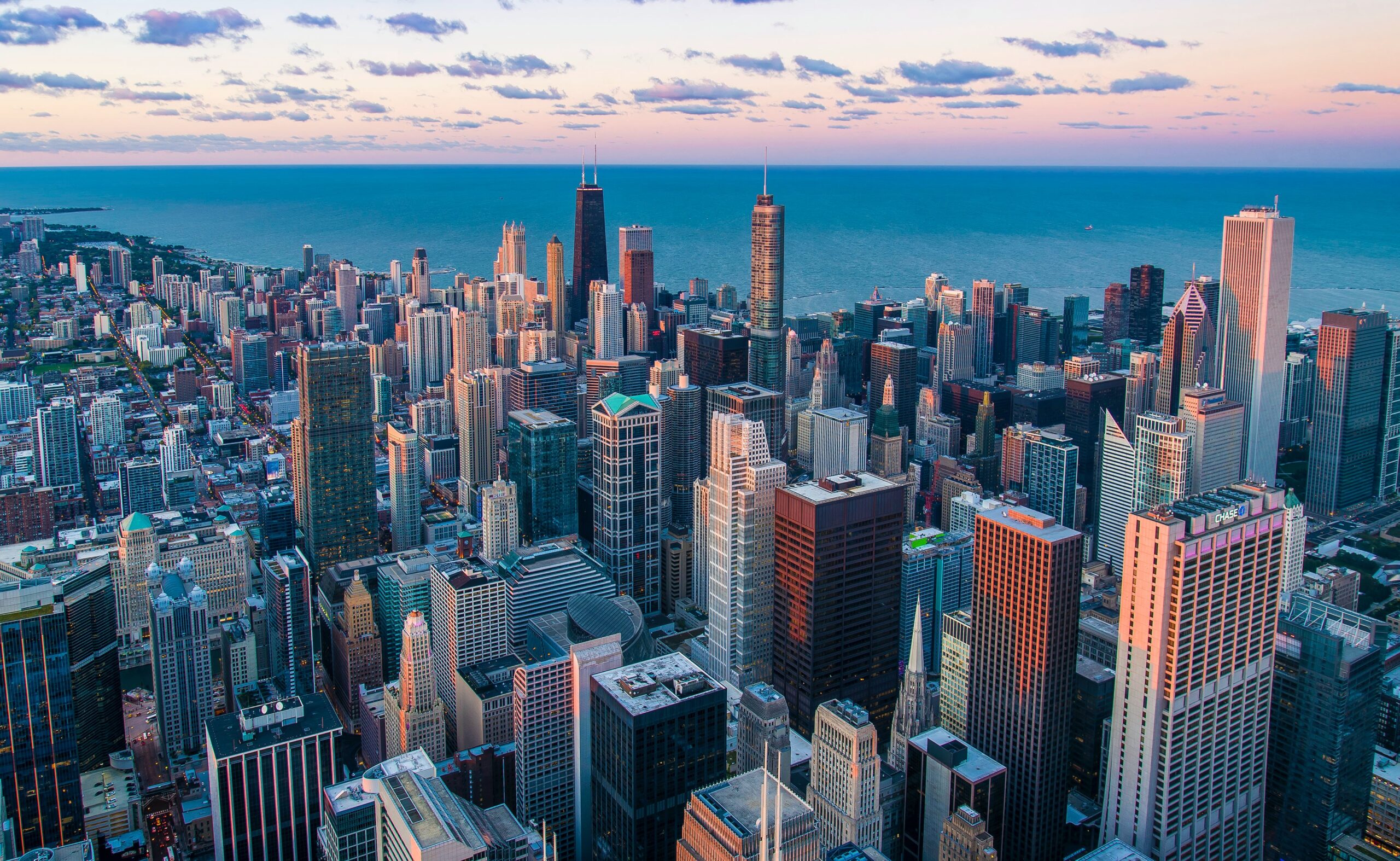
While the nickname suggests Chicago is the windiest city in America, meteorological data tells a slightly more nuanced story. Cities like Oklahoma City, Boston, and even some coastal areas often register higher average wind speeds. However, this doesn’t diminish the very real sensation of strong winds that visitors and residents experience in Chicago. The perceived windiness is heavily influenced by a combination of its unique geographical location and the remarkable urban architecture that defines its skyline.
Lake Michigan’s Influence
One of the most significant contributors to Chicago’s blustery reputation is its proximity to Lake Michigan. As one of the five Great Lakes, Lake Michigan acts as an enormous, flat, unobstructed expanse over which winds can gather speed and force. When these strong winds blow inland off the lake, especially during colder months, they create what’s known as the “lake effect.” This phenomenon brings biting cold and often heavy snow, making the already strong winds feel even more intense and penetrating. The transition from the open lake to the dense urban environment creates a significant shift in air pressure and flow, funneling the wind into powerful gusts that sweep through the city’s streets. For those embarking on a Chicago tour or exploring the lakefront attractions, the invigorating (or sometimes bracing) breezes off Lake Michigan are an undeniable part of the experience.
Urban Canyon Effects
Beyond the direct influence of Lake Michigan, Chicago’s impressive architecture plays a crucial role in amplifying the feeling of windiness. The city boasts an iconic skyline, home to some of the world’s tallest and most innovative skyscrapers. These towering structures, packed closely together in areas like the Loop and River North, create what are known as “urban canyons.” As wind hits these buildings, it is forced to accelerate and funnel through the narrow streets and alleys between them. This Venturi effect can significantly increase wind speeds at ground level, turning a moderate breeze into a powerful gust capable of making hats fly and testing the strength of umbrellas. Navigating the downtown core on a blustery day provides a tangible demonstration of why the city feels so perpetually windy, even if the absolute average wind speeds aren’t the highest globally. It’s a fascinating interplay between nature and human ingenuity, creating an unforgettable urban experience for any visitor.
The Historical & Journalistic Origins
While meteorological factors undoubtedly contribute to the perception of Chicago as a windy city, the popularization of the nickname has roots in a different, more human-centric narrative: a late 19th-century rivalry with New York City and the sharp wit of a journalist. This origin story is a captivating piece of Chicago’s history and speaks to the city’s ambition and resilience during a period of rapid growth and reconstruction.
Rivalries and Reputations
The late 1800s were a boom time for America’s burgeoning cities, and a fierce rivalry existed between Chicago and New York City for dominance, especially in the realms of culture, commerce, and global influence. Chicago, having risen phoenix-like from the ashes of the Great Chicago Fire of 1871, was undergoing an extraordinary period of growth and architectural innovation. The city was boldly rebuilding, erecting skyscrapers, and laying claim to a prominent place on the world stage.
This era saw Chicago campaigning vigorously to host the World’s Columbian Exposition in 1893, a massive international fair that promised immense prestige and economic benefits. New York City was also a strong contender, leading to a heated competition for the hosting rights. It was in this atmosphere of intense urban rivalry and a struggle for national and international recognition that the “Windy City” epithet is believed to have truly taken hold, not just as a comment on its weather, but as a barbed observation about its residents’ grand aspirations.
The New York Sun and Charles Dana
The most widely accepted origin of the nickname points to a specific journalistic slight. It is attributed to Charles Dana, the editor of the New York Sun newspaper. In an editorial published in the late 1880s (some sources cite 1886 or 1890), Dana reportedly referred to Chicago as the “Windy City,” not because of its climate, but to describe the “windbag” nature of its politicians and residents who were “full of hot air” as they boasted about their city’s grandeur and their efforts to host the World’s Columbian Exposition. The insinuation was that Chicagoans were loud, boastful, and perhaps a bit arrogant in their ambitions.
Despite its initial pejorative intent, the nickname stuck. Over time, its meaning evolved, losing its negative connotations and becoming a point of pride, cleverly reinterpreted to embrace the city’s literal bluster and its enduring spirit. It’s a testament to Chicago’s ability to absorb criticism and turn it into an iconic badge of honor, further cementing its unique identity within the pantheon of great American cities.
More Than Just Wind: Chicago’s Enduring Spirit
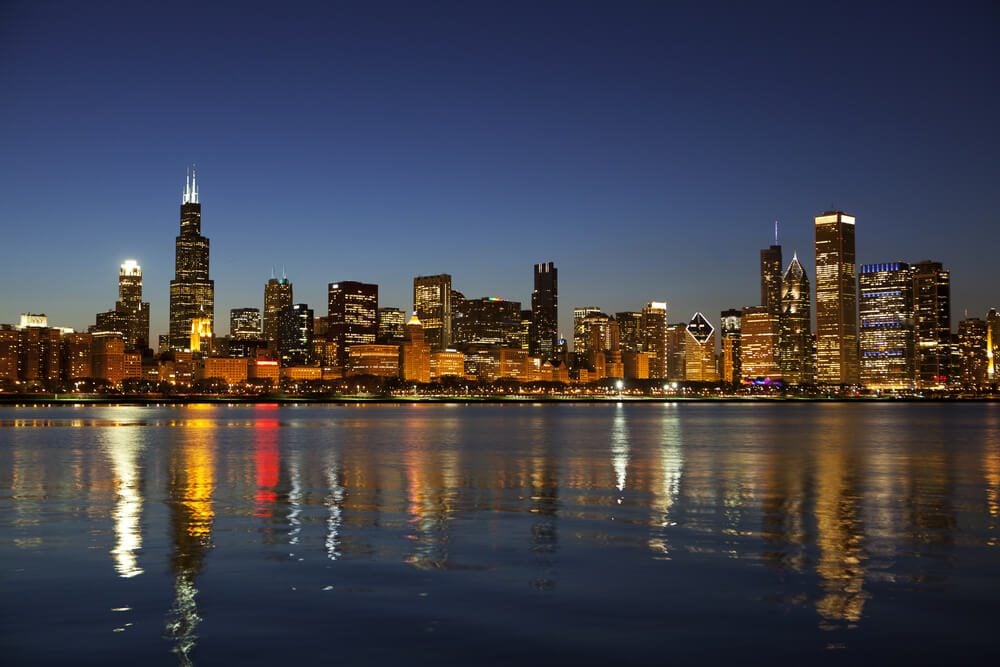
Beyond the meteorological realities and the journalistic origins, the nickname “Windy City” has come to symbolize much more than just strong breezes. It encapsulates the very essence of Chicago – a city of remarkable resilience, ceaseless innovation, and an unwavering can-do attitude. This spirit is evident in every facet of its lifestyle, from its world-class architecture to its vibrant cultural scene.
A City of Innovation and Resilience
Chicago’s history is punctuated by moments that demonstrate extraordinary resilience. The Great Chicago Fire of 1871, which devastated much of the city, could have been its ruin. Instead, Chicagoans embarked on an unprecedented rebuilding effort, attracting some of the era’s greatest architects and engineers. This period saw the birth of the skyscraper and the forging of a distinctly Chicago architectural style, characterized by innovation and functionality. From the ashes, a modern marvel emerged, a testament to the city’s determination.
This spirit of overcoming challenges and pioneering new paths continues to this day. Chicago has consistently been a hub for architectural innovation, a crucible for jazz and blues music, and a significant center for industry and commerce. The “wind” in “Windy City” has thus come to represent not just physical air currents, but also the powerful forces of change, progress, and an irrepressible collective will that have shaped the city. It speaks to the boldness of its vision, the strength of its people, and its continuous striving for excellence, making it an inspiring destination for business stays and educational tourism alike.
Experiencing the Windy City Today
Today, Chicago stands as a vibrant global city, a magnet for travelers seeking everything from unparalleled cultural experiences to world-class dining and luxurious accommodation. Embracing its “Windy City” identity, it offers an array of attractions and experiences that blend its historical roots with contemporary flair, ensuring that every visit is memorable.
Iconic Chicago Landmarks and Attractions
No visit to the Windy City is complete without exploring its renowned landmarks. The Willis Tower (formerly Sears Tower), with its thrilling Skydeck Ledge, offers breathtaking panoramic views that truly highlight the vastness of Lake Michigan and the city’s architectural prowess. Millennium Park is a contemporary masterpiece, home to the iconic Cloud Gate sculpture (affectionately known as “The Bean”), which brilliantly reflects the city’s skyline and the ever-changing skies.
The Art Institute of Chicago houses an extraordinary collection spanning centuries and cultures, solidifying Chicago’s reputation as a cultural powerhouse. Architecture tours, whether by boat along the Chicago River or on foot, are a must, showcasing the city’s diverse styles, from the works of Frank Lloyd Wright to the towering modern structures of the Magnificent Mile. Beyond downtown, vibrant neighborhoods like Lincoln Park offer green spaces and a world-class zoo, while Navy Pier provides family-friendly entertainment and stunning lake views, making Chicago a perfect destination for family trips.
Accommodation in Chicago: From Luxury to Boutique
When it comes to accommodation, Chicago offers an impressive range to suit every lifestyle and budget. For those seeking luxury travel, the city boasts numerous five-star hotels with unparalleled amenities and service. Establishments like the Hyatt Regency Chicago, with its prime location along the Chicago River, or the opulent The Langham Chicago and Thompson Chicago in the Gold Coast and River North areas, provide an exquisite base for exploring the city.
Travelers looking for unique experiences might opt for boutique hotels known for their distinctive design and personalized service. For budget travel or longer stays, a variety of apartments and well-appointed suites are available, often providing excellent value without compromising on comfort or location. Many hotels offer incredible views of the skyline or Lake Michigan, allowing guests to wake up to the quintessential Chicago experience, complete with its characteristic breezes. Whether you’re booking a quick getaway or planning a long-term stay, exploring the diverse accommodation options is key to a perfect Chicago adventure.

Culinary Delights and Chicago Tourism
Chicago’s tourism scene is further enriched by its world-renowned culinary landscape. The city is a paradise for foodies, offering everything from iconic local specialties to critically acclaimed Michelin-starred restaurants. No trip to the Windy City is complete without indulging in a classic Chicago-style deep-dish pizza, a hearty and delicious invention that embodies the city’s generous spirit. Equally essential is a Chicago-style hot dog, “dragged through the garden” with an array of vibrant toppings, best enjoyed from local institutions like Portillo’s.
Beyond these famous staples, Chicago’s diverse neighborhoods, from the historic streets of Wicker Park to the bustling West Loop, offer an incredible array of international cuisines, innovative farm-to-table dining, and trendy eateries. Exploring the local culture through its food is an integral part of the Chicago experience. From elegant rooftop bars offering stunning skyline views to cozy neighborhood pubs, there’s always a new taste or atmosphere to discover. These culinary adventures, combined with vibrant nightlife and a thriving arts scene, ensure that Chicago remains a top-tier global destination, continually drawing visitors back to experience its unique blend of urban sophistication and Midwestern charm.
In conclusion, the nickname “Windy City” is a multifaceted gem, reflecting Chicago’s literal climate, its historical rivalries, and most importantly, its indomitable spirit. It’s a city that has weathered literal and metaphorical storms, always emerging stronger and more vibrant. For travelers planning their next adventure, Chicago offers an enriching journey filled with iconic landmarks, diverse accommodation options, and unforgettable culinary experiences, all set against the backdrop of its legendary, inspiring breezes.
LifeOutOfTheBox is a participant in the Amazon Services LLC Associates Program, an affiliate advertising program designed to provide a means for sites to earn advertising fees by advertising and linking to Amazon.com. Amazon, the Amazon logo, AmazonSupply, and the AmazonSupply logo are trademarks of Amazon.com, Inc. or its affiliates. As an Amazon Associate we earn affiliate commissions from qualifying purchases.