
Chicago, a jewel of the United States Midwest, is known by many monikers – Second City, Hog Butcher for the World – but perhaps none is as ubiquitous and intriguing as “The Windy City.” This nickname conjures images of brisk breezes sweeping through towering skyscrapers, a fitting mental picture for a city renowned for its bold architecture and lakeside setting. Yet, the true origin of this enduring epithet is not as straightforward as one might assume, sparking debates among historians, meteorologists, and locals alike. For travelers planning a visit to this vibrant metropolis, understanding the roots of this nickname offers a deeper appreciation of Chicago’s unique character, from its meteorological realities to its historical ambition and cultural swagger.
Beyond just the literal winds that buffet the city, “The Windy City” encapsulates a narrative of resilience, architectural innovation, and a spirited civic pride that has shaped Chicago into a world-class destination. Whether you’re seeking to explore its architectural marvels, delve into its rich history, or simply enjoy its renowned culinary scene, the city’s relationship with its famous nickname is an integral part of the Chicago experience. This article delves into the various theories behind the nickname, offering insights that enrich any travel itinerary and help you truly understand why Chicago proudly carries the title of “The Windy City.”
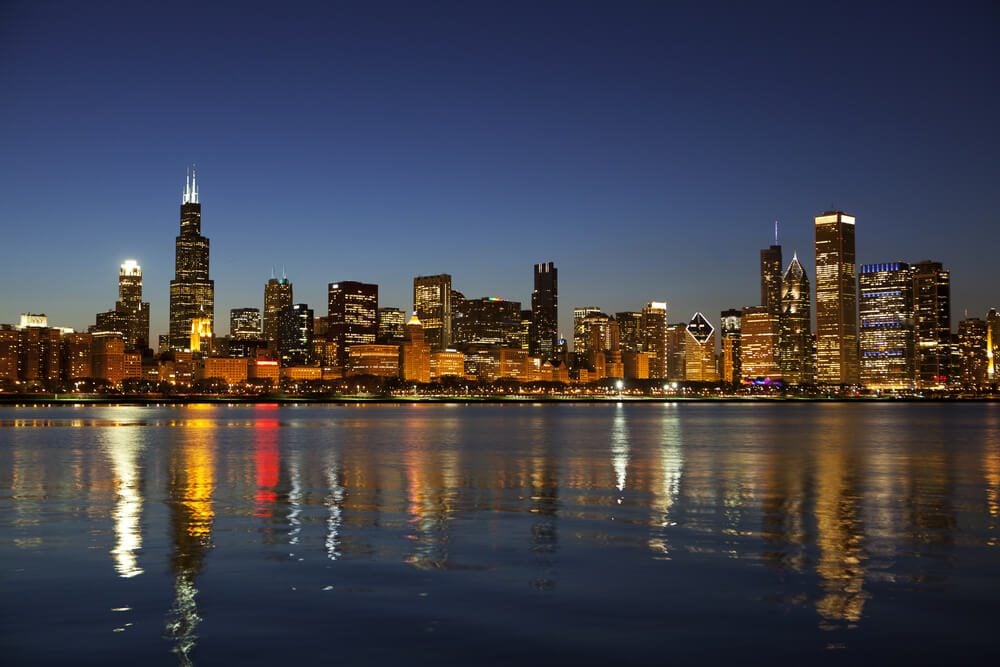
The Meteorological Perspective: Blustery by Nature
One of the most intuitive and widely accepted explanations for Chicago’s nickname points directly to its weather patterns. Situated on the southwestern shores of Lake Michigan, the city is undeniably subject to strong, consistent winds, especially during the autumn, winter, and spring months. This isn’t just anecdotal; there are genuine geographical and meteorological reasons for Chicago’s blustery climate.
The expansive, flat plains of the Midwest offer little resistance to air masses moving across the continent. When these air masses encounter the massive, relatively unobstructed surface of Lake Michigan, they tend to accelerate. The lake itself creates a phenomenon known as the “lake effect,” where temperature differences between the land and the water can generate localized wind patterns. During colder months, when the land cools faster than the lake, the warmer air above the lake rises, creating a low-pressure zone that draws in colder, denser air from the land. This results in the brisk, often biting winds that are characteristic of Chicago’s lakefront.
Furthermore, the city’s grid layout, combined with its dense collection of skyscrapers, can create a “canyon effect,” funneling and intensifying winds at street level. This urban wind effect is particularly noticeable in downtown areas and along the famous Magnificent Mile, where gusts can make walking a truly invigorating experience. For travelers, understanding this meteorological reality means packing layers, even in milder seasons, and being prepared for a fresh breeze during a leisurely stroll along the lakefront or an architectural boat tour. While the average wind speed in Chicago might not be significantly higher than in some other major cities, the consistent nature of the wind, coupled with its perceptible impact on daily life and the urban environment, certainly contributes to the popular perception of “The Windy City.”
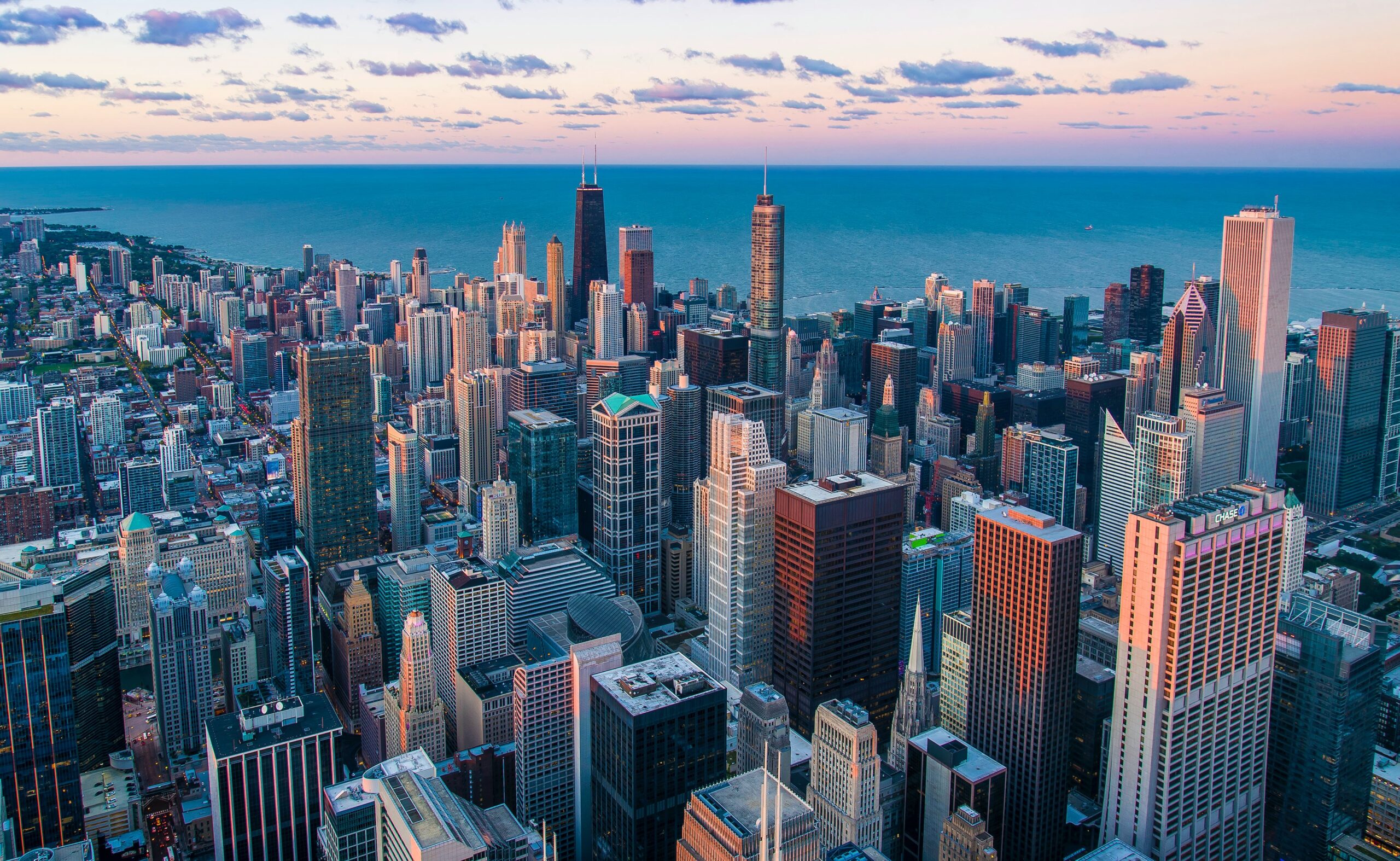
The Historical Narrative: A Tale of Rivalry and Boasting
While meteorological factors provide a tangible explanation, many historians argue that the nickname has a deeper, more colorful origin rooted in civic pride, political rhetoric, and inter-city rivalry during the late 19th century. This theory posits that “windy” wasn’t referring to the weather at all, but rather to the “windbag” nature of Chicago’s politicians and citizens, who were perceived as boastful about their rapidly growing city.
The New York Sun and Charles A. Dana
The most commonly cited origin of this theory traces back to an article published in the New York Sun newspaper on October 29, 1890. In the article, editor Charles A. Dana reportedly referred to Chicago as “The Windy City” in an editorial, primarily to criticize its inhabitants’ exaggerated claims and endless self-promotion. At the time, Chicago was fiercely competing with New York City to host the upcoming World’s Columbian Exposition of 1893.
Chicago had recently recovered from the devastating Great Chicago Fire of 1871, embarking on an ambitious rebuilding program that showcased unparalleled architectural innovation and rapid urban development. Its citizens and boosters were keen to demonstrate the city’s resurgence and its status as a burgeoning economic and cultural powerhouse. This led to considerable lobbying and fervent public relations efforts to secure the prestigious exposition. New York City, a long-established metropolis, viewed Chicago’s aggressive self-promotion with a mix of disdain and amusement. Dana’s comment, therefore, was less about literal gusts of wind and more about the “hot air” and “bluster” coming from Chicago’s advocates. The irony, of course, is that Chicago ultimately won the bid to host the World’s Columbian Exposition, a monumental event that further cemented its place on the global stage. This historical context offers a fascinating lens through which to view the city’s competitive spirit and its indelible mark on the landscape of United States urban development. For history buffs and those interested in local culture, exploring this narrative adds a rich layer to their Chicago experience.

Experiencing the “Windy City”: A Traveler’s Guide
Regardless of its precise origin, the nickname “The Windy City” has become inextricably linked to Chicago’s identity. For travelers, this means a city that is not only literally breezy but also figuratively vibrant, ambitious, and full of life. From world-class landmarks to unique cultural experiences, Chicago offers a diverse array of attractions that cater to every type of visitor.
Architectural Marvels and Iconic Landmarks
Chicago is renowned as an architectural mecca, a reputation born from its post-Great Chicago Fire rebuilding efforts and the pioneering work of the Chicago School of Architecture. The city’s innovative approach to skyscraper design, often influenced by the need to withstand strong winds, is a highlight for many visitors.
- Willis Tower (formerly Sears Tower): Once the tallest building in the world, the Willis Tower remains an iconic symbol of Chicago’s architectural prowess. Its bundled tube design was groundbreaking for its ability to resist wind sway. A visit to the Skydeck offers breathtaking panoramic views of the city and Lake Michigan, allowing you to truly appreciate the city’s vastness and its proximity to the lake.
- 875 North Michigan Avenue (formerly John Hancock Center): Another engineering marvel, this distinctive skyscraper with its visible X-bracing system is both aesthetically striking and structurally sound against strong winds. The 360 Chicago Observation Deck provides a unique perspective, including “TILT,” a moving platform that literally tilts you out over the city.
- Cloud Gate (The Bean) in Millennium Park: This iconic sculpture, reflective and mesmerizing, is a must-see. Located in the heart of the city, it reflects the stunning skyline and the ever-changing Chicago skies. The open spaces of Millennium Park and nearby Grant Park often provide a tangible experience of Chicago’s famous winds.
- Architectural Boat Tour: A guided tour along the Chicago River is arguably the best way to appreciate the city’s architectural heritage. Knowledgeable guides provide fascinating insights into the design, history, and engineering innovations that define Chicago’s skyline, including how buildings are designed to stand firm against the city’s breezes.
- Frank Lloyd Wright Home and Studio in Oak Park: For those interested in the roots of modern American architecture, a short trip to Oak Park to explore Frank Lloyd Wright’s pioneering work offers a different perspective on architectural innovation away from the skyscrapers. Other historical architectural gems worth visiting include the Rookery Building and the Glessner House Museum.
Lakeside Leisure, Culture, and Culinary Delights
Chicago’s proximity to Lake Michigan means there are abundant opportunities for leisure and recreation, even with the occasional gust of wind. The lakefront trail stretches for miles, perfect for biking, jogging, or a scenic walk.
- Navy Pier: A bustling hub of entertainment, Navy Pier offers Ferris wheel rides, boat tours, shops, and restaurants, providing family-friendly fun with fantastic lake views.
- Museum Campus: Home to the Field Museum, the Shedd Aquarium, and the Adler Planetarium, this scenic area provides a concentrated dose of culture and education, all against the backdrop of the city skyline and Lake Michigan. The renowned Art Institute of Chicago, one of the oldest and largest art museums in the United States, is also a short walk away.
- Culinary Scene: Chicago is a foodie paradise. No visit is complete without indulging in a classic deep-dish pizza from establishments like Lou Malnati’s or Giordano’s. Beyond pizza, the city boasts an incredible array of fine dining, diverse ethnic cuisines, and vibrant neighborhood eateries.
- Music and Nightlife: Known as the birthplace of house music and a historical hub for blues and jazz, Chicago’s nightlife is legendary. Catch a live blues show in a historic club or dance the night away in a trendy lounge.
Accommodation: Where to Stay in the Windy City
Chicago offers an impressive range of accommodation options, from luxury resorts to boutique hotels and budget-friendly apartments, catering to every traveler’s lifestyle and preference. Many offer stunning views of the city or Lake Michigan, allowing you to experience the essence of the “Windy City” from the comfort of your room.
- Luxury Stays: For those seeking unparalleled elegance and service, hotels like The Langham Chicago, known for its riverside location and impeccable amenities, or The Peninsula Chicago on the Magnificent Mile, offer an exquisite experience. The Hyatt Park Chicago is another top-tier choice, providing sophisticated comfort and stunning views.
- Boutique Hotels: If you prefer a more unique and personalized experience, consider the Thompson Chicago in the vibrant Gold Coast neighborhood or Virgin Hotels Chicago in the Loop, which combines modern design with a lively atmosphere.
- Family-Friendly Options: Many hotels cater to families, offering spacious suites and convenient access to attractions. Look for hotels near Millennium Park or Navy Pier for easy access to family activities.
- Budget-Conscious Choices: Chicago also has a wealth of more affordable hotels and guesthouses, particularly in neighborhoods slightly outside the immediate downtown core, without sacrificing access to public transportation and key sights. Booking in advance, especially during peak season, is always advisable.
In conclusion, “Why is Chicago The Windy City?” is a question with a multi-layered answer. It’s a testament to its literal meteorological conditions, shaped by Lake Michigan and the flat Illinois plains. But perhaps more profoundly, it’s a nod to the city’s unyielding spirit, its ambitious architectural dreams, and the bold, often boisterous, character of its people. For any traveler, experiencing Chicago means embracing this multifaceted identity, feeling the lake breeze, marveling at the towering achievements, and soaking in the vibrant culture that makes this city truly one of a kind. So, pack a jacket, prepare for an unforgettable adventure, and come discover for yourself the enduring charm of “The Windy City.”
LifeOutOfTheBox is a participant in the Amazon Services LLC Associates Program, an affiliate advertising program designed to provide a means for sites to earn advertising fees by advertising and linking to Amazon.com. Amazon, the Amazon logo, AmazonSupply, and the AmazonSupply logo are trademarks of Amazon.com, Inc. or its affiliates. As an Amazon Associate we earn affiliate commissions from qualifying purchases.