
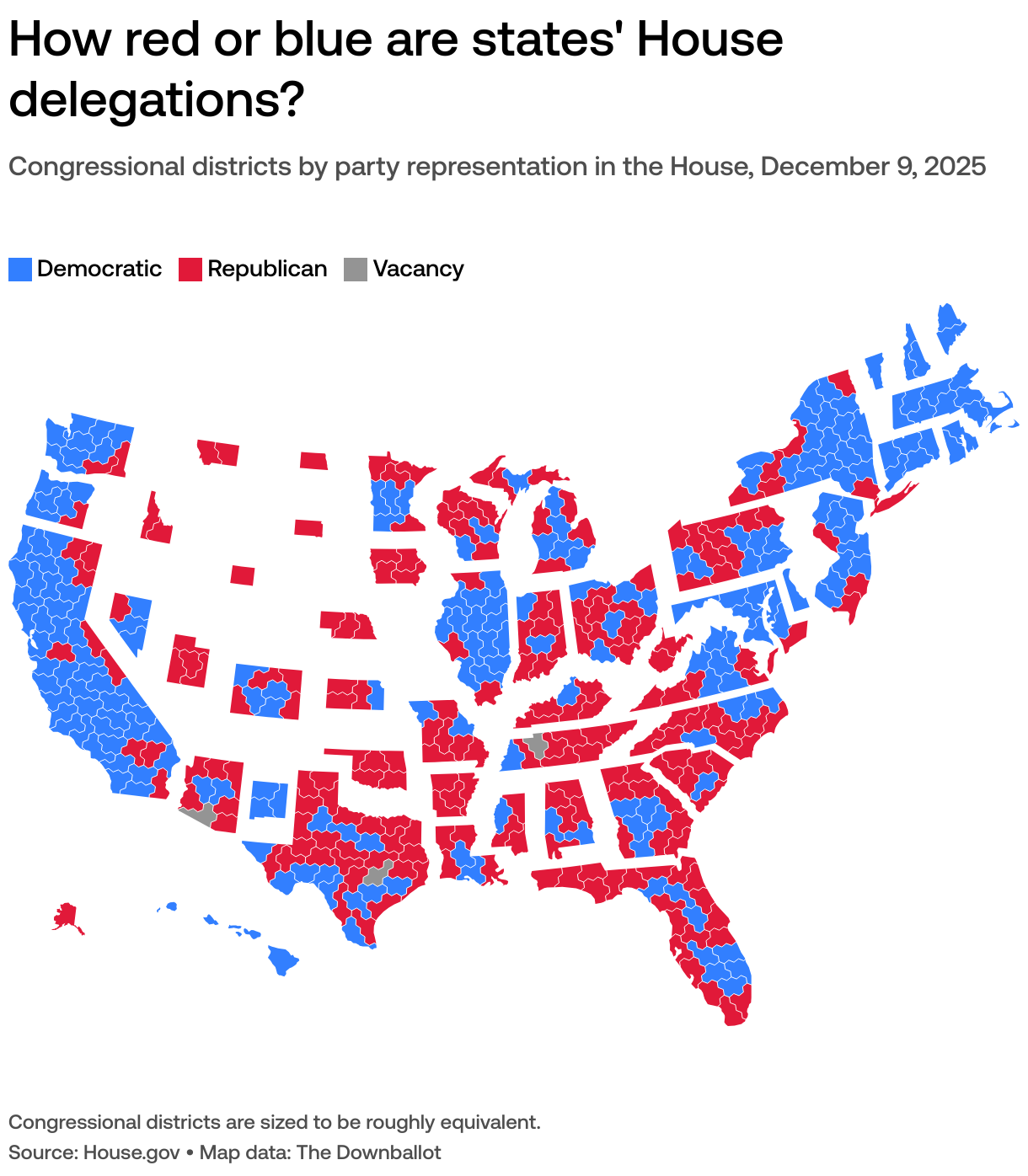
The question of why Colorado is often referred to as a “blue state” is a fascinating one, touching upon demographics, shifting political landscapes, and the unique cultural tapestry of this Rocky Mountain state. While Colorado has a history of being a swing state, its recent electoral trends and the increasing influence of urban centers have solidified its “blue” identity for many. This transformation is not a sudden shift but rather a gradual evolution influenced by a confluence of factors, from its growing and diversifying population to its burgeoning tech industry and its embrace of progressive values.
Beyond its political leanings, Colorado is a land of breathtaking natural beauty, offering unparalleled opportunities for travel and tourism. From the majestic peaks of the Rocky Mountains to the vibrant cultural scenes in its cities, the state draws millions of visitors annually seeking adventure, relaxation, and unique experiences. This influx of people, coupled with the state’s inherent appeal, has shaped its identity in profound ways, contributing to both its economic growth and its evolving political complexion.
The Shifting Demographics and Urbanization of Colorado
One of the most significant drivers behind Colorado’s classification as a blue state is its rapidly changing demographics. Over the past few decades, the state has experienced substantial population growth, fueled by both in-migration and a healthy birth rate. This growth has been particularly concentrated in its major metropolitan areas, namely the Denver metropolitan area, which includes cities like Denver, Aurora, Boulder, and Colorado Springs.
These urban centers have become magnets for young professionals, tech workers, and individuals seeking a high quality of life, drawn by the state’s natural beauty, outdoor recreation opportunities, and a generally progressive atmosphere. As these urban populations have swelled, they have brought with them a more liberal voting bloc. Cities are often hubs of diversity, and Colorado’s growing cities are no exception. The increasing presence of minority groups, a younger electorate, and a more educated populace generally correlates with a greater propensity to vote for Democratic candidates.
The Denver metro area, in particular, has become a stronghold for the Democratic party. Its residents tend to be more socially liberal and economically progressive, supporting policies related to environmental protection, social justice, and robust public services. This is a stark contrast to the more rural and mountainous regions of Colorado, which often retain more conservative political leanings. The growing influence of these urban hubs has effectively tipped the scales in statewide elections, leading to consistent Democratic victories in recent presidential and senatorial races.
The Impact of Young Professionals and the Tech Boom
The rise of Colorado’s tech industry has played a pivotal role in shaping its urban centers and, consequently, its political landscape. Cities like Boulder and parts of the Denver area have become burgeoning tech hubs, attracting talented individuals from across the country and the world. These professionals often bring with them a progressive mindset, valuing innovation, environmental sustainability, and social equity.
This influx of skilled workers has not only boosted the state’s economy but has also contributed to a younger and more liberal demographic in key areas. The lifestyle associated with this demographic often includes a strong emphasis on outdoor recreation, healthy living, and a desire for policies that protect natural resources and promote sustainable development. This aligns closely with the platform of the Democratic party, which often champions environmental initiatives and investments in renewable energy.
The prevalence of universities in cities like Boulder and Fort Collins also contributes to a more liberal voting base. College towns are traditionally centers of progressive thought, with students and faculty often engaging in activism and supporting candidates who advocate for social change and environmental stewardship. The presence of institutions like the University of Colorado Boulder and Colorado State University has a demonstrable impact on the political leanings of their surrounding communities.
Colorado’s Evolving Cultural and Social Landscape
Beyond its demographic shifts, Colorado’s cultural and social landscape has also undergone a significant evolution, contributing to its “blue” status. The state has become increasingly known for its progressive social policies and its embrace of diverse lifestyles. This is reflected in the state’s approach to issues such as marijuana legalization, LGBTQ+ rights, and environmental conservation.
The legalization of recreational marijuana in Colorado was a landmark decision that garnered national attention. This progressive stance on drug policy resonated with a significant portion of the electorate and is often seen as an indicator of a more liberal social outlook. It signaled a willingness to explore alternative approaches to social issues and to trust the judgment of voters.
Furthermore, Colorado has been at the forefront of protecting its natural environment. The stunning landscapes, from the towering peaks of the San Juan Mountains to the unique geological formations of Rocky Mountain National Park, are not just attractions for tourists but are deeply ingrained in the state’s identity. This reverence for nature translates into strong support for environmental regulations, renewable energy initiatives, and the preservation of public lands. This commitment to conservation aligns closely with Democratic party values and has been a key factor in mobilizing voters.
The increasing diversity of Colorado’s population also plays a crucial role. As the state becomes more ethnically and culturally diverse, its political priorities and voting patterns begin to reflect this broader spectrum of experiences and perspectives. This includes a greater emphasis on issues of social justice, equitable opportunities, and inclusive representation. The blend of established Western culture with the influences of new residents creates a dynamic and forward-thinking society that often leans towards progressive policies.
The Appeal of Colorado: A Magnet for Diverse Lifestyles
The very allure of Colorado as a destination for travel and tourism is intrinsically linked to its changing social and political identity. People are drawn to the state not only for its natural wonders but also for the lifestyle it offers. This includes a strong emphasis on outdoor recreation, a thriving craft beer and culinary scene, and a generally laid-back and health-conscious culture.
The availability of world-class ski resorts like Aspen Snowmass and Vail Ski Resort, along with unparalleled hiking and biking trails, attracts individuals who value an active and outdoors-oriented life. This demographic often also prioritizes environmental protection and supports policies that preserve these natural assets.
The burgeoning culinary scene, from farm-to-table restaurants in Denver to charming eateries in mountain towns, reflects a growing appreciation for local produce and artisanal goods. This focus on localism and sustainability is often intertwined with progressive values. Similarly, the vibrant arts and cultural scenes in cities like Denver, with its numerous museums and galleries, contribute to a sophisticated and liberal urban environment.
The variety of accommodation options available further caters to diverse lifestyles. Whether it’s luxury resorts in Aspen, boutique hotels in Denver, or cozy apartments for long-term stays, Colorado offers something for every type of traveler and resident. This broad appeal, encompassing everything from budget travel to luxury experiences, helps to foster a diverse population with a wide range of perspectives, all contributing to the state’s overall political leanings.

The Influence of Political Realignment and Urban-Rural Divide
Historically, Colorado was considered a reliably Republican state. However, a gradual political realignment began to take hold, driven by the factors discussed above. The increasing urbanization and the demographic shifts in its major cities started to outweigh the conservative leanings of its rural areas.
This urban-rural divide is a common theme in American politics, and Colorado is a prime example. While the metropolitan areas consistently vote Democratic, the vast expanse of rural Colorado often leans Republican. The sheer population density in the urban centers means that their voting power often dominates statewide elections.
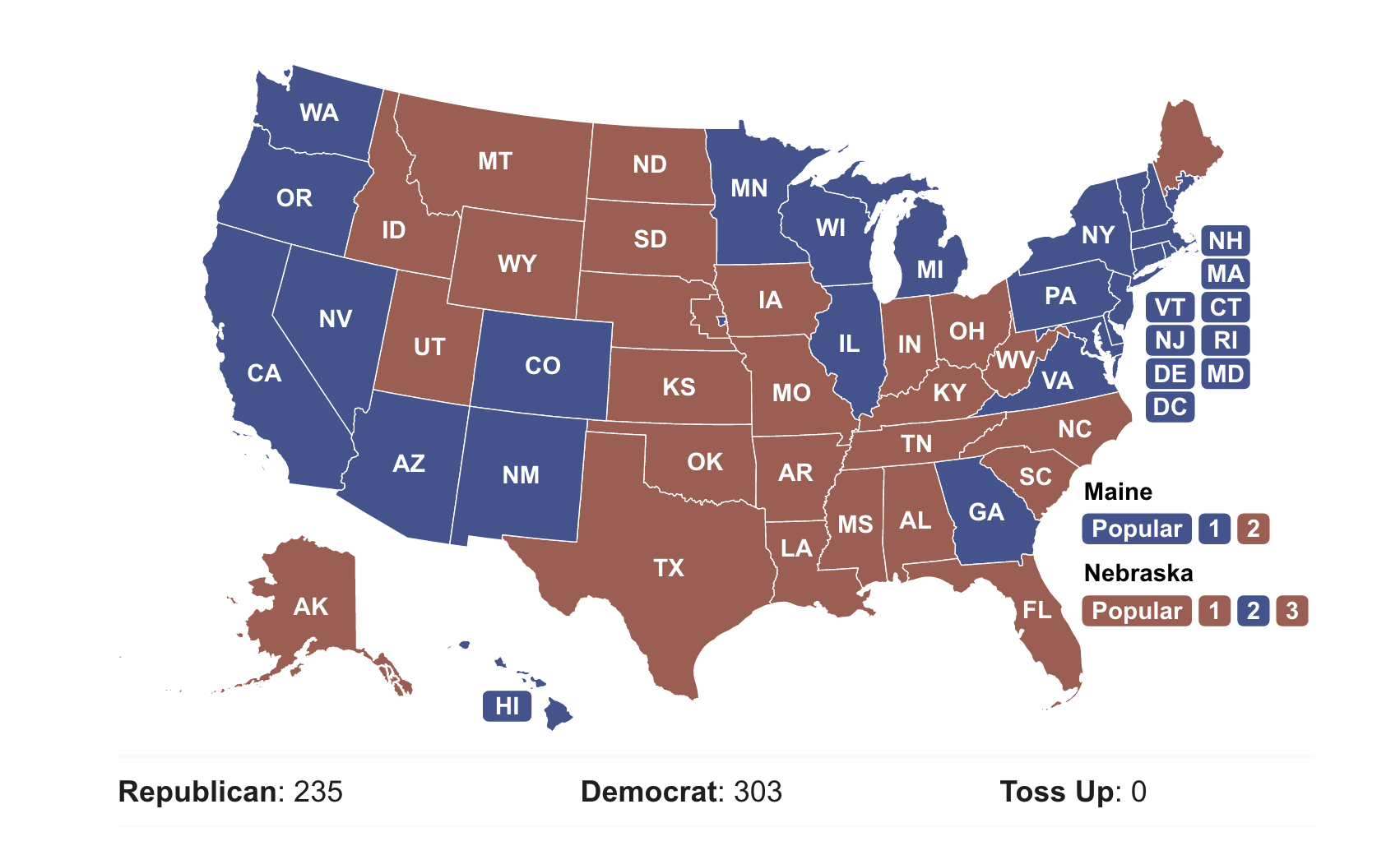
Key presidential elections, such as those in 2008, 2012, 2016, and 2020, have seen Colorado consistently vote for the Democratic candidate. This trend solidified its reputation as a blue state. While there might be occasional close races or shifts in local elections, the overarching trend in statewide and federal elections has been towards the Democratic party.
This realignment is not just about party affiliation but also about evolving priorities. Issues such as climate change, healthcare access, and social equity have become increasingly important to Colorado’s electorate, particularly in its urban centers. These are issues that the Democratic party often champions, further cementing its appeal to a growing segment of the population. The state’s economic development, driven by sectors like technology and tourism, also fosters a more cosmopolitan and often more liberal outlook among its residents.
In conclusion, Colorado’s transition to a “blue state” is a multifaceted phenomenon. It is a testament to the power of demographic change, the impact of economic development on social values, and the evolving priorities of its diverse population. As the state continues to grow and attract new residents, its political landscape is likely to remain shaped by these powerful forces, solidifying its identity as a progressive and forward-looking state in the American West. The vibrant combination of its natural beauty, its dynamic cities, and its embrace of modern values continues to make Colorado a captivating destination for travelers and a unique political entity.
LifeOutOfTheBox is a participant in the Amazon Services LLC Associates Program, an affiliate advertising program designed to provide a means for sites to earn advertising fees by advertising and linking to Amazon.com. Amazon, the Amazon logo, AmazonSupply, and the AmazonSupply logo are trademarks of Amazon.com, Inc. or its affiliates. As an Amazon Associate we earn affiliate commissions from qualifying purchases.