
The moniker “The Centennial State” is an honorific deeply woven into the fabric of Colorado, a state celebrated for its breathtaking landscapes, rich history, and vibrant culture. This distinctive title isn’t merely a catchy slogan; it’s a direct reference to a pivotal moment in American history and Colorado’s subsequent journey to statehood. The answer to why Colorado earned this prestigious name lies in its admission to the Union during a significant national anniversary, a fact that resonates with the state’s enduring spirit of progress and its deep connection to the nation’s past.
The story of Colorado as “The Centennial State” begins with the centennial celebration of the United States. In 1876, the nation marked 100 years since the adoption of the Declaration of Independence. It was during this landmark year that Colorado officially became the 38th state. This timing was no coincidence; it was a deliberate and symbolic gesture to commemorate a century of American independence by welcoming a new state into the fold. The nickname, therefore, serves as a constant reminder of this historical alignment, linking Colorado’s birth as a state to the very foundations of the United States.
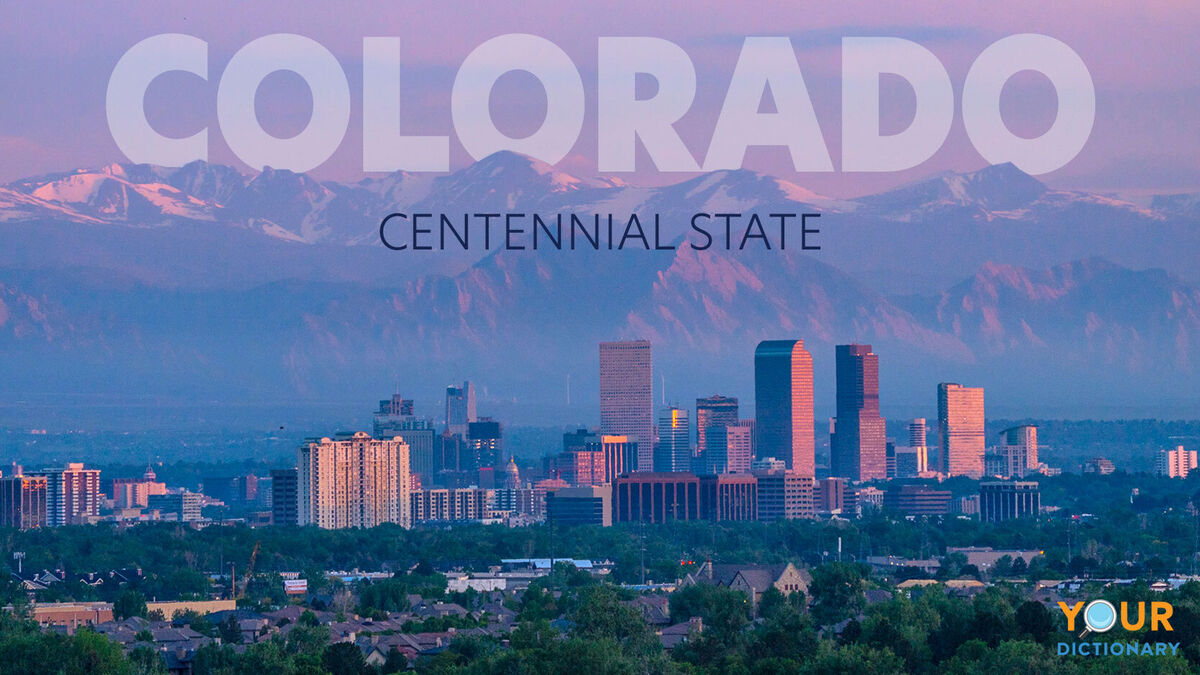
Beyond its historical significance, the nickname also speaks to the pioneering spirit that has characterized Colorado throughout its existence. From the days of the Gold Rush to the modern era of innovation, Colorado has consistently been a place of opportunity and a destination for those seeking a new beginning. This forward-looking dynamism, coupled with a profound respect for its past, makes “The Centennial State” a fitting descriptor for a place that continues to evolve while cherishing its heritage.
A Deeper Dive into Colorado’s Centennial Identity
The decision to grant statehood to Colorado in 1876 was the culmination of years of growth and development in the territory. The region’s immense natural resources, particularly its precious metals, had attracted a significant influx of settlers, transforming the sparsely populated territory into a burgeoning community. As the population grew and political structures were established, the desire for self-governance and representation in the federal government intensified. The national centennial provided the perfect backdrop for this long-awaited transition.
The Road to Statehood: From Territory to Centennial State
The journey of Colorado to statehood was a complex process, marked by political negotiations, territorial governance, and the evolving needs of its rapidly expanding population. The Colorado Territory was established in 1861, following the secession of several Southern states at the onset of the Civil War. This act by the U.S. Congress laid the groundwork for future statehood, but the path forward was not immediate.
During the territorial period, Colorado experienced significant growth, fueled by the discovery of gold and silver. The Pike’s Peak Gold Rush in 1858 and 1859 brought thousands of prospectors and adventurers to the region, leading to the rapid establishment of towns and cities. Denver, initially a small mining camp, quickly grew into a significant urban center. The economic prosperity generated by mining was a key factor in the growing sentiment for statehood, as it demonstrated the territory’s capacity for self-sufficiency and economic contribution.
However, statehood was not granted without political considerations. There were periods of resistance and debate in Washington, D.C., regarding Colorado’s readiness and political alignment. Some factions in Congress were hesitant to admit new states during a period of national upheaval, while others saw the admission of a Western state as a strategic move to bolster federal power. Ultimately, the persistence of Colorado’s leaders and the undeniable growth and stability of the territory paved the way for its eventual admission.
The signing of the Colorado Enabling Act by President Ulysses S. Grant in March 1875 was a crucial step. This act permitted the inhabitants of the Colorado Territory to draft a state constitution, a necessary precursor to formal statehood. The Colorado Constitutional Convention convened in Denver in December 1875, where delegates debated and ratified a document that would guide the new state’s governance. This constitution, largely reflective of the ideals of the time, was overwhelmingly approved by the voters of Colorado.
Finally, on August 1, 1876, President Grant signed the proclamation admitting Colorado into the Union. The timing was precise: it was precisely 100 years and four days after the signing of the Declaration of Independence. This deliberate synchronization cemented Colorado’s identity as “The Centennial State,” a name that immediately honored its admission during the nation’s centennial year. The nickname became a source of pride, a symbol of the state’s place in the American narrative, and a testament to its journey from a raw frontier to a recognized member of the United States.
Exploring Colorado’s Centennial Legacy Through Landmarks and Lifestyle
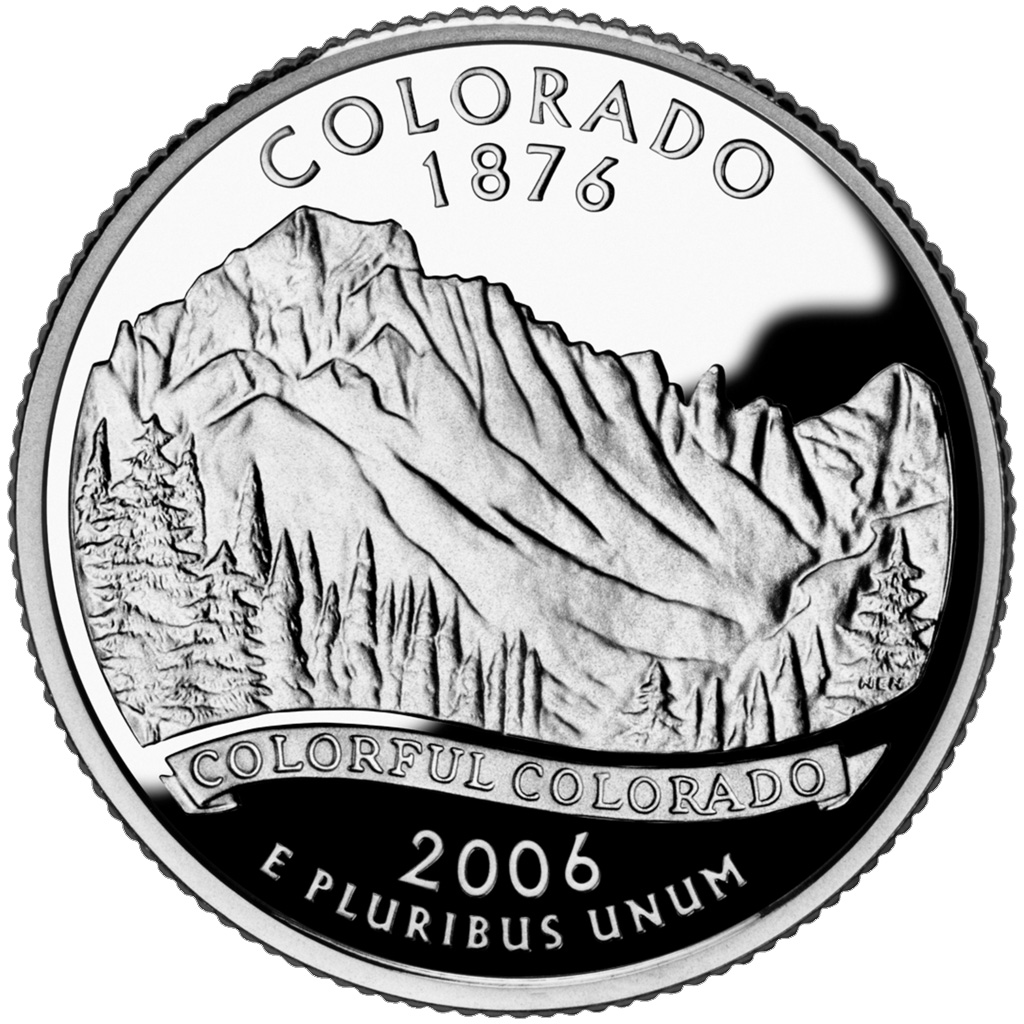
The designation “The Centennial State” is more than just a historical footnote; it actively informs Colorado’s identity and manifests in its rich tapestry of landmarks, cultural experiences, and diverse lifestyles. Visitors and residents alike can trace this legacy through the very essence of what makes Colorado so unique.
Iconic Landmarks: Monuments to History and Nature
Colorado’s landmarks stand as silent witnesses to its centennial journey. From the awe-inspiring natural wonders to the man-made structures that tell tales of early settlers and ambitious enterprises, these sites offer tangible connections to the state’s past.
One cannot discuss Colorado’s landmarks without mentioning the majestic Rocky Mountains. Their rugged peaks have always been a defining feature of the landscape and a source of inspiration for generations. Within this grandeur lie numerous sites that echo the state’s history. Rocky Mountain National Park, a jewel of the National Park Service, offers unparalleled natural beauty and opportunities for exploration, reminding visitors of the pristine wilderness that first drew pioneers westward. The park’s creation and preservation are part of Colorado’s ongoing commitment to safeguarding its natural heritage, a legacy tied to the very lands that were incorporated into the state during its centennial.
In the realm of history, Mesa Verde National Park is an extraordinary testament to the ancient inhabitants of Colorado. The remarkably preserved cliff dwellings of the Ancestral Puebloans offer a profound glimpse into a civilization that thrived in this region centuries before Colorado became a state. Exploring these ancient sites provides a humbling perspective on the long human history of the land, predating even the territorial aspirations that led to statehood.
Closer to the bustling urban centers, the architectural heritage of Denver also reflects the state’s growth. The Colorado State Capitol Building in Denver, with its distinctive gold dome, is a prominent symbol of the state’s government and a direct link to its centennial year. Built and dedicated shortly after statehood, it stands as a monument to the aspirations and governance of a newly formed state. The historic Brown Palace Hotel and Spa, a landmark in Denver, opened its doors in 1892, becoming a symbol of the city’s prosperity and a luxurious lodging option for travelers and dignitaries during the late 19th and early 20th centuries, embodying the burgeoning lifestyle of a state finding its footing.
For those interested in the state’s mining past, towns like Central City and Black Hawk offer a tangible link to the Gold Rush era. These historic mining districts, now vibrant with revitalized charm and modern attractions, allow visitors to step back in time and imagine the lives of those who flocked to Colorado in pursuit of fortune, a key driver in the territory’s journey to statehood.
A Centennial Lifestyle: Embracing Adventure and Culture
The spirit of “The Centennial State” is alive and well in the diverse lifestyles it fosters, catering to a wide range of preferences from the adventurous to the refined. Colorado’s appeal lies in its ability to offer experiences that resonate with its historical designation while embracing contemporary living.
For the outdoor enthusiast, Colorado is an unparalleled destination. The state’s mountainous terrain offers endless opportunities for hiking, skiing, snowboarding, and other recreational activities. Resorts like Aspen Snowmass and Vail Resorts are world-renowned for their luxurious accommodations and exceptional winter sports experiences, attracting a global clientele. The accessibility of these natural playgrounds, coupled with the state’s commitment to preserving its wild spaces, reflects a lifestyle deeply intertwined with the land that became Colorado in 1876.
The culinary scene in Colorado is as diverse as its landscapes. From farm-to-table restaurants in Boulder that champion local produce to innovative eateries in Denver pushing the boundaries of gastronomy, the state offers a rich food culture. This culinary exploration is a modern manifestation of the bounty that the land provides, a tradition that has evolved from the sustenance of early settlers to the sophisticated dining experiences of today.
Colorado’s commitment to culture and arts is also a significant aspect of its centennial lifestyle. Numerous museums, galleries, and performance venues showcase the state’s creative spirit. The Denver Art Museum, with its impressive collections, and the Red Rocks Amphitheatre, an iconic natural concert venue, are testaments to the state’s vibrant cultural offerings. These institutions not only preserve and present artistic works but also contribute to a dynamic cultural landscape that has flourished since Colorado became a state.
Whether one chooses to stay in a luxury suite at a boutique hotel in Telluride, a sprawling resort in the mountains, or a cozy apartment for a long-term stay near Boulder, Colorado offers accommodations to suit every taste and budget. The emphasis on experiencing the local culture, engaging in outdoor activities, and appreciating the state’s rich history is a common thread that binds these diverse lifestyles together, all under the proud banner of “The Centennial State.” This enduring nickname, therefore, serves not just as a historical marker but as an ongoing invitation to explore and embrace the multifaceted allure of Colorado.
LifeOutOfTheBox is a participant in the Amazon Services LLC Associates Program, an affiliate advertising program designed to provide a means for sites to earn advertising fees by advertising and linking to Amazon.com. Amazon, the Amazon logo, AmazonSupply, and the AmazonSupply logo are trademarks of Amazon.com, Inc. or its affiliates. As an Amazon Associate we earn affiliate commissions from qualifying purchases.