
Alaska, the nation’s largest state by landmass, captivates with its rugged beauty, unparalleled wilderness, and a spirit of frontier independence. It’s a dream destination for many, offering adventures from glacier trekking to wildlife viewing. Yet, beneath the veneer of stunning landscapes and intrepid exploration lies a complex social reality, including some of the highest crime rates in the United States. For travelers seeking to understand the destinations they visit more deeply, comprehending these underlying dynamics is crucial for both awareness and appreciation of the local context.
Alaska’s Paradox: Untamed Beauty, Unique Challenges
The very characteristics that make Alaska so appealing—its vastness, remoteness, and unique demographics—also contribute significantly to its elevated crime statistics. Alaska is not just big; it’s sparsely populated, with numerous isolated communities scattered across millions of acres. This geographic isolation creates immense challenges for law enforcement, emergency services, and the establishment of robust social support systems found in more densely populated regions.

Imagine a state with only a few major road networks, where many communities are accessible only by plane or boat, especially during certain times of the year. This logistical hurdle means that response times for police can be exceptionally long, sometimes hours or even days, depending on the severity of weather or the availability of resources. Small towns often have limited or no local police presence, relying instead on state troopers who must cover enormous territories. This lack of immediate law enforcement presence can embolden criminals and make it difficult to deter crime or swiftly apprehend offenders.
Furthermore, the transient nature of certain populations contributes to the issue. Resource extraction industries, such as oil and fishing, often draw a fluctuating workforce, many of whom are single men seeking high wages in remote locations. This can lead to boom-and-bust cycles, placing strain on local infrastructure and creating social environments where alcohol consumption and interpersonal conflicts might escalate. While these industries are vital to Alaska’s economy, their operational models sometimes unintentionally foster environments conducive to higher crime rates.
The Harsh Realities: Factors Fueling Crime Rates
Beyond geographic isolation, several socio-economic and cultural factors intertwine to create a fertile ground for crime in Alaska. Understanding these elements provides a more nuanced picture for the thoughtful traveler.
Economic Strain and Resource Scarcity
Despite its resource wealth, Alaska faces significant economic disparities. The cost of living is notoriously high, especially in remote areas where basic goods must be flown or shipped in. This economic pressure, coupled with limited job opportunities outside of specific industries or urban centers like Anchorage or Fairbanks, can lead to desperation and property crimes. For many, accessing education, healthcare, and stable employment remains a challenge, particularly for residents of Alaska Native villages where traditional subsistence lifestyles are increasingly difficult to maintain alongside modern economic pressures.
Substance Abuse Epidemic
A pervasive issue across many Alaskan communities is the high rate of alcohol and drug abuse. The long, dark winters, isolation, and historical traumas, particularly within Alaska Native populations, contribute to widespread substance dependence. This epidemic is a significant driver of various crimes, including domestic violence, assault, and property theft. When individuals are under the influence, judgment is impaired, and conflicts can quickly escalate into violence. The lack of adequate treatment facilities, especially in rural areas, exacerbates the problem, creating a cycle that is difficult to break.
Historical Trauma and Social Disintegration
For Alaska Native communities, a history of colonialism, forced assimilation, and the disruption of traditional social structures has left deep scars. These historical traumas manifest in intergenerational issues such as substance abuse, mental health challenges, and family dysfunction, all of which are statistically linked to higher rates of violent crime and victimization. The traditional systems of justice and social support within these communities have often been eroded, replaced by external systems that may not fully understand or address the unique challenges faced by Alaska Native peoples.

Beyond the Statistics: Understanding the Types of Crime
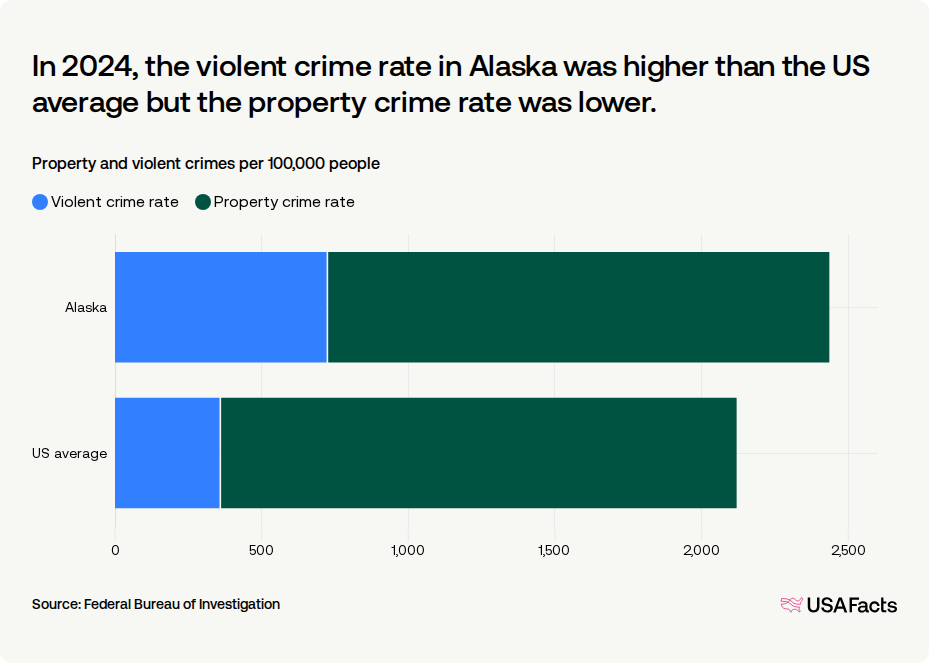
While general crime rates are high, it’s important to delve into the specific types of offenses that disproportionately affect Alaska and how they might pertain to a traveler’s awareness. The Bureau of Justice Statistics and the FBI Uniform Crime Reporting Program consistently show that Alaska struggles most with violent crimes, particularly sexual assault and domestic violence.
Violent Crime: A Deeply Rooted Issue
Alaska has the highest rates of sexual assault in the nation, often significantly exceeding the national average. This alarming statistic is complex, stemming from a combination of factors including isolation, substance abuse, cultural factors that may discourage reporting, and the challenges of justice delivery in remote areas. Domestic violence also remains a rampant issue, often hidden behind closed doors in isolated settings where victims have limited access to resources or escape routes. While these crimes primarily affect residents, understanding their prevalence helps travelers appreciate the social fabric of the state. Most tourist activities and attractions, especially those with established operators, are generally safe spaces, but a general awareness of the socio-economic context is always prudent.
Property Crime: More Visible for Visitors
Compared to violent crime, property crime might be more immediately visible to travelers. Theft, burglary, and vehicle break-ins do occur, particularly in urban centers and areas with higher foot traffic. Like any travel destination, common-sense precautions are advisable: secure your valuables, don’t leave items visible in your car, and be aware of your surroundings, especially in crowded areas or at night. The transient nature of some populations and economic hardship can contribute to these types of offenses.
Informed Travel: Navigating Alaska with Awareness
For the vast majority of visitors, a trip to Alaska will be an unforgettable and safe experience, filled with natural wonders and friendly encounters. The high crime rates, while a serious concern for residents, are largely concentrated in specific socio-economic contexts and not typically endemic to the primary tourist infrastructure or destinations. However, being an informed traveler means understanding the realities of your destination, not just its curated highlights.
Prioritize Reputable Operators
When planning excursions into the wilderness or booking guided tours, always choose reputable and established tour operators. They are knowledgeable about local conditions, prioritize safety, and are equipped to handle emergencies. Whether you’re exploring Denali National Park or kayaking in Kenai Fjords National Park, a professional guide adds a crucial layer of safety.
Urban vs. Rural Awareness
Major cities like Anchorage, Fairbanks, and Juneau present the typical urban challenges found in any city globally. While generally safe, be mindful of your personal belongings, especially in tourist hotspots or around transportation hubs. In more remote communities, especially those less accustomed to tourism, cultural sensitivity is paramount. Understanding local customs and respecting community norms can prevent misunderstandings.
Personal Responsibility and Preparedness
Travelers to Alaska are often independent adventurers. This spirit of self-reliance should extend to personal safety. Always inform someone of your itinerary, especially if venturing into remote areas. Carry appropriate gear, understand local weather patterns, and be prepared for self-sufficiency. While these measures are primarily for wilderness safety, they also contribute to overall well-being by ensuring you are not unnecessarily vulnerable.
Community Resilience and Ongoing Efforts
Despite the significant challenges, many individuals and organizations in Alaska are working tirelessly to address the root causes of crime and improve community safety. Grassroots movements, Alaska Native organizations, and state agencies are collaborating to expand access to mental health services, addiction treatment, and victim support. Efforts are underway to strengthen local law enforcement capacity, especially in rural villages, and to implement community-based justice solutions that are culturally appropriate and effective.
For travelers, recognizing the resilience of Alaskan communities and the ongoing commitment to overcoming these challenges adds another dimension to the travel experience. It allows for a deeper appreciation of the people who call this extraordinary place home and the complex tapestry of life in the Last Frontier. By approaching Alaska with an informed and respectful perspective, visitors can not only enjoy its unparalleled beauty but also gain insight into the profound human stories that unfold within its vast landscapes.
LifeOutOfTheBox is a participant in the Amazon Services LLC Associates Program, an affiliate advertising program designed to provide a means for sites to earn advertising fees by advertising and linking to Amazon.com. Amazon, the Amazon logo, AmazonSupply, and the AmazonSupply logo are trademarks of Amazon.com, Inc. or its affiliates. As an Amazon Associate we earn affiliate commissions from qualifying purchases.