
The question “Why is Detroit so poor?” echoes a sentiment often shaped by headlines of economic hardship, municipal bankruptcy, and urban decay. Yet, to truly understand the city, one must look beyond simplistic narratives and delve into a complex history that profoundly shaped the lifestyles of its residents, transformed its urban fabric, and ultimately forged a unique and resilient community spirit. Far from a static state of poverty, Detroit’s economic trajectory is a dynamic story of meteoric rise, dramatic fall, and an ongoing, inspiring resurgence that defines its contemporary lifestyle.
The Rise and Fall of an Industrial Giant: A Lifestyle Transformed
Detroit’s economic identity is inextricably linked to the automotive industry. For decades, it was the undisputed engine of American prosperity, offering unparalleled opportunities and defining a distinct national lifestyle.

The Golden Age of Automotive Lifestyle
In the early 20th century, Detroit was a beacon of the American Dream, primarily fueled by the burgeoning automotive industry. Visionaries like Henry Ford pioneered assembly line production, making cars accessible to the masses and transforming transportation, leisure, and daily life across the globe. Companies such as Ford Motor Company, General Motors, and Chrysler offered high-paying manufacturing jobs that allowed generations of workers, many of whom arrived during the Great Migration from the American South, to achieve middle-class lifestyles.
These jobs supported a robust urban environment characterized by bustling downtowns, vibrant neighborhoods, and a thriving consumer culture. The promise of stable employment and upward mobility drew people from all corners, fostering a diverse and industrious population. Owning a home, a car, and providing a comfortable life for one’s family became the quintessential Detroit lifestyle—a tangible manifestation of post-war American optimism. The city’s cultural landscape also flourished, giving birth to iconic movements like Motown music, which further cemented Detroit’s place on the national and global stage. This was a lifestyle of aspiration, hard work, and collective prosperity, setting the stage for what many believed would be an unending era of growth.
Decline and Deindustrialization: A Shift in Lifestyle
The golden age, however, proved to be finite. Beginning in the late 1960s and accelerating through the 1970s and 1980s, a confluence of factors initiated Detroit’s dramatic decline, irrevocably altering its economic landscape and the lifestyles of its inhabitants. Increased global competition, particularly from Japanese and German automakers, challenged the dominance of the “Big Three.” The oil crises of the 1970s shifted consumer preferences towards smaller, more fuel-efficient vehicles, which domestic manufacturers were slower to adapt to. Automation, while boosting efficiency, also reduced the need for a large manufacturing workforce, leading to significant job losses.
The loss of these high-wage jobs had a ripple effect across the city. As economic opportunities dwindled, a phenomenon known as “white flight” accelerated, with middle-class families migrating to surrounding suburbs, taking their tax dollars and consumer spending with them. This exodus severely eroded the city’s tax base, leaving less revenue for essential public services like schools, police, fire, and infrastructure maintenance. The once-vibrant urban lifestyle began to fray, replaced by mounting unemployment, decaying neighborhoods, and a growing sense of despair. The collective lifestyle of the city shifted from one of shared prosperity to one of increasing struggle, forcing residents to adapt to dwindling resources and diminished prospects. This period marked the beginning of Detroit’s image as a symbol of post-industrial decline.
Socio-Economic Complexities: Shaping Diverse Lifestyles
Beyond industrial decline, a web of deeply entrenched socio-economic challenges further exacerbated Detroit’s difficulties, creating a city of vastly differing lifestyles shaped by historical policies and ongoing struggles.
Urban Decay and Demographic Shifts
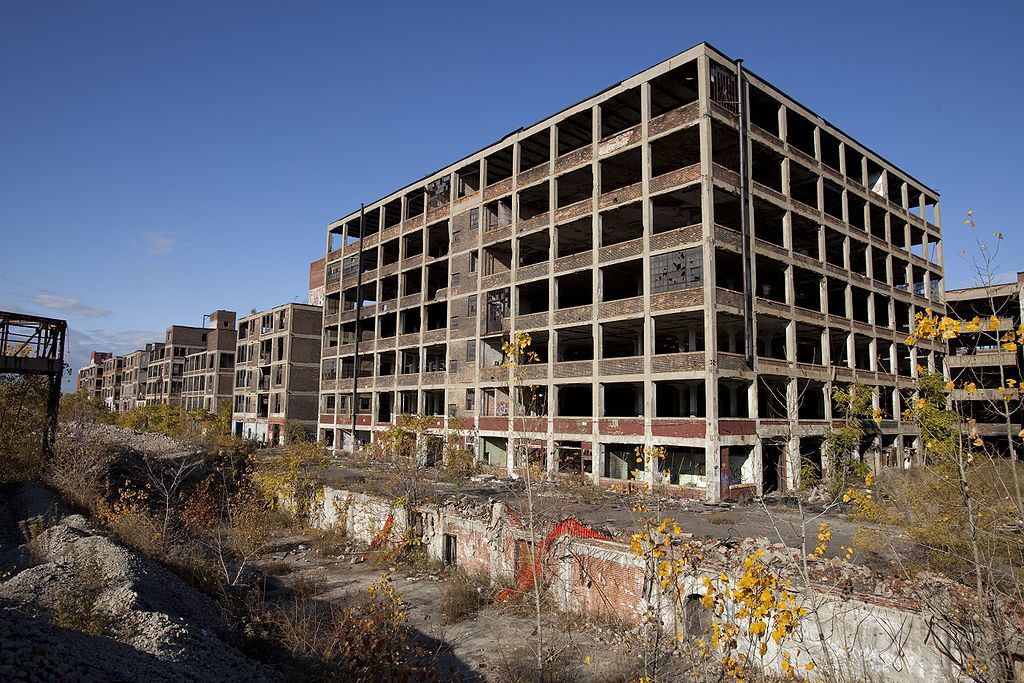
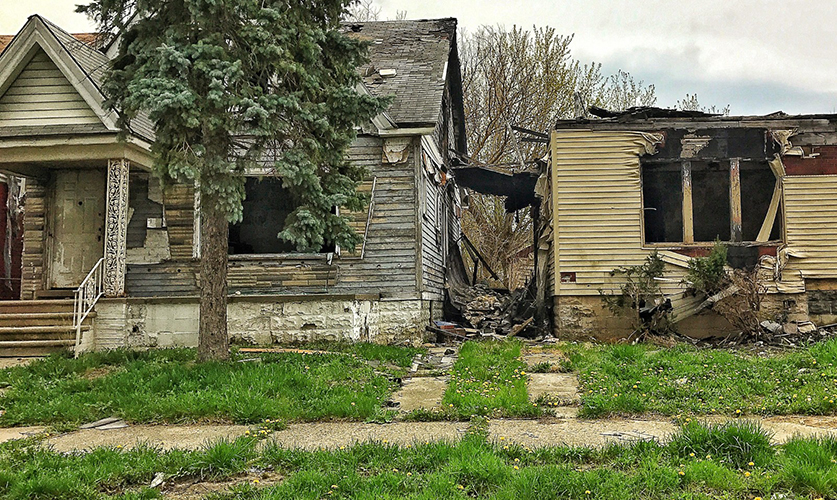
The flight of residents and industries led to widespread urban decay. Abandoned homes, vacant lots, and dilapidated commercial buildings became common sights, transforming once-thriving areas into desolate landscapes. The shrinking population also meant a further reduced tax base, trapping the city in a vicious cycle where it couldn’t afford to maintain its infrastructure or provide adequate services, which in turn encouraged more people and businesses to leave. The population plummeted from a peak of nearly 1.8 million in the 1950s to just over 600,000 by 2010.
This dramatic demographic shift had profound implications for the lifestyle of those who remained. Many residents, often those with fewer resources or deep community ties, found themselves living in neighborhoods with limited access to fresh food, quality healthcare, and reliable transportation—issues collectively known as “food deserts” and “transit deserts.” While challenging, this environment also fostered an extraordinary level of community resilience and self-reliance. Residents learned to navigate scarce resources, form strong neighborhood bonds, and create their own solutions, from urban farming initiatives to grassroots cultural projects. This era saw the development of a distinct Detroit lifestyle characterized by grit, ingenuity, and a fierce pride in local identity despite adversity.
Systemic Issues and Inequality
The economic and demographic shifts in Detroit cannot be fully understood without acknowledging the role of systemic issues, particularly racial tensions and discriminatory practices. Historically, policies such as redlining—where specific neighborhoods were deemed high-risk for mortgages based on racial demographics—limited investment and homeownership opportunities for African American residents. This created a segregated housing market and concentrated poverty in specific areas, denying entire communities the chance to build generational wealth.
The racial unrest of 1967, stemming from decades of police brutality, housing discrimination, and unequal economic opportunities, further accelerated the flight of capital and residents. These events had a lasting impact on the city’s social fabric and economic stability. The unequal distribution of resources and opportunities meant that even within a struggling city, different communities experienced vastly different lifestyles. Some areas were left with crumbling infrastructure and limited services, while others, often separated by invisible but powerful lines, retained relative stability. Addressing these historical injustices and their ongoing effects remains a critical part of Detroit‘s journey towards equitable recovery and a more unified urban lifestyle.
The Bankruptcy Era and Rebirth: Forging a New Detroit Lifestyle
The culmination of decades of economic decline and systemic issues led to the unprecedented event of municipal bankruptcy, a pivotal moment that, against all odds, catalyzed a new chapter in Detroit’s story.
Financial Collapse and Its Aftermath
In 2013, Detroit filed for the largest municipal bankruptcy in U.S. history, citing over $18 billion in debt. The city’s finances were in tatters, unable to meet its obligations to creditors, provide adequate public services, or pay its retirees. This period was incredibly challenging for residents. Public services were severely cut, with slow police response times, darkened streetlights, and reduced garbage collection becoming part of daily life. The threat of pension cuts loomed over thousands of city retirees, jeopardizing their long-planned golden years.
The bankruptcy wasn’t just a financial crisis; it was a profound crisis of confidence, both within the city and in how the outside world viewed Detroit. The city’s lifestyle felt precarious, uncertain, and deeply challenged. However, the bankruptcy also provided a painful but necessary opportunity for a complete financial restructuring, clearing the way for a fresh start. It forced difficult decisions but ultimately laid a foundation for sustainable financial management and renewed investment.
Resilience and Reinvention: A Creative Lifestyle Emerges
Emerging from bankruptcy, Detroit embarked on an inspiring path of reinvention, demonstrating an unparalleled spirit of resilience. This period has seen the emergence of a vibrant, creative, and community-driven lifestyle. Grassroots movements, local entrepreneurs, and artists began to fill the voids left by decades of neglect. Urban farming initiatives transformed vacant lots into productive community gardens, addressing food insecurity and fostering neighborhood cohesion. Local coffee shops, independent bookstores, and art galleries popped up in previously abandoned storefronts, breathing new life into commercial corridors.
Philanthropic organizations and private investors also played a crucial role, pouring capital into downtown and Midtown revitalization projects, restoring historic buildings, and supporting new businesses. The Detroit Institute of Arts and the Detroit Historical Museum, anchors of the city’s cultural life, became symbols of its enduring heritage. This period has been characterized by a unique entrepreneurial spirit, where residents and newcomers alike are actively involved in shaping the city’s future. The current Detroit lifestyle is marked by innovation, collaboration, and a deep appreciation for local culture and community engagement, offering a compelling narrative of rebirth.
Looking Forward: Investing in a Sustainable Lifestyle
Today, Detroit is a city in active transformation, moving beyond its past economic struggles to build a more diverse, equitable, and sustainable lifestyle for all its inhabitants.
Economic Diversification and Innovation
While automotive remains a vital industry, Detroit is actively diversifying its economy. The city is becoming a hub for technology startups, particularly in mobility, fintech, and advanced manufacturing. Healthcare, education, and professional services are also growing sectors, attracting new talent and creating a broader range of job opportunities. This diversification is crucial for building a more resilient economy less susceptible to the boom-and-bust cycles of a single industry, offering more varied career paths and stable lifestyles for its residents.
Investments in innovation hubs and collaborative workspaces are fostering an environment where creativity and entrepreneurship can thrive. This shift is not only about attracting large corporations but also about nurturing local businesses and ensuring that economic growth benefits a wider segment of the population, leading to a more inclusive urban lifestyle.
Rebuilding Communities and Infrastructure
Significant efforts are underway to rebuild Detroit’s physical and social infrastructure. Millions of dollars have been invested in repairing roads, upgrading public transit systems, and improving public lighting, which had been a major issue during the post-decline years. New housing developments, ranging from affordable units to luxury apartments, are addressing the diverse needs of a growing and changing population. Initiatives aimed at blight removal continue, transforming derelict properties into green spaces or new developments.
Beyond physical infrastructure, there’s a strong focus on community development, including support for neighborhood organizations, improved educational programs, and expanded recreational opportunities. Projects like the The Heidelberg Project in the Mexican War Street Historic District, illustrate the artistic and community-led efforts to redefine the urban landscape. These investments are directly improving the quality of life and creating a more livable, connected, and sustainable lifestyle across all Detroit neighborhoods.
The Unique Allure of Detroit’s Lifestyle Today
The question “Why is Detroit so poor?” once defined the city. Today, it tells only a fraction of the story. While challenges certainly remain, the prevailing narrative is one of extraordinary resilience, creativity, and a deeply authentic urban experience. Detroit’s lifestyle offers a unique blend of historical significance, industrial grit, and a burgeoning contemporary culture.
Visitors and residents alike are drawn to its vibrant arts scene, innovative culinary landscape, and the genuine sense of community found in its diverse neighborhoods like Eastern Market or Greektown. It’s a city where history is palpable, yet the future is being actively built, often by its own residents. The struggles of the past have instilled a collective character defined by tenacity, resourcefulness, and a profound appreciation for genuine connections. This makes Detroit not merely a city recovering, but a dynamic, evolving place offering a truly distinctive and compelling lifestyle unlike any other in America. It’s a testament to the enduring spirit of its people and the ongoing journey of urban reinvention.
LifeOutOfTheBox is a participant in the Amazon Services LLC Associates Program, an affiliate advertising program designed to provide a means for sites to earn advertising fees by advertising and linking to Amazon.com. Amazon, the Amazon logo, AmazonSupply, and the AmazonSupply logo are trademarks of Amazon.com, Inc. or its affiliates. As an Amazon Associate we earn affiliate commissions from qualifying purchases.