
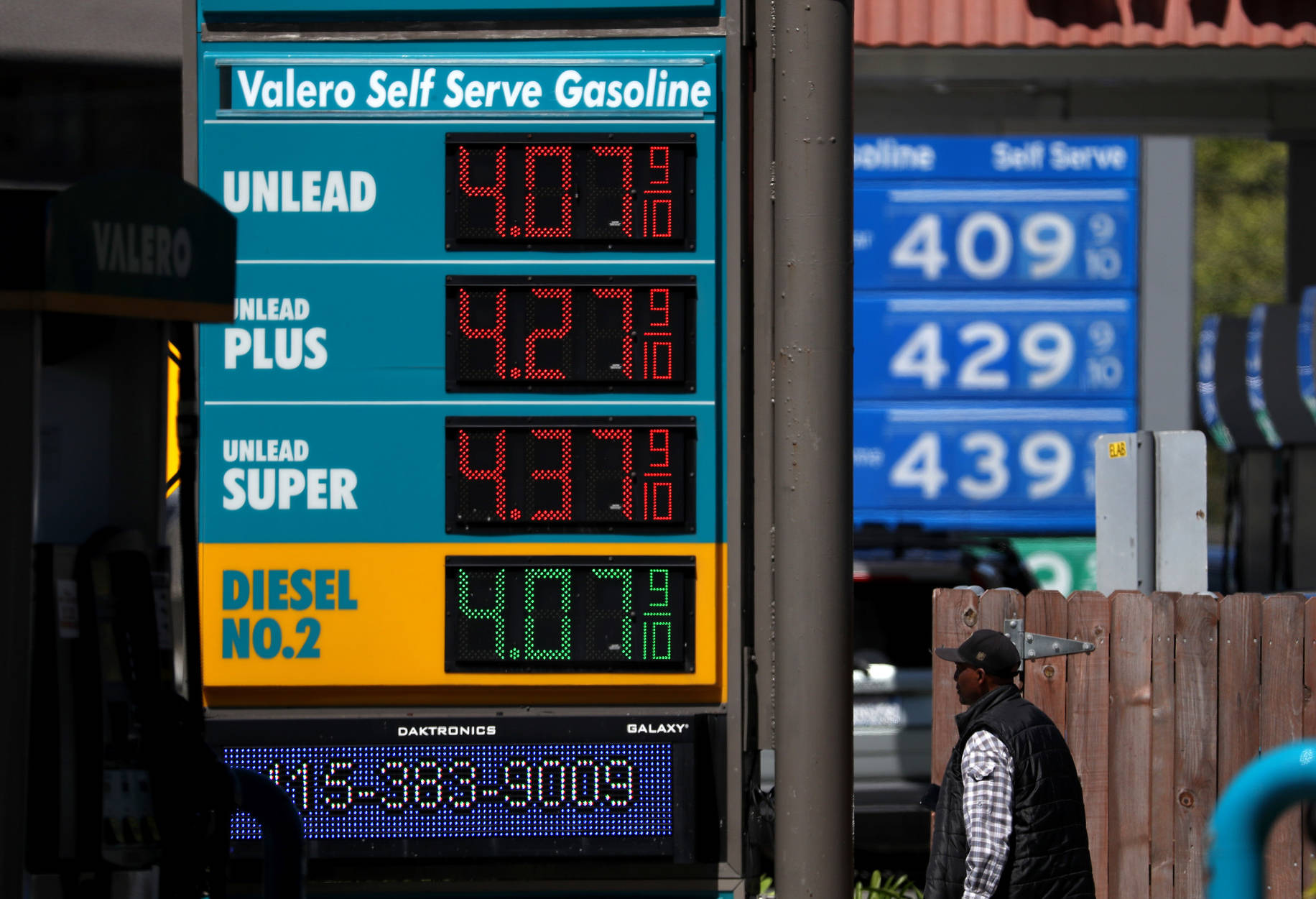
California – the Golden State – conjures images of sun-drenched beaches, towering redwoods, vibrant cities, and endless possibilities for adventure. From the iconic landmarks of San Francisco to the glamorous resorts of Los Angeles, and from the serene vineyards of Napa Valley to the majestic beauty of Yosemite National Park, it’s a premier destination for travelers worldwide. However, this dream destination often comes with a perplexing hidden cost that impacts both residents and visitors: consistently the highest gas prices in the United States.
For anyone planning a scenic road trip along the Pacific Coast Highway, a family vacation to Disneyland, or simply navigating daily life, understanding why fuel costs are so exorbitant in California is crucial. It’s not just a minor inconvenience; it significantly influences travel budgets, lifestyle choices, and the overall cost of living and doing business in the state. This article delves into the complex web of factors – from unique environmental policies and limited infrastructure to global market forces and local operational expenses – that contribute to California’s premium at the pump, offering insights for both eager tourists and long-term residents.
The Golden State’s Golden Fuel Bill: A Multi-Layered Problem
The phenomenon of California’s high gas prices isn’t attributable to a single cause but rather a confluence of interconnected policies, geographical realities, and market dynamics. These factors combine to create a unique economic environment that dictates the price of every gallon.
The Taxing Truth: State and Local Levies
One of the most direct and significant contributors to California’s elevated gas prices is the sheer volume of state and local taxes levied on fuel. Unlike many other states, California imposes a comprehensive array of taxes and fees, each designed to fund specific initiatives or address particular challenges.
At the core is a substantial excise tax, which is among the highest in the nation. This tax, primarily managed from the state capital in Sacramento, is dedicated to maintaining and improving California’s vast and intricate network of roads, bridges, and public transportation infrastructure. For a state as expansive and populous as California, with millions of vehicles traversing its highways daily, these infrastructure costs are considerable. While these taxes are vital for ensuring smooth travel and preventing congestion, they translate directly into higher prices at the pump.
Beyond the excise tax, consumers also pay state sales tax on gasoline, which further inflates the final price. This is a crucial distinction, as many states exempt gasoline from sales tax, or only apply it to the pre-tax price. In California, the sales tax is applied after the excise tax has already been added, creating a compounding effect that significantly increases the base cost.

Adding to these are several other fees, including those for underground storage tanks – a necessary expense to prevent environmental contamination from leaking fuel tanks – and various carbon cap-and-trade fees. The latter are part of California’s ambitious climate change initiatives, aiming to reduce greenhouse gas emissions by making carbon-intensive activities, like burning fossil fuels, more expensive. While these fees serve critical environmental purposes, they undeniably add several cents to every gallon purchased, contributing to the state’s premium fuel costs. For a traveler exploring destinations like Death Valley National Park or the lively city of San Diego, these accumulated taxes can quickly add up over a long journey.
A Breath of Fresh Air, At A Price: Environmental Regulations
California’s commitment to environmental protection is legendary, and rightly so. However, these stringent regulations play a substantial role in the high cost of gasoline. To combat its notorious smog issues, particularly in dense urban centers like Los Angeles and Orange County, the state mandates a unique fuel blend that burns cleaner than the national standard. This specialized gasoline, often referred to as “CARB gasoline” (after the California Air Resources Board), requires a different refining process and formulation.
Refineries must invest heavily in specialized equipment and processes to produce this specific fuel blend, which is distinct from the gasoline sold in the rest of the United States. This differentiation creates an isolated market; if a refinery outside California were to suddenly supply the state, it would need to retool its operations, adding to production costs. This limited supply chain, coupled with the inherent complexity and expense of producing such a specialized fuel, creates a premium. Any disruptions to the few refineries capable of producing this fuel can immediately impact supply and drive prices skyward, often with dramatic speed. These standards, while improving air quality for residents and visitors enjoying outdoor attractions from Santa Monica Beach to the slopes of Lake Tahoe, come at a considerable economic cost.
Supply Chain Squeeze: Limited Capacity and Isolation
The infrastructure for producing and distributing fuel within California presents another major challenge. The state has a relatively limited number of refineries, and many of these facilities are aging, requiring frequent maintenance and occasional shutdowns for upgrades. When one or more of these crucial refineries are offline, either for scheduled maintenance or due to unexpected issues like power outages or natural disasters, the delicate balance of supply and demand is immediately disrupted.
Furthermore, California’s unique geographic position and its distinct fuel blend requirements create what is often described as an “energy island” effect. Because only a handful of refineries can produce the state’s specific gasoline, California cannot easily import large quantities of fuel from other states or countries during times of shortage. This isolation means that local disruptions have a more profound and immediate impact on prices than they would in other, more interconnected markets. The inability to quickly pivot to alternative supply sources leaves consumers vulnerable to price spikes whenever the local supply chain faces a challenge.
Beyond the Pump: Market Dynamics and Operational Costs
While taxes and regulations form the foundational layers of California’s high gas prices, broader market forces and the inherent costs of doing business in the state also play a significant role.
Global Swings and Local Spikes: Crude Oil Prices
Gasoline prices are fundamentally tied to the global price of crude oil, the raw material from which it is refined. Fluctuations in international crude oil markets – driven by geopolitical events, decisions by major oil-producing nations like OPEC, global supply and demand shifts, or even natural disasters impacting oil-producing regions – directly translate to changes at the pump. When global crude oil prices rise, [California](https://lifeoutofthebox.com/california] experiences these increases just like any other state, but these increases are layered on top of the already higher base costs due to taxes and regulations.
California does produce some domestic oil, particularly in the San Joaquin Valley, but its production is far from sufficient to meet the state’s massive demand. Consequently, it relies heavily on crude oil imports, making it susceptible to global market volatility. This reliance means that even minor shifts in international oil prices can disproportionately affect California consumers due to the unique cost structure already in place.

The Last Mile: Transportation and Retail Markups
Once crude oil is refined into gasoline, it still needs to be transported to gas stations across the state. These transportation costs, whether via pipelines or tanker trucks, add to the final price. Given California’s vast geography, moving fuel from refineries to remote areas or bustling urban centers like San Francisco and Palm Springs involves significant logistical expenses.
Finally, the retail markup at gas stations themselves contributes to the price. Operating a gas station in California is inherently more expensive than in many other states. High real estate costs, particularly in desirable urban or coastal areas, translate into higher rent or mortgage payments for station owners. Labor costs, including minimum wage requirements and benefits, are also higher. Add to this the expense of utilities, insurance, and compliance with the myriad state regulations, and gas stations face considerable overheads. To remain profitable, these higher operating costs must be passed on to consumers, further widening the price gap between California and the rest of the United States.
Navigating the High Cost of Fuel in California: Tips for Travelers and Residents
For those enchanted by California’s allure, whether for a temporary visit or a permanent move, understanding and strategizing around high gas prices is an essential part of the experience.
Budgeting for Your California Adventure
Travelers exploring California should factor fuel costs into their overall trip budget from the outset. A road trip along the scenic Pacific Coast Highway from San Francisco down to San Diego, with stops in iconic places like Big Sur and Santa Monica, will be significantly more expensive in terms of fuel than a similar distance driven in most other states.
- Plan Your Route Carefully: Optimize your itinerary to minimize unnecessary driving. If visiting multiple cities or landmarks like Universal Studios Hollywood and Disneyland, consider grouping attractions by proximity.
- Embrace Public Transportation: In major urban centers like Los Angeles and San Francisco, robust public transportation networks, ride-sharing services, and even walking or cycling can be cost-effective alternatives to driving and parking. For instance, exploring the area around the Golden Gate Bridge is often best done on foot or by bicycle after an initial drive.
- Consider Fuel-Efficient Vehicles: If renting a car, opt for a hybrid or a vehicle with excellent fuel economy. The savings over a long trip can be substantial.
- Balance Destinations: While ambitious multi-city itineraries like flying into San Diego and driving up to Napa Valley are tempting, consider focusing on a region to reduce driving time and associated fuel costs. Perhaps a trip centered around the national parks like Yosemite National Park and Death Valley National Park would be one vacation, and a coastal tour another.
Smart Fuel Strategies for Living and Exploring
For residents, coping with high gas prices is a daily reality that shapes lifestyle choices, from housing locations to commuting habits.
- Invest in Fuel-Efficient or Electric Vehicles: The upfront cost of a hybrid or electric vehicle (EV) can be offset by significant long-term fuel savings, especially in California. The state also offers various incentives for EV purchases and charging infrastructure.
- Utilize Gas Price Apps: Numerous smartphone apps can help drivers locate the cheapest gas stations in their vicinity, allowing for small but consistent savings over time.
- Carpool and Telecommute: For many, carpooling to work or school, or taking advantage of telecommuting options, can drastically reduce weekly fuel expenses.
- Combine Errands: Plan your driving to consolidate trips, minimizing cold starts and short-distance driving, which are less fuel-efficient.
- Maintain Your Vehicle: Proper tire inflation, regular maintenance, and mindful driving habits (avoiding rapid acceleration and braking) can all improve fuel economy.
Conclusion
The question of “Why is gas so expensive in California?” reveals a multifaceted answer, rooted in the state’s progressive environmental policies, its unique market isolation, and the inherent high costs of doing business within its borders. While the sticker shock at the pump can be considerable, these elevated prices are a direct consequence of California’s commitment to cleaner air, reduced carbon emissions, and robust infrastructure.
For travelers, these costs simply mean a more meticulously planned budget for exploring iconic landmarks, enjoying world-class entertainment at Disneyland, or embarking on breathtaking drives through Big Sur. For residents, it’s a factor that influences everything from daily commutes to long-term financial planning, driving innovation in fuel-efficient vehicles and the adoption of alternative transportation methods.
Despite the expense, California remains an irresistible destination, offering unparalleled experiences that often justify the premium. By understanding the forces at play and adopting smart strategies, both visitors and residents can continue to enjoy the golden glow of this remarkable state without being entirely deflated by its golden fuel bill. As the state continues to champion renewable energy and explore sustainable transportation solutions, the energy landscape may evolve, but for now, the high cost of gas remains a distinctive, if challenging, aspect of the California experience.
LifeOutOfTheBox is a participant in the Amazon Services LLC Associates Program, an affiliate advertising program designed to provide a means for sites to earn advertising fees by advertising and linking to Amazon.com. Amazon, the Amazon logo, AmazonSupply, and the AmazonSupply logo are trademarks of Amazon.com, Inc. or its affiliates. As an Amazon Associate we earn affiliate commissions from qualifying purchases.