
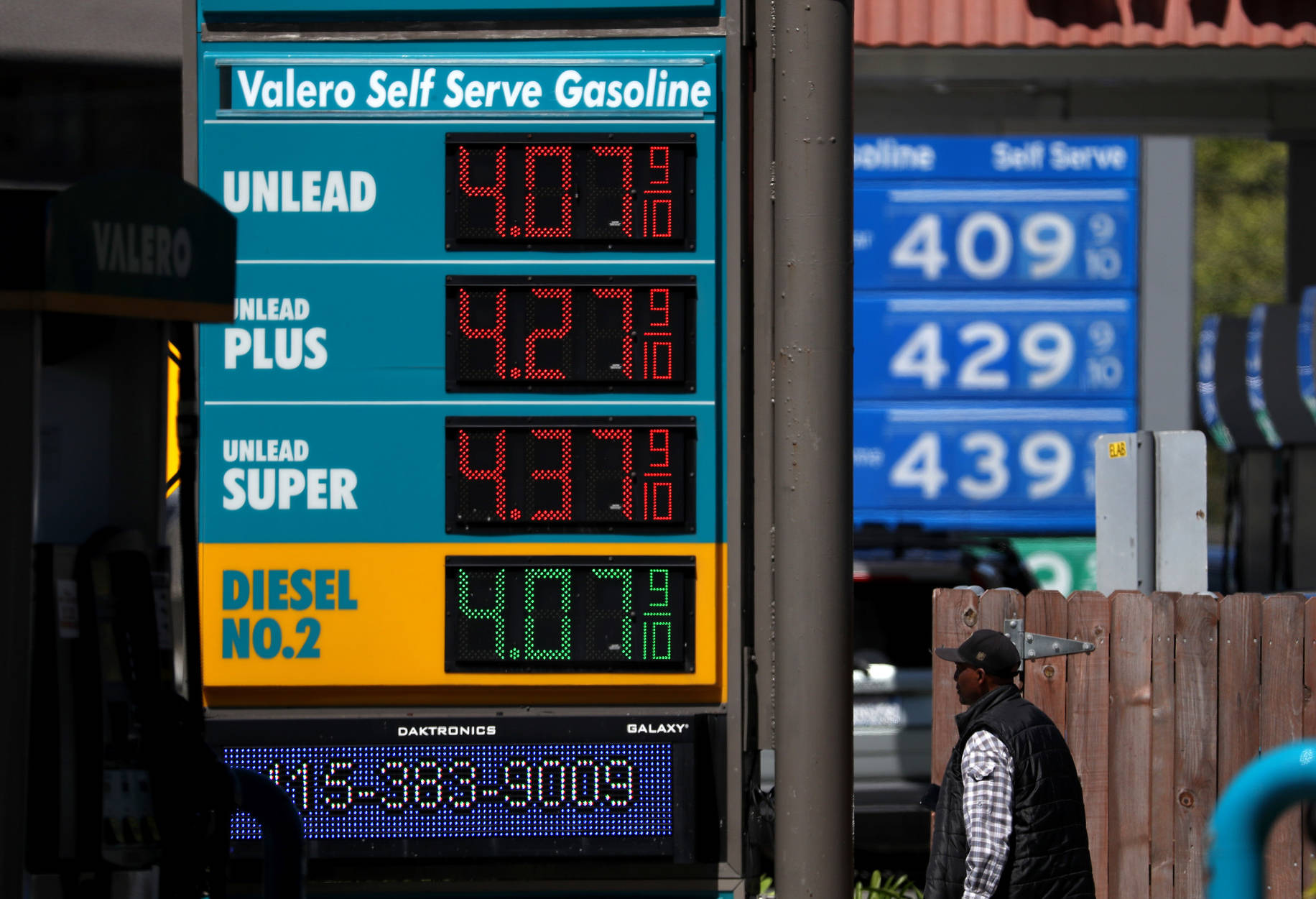
California, a land of sun-kissed beaches, towering redwoods, and vibrant cities like Los Angeles and San Francisco, holds an undeniable allure for travelers worldwide. From the iconic Golden Gate Bridge to the magical gates of Disneyland, the Golden State promises an unparalleled array of experiences. However, for those planning a road trip along scenic coastal highways or exploring its breathtaking national parks like Yosemite National Park, one unavoidable reality often surfaces: the eye-watering cost of gasoline. Visitors and residents alike frequently ponder why filling up a tank in California can feel like a luxury in itself. This phenomenon isn’t due to a single factor but rather a complex interplay of taxes, regulations, market dynamics, and geographical realities that combine to create the highest fuel prices in the United States. Understanding these drivers is crucial for anyone looking to navigate the state, whether for a leisurely vacation or daily life.
The Golden State’s Unique Fuel Landscape
The primary reasons behind California’s premium gas prices are deeply embedded in its legislative framework and the very fabric of its economy and geography. Unlike many other states, California has cultivated a unique environment for its fuel market, driven by its ambitious environmental goals and significant infrastructure investments.
A Web of Taxes and Fees
Perhaps the most straightforward explanation for higher gas prices in California lies in its extensive tax structure. The state imposes a multitude of taxes and fees that significantly inflate the price at the pump. These include:
- State Excise Tax: A substantial per-gallon tax levied by the state of California, dedicated primarily to funding road and infrastructure projects. This tax rate is adjusted periodically and is consistently among the highest in the nation.
- Sales Tax: Unlike many states that exempt gasoline from sales tax, California applies its statewide sales tax to the purchase of gasoline, further adding to the final cost.
- Cap-and-Trade Program Costs: California’s pioneering cap-and-trade program, designed to reduce greenhouse gas emissions, adds a cost to fuel. Refineries must purchase allowances for the carbon emissions associated with their fuel production, a cost that is inevitably passed on to consumers. This initiative, while crucial for the state’s environmental objectives, directly contributes to higher prices at the pump.
- Low Carbon Fuel Standard (LCFS): This program mandates a reduction in the carbon intensity of transportation fuels. To meet these targets, refiners must either produce cleaner fuels or purchase credits from those who do, again translating into higher operational costs that are reflected in the retail price.
- Underground Storage Tank Fees: These fees are collected to fund the cleanup of leaking underground fuel tanks and to prevent future leaks, adding another layer of cost to the distribution network.
When combined, these state-specific taxes and fees often add more than a dollar per gallon compared to the national average, making them a cornerstone of California’s elevated fuel prices.
Stringent Environmental Regulations: The California Blend
Beyond taxes, California’s commitment to environmental protection has led to the development of unique and complex fuel formulations. The California Air Resources Board (CARB) has mandated a special “California Blend” of gasoline. This blend is engineered to burn cleaner, producing fewer smog-forming emissions and reducing air pollution, particularly in dense urban areas like Los Angeles and the San Francisco Bay Area.
The production of this specialized fuel is more costly than standard gasoline. It requires specific additives and refining processes that are not used elsewhere, meaning fewer refineries are equipped to produce it. This limited production capacity, coupled with the seasonal variations requiring different blends (summer vs. winter), creates a tighter supply chain. Any disruption, such as a refinery outage or maintenance, can quickly impact supply and send prices soaring, as the state cannot easily import large quantities of compatible fuel from other regions.
Refining Capacity and Geographical Constraints
California’s relative geographical isolation further compounds its fuel price predicament. Bordered by the Pacific Ocean to the west, and largely separated from other major refining centers by mountain ranges and vast deserts, the state operates almost as an “island” in terms of its fuel market. Most of its gasoline supply is produced by a handful of refineries located within the state.
This limited refining capacity means that California has little flexibility to absorb supply shocks. If a refinery in Richmond or Carson experiences an unexpected shutdown for maintenance or a technical issue, the ripple effect on statewide supply and prices is immediate and significant. Importing the specific California blend from other states or countries is logistically challenging and expensive, given the specialized nature of the fuel. This constrained supply, combined with the state’s immense demand from its nearly 40 million residents and millions of annual tourists, creates a volatile pricing environment.
Beyond the Pump: How Fuel Costs Impact California Travel
For the millions who visit California each year, the high cost of gasoline is more than just an inconvenience; it’s a significant factor in their overall travel budget and experience. Whether embarking on a scenic drive along Big Sur, exploring the vineyards of Napa Valley, or commuting between various attractions in San Diego, fuel expenses can quickly add up, influencing travel plans and choices in accommodation.
Navigating California’s Iconic Destinations
Many of California’s most celebrated destinations are best experienced by car. A quintessential California trip often involves driving from Los Angeles to San Francisco, venturing into Death Valley National Park, or heading to the serene shores of Lake Tahoe. For families planning a visit to Universal Studios Hollywood or a weekend getaway to the Santa Monica Pier, a vehicle is often essential. High gas prices, therefore, directly impact the feasibility and enjoyability of such road-trip-centric adventures.
Tourists renting cars might face additional surcharges if they opt for larger, less fuel-efficient vehicles. Moreover, the decision to extend a trip to include more remote landmarks or natural wonders, which are typically further afield, becomes a more substantial financial commitment. This can subtly shift tourist behavior, perhaps leading some to focus their itineraries on more concentrated urban areas, where public transport or ride-sharing services are more viable, or to choose destinations closer to their initial point of arrival.

Budgeting for Your Golden State Adventure
For savvy travelers, budgeting is paramount, and fuel costs demand significant consideration. A family planning a two-week vacation might find that gas expenses consume a disproportionately large chunk of their budget, potentially necessitating compromises in other areas, such as accommodation choices or dining experiences. Rather than indulging in a luxury suite at a resort in Palm Springs, they might opt for a more budget-friendly hotel or an apartment rental in Anaheim to offset fuel costs.
This financial pressure can also influence the length of stay or the number of activities undertaken. A longer road trip, while offering more exploration, will incur higher fuel bills. Travelers might opt for shorter, more focused trips or seek out accommodations that offer comprehensive amenities, minimizing the need for daily driving. Businesses in the travel sector, from car rental agencies to tour operators, also face these elevated fuel costs, which can subtly translate into higher prices for services, impacting the broader tourism economy.
Lifestyle and Living: Adapting to High Fuel Prices
The persistent high cost of gasoline is not just a concern for tourists; it’s an ingrained part of the daily lifestyle for millions of California residents. It influences everything from commuting decisions and housing choices to the cost of goods and services, and by extension, the overall appeal and accessibility of the state for both living and visiting.
The Ripple Effect on Daily Life and Tourism
For residents, high gas prices impact household budgets directly. Many Californians face long commutes in sprawling metropolitan areas, making fuel a substantial recurring expense. This can affect purchasing power for other necessities and luxuries, including local leisure activities, dining out, or even weekend getaways within the state. Families might scale back on spontaneous road trips to popular attractions or decide against booking a stay at a resort that requires significant driving.
Indirectly, the cost of transportation fuels permeates nearly every aspect of the economy. The price of delivering goods to stores, operating tour buses, or even transporting fresh produce from California’s agricultural heartland to urban markets increases, contributing to higher prices for consumers across the board. This ripple effect can make general travel and tourism more expensive, as hotels face higher laundry delivery costs, restaurants pay more for ingredients, and attractions incur greater operational expenses. For visitors, this means that not only is the drive to their destination pricier, but many aspects of their stay—from dining to souvenirs—might also reflect these underlying transportation costs. This can make a California vacation, especially a luxury travel experience, significantly more expensive than in other parts of the United States.
Sustainable Travel and Future Outlook
In response to both high gas prices and a broader commitment to environmental sustainability, California is actively promoting alternatives to traditional gasoline-powered vehicles. The state leads the nation in electric vehicle (EV) adoption, with extensive charging infrastructure and significant incentives for buyers. This shift towards EVs and hybrid vehicles offers a promising avenue for both residents and visitors to mitigate fuel costs. Rental car companies in California are increasingly offering EV options, providing a cost-effective and environmentally friendly way to explore the state.
The future outlook for gas prices in California suggests that they will likely remain elevated compared to the national average. The state’s continued commitment to stringent environmental regulations, its unique fuel blend requirements, and the inherent limitations of its refining capacity are unlikely to change drastically. However, the growth of public transportation networks, particularly in major cities like San Jose and Sacramento, and the increasing accessibility of electric vehicle charging stations across popular tourist routes, offer travelers more diverse and potentially cheaper ways to experience the Golden State.

For those planning their next California adventure, understanding the reasons behind the high cost of gasoline allows for better budgeting and more informed travel choices. While the price at the pump might be a deterrent for some, the unparalleled beauty and diverse experiences California offers often make the expense a worthwhile investment in unforgettable memories. By considering alternatives like fuel-efficient vehicles, electric car rentals, or even exploring destinations accessible by train or bus, visitors can still enjoy all the wonders the Golden State has to offer without breaking the bank.
LifeOutOfTheBox is a participant in the Amazon Services LLC Associates Program, an affiliate advertising program designed to provide a means for sites to earn advertising fees by advertising and linking to Amazon.com. Amazon, the Amazon logo, AmazonSupply, and the AmazonSupply logo are trademarks of Amazon.com, Inc. or its affiliates. As an Amazon Associate we earn affiliate commissions from qualifying purchases.