
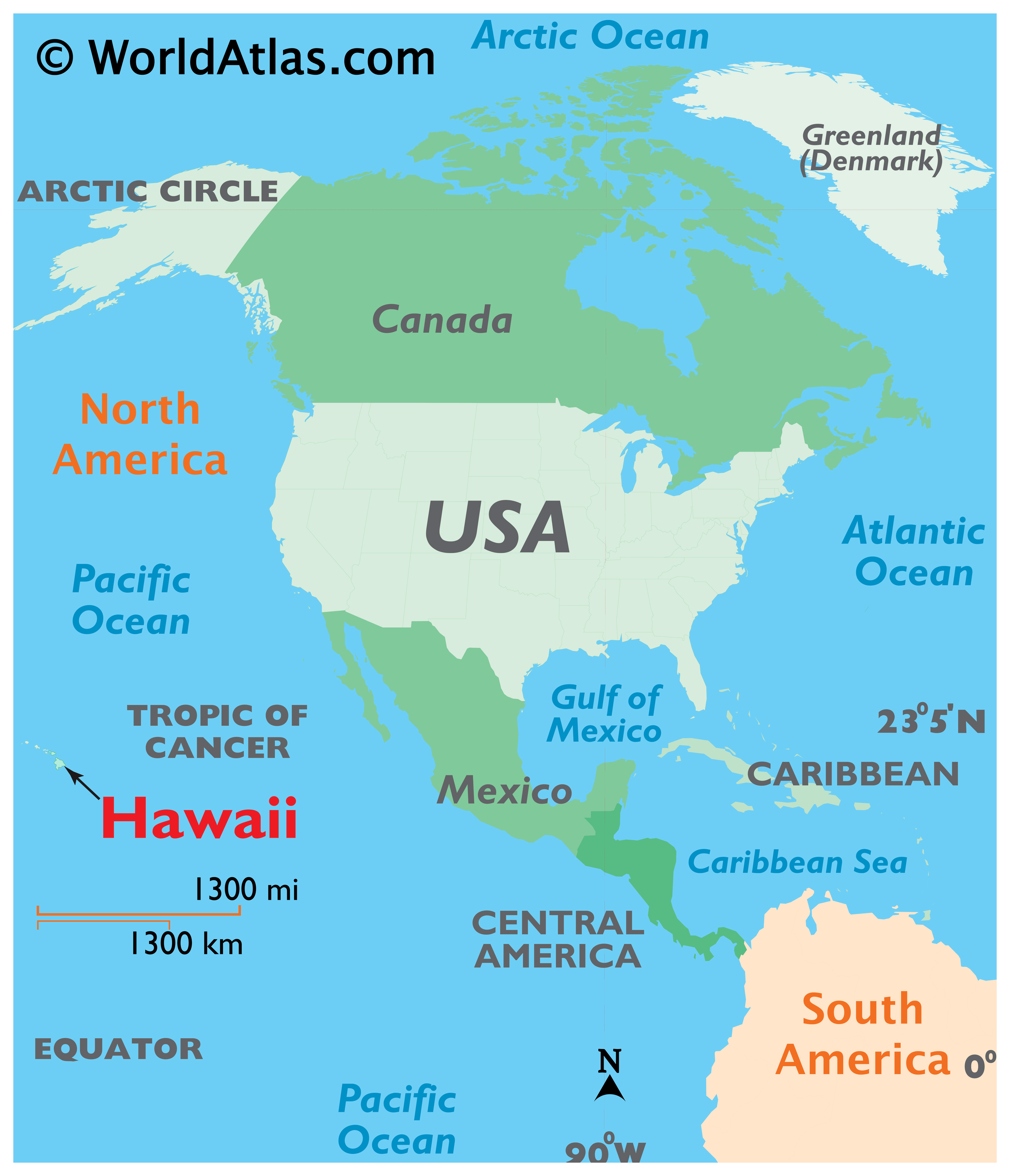
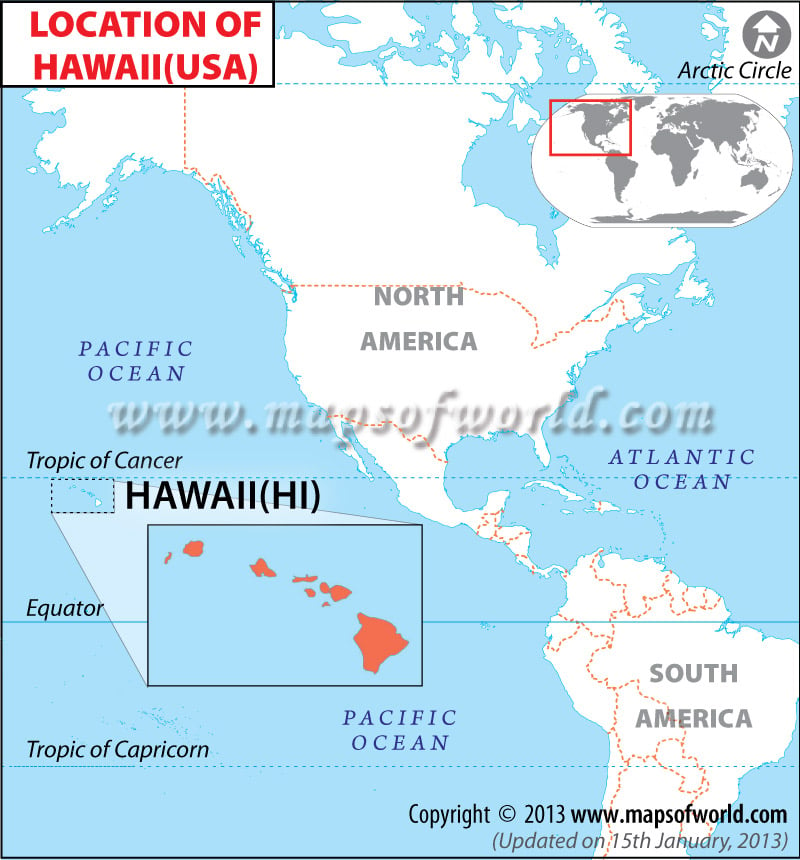
The lush volcanic archipelago of Hawaii serves as a unique anomaly in American geography—a chain of islands situated deep in the central Pacific Ocean, over 2,000 miles from the nearest mainland shore. To understand why this sovereign kingdom became the 50th state of the United States, one must traverse a complex historical narrative involving maritime expansion, sugar plantations, geopolitical maneuvering, and the ultimate struggle for cultural identity.
The Kingdom of Hawaii and Foreign Influence
Long before it was an American state, Hawaii was a thriving, independent kingdom unified by King Kamehameha I in the early 19th century. The islands were a vital hub for Pacific trade, serving as a critical resupply point for whalers and merchant ships traveling between Asia and the Americas.
The Role of Missionaries and Merchants
During the 1820s, American missionaries began arriving in the islands, seeking to convert the Native Hawaiian population to Christianity. While their influence on religion and education was profound, they were soon followed by a different class of arrivals: agricultural entrepreneurs. These settlers discovered that the volcanic soil and tropical climate were ideal for cultivating sugarcane, an industry that would soon dominate the Hawaiian economy.
Economic Shifts and Political Power
As the sugar industry exploded, the influence of American business owners grew exponentially. By the mid-19th century, these families held significant economic power and began to pressure the Hawaiian monarchy for policies that favored their commercial interests. This shifting balance of power set the stage for a dramatic political confrontation that would forever change the status of the islands.
The Overthrow of the Monarchy
The late 19th century marked a tumultuous period for the Hawaiian monarchy. In 1887, under duress, King Kalakaua was forced to sign the “Bayonet Constitution,” which stripped the monarch of much of his power and disenfranchised many Native Hawaiians and Asians by tying voting rights to wealth and land ownership.
Queen Liliuokalani’s Struggle
When Queen Liliuokalani ascended the throne in 1891, she attempted to restore power to the monarchy and rights to her people. Her efforts to enact a new constitution met fierce resistance from the American-backed business elite. In 1893, a group of businessmen, supported by the United States Minister to Hawaii, John L. Stevens, orchestrated a coup d’état to overthrow the Queen. This act effectively ended the Hawaiian Kingdom and established a Provisional Government, though the move was initially controversial even within the U.S. government.
The Republic and Annexation
Following the coup, the self-proclaimed Republic of Hawaii lobbied aggressively for annexation by the United States. Annexation proponents argued that the islands were strategically essential for the U.S. Navy. The outbreak of the Spanish-American War in 1898 solidified this viewpoint, as the U.S. military needed a permanent base in the Pacific Ocean to refuel and support operations. Consequently, the Newlands Resolution was passed, and the islands were officially annexed as a U.S. territory.
Military Strategic Importance and the Path to Statehood
The transition from a territory to a state was a long, complex process. The strategic importance of the islands was put to the ultimate test in the 20th century, which ultimately accelerated the drive toward full statehood.
The Influence of World War II
The Japanese attack on Pearl Harbor on Oahu on December 7, 1941, was a watershed moment. The attack thrust the United States into World War II and transformed the islands into the central command post for the entire Pacific theater. The wartime experience demonstrated to the American public that Hawaii was not just an exotic outpost but a vital, committed participant in the defense of the nation.
The Statehood Movement
After the war, the desire for full representation grew. Residents of the territory—who had served in the military and paid federal taxes—argued that they deserved the same rights and responsibilities as citizens on the mainland. After years of deliberation in Washington D.C., the Hawaii Admission Act was passed by Congress and signed into law by President Dwight D. Eisenhower. On August 21, 1959, Hawaii was officially admitted as the 50th state of the United States.
Legacy and Cultural Identity
Today, the state of Hawaii maintains a distinct identity that blends its indigenous roots with the diverse cultures that arrived throughout the 19th and 20th centuries. It remains a unique study in American history, representing the intersection of indigenous sovereignty and the expansionist ambitions of a rising global power.
Preserving Native Culture
Despite the shift in political status, Native Hawaiian culture—often referred to as “Kanaka Maoli”—has seen a profound resurgence. From the revitalization of the Hawaiian language to the promotion of traditional navigational arts and hula, the people of the islands continue to honor their history. Many landmarks across the islands, such as the Iolani Palace, serve as solemn reminders of the kingdom that once was and the democratic aspirations that define the modern state.

Hawaii’s Modern Role
As a modern United States state, Hawaii serves as a bridge between the American mainland and the nations of the Pacific Rim. Its history is a testament to the complex and often difficult evolution of territorial expansion, yet it remains one of the most culturally vibrant and geographically significant regions under the American flag. Whether viewed through the lens of political science, military strategy, or cultural evolution, the inclusion of these islands in the United States remains one of the most significant chapters in the history of the Pacific Ocean.
From the Big Island to the peaks of Maui, the story of how these islands became part of the union is a story of transition, identity, and the enduring spirit of a people who have successfully navigated the tides of global change.
LifeOutOfTheBox is a participant in the Amazon Services LLC Associates Program, an affiliate advertising program designed to provide a means for sites to earn advertising fees by advertising and linking to Amazon.com. Amazon, the Amazon logo, AmazonSupply, and the AmazonSupply logo are trademarks of Amazon.com, Inc. or its affiliates. As an Amazon Associate we earn affiliate commissions from qualifying purchases.