
The allure of Hawaii is undeniable. With its sun-kissed beaches, lush volcanic landscapes, vibrant culture, and the spirit of Aloha, it’s a dream destination for millions. But for many, a fundamental question lingers: “Why is Hawaii part of the USA?” This isn’t a simple matter of geography or happenstance; it’s a fascinating story woven from threads of monarchy, annexation, war, and statehood. Understanding Hawaii’s journey into the American fold offers a deeper appreciation for its unique identity and its enduring appeal as a travel destination.
The archipelago’s story as an independent nation, the Kingdom of Hawaii, stretches back centuries. Before Western contact, the islands were governed by a complex system of chieftainships. Over time, these evolved into a unified kingdom under leaders like Kamehameha I, who consolidated power in the late 18th and early 19th centuries. The monarchy fostered a distinct Hawaiian culture, rich in tradition, language, and social customs. European and American explorers and traders began arriving in the late 1700s, introducing new technologies, diseases, and economic interests. Missionaries followed, significantly influencing the cultural and religious landscape.

By the mid-19th century, American business interests, particularly in sugar plantations, had grown substantially in the islands. This economic influence led to increased political engagement from American citizens residing in Hawaii. The Kingdom of Hawaii, while an independent nation, found itself increasingly intertwined with American affairs. Treaties were signed, and Hawaiian monarchs engaged in diplomatic relations with foreign powers, including the United States. However, these economic ties also laid the groundwork for future political shifts.
The Seeds of Annexation: Shifting Power Dynamics
The path to Hawaii becoming part of the United States was not a smooth or universally welcomed one. It was a period marked by internal political strife, foreign influence, and ultimately, a dramatic overthrow of the monarchy. The late 19th century saw a growing sentiment among some American business elites and their political allies in Hawaii for closer ties with the United States, culminating in the desire for annexation. This desire was fueled by economic considerations, such as the removal of tariffs on Hawaiian sugar entering the US market, which would significantly benefit plantation owners.
The Overthrow of the Monarchy
The pivotal moment in this transition occurred in 1893. Queen Liliuokalani, the last reigning monarch of Hawaii, attempted to enact a new constitution that would restore power to the Hawaiian people and reduce the influence of foreign residents. Her efforts were met with strong opposition from a group of predominantly American businessmen and their supporters, who organized themselves as the “Committee of Safety.” With the alleged backing of US Minister John L. Stevens and the landing of US Marines from the USS Boston, the Committee of Safety forcibly overthrew the Queen and established a provisional government.
This overthrow was highly controversial and remains a sensitive chapter in Hawaiian history. The provisional government, led by Sanford B. Dole, immediately sought annexation by the United States. President Grover Cleveland, however, was skeptical of the legitimacy of the provisional government and its methods, and he withdrew a treaty of annexation that had been sent to the US Senate. Despite this setback, the provisional government persisted, eventually establishing the Republic of Hawaii in 1894, with Dole as its president.
From Republic to Territory: The Annexation of Hawaii
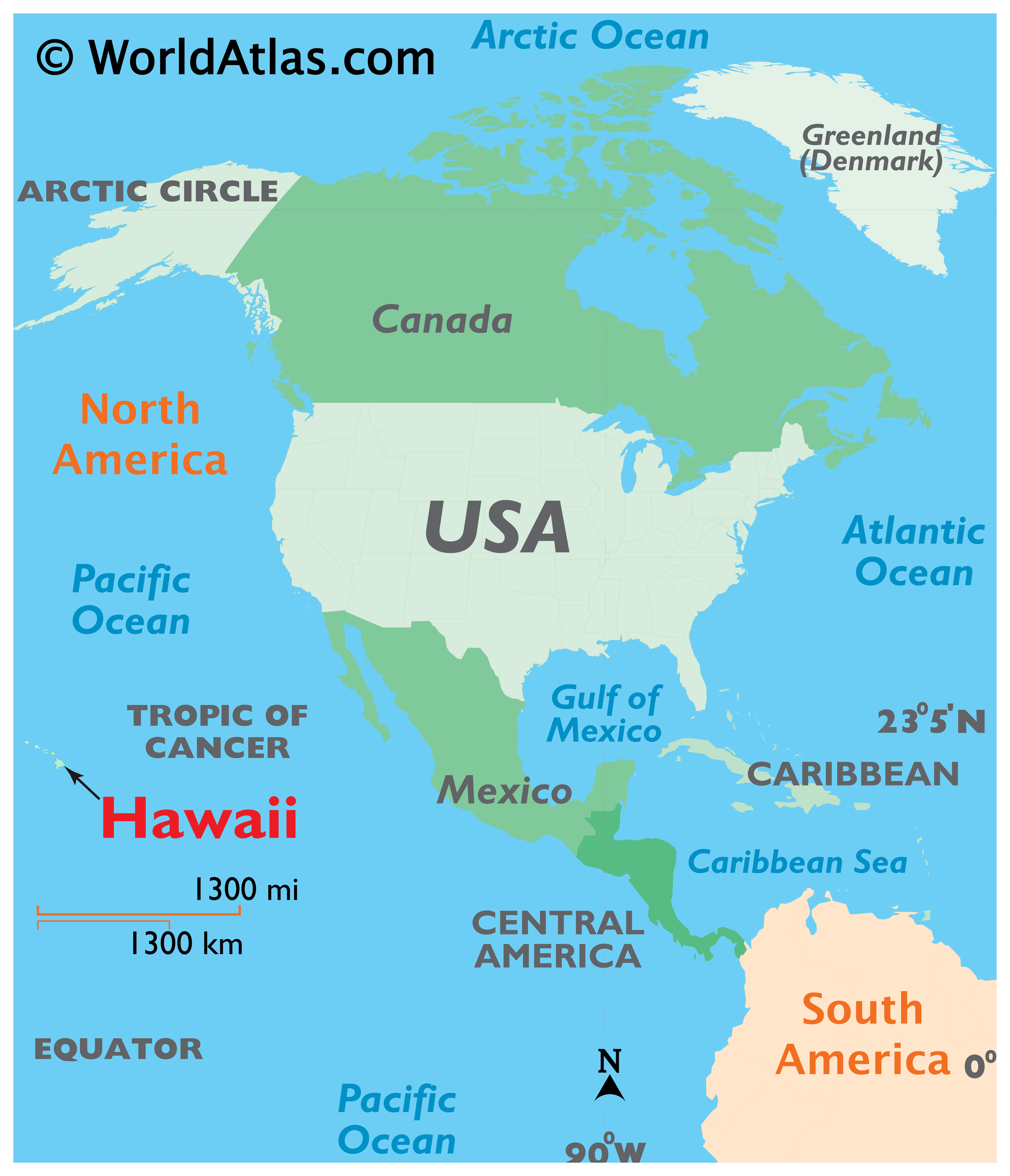
The push for annexation did not cease with President Cleveland’s objection. The political climate in the United States shifted, particularly with the outbreak of the Spanish-American War in 1898. The strategic importance of Hawaii as a naval refueling station and military outpost in the Pacific became paramount. Its location was vital for projecting American power, especially in the Philippines.
The Newlands Resolution and Strategic Significance
In 1898, amidst the fervor of the Spanish-American War, the US Congress passed the Newlands Resolution, which annexed Hawaii. This was not a treaty, which would have required a two-thirds majority in the Senate and potentially more scrutiny. Instead, it was a joint resolution, which required a simple majority. The annexation was officially proclaimed by President William McKinley. Hawaii then became an organized incorporated territory of the United States.
As a territory, Hawaii was governed by the US federal government. This period saw continued economic development, largely driven by the sugar and pineapple industries. However, it also meant that the political rights and autonomy of the native Hawaiian people were significantly curtailed. The territorial status allowed for a period of gradual integration into the US system, but the aspirations for full statehood and self-governance remained strong among many residents. The strategic military importance of the islands, especially with the rise of Japanese naval power, was underscored during World War II, further solidifying Hawaii’s place within the United States.
Statehood and Modern Hawaii: A Unique American Identity
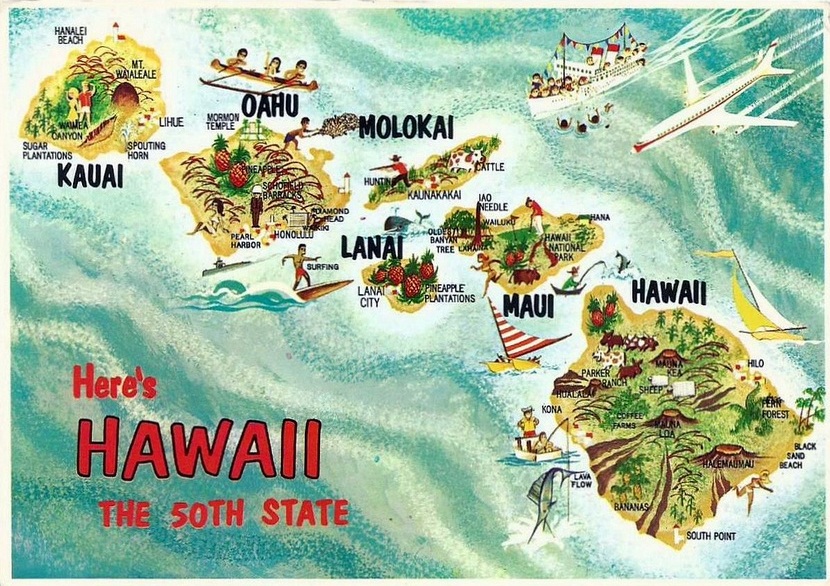
The journey of Hawaii culminated in its admission as the 50th state of the United States on August 21, 1959. This marked a significant milestone, granting Hawaii full representation in Congress and the right to elect its own governor. Statehood was the culmination of decades of lobbying, political maneuvering, and a growing desire among the diverse population of Hawaii for equal rights and opportunities within the American union.
The Path to Statehood and Lasting Cultural Identity
The process of achieving statehood was complex, involving multiple attempts and considerations regarding Hawaii’s unique demographics and political landscape. Concerns about the racial makeup of the population and its potential impact on national politics were debated. However, ultimately, the desire for self-determination and full integration prevailed.
Today, Hawaii stands as a testament to a rich and complex history. While it is an integral part of the United States, its Polynesian roots and the spirit of Aloha remain vibrant. The islands offer a unique blend of American modern infrastructure and services alongside deeply ingrained local traditions. This duality is evident in everything from its tourism industry, which thrives on showcasing both its natural beauty and its cultural heritage, to its accommodation options, which range from luxury resorts to traditional inns.
For travelers, understanding Hawaii’s journey from an independent kingdom to a US state adds another layer of appreciation to their visit. It highlights the resilience of the Hawaiian people and the enduring appeal of their islands. Whether exploring historical landmarks like Pearl Harbor, experiencing the vibrant local food scene in Honolulu, or simply relaxing on the iconic beaches of Waikiki, visitors are engaging with a place that is distinctly American, yet proudly unique, a paradise shaped by a remarkable historical trajectory. The echoes of its past are woven into the fabric of its present, making Hawaii a captivating destination that is both geographically distant and deeply connected to the United States.
LifeOutOfTheBox is a participant in the Amazon Services LLC Associates Program, an affiliate advertising program designed to provide a means for sites to earn advertising fees by advertising and linking to Amazon.com. Amazon, the Amazon logo, AmazonSupply, and the AmazonSupply logo are trademarks of Amazon.com, Inc. or its affiliates. As an Amazon Associate we earn affiliate commissions from qualifying purchases.