
The moment you step into a premium suite at a property like the The Ritz-Carlton or a boutique stay in Paris, your eyes are almost certainly drawn to the bed. It is a pristine, cloud-like expanse of white. This aesthetic choice is far from accidental. While guests might associate the color with luxury and crispness, the decision to use white linens is a calculated strategic move rooted in operational efficiency, psychological impact, and the high standards of the global hospitality industry.
The Psychological Impact of Pristine White
For the modern traveler, a hotel room is a sanctuary. Whether you are staying at the Four Seasons Resort in Bali or a business hotel in New York City, the bedroom serves as the heart of the experience. White is universally perceived as a symbol of cleanliness, purity, and sophistication.
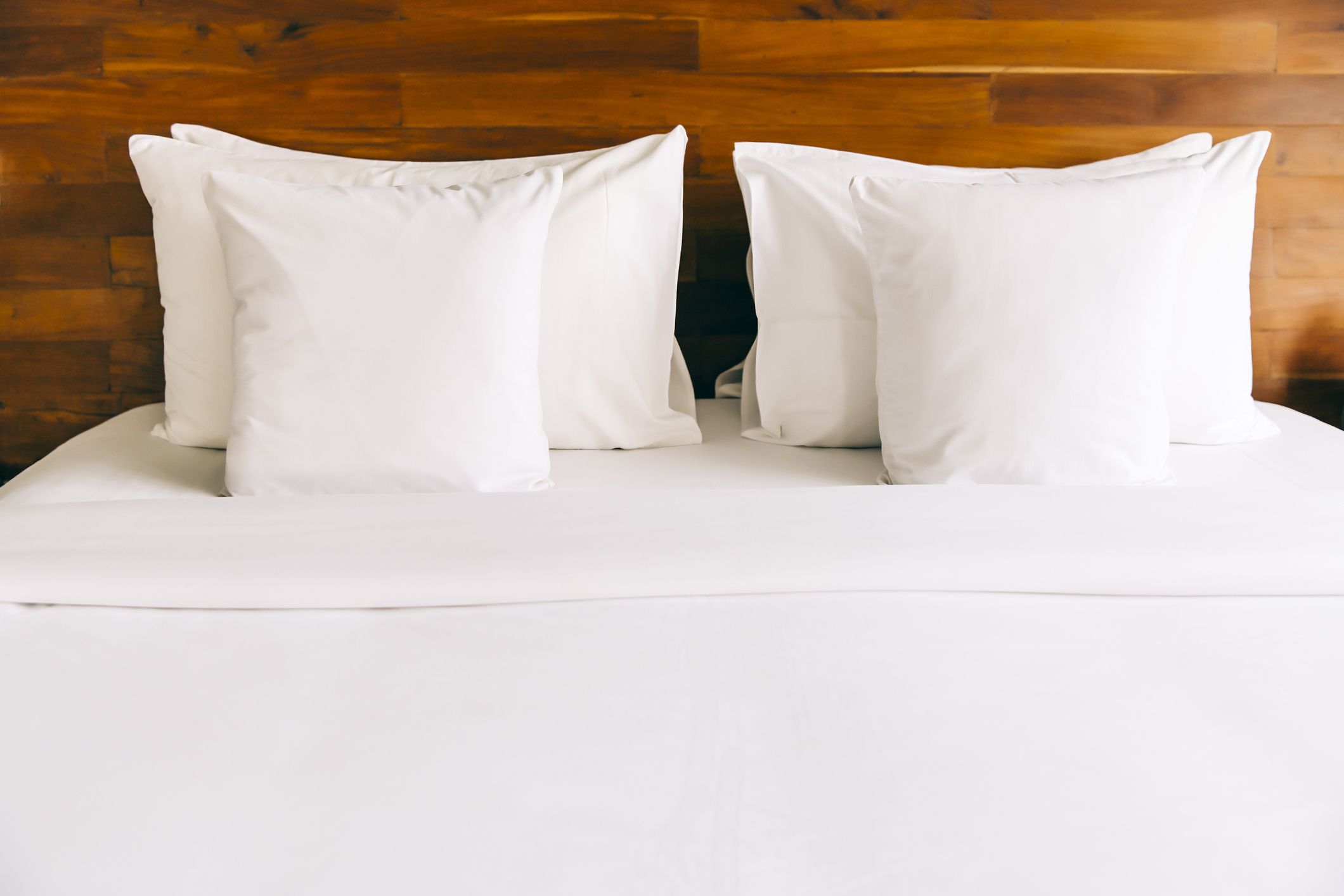
When a guest pulls back the covers at a place like the Waldorf Astoria, the psychological effect of a stark white duvet is immediate. It signals that the room has been thoroughly sanitized. Unlike patterned linens or darker fabrics, which can hide stains or dust, white fabric leaves nowhere for dirt to hide. This visual transparency builds trust; it assures the guest that the room has been prepared specifically for them, meeting the high hygiene standards expected of top-tier brands like Marriott International.
Furthermore, the “white bed” aesthetic creates a sense of spaciousness. In many urban environments, hotel rooms are limited by square footage. By using white linens, designers and hotel managers can make a room feel airier, brighter, and more expansive. This is a common design strategy employed by luxury chains such as St. Regis, where the goal is to create an oasis of calm that feels larger than its physical boundaries.
Operational Efficiency and the “Westin Effect”
While the psychological benefits are significant, the shift toward white bedding was arguably cemented by the Westin Hotels and Resorts brand. In the late 1990s, the company introduced its iconic “Heavenly Bed.” Before this, many hotels used colored bedspreads—often in heavy, dark fabrics designed to hide wear and tear. These bedspreads were notoriously difficult to clean and were rarely laundered between guest stays, as they were heavy and complex to manage.
The Westin approach revolutionized the industry by switching to white, layered bedding that could be easily stripped and laundered. This shift provided several operational advantages:
- Ease of Maintenance: White linens can be bleached. For housekeeping staff, this is a game-changer. If a sheet has a stubborn stain, it can be treated with industrial-strength detergents and high-heat cycles without the risk of fading or color bleeding.
- Uniformity: It is much easier to replace a damaged pillowcase or duvet cover when they are all white. A hotel like the Hilton can source thousands of identical white items, ensuring that the room aesthetic remains consistent across hundreds of properties.
- Inventory Management: White linen is timeless. It does not go out of style, and it does not need to be replaced simply because a color palette has fallen out of fashion. This allows large groups, such as the InterContinental Hotels Group, to maintain long-term inventory without the risk of their room decor appearing dated.
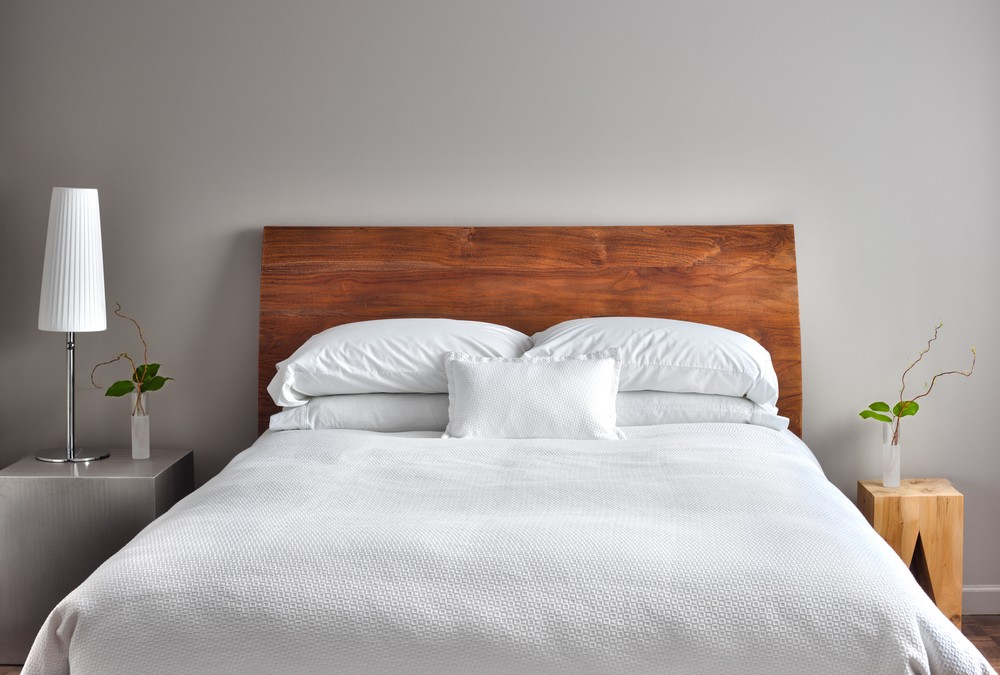
The Evolution of Laundry Standards
The shift to all-white bedding coincided with advancements in commercial laundry technology. High-capacity industrial washers and dryers are now designed to handle massive volumes of linens with extreme heat, which effectively kills bacteria and allergens. Because the linens are white, staff can be certain that no hidden debris remains.
For boutique properties like Aman Resorts or large-scale operations in London, the ability to maintain a “white standard” is a badge of honor. It demonstrates a high level of operational competence. If a hotel cannot keep its white linens bright and spotless, it is a glaring red flag for guests. Consequently, the white bed forces housekeeping departments to adhere to a rigid, high-standard maintenance schedule, ensuring that every guest at a property like the Mandarin Oriental experiences the same crisp, clean environment.
Branding and the Luxury Aesthetic
Beyond the logistics, white bedding serves as a canvas for the hotel brand. When a hotel chooses white, it is making a statement about its luxury profile. It suggests a high-end, minimalist approach that focuses on the quality of the fabric—the thread count, the weave, and the softness—rather than loud prints or distracting designs.
Consider how luxury brands position themselves. A guest arriving at the Peninsula Hotel expects a curated experience. White bedding allows the architecture and interior design of the room to take center stage. When the bed is a neutral, elegant foundation, other design elements, such as textured throws, accent pillows, or custom furniture pieces, can be introduced to reflect the local character of the destination, whether that is in Dubai or Tokyo.
Moreover, white has become a global standard in the hospitality industry. Travelers have come to expect it. When you walk into a room at Hyatt Regency, the white bed is a reassuring “reset button.” It allows the guest to disconnect from the chaos of travel and settle into a familiar, clean, and professional environment.

The Future of Hospitality Linens
As technology continues to advance, we are seeing new innovations in fabric science. Hotels are increasingly investing in eco-friendly, high-performance textiles that are not only white but also sustainable. Properties like the 1 Hotel focus on luxury that is environmentally conscious, proving that you can maintain the iconic “hotel white” aesthetic while using organic, recycled, or low-impact materials.
The ubiquity of white bedding is a testament to how the hospitality industry has standardized excellence. It is a perfect marriage of form and function. While the guests see a luxurious, inviting bed, the management team sees an efficient, maintainable, and universally accepted system that delivers consistency across the globe. From the grandest suites in Singapore to the most serene retreats in Italy, the white bed will remain the gold standard, promising every guest a clean start to their stay. Whether you are traveling for business or pleasure, that expanse of white serves as a silent, reliable promise of quality, comfort, and, above all, a restful night’s sleep.
LifeOutOfTheBox is a participant in the Amazon Services LLC Associates Program, an affiliate advertising program designed to provide a means for sites to earn advertising fees by advertising and linking to Amazon.com. Amazon, the Amazon logo, AmazonSupply, and the AmazonSupply logo are trademarks of Amazon.com, Inc. or its affiliates. As an Amazon Associate we earn affiliate commissions from qualifying purchases.