
For anyone who has ever traveled through the heart of the Sunshine State, the name Interstate 4 evokes a mixture of necessity and occasional frustration. As the primary artery connecting the Gulf Coast to the Atlantic Coast, this highway is more than just a road; it is the lifeblood of Florida tourism. When travelers ask, “Why is I-4 shut down right now?” they are often caught in the middle of a journey toward some of the most famous destinations in the United States. Understanding the mechanics of this corridor is essential for any visitor navigating the region.

The Critical Role of the I-4 Corridor in Florida Tourism
Interstate 4 spans approximately 132 miles, cutting a diagonal path across the Florida peninsula. It begins in Tampa and terminates in Daytona Beach, passing directly through the tourism epicenter of Orlando. For the millions of visitors who fly into Orlando International Airport or Tampa International Airport each year, this highway is the unavoidable bridge to their final destination.
The density of attractions along this route is unparalleled. From the sprawling gates of Walt Disney World Resort in Lake Buena Vista to the cinematic thrills of Universal Orlando Resort, the “Tourist Corridor” segment of the highway is constantly buzzing. Because Central Florida relies so heavily on the seamless flow of traffic to move guests between hotels, dinner shows, and theme parks, any disruption to the highway can ripple through the entire vacation experience.
Connecting Major Tourism Hubs
The highway serves as the connective tissue between Hillsborough County, Polk County, Osceola County, Orange County, Seminole County, and Volusia County. Travelers often use the road to take day trips from the beaches of Clearwater to the iconic Daytona International Speedway. When a shutdown occurs, it doesn’t just affect commuters; it stalls the dreams of families headed to Magic Kingdom or SeaWorld Orlando.
Primary Drivers of Road Closures on I-4
If you find yourself at a standstill, the reason usually falls into one of three categories: infrastructure improvements, environmental factors, or traffic incidents. The Florida Department of Transportation works tirelessly to manage these issues, but the sheer volume of vehicles—often exceeding 200,000 per day in certain sections—makes the road sensitive to even minor disruptions.
Major Construction Projects and the I-4 Ultimate
For several years, the most common reason for scheduled shutdowns was the I-4 Ultimate project. This massive undertaking sought to reconstruct 21 miles of the highway through Downtown Orlando. While the bulk of the “Ultimate” project is complete, the focus has shifted to the I-4 Beyond the Ultimate initiative. These projects often require overnight lane closures or total weekend shutdowns of specific ramps to install bridge beams or repave surfaces. For tourists, this means that a route that worked perfectly on Friday might be completely diverted by Saturday morning.
Weather-Related Hazards and Flash Flooding
Florida is known for its dramatic weather. During the summer months, intense afternoon thunderstorms can drop several inches of rain in a matter of hours. In low-lying areas near Kissimmee and Altamonte Springs, flash flooding can occur, forcing authorities to shut down lanes for safety. Furthermore, during hurricane season, the highway serves as a primary evacuation route. In extreme cases, the Florida Highway Patrol may implement “shoulder riding” or temporary closures to manage the flow of traffic away from the coasts.
High-Traffic Incidents in the Tourist Corridor
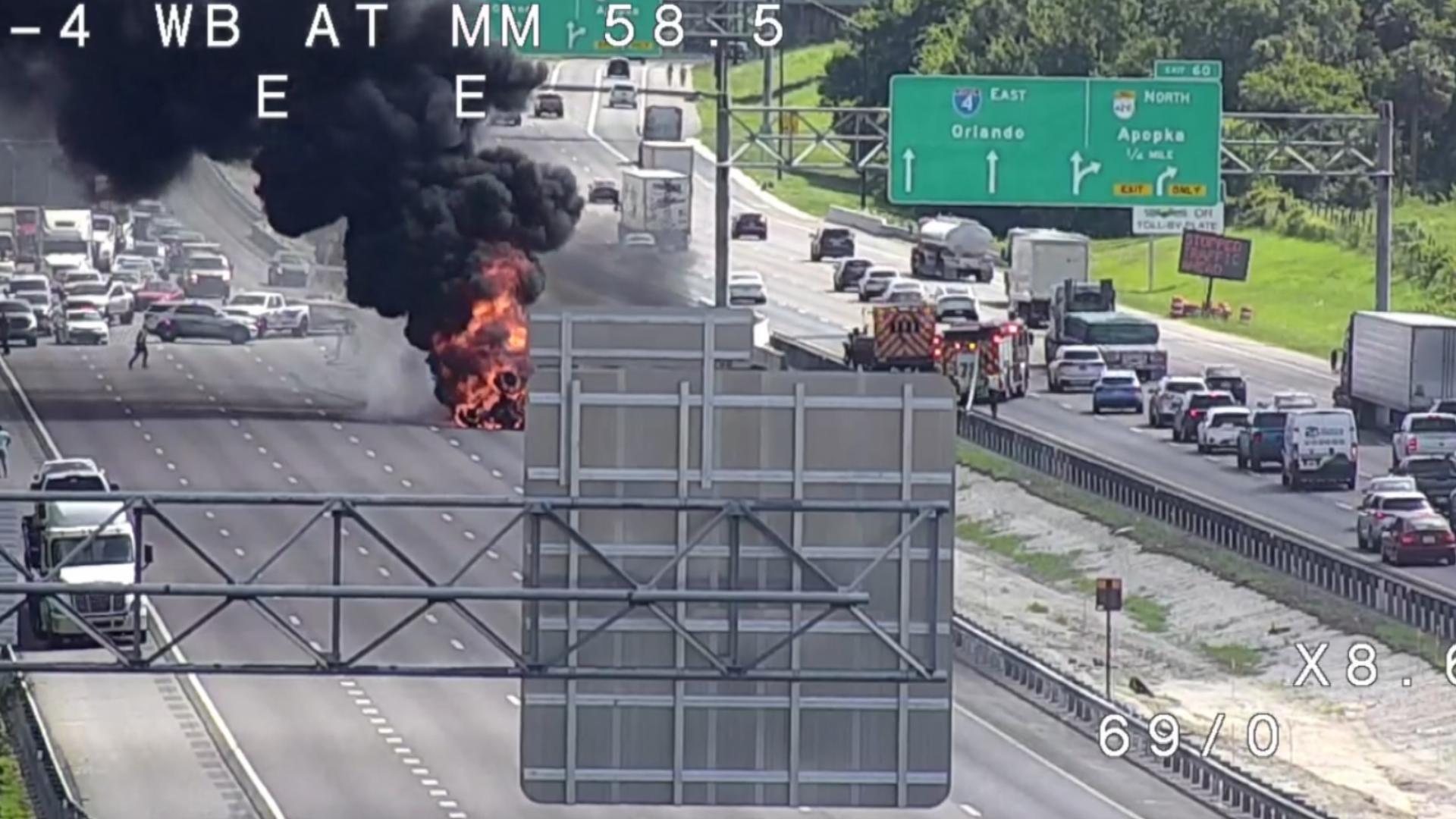
With a high concentration of out-of-state drivers who may be unfamiliar with the complex interchanges near International Drive, accidents are unfortunately frequent. A significant incident involving commercial vehicles or multi-car pileups can lead to a full closure of the interstate for several hours as emergency crews and investigators clear the scene. This is especially common near the “I-4 Eyesore” (the Majesty Building in Altamonte Springs) or the busy exits for Epcot and Disney’s Hollywood Studios.
Navigating Florida Tourism During a Shutdown
When the highway is blocked, savvy travelers know that there are always alternative ways to reach their destination. The key is to act quickly and use the surrounding grid of toll roads and local boulevards that define the Central Florida landscape.
Strategic Detours and Alternative Routes
If the closure is located in the southern portion of the corridor near ChampionsGate or Davenport, travelers can often bypass the mess by using the Florida Turnpike. This toll road runs parallel to parts of the interstate and can be a lifesaver for those trying to reach Miami or the Florida Keys from the north.
Within Orlando, the beltways are your best friend. State Road 417, also known as the Central Florida GreeneWay, offers a scenic and less congested route around the eastern side of the city, connecting Sanford to the Walt Disney World Resort area. On the western side, State Road 429 (the Western Beltway) provides direct access to Apopka and the newer western entrances of the theme parks.
Utilizing Public Transportation Options
While Florida has historically been a car-centric destination, new options are emerging. The SunRail commuter train offers service through Volusia County, Seminole County, and Orange County. While it primarily serves commuters, it can be a great way to explore Winter Park or Downtown Orlando without touching the interstate. Additionally, Brightline now connects Orlando to West Palm Beach, Boca Raton, Fort Lauderdale, and Miami, offering a high-speed luxury alternative for those traveling between major Florida cities.
Exploring Hidden Gems Near I-4 During Delays
If a shutdown on Interstate 4 leaves you with hours of unexpected free time, consider it an opportunity to explore the local culture that exists just beyond the exit ramps. The regions surrounding the highway are rich with history, nature, and unique activities.
Discovering the Charm of Lakeland and Winter Park
Halfway between Tampa and Orlando lies Lakeland. If you are stuck in Polk County traffic, take a detour to Lake Mirror Park or visit Florida Southern College, which houses the largest collection of Frank Lloyd Wright architecture in one location. It is a peaceful respite from the chaos of the highway.
On the northern end of the Orlando stretch, Winter Park offers a completely different vibe. Instead of the high-energy theme parks, you will find Park Avenue, a cobblestone street lined with high-end boutiques and sidewalk cafes. A ride on the Winter Park Scenic Boat Tour through the Chain of Lakes is one of the oldest and most relaxing tourist activities in the state, providing a glimpse of old-world Florida mansions and lush landscapes.
Local Flavors in Plant City and Sanford
If you find yourself near the western end of the highway during the spring, a stop in Plant City is mandatory. Known as the winter strawberry capital of the world, it is home to the Florida Strawberry Festival. Even outside of festival season, the local produce stands offer a taste of the region’s agricultural roots.
At the northern terminus near Lake Monroe, the city of Sanford offers a historic downtown district with a growing craft beer scene and the Central Florida Zoo & Botanical Gardens. These areas allow tourists to engage with the local culture and see a side of the state that isn’t featured in the major brochures.

Essential Tips for Florida Travelers Navigating Traffic Hurdles
To ensure that your Florida vacation remains on track, a little bit of preparation goes a long way. The “why” behind a road closure is often less important than the “how” of getting around it.
First, always check real-time traffic updates before leaving your hotel or resort. Local news stations like WESH 2 and Spectrum News 13 provide constant updates on the status of the highway. Utilizing navigation apps that account for real-time accidents and construction will help you pivot to routes like State Road 528 (the Beachline Expressway) if needed.
Second, be mindful of peak travel times. The “rush hour” on Interstate 4 in Orlando is notorious, often lasting from 7:00 AM to 10:00 AM and again from 3:30 PM to 7:00 PM. During these windows, the likelihood of a shutdown or significant delay increases. Planning your visits to Disney’s Animal Kingdom or Busch Gardens Tampa Bay outside of these hours can save you a significant amount of time.
Finally, remember that the journey is part of the experience. Florida is a vast and diverse state. While Interstate 4 is the most direct path through the heart of the tourist region, the moments spent exploring Lake Mary, DeBary, or Deltona because of a detour can often become some of the most memorable parts of a trip. Whether you are headed to the Orange County Convention Center for business or the Atlantic Ocean for a day in the sun, staying informed and flexible is the key to mastering the Florida tourism landscape.
LifeOutOfTheBox is a participant in the Amazon Services LLC Associates Program, an affiliate advertising program designed to provide a means for sites to earn advertising fees by advertising and linking to Amazon.com. Amazon, the Amazon logo, AmazonSupply, and the AmazonSupply logo are trademarks of Amazon.com, Inc. or its affiliates. As an Amazon Associate we earn affiliate commissions from qualifying purchases.