
Visitors traveling through Florida often expect nothing but crystal-clear blue skies and the scent of salt air wafting from the Atlantic Ocean or the Gulf of Mexico. However, it is not uncommon for tourists to wake up in cities like Orlando or Tampa only to find a hazy horizon and the distinct smell of burning wood. If you are asking why it is smoky outside today, the answer usually lies in a combination of the state’s unique ecology, seasonal weather patterns, and proactive land management strategies designed to protect both the environment and the people who visit it.

Understanding Florida’s Seasonal Smoky Haze
The presence of smoke in the air is a frequent occurrence in the Sunshine State, particularly during the late winter and early spring months. For a tourist, this can be confusing, but for locals and environmental experts, it is a sign of a healthy ecosystem at work. The primary reason for smoke is often “prescribed burning,” a controlled method of land management.
The Role of the Florida Forest Service
The Florida Forest Service is the agency responsible for managing the state’s vast forest resources. One of their most critical tools is the prescribed burn. These are intentionally set fires designed to clear out underbrush, dead leaves, and invasive species that could otherwise serve as “fuel” for uncontrollable wildfires. By managing these burns under strict weather conditions, the state prevents the catastrophic fires that often plague other parts of the United States.
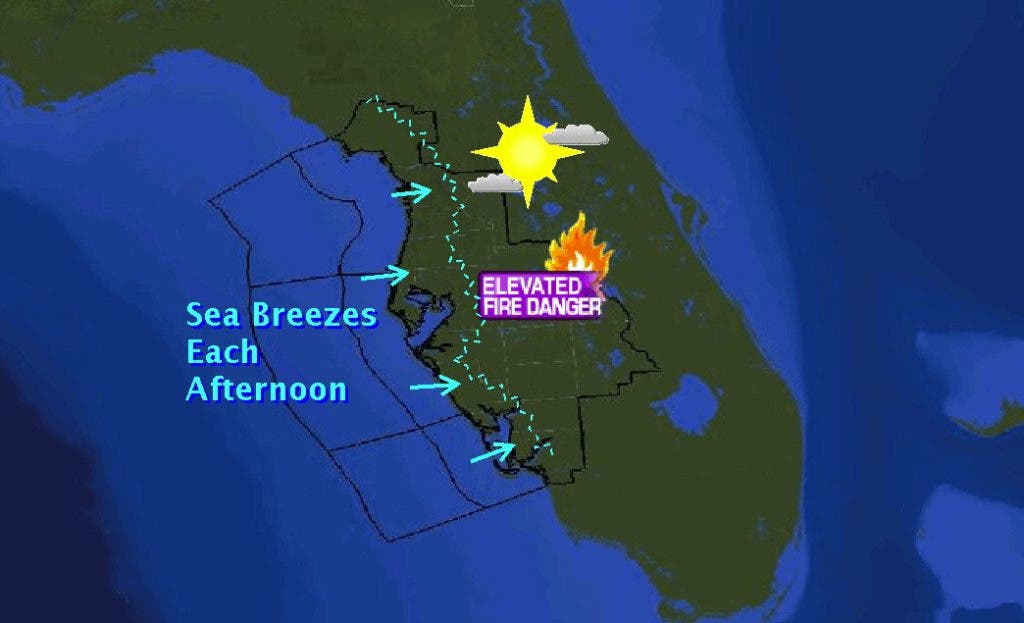
When the Florida Forest Service approves a burn, they look for specific wind directions and humidity levels to ensure the smoke disperses as safely as possible. However, due to shifting winds, that smoke can occasionally settle over major tourist hubs or highways. If you are staying in Jacksonville or driving through the center of the state, you might encounter these controlled plumes.
Prescribed Burns vs. Wildfires
While prescribed burns are planned, wildfires are unplanned and can be caused by lightning strikes or human accidents. During the “dry season,” which typically runs from January through May, the lack of rainfall makes the landscape highly flammable. If you see heavy smoke while visiting Everglades National Park or the Ocala National Forest, it is always wise to check local news or the Florida Department of Environmental Protection website to determine if the fire is a managed event or an emergency situation. For tourists, knowing the difference is key to planning a safe and enjoyable day of exploration.
How Smoke Affects Tourism Activities Across the State
Smoke can have a significant impact on your travel itinerary, particularly if you have planned a vacation centered on the outdoors. From the white sands of Destin to the bustling streets of Miami, the atmospheric quality can dictate what activities are most suitable.
Impact on Outdoor Attractions and Visibility
For those visiting Walt Disney World Resort or Universal Orlando Resort, smoke can occasionally lead to a hazy backdrop for photos of the Cinderella Castle. While the theme parks rarely close due to smoke, the air quality might be a concern for individuals with respiratory sensitivities. On days when the smoke is thick, the visibility from the top of the Icon Park observation wheel or from the high-rise hotels in Fort Lauderdale might be reduced, obscuring the panoramic views of the coast.
In the Florida Keys, smoke is less common because of the surrounding water and constant sea breezes, but it can still drift down from the mainland. If you are heading out on a snorkeling trip to John Pennekamp Coral Reef State Park or taking a ferry to Dry Tortugas National Park, the horizon may appear slightly orange or grey.
Navigating Road Trips and Transportation
Smoke is a major factor for those planning road trips across the state. Major arteries like Interstate 4 and Interstate 95 can experience “superfog”—a dangerous combination of smoke and morning fog that reduces visibility to near zero. If you are driving a rental car from Miami International Airport to Tampa International Airport during the early morning hours, it is essential to stay tuned to local traffic alerts. The Florida Highway Patrol often monitors these conditions closely and may close sections of the road for traveler safety.

Essential Tips for Tourists During Smoky Days
If your vacation coincides with a period of heavy smoke, there is no need to cancel your plans. Florida is home to an incredible array of indoor attractions and cultural sites that offer a reprieve from the outdoor air.
Exploring Indoor Alternatives
When the air quality index (AQI) rises, consider pivoting to some of the state’s world-class museums and indoor entertainment centers. In St. Petersburg, the Salvador Dali Museum offers a climate-controlled environment filled with surrealist masterpieces. Similarly, the Frost Science Museum in Miami provides a fascinating indoor experience for families, complete with a planetarium and a massive aquarium.
For those near Cape Canaveral, the Kennedy Space Center Visitor Complex has numerous indoor exhibits, including the Space Shuttle Atlantis display. These locations allow you to continue your Florida adventure without worrying about the haze outside.
Health and Comfort Considerations
For tourists, comfort is paramount. If you notice it is smoky outside, it is a good idea to keep the windows of your hotel or vacation rental closed. Most modern resorts in Sarasota or Naples are equipped with high-quality HVAC systems that filter out particulates. If you must be outside, staying hydrated is essential. Drinking plenty of water helps your body manage the irritation that smoke can cause to the throat and eyes.
If you are a visitor with asthma or other heart and lung conditions, it is advisable to check the AirNow website, which provides real-time updates on air quality across the United States. This tool can help you decide whether a day at Busch Gardens Tampa Bay is a good idea or if you should opt for a shopping trip to the Mall at Millenia instead.
The Ecological and Cultural Importance of Fire in Florida
To truly understand why it is smoky in Florida, one must appreciate the history and ecology of the region. Fire is not an enemy to the Florida landscape; it is a vital part of its life cycle.
Sustaining Native Wildlife and Habitats
Many of Florida’s most iconic species depend on fire-maintained habitats. The Florida Panther, which roams through Big Cypress National Preserve, relies on the new growth that sprouts following a fire. This fresh vegetation attracts deer and other prey. Similarly, the Gopher Tortoise finds it much easier to forage and burrow in sandy soils that have been cleared of thick, choking underbrush by fire.
The longleaf pine forests, which once covered much of the Southeast United States, are fire-dependent. Without regular burning, these majestic trees would be overtaken by hardwoods, forever changing the landscape of places like the Apalachicola National Forest near Tallahassee. For a tourist interested in local ecology, seeing the smoke is a reminder of the efforts being made to preserve the “real Florida” for future generations.
A Tradition of Land Stewardship
The practice of using fire to manage the land in Florida dates back centuries. Indigenous peoples, such as the Seminole Tribe of Florida and the Miccosukee Tribe, understood the benefits of fire for hunting and agriculture. When you visit historical sites like St. Augustine, you are standing in a region where the balance between humans and the natural environment has always involved the careful management of fire.
In modern times, this stewardship continues through the collaboration of various agencies, including the National Park Service and the Florida Fish and Wildlife Conservation Commission. Their work ensures that the very landmarks tourists flock to—such as Biscayne National Park—remain healthy and vibrant.
While the smoke might be an occasional inconvenience for your travel plans, it is an essential part of the Florida experience. By understanding why it is smoky, tourists can better appreciate the complex natural beauty of the state. Whether you are exploring the art galleries of Winter Park, enjoying the nightlife in South Beach, or hiking the trails of Myakka River State Park, a little smoke in the air is simply a sign that the Florida wilderness is being cared for, ensuring its splendor remains intact for your next visit. Keep your eyes on the horizon, your travel apps updated, and your sense of adventure ready, as even a smoky day in Florida offers a wealth of discovery and local culture.
LifeOutOfTheBox is a participant in the Amazon Services LLC Associates Program, an affiliate advertising program designed to provide a means for sites to earn advertising fees by advertising and linking to Amazon.com. Amazon, the Amazon logo, AmazonSupply, and the AmazonSupply logo are trademarks of Amazon.com, Inc. or its affiliates. As an Amazon Associate we earn affiliate commissions from qualifying purchases.