
Florida, widely celebrated as the Sunshine State, conjures images of endless summer, sun-drenched beaches, and balmy breezes. Tourists flock here year-round, drawn by the promise of warmth, even in the depths of winter. Yet, visitors and residents alike are often surprised by the occasional, sometimes prolonged, periods of genuine cold. The paradox of chilly weather in a subtropical paradise begs the question: why does Florida get so cold? Understanding the meteorological intricacies and geographical factors at play is crucial for any traveler planning a trip, ensuring that expectations align with reality and that the journey remains enjoyable, come rain or shine – or, indeed, cold front.
This article delves into the science behind Florida’s surprising cold snaps, exploring how its unique geography and global weather patterns conspire to bring winter’s bite to a state synonymous with warmth. We will examine the impact these temperature drops have on travel plans and offer insights into how to prepare for and even embrace a cooler Florida experience, transforming potential disappointment into an opportunity for a different kind of adventure.
The Sunshine State’s Surprising Chill: Understanding Florida’s Winter Weather
While Florida is predominantly subtropical, its climate is not immune to the whims of larger weather systems. The state’s position, jutting out into the Atlantic Ocean and the Gulf of Mexico, makes it a battleground for competing air masses, particularly during the winter months. The notion of perpetual warmth is often a misconception, as distinct seasons, albeit milder than those further north, do exist.
Meteorological Factors at Play
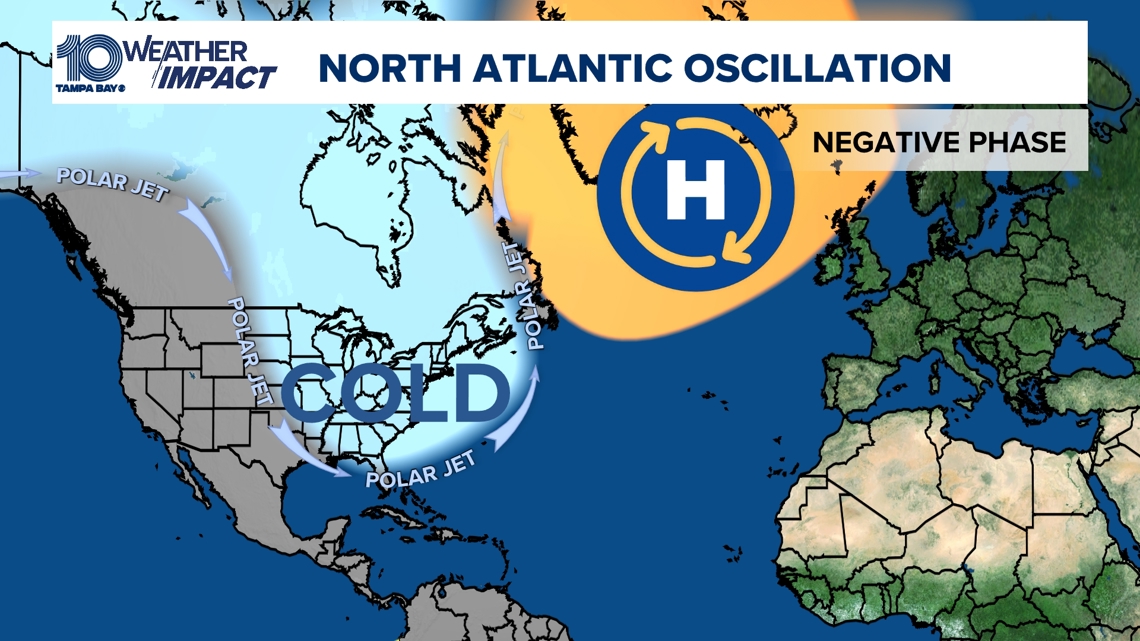
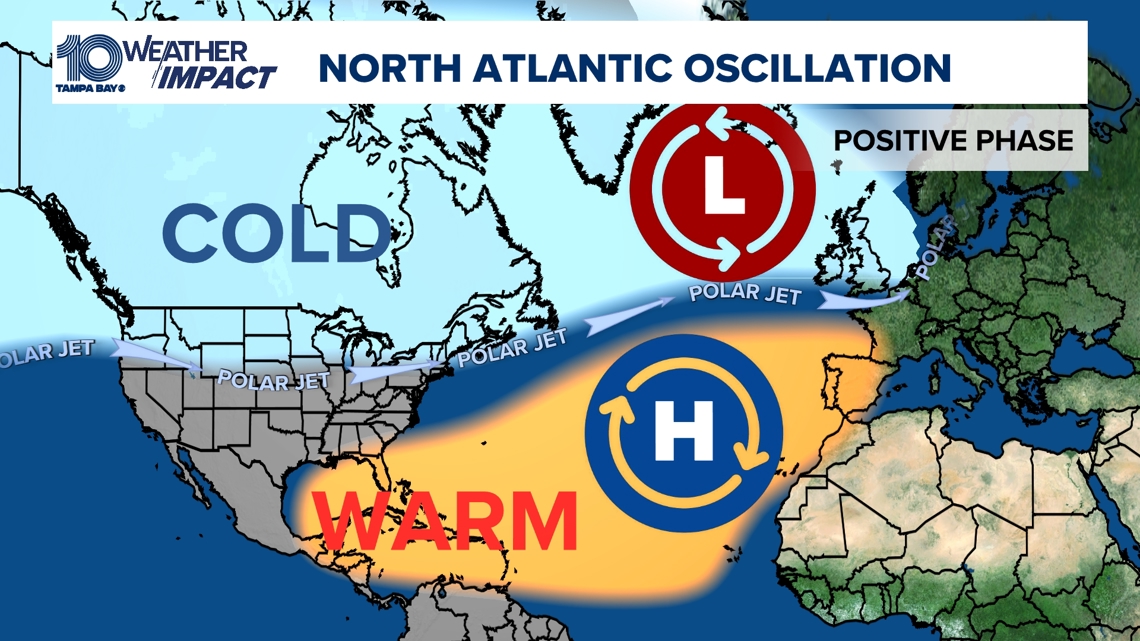
The primary culprit behind Florida’s cold weather is the southward intrusion of cold air masses, often originating from Arctic regions. These masses are driven by powerful atmospheric currents. The jet stream, a fast-flowing, narrow air current high in the atmosphere, plays a critical role. When the jet stream dips unusually far south, it acts like a conveyor belt, ushering frigid air from Canada and the northern United States directly into Florida.
These cold air incursions manifest as cold fronts. A cold front is the leading edge of a cooler mass of air, replacing a warmer mass of air. As these fronts sweep across the southeastern United States, they can bring dramatic drops in temperature, often accompanied by strong winds and sometimes rain. Following the passage of a strong cold front, high-pressure systems carrying dry, cold air settle over the state, leading to several days of unseasonably low temperatures, especially overnight. While the Polar Vortex is a phenomenon usually associated with more extreme cold in higher latitudes, its destabilization or southward shift can have ripple effects that contribute to cold outbreaks reaching Florida, amplifying the chill brought by the jet stream.
Geographical Vulnerability
Florida’s unique peninsular geography makes it particularly susceptible to these cold fronts. Unlike other southern states that might be somewhat shielded by landmasses to their north, Florida is relatively exposed. The state extends far south, acting almost like a funnel for cold air masses pushing down from the continent. There’s no major east-west mountain range to block the southward flow of cold air.
The relatively shallow waters of the Gulf of Mexico and the Atlantic Ocean provide some moderation, but this effect is limited, especially during prolonged cold snaps. Once the cold air blankets the state, even the surrounding water bodies struggle to significantly warm the land, particularly during the coldest parts of the day.
Defining “Cold” in Florida
It’s important to contextualize what “cold” means in Florida. For visitors accustomed to northern winters, 40 or 50 degrees Fahrenheit (4-10 degrees Celsius) might seem mild. However, for Florida residents and visitors expecting tropical warmth, these temperatures can feel surprisingly biting, especially when combined with wind and humidity.
“Cold” in Florida is relative. In North Florida cities like Jacksonville and St. Augustine, winter lows can occasionally dip below freezing, and even light snow is not unheard of, though rare. Further south, in destinations like Orlando, Tampa, and Sarasota, temperatures rarely drop to freezing, but daytime highs in the 50s and 60s Fahrenheit (10-15 degrees Celsius) are common during cold fronts. Even South Florida cities such as Miami and Key West, while significantly warmer, can experience days with highs in the 60s Fahrenheit (15-18 degrees Celsius), especially with a strong northerly wind. This relative cold can still necessitate jackets and long pants, far from the swimsuit weather many anticipate.
Impact on Travel and Tourism: Adjusting Expectations
The expectation versus reality gap regarding Florida’s winter weather can significantly influence a traveler’s experience. Marketing often focuses on the idyllic, warm aspects, leaving visitors unprepared for cooler conditions.
Misconceptions vs. Reality
One of the biggest misconceptions is that because palm trees grow in Florida, it must be consistently hot. While the state is indeed home to tropical and subtropical flora, and average winter temperatures are mild, “average” doesn’t mean “constant.” Florida experiences considerable variability, especially from December through February. Travelers expecting to spend every day in shorts and a t-shirt, even in winter, might be disappointed if a cold snap hits. It’s crucial to understand that while the chances of warm weather are high, the possibility of cold weather is not negligible.
Effect on Outdoor Activities
Cold weather directly impacts the enjoyment of Florida’s signature outdoor attractions. Beach days become less appealing when temperatures hover in the 50s and 60s, and strong winds can make sunbathing uncomfortable. Theme parks like Walt Disney World Resort and Universal Studios Florida remain open, but water rides might be too chilly, and outdoor shows less comfortable without proper attire. Similarly, golfing, fishing, and exploring natural areas like Everglades National Park can become less enjoyable if not adequately dressed. Many water-based activities, from swimming to snorkeling, become impractical during significant cold snaps.
The Upside of Cooler Weather
Despite the initial disappointment, cooler Florida weather offers several distinct advantages for travelers. Firstly, lower temperatures often mean less humidity, making it far more comfortable to explore. The oppressive humidity of summer can be replaced by crisp, dry air that is ideal for walking and sightseeing.
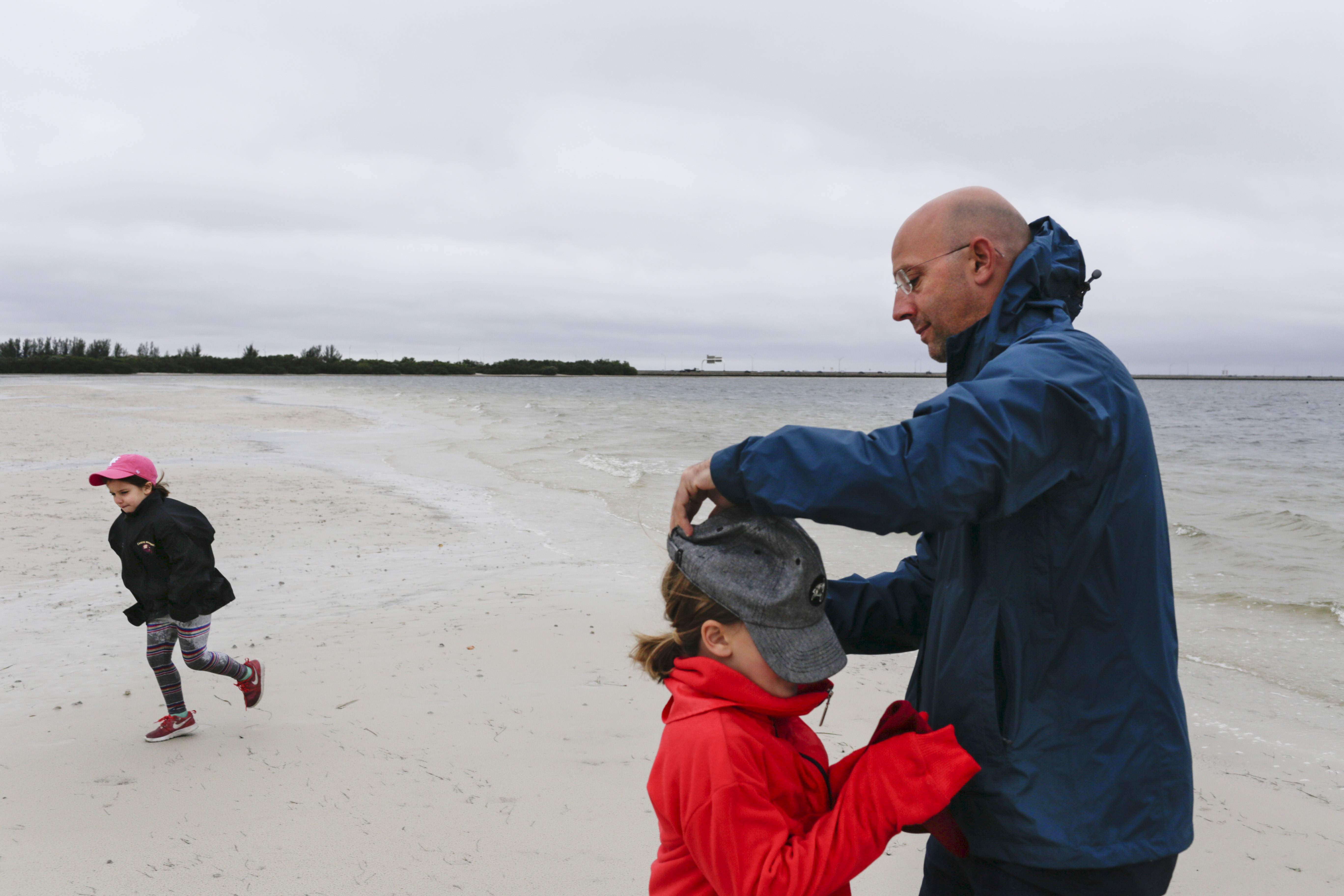
Secondly, cold snaps sometimes coincide with fewer crowds, especially at outdoor attractions. While popular theme parks will always draw visitors, some beaches and less central attractions may see a temporary lull, offering a more relaxed experience. Finally, cooler weather is perfect for active exploration. Hiking, biking, and walking around city centers or historical sites like St. Augustine become much more pleasant activities without the relentless summer heat. It allows for a deeper appreciation of Florida’s cultural and historical offerings that might be overlooked when solely focused on beach activities.
Preparing for a Florida Winter: What to Pack and What to Do
Being prepared is the best way to ensure an enjoyable trip to Florida, regardless of the weather. A flexible mindset and a well-packed suitcase can make all the difference.
Essential Packing List
For a winter trip to Florida, the key is layers. While you might still get warm days perfect for shorts and t-shirts, having options for cooler temperatures is crucial.
- Light jackets or sweaters: Essential for mornings, evenings, and cooler days.
- A heavier jacket or coat: Especially if traveling to North Florida or during peak winter months (January/February), or if you are particularly sensitive to cold.
- Long-sleeved shirts and pants: Good for layering and cooler days.
- Swimsuit: Still bring one! Warm days are common, and most resorts and hotels have heated pools.
- Warm accessories: A light scarf, hat, or gloves can be surprisingly useful on windy or particularly cold days, especially if you plan to be outdoors for extended periods, such as at theme parks early in the morning or late at night.
- Comfortable closed-toe shoes: Better than sandals for cold days.
Embracing Indoor Attractions
When the weather turns chilly, Florida offers a wealth of indoor activities. Instead of lamenting the inability to hit the beach, pivot to exploring the state’s vibrant cultural scene.
- Museums and Galleries: Cities like Miami, Orlando, and St. Petersburg boast impressive art museums, science centers, and historical exhibits.
- Aquariums and Marine Parks: Facilities like the Florida Aquarium in Tampa or the Miami Seaquarium offer fascinating indoor experiences.
- Shopping: From high-end boutiques on Worth Avenue in Palm Beach to sprawling outlet malls, Florida has retail therapy for every taste.
- Live Entertainment: Catch a Broadway show, a concert, or a comedy act. Florida’s entertainment venues offer a diverse range of options.
- Space Exploration: The Kennedy Space Center Visitor Complex offers numerous indoor exhibits and is an incredible learning experience, even on a cold day.
Seasonal Events and Unique Experiences
Winter in Florida is also a peak season for various festivals and events that might be more enjoyable in cooler temperatures. Think outdoor art festivals, food and wine events, and holiday celebrations that thrive without the sweltering heat. It’s also prime time for wildlife viewing; manatees, for example, gather in warmer spring-fed waters, offering a unique viewing opportunity. Exploring the state’s numerous state parks and natural springs can be a refreshing experience without the oppressive summer heat and humidity, allowing for comfortable hiking and exploration.
Navigating Specific Florida Destinations During Cold Snaps
The impact of cold weather varies significantly across the elongated state of Florida. Knowing what to expect in different regions can help tailor your travel plans.
North Florida vs. South Florida
There’s a noticeable temperature gradient from north to south.
- North Florida (e.g., Jacksonville, Tallahassee, St. Augustine): Winters here are distinctly cooler, often experiencing freezing temperatures overnight and daytime highs in the 40s to 60s Fahrenheit (4-18 degrees Celsius). It’s the region most susceptible to continental cold air masses.
- Central Florida (e.g., Orlando, Tampa): While still prone to cold snaps, temperatures are generally milder. Freezing is less common, and daytime highs during cold spells usually remain in the 50s to low 70s Fahrenheit (10-22 degrees Celsius). This region often sees a quicker rebound to warmer temperatures.
- South Florida (e.g., Miami, Fort Lauderdale, Key West): This is the warmest part of the state, benefiting from its proximity to the tropics and the moderating influence of the surrounding oceans. Even here, however, strong cold fronts can bring daytime highs into the 60s Fahrenheit (15-18 degrees Celsius), particularly in Miami, and overnight lows can dip into the 40s (4-9 degrees Celsius), especially inland. Key West is generally the warmest year-round, but even it can experience chilly days.
Coastal vs. Inland Considerations
Proximity to the ocean also plays a role. Coastal areas often experience slightly milder overnight lows due to the moderating effect of warmer ocean waters, which retain heat longer than land. However, coastal areas can also feel colder during the day due to wind chill, especially if there’s a strong breeze blowing off the relatively cooler winter ocean or Gulf of Mexico. Inland areas, particularly those with large lakes like Lake Okeechobee, can experience slightly greater temperature extremes, with colder nights and sometimes warmer, less windy days.
Monitoring Forecasts for Key Locations
The best approach is always to check hyper-local weather forecasts for your specific destination in the days leading up to and during your trip. Weather patterns in Florida can be dynamic, with temperatures fluctuating significantly even within a few days. Rely on reputable weather services that provide detailed hourly and daily forecasts for cities like Orlando, Miami, or Tampa, enabling you to pack appropriately and plan your daily activities with the most current information.
Beyond the Chill: The Allure of Florida Year-Round
While the occasional cold snap can be a surprise for travelers expecting constant heat, it’s a fundamental part of Florida’s diverse climate. Understanding these nuances allows for a richer and more realistic travel experience.
Appreciating Florida’s Diversity
Florida is much more than just its famous beaches and theme parks. It boasts a rich history, vibrant cities, unique ecosystems, and a diverse cultural tapestry. Cooler weather provides an excellent opportunity to explore these facets without the intense summer heat or humidity. From the historic streets of St. Augustine to the artistic districts of South Beach in Miami, there’s an abundance of experiences that are often more enjoyable when the mercury isn’t soaring.
The Resilient Spirit of Florida Travel
The key to a successful Florida winter trip lies in adaptability. By packing layers, monitoring forecasts, and being open to both indoor and outdoor activities, travelers can embrace the state’s surprising chill and discover its multifaceted charm. The goal should be to enjoy Florida for all it offers, not just its stereotypical sunny image. Whether it’s a brisk walk along a quiet beach, exploring a charming historic town, or enjoying a less crowded theme park, a cold day in Florida can still be a truly memorable travel experience, revealing a different, yet equally captivating, side of the Sunshine State.
LifeOutOfTheBox is a participant in the Amazon Services LLC Associates Program, an affiliate advertising program designed to provide a means for sites to earn advertising fees by advertising and linking to Amazon.com. Amazon, the Amazon logo, AmazonSupply, and the AmazonSupply logo are trademarks of Amazon.com, Inc. or its affiliates. As an Amazon Associate we earn affiliate commissions from qualifying purchases.