
Florida is a land defined by its relationship with the sun. Known globally as the Sunshine State, it beckons millions of travelers every year from the United States and beyond with the promise of endless summer. However, many first-time visitors stepping off a plane in Miami or Orlando are immediately struck by a wall of heat that feels far more intense than a standard summer day elsewhere. To understand why it is so hot in this corner of the world, one must look at a unique intersection of geography, meteorology, and the surrounding maritime environment. For the tourist, this heat is not just a weather condition; it is a fundamental part of the local culture, influencing everything from the architecture in St. Augustine to the way people enjoy the world-renowned theme parks.
The Geographical and Meteorological Foundations of Florida’s Heat
The primary reason for the persistent warmth is Florida’s latitude. The state stretches closer to the equator than any other in the continental United States. Its southernmost point in Key West is actually closer to Havana, Cuba than it is to Miami. This proximity to the Tropic of Cancer means that the sun’s rays hit the peninsula at a much more direct angle throughout the year, providing intense solar radiation that keeps the ground and the air consistently warm.
The Role of the Surrounding Waters
Unlike landlocked states that experience dry heat, Florida is surrounded by massive bodies of warm water. To the east lies the Atlantic Ocean, and to the west is the Gulf of Mexico. These waters act as a massive heat battery. Perhaps the most significant influencer of the local climate is the Gulf Stream. This powerful, warm ocean current flows from the Caribbean Sea and the Bahamas, moving north along the eastern coast of the state. It ensures that even in the winter, coastal cities like Fort Lauderdale and West Palm Beach remain significantly warmer than their inland counterparts.
Humidity: The Invisible Weight
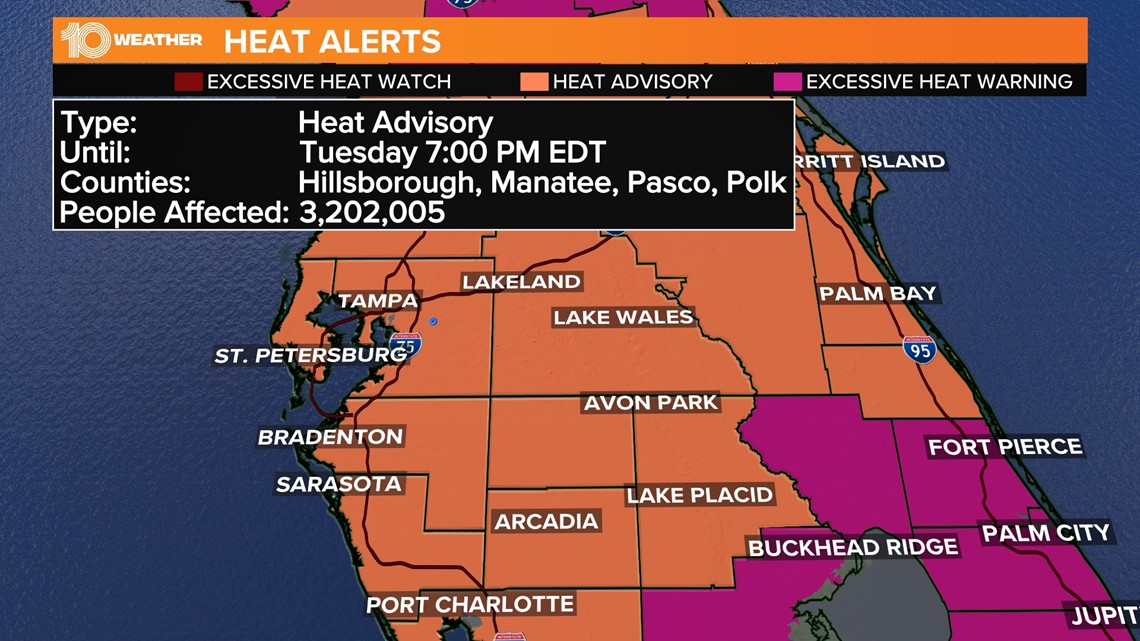
When tourists ask why it is “so hot,” they are often actually reacting to the humidity. Because Florida is a narrow peninsula, moisture-laden air from the surrounding seas is constantly pushed over the land. This high humidity prevents the body’s natural cooling mechanism—sweating—from working efficiently. When the air is already saturated with water, perspiration cannot evaporate off the skin, which is why a 90-degree day in Tampa feels much more punishing than the same temperature in Arizona. This combination of temperature and moisture creates the “heat index,” the metric most relevant to anyone walking through Disney’s Animal Kingdom.
Regional Variations in the Florida Heat
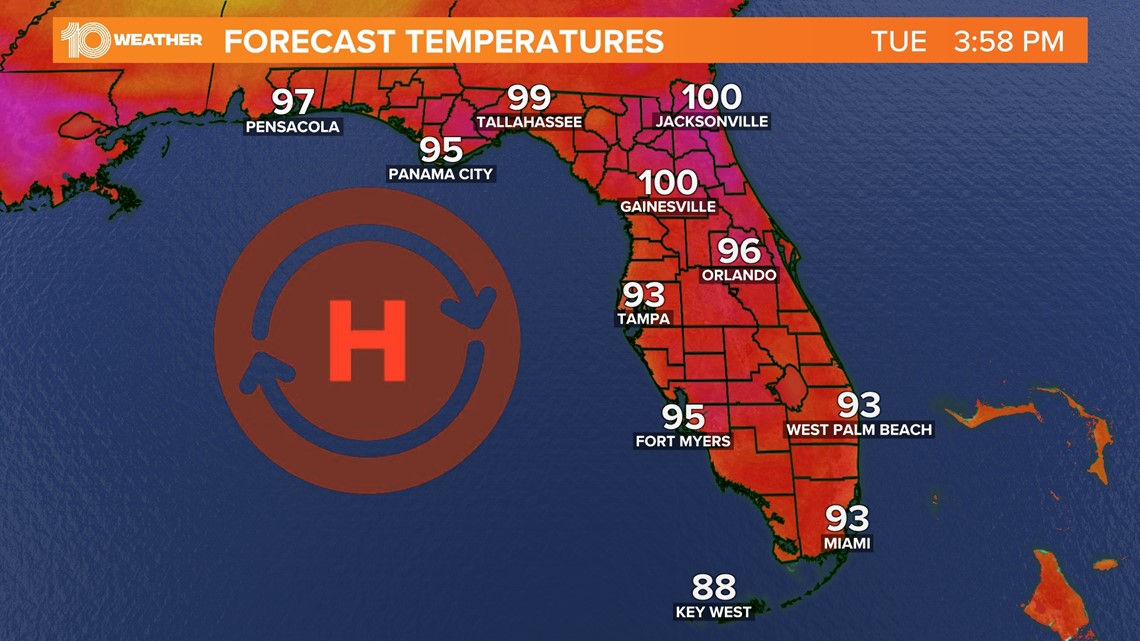
While the entire state is warm, the experience of the heat changes depending on where you are. Tourism in North Florida, including cities like Jacksonville and Tallahassee, offers a slightly more seasonal experience. Here, you might find a crisp morning in January, but the summer humidity remains just as formidable as it is in the south.
Central Florida: The Inland Oven
Orlando and the surrounding central corridor lack the consistent sea breezes that provide relief to the coast. This makes Walt Disney World Resort and Universal Orlando Resort particularly hot during the peak of July and August. Without the Atlantic Ocean to pull heat away from the land, the air can feel stagnant and heavy, which is why these destinations have perfected the art of the indoor, air-conditioned queue and the high-powered misting fan.
South Florida and the Keys: Tropical Permanence
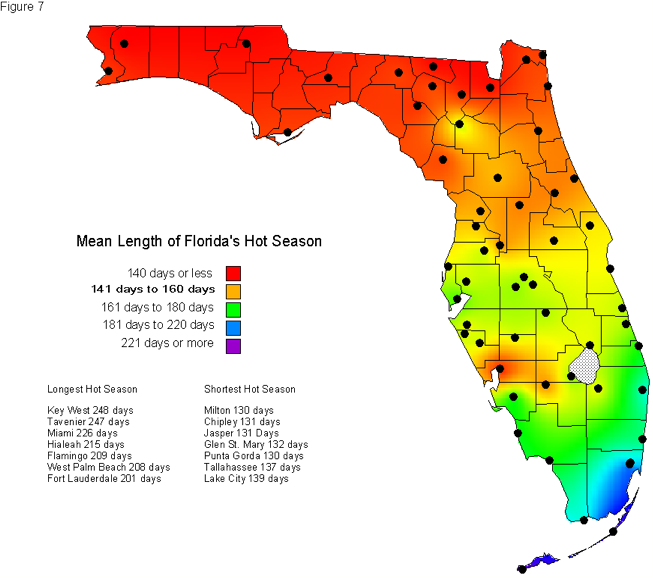
In South Florida, the climate is classified as tropical savanna or tropical monsoon. Cities like Miami and Naples rarely see temperatures drop below 60 degrees, even in the dead of winter. The Florida Keys, an archipelago stretching into the sea, have a climate all their own. The surrounding Florida Bay and Straits of Florida keep the islands exceptionally temperate, preventing the extreme temperature spikes seen in the interior but also ensuring it never truly “cools down” in the traditional sense.
Navigating the Tourism Experience in the Heat
For the savvy traveler, the heat is not a deterrent but a guide for how to structure a vacation. The “Sunshine State” has built its entire tourism infrastructure around managing the sun’s intensity.
Strategic Scheduling and Early Starts
Local experts always suggest the “split-day” strategy. This involves hitting major outdoor attractions like Busch Gardens Tampa Bay or the Kennedy Space Center as soon as they open. By noon, when the sun is at its zenith, many visitors retreat to indoor museums or water-based activities. The The Dali Museum in St. Petersburg or the Frost Science Museum in Miami provide world-class culture in climate-controlled environments.
The Magic of Natural Springs
One of the best-kept secrets for beating the Florida heat is the state’s network of natural springs. Places like Ichetucknee Springs State Park and Silver Springs State Park offer water that remains a constant 72 degrees Fahrenheit year-round. Tubing down a crystal-clear river shaded by ancient cypress trees is a quintessential tourist experience that offers a refreshing contrast to the humid afternoon air.
Water Parks and Coastal Escapes
Florida boasts some of the most advanced water parks in the world. SeaWorld Orlando features Aquatica, while Disney’s Typhoon Lagoon provides a tropical escape for those tired of the pavement. For those who prefer the ocean, the white sands of Clearwater Beach or the shell-lined shores of Sanibel Island offer the benefit of the sea breeze, which can make the air feel ten degrees cooler than it does just five miles inland.
Culinary Relief: Eating and Drinking for the Climate
The Florida heat has directly influenced the local food and beverage scene. Visitors will find that the “tourism palate” in this state leans heavily toward items that provide internal cooling.
The Citrus Heritage
Florida is famous for its citrus, and there is a scientific reason why orange juice and grapefruit are so popular here. These fruits have high water and electrolyte content, making them perfect for hydration. A stop at a roadside stand in Indian River for fresh juice is a rite of passage for many driving through the state.
Seafood and Light Fare
Heavy, cream-based dishes are rare in traditional Florida coastal dining. Instead, the focus is on light, fresh seafood that doesn’t leave the diner feeling sluggish in the heat. Stone crab claws from Joe’s Stone Crab in South Beach or grouper sandwiches in Sarasota are staples of the tourist diet. For dessert, nothing beats the tartness of a Key Lime Pie, a dish originally designed to be made without an oven in the sweltering heat of the Florida Keys.
The Evening Turn
As the sun sets, the tourism scene shifts outdoors. The heat breaks slightly, and the “Golden Hour” becomes the primary time for socializing. The sunset celebration at Mallory Square in Key West is a testament to this, where performers and tourists alike wait for the air to cool and the sky to turn brilliant shades of pink and orange.
Essential Tips for the Sun-Savvy Traveler
Understanding why it is hot is the first step; surviving and thriving in it is the second. For those visiting Everglades National Park or the beaches of Destin, specific preparations are mandatory.
Dressing for the Subtropics
Professional travelers to Florida avoid heavy fabrics like denim. Linen and moisture-wicking synthetic fabrics are the standard. A wide-brimmed hat is more than a fashion statement; it is a necessity for anyone spending the day at Daytona Beach. Additionally, many tourists overlook the importance of “indoor layers.” Because the outdoor heat is so intense, many hotels, malls, and restaurants in Florida blast their air conditioning, making a light sweater or pashmina surprisingly useful when you step inside.
The Afternoon Thunderstorm
One of the most interesting tourist phenomena in Florida is the predictable afternoon thunderstorm. These usually occur between 2:00 PM and 4:00 PM during the summer months. While they can be intense, they are often brief and serve as nature’s air conditioner, temporarily cooling the ground and clearing the air. Experienced visitors to Magic Kingdom don’t leave when the rain starts; they put on a poncho, wait twenty minutes, and enjoy the shorter lines and cooler air that follow.
Sun Protection Beyond the Beach
The Florida sun is powerful even on overcast days. Travelers visiting the Vizcaya Museum and Gardens or walking through Las Olas Boulevard in Fort Lauderdale often realize too late that the UV index remains high regardless of cloud cover. High-SPF sunscreen and polarized sunglasses are essential tools for any activity, whether you are on a boat in Biscayne Bay or exploring the historic streets of Pensacola.
In conclusion, the heat of Florida is a complex product of its unique geography, its proximity to the warm currents of the Atlantic Ocean, and its low-lying, moisture-rich landscape. While the temperatures can be daunting, they are the very reason the state has developed into a world-class tourism hub. By understanding the rhythms of the heat—the cooling sea breezes, the refreshing natural springs, and the vibrant evening culture—visitors can move beyond simply “enduring” the weather and instead embrace it as the heart of the true Florida experience. Whether you are seeking the thrills of Panama City Beach or the quiet luxury of Palm Beach, the heat is the golden thread that connects every part of this tropical destination.
LifeOutOfTheBox is a participant in the Amazon Services LLC Associates Program, an affiliate advertising program designed to provide a means for sites to earn advertising fees by advertising and linking to Amazon.com. Amazon, the Amazon logo, AmazonSupply, and the AmazonSupply logo are trademarks of Amazon.com, Inc. or its affiliates. As an Amazon Associate we earn affiliate commissions from qualifying purchases.