
The persistent gusts sweeping across the Golden State can transform a pleasant day into a challenging one for residents and visitors alike. Understanding the atmospheric dynamics behind this phenomenon offers valuable insight for anyone planning outdoor activities, visiting renowned landmarks, or simply seeking to enjoy the diverse natural beauty that California has to offer. While wind is a constant feature of the California landscape, certain periods can experience significantly intensified and widespread breezy conditions. These periods are typically driven by a confluence of meteorological factors, most notably the passage of weather systems and seasonal pressure gradients.

The Influence of the Pacific High and Aleutian Low
A primary driver of prevailing winds along the California coast is the interplay between two dominant pressure systems: the Pacific High and the Aleutian Low. During the summer months, the Pacific High, a vast area of high pressure, typically sits off the coast of California. This high-pressure system creates a stable atmospheric environment, generally leading to calm, sunny weather. However, its presence also plays a crucial role in shaping coastal winds.
As the warm air over the land heats up, it becomes less dense and rises, creating an area of low pressure inland. Simultaneously, the cooler, denser air over the Pacific Ocean maintains higher pressure. This pressure differential compels air to flow from the high-pressure zone over the ocean towards the low-pressure zone over land. This creates a consistent onshore breeze, often referred to as the “sea breeze” or “coastal breeze.” While this is a daily occurrence, its intensity can fluctuate.
The Aleutian Low, on the other hand, is a semi-permanent area of low pressure that forms over the North Pacific, particularly prominent during the winter months. Its position and strength can significantly influence weather patterns across the West Coast. When the Aleutian Low strengthens and extends southward, it can disrupt the dominance of the Pacific High, allowing for the intrusion of more dynamic weather systems from the north.
Seasonal Variations in Pressure Systems
The strength and position of both the Pacific High and the Aleutian Low vary significantly throughout the year. In the summer, the Pacific High is typically strong and well-established, leading to its dominant role in generating coastal breezes. As autumn and winter approach, the Pacific High weakens and shifts southward, while the Aleutian Low intensifies and moves eastward. This shift allows storm systems originating from the North Pacific to track more readily towards California.
These approaching storm systems are characterized by strong pressure gradients, which are the driving force behind significant wind events. The steeper the pressure gradient, the faster the air will move, resulting in stronger winds. When a low-pressure system is deepening and moving across the Pacific towards the coast, the pressure difference between the approaching storm and the remaining high-pressure areas can create exceptionally windy conditions. This is a common scenario during the fall and winter months, when California experiences its most significant wind events.
The Role of Topography and Terrain
Beyond large-scale atmospheric pressure systems, the dramatic and varied topography of California plays a critical role in amplifying or channeling winds. The state’s diverse geography, ranging from coastal plains and mountain ranges to inland valleys and deserts, creates unique wind patterns.
Mountain Passes and Canyons
Mountain ranges such as the Sierra Nevada and the coastal ranges act as natural barriers. When large air masses encounter these obstacles, they are forced to flow around or over them. This can lead to accelerated wind speeds in narrow canyons and mountain passes as the air is compressed. For example, the notorious “SoCal I-5 Wind Corridor” is a well-known phenomenon where strong winds are channeled through specific mountain passes, impacting travel routes.
Similarly, valleys can become wind tunnels. If a pressure gradient exists between the coast and the interior, air will flow inland through any available openings. In California, this often means winds being funneled through passes in the coastal mountains and into inland valleys like the Central Valley. This can create localized areas of intense wind, even when broader weather patterns suggest less significant wind speeds.
Coastal Effects and Urban Canyons
Along the coast, the differential heating of land and sea, as mentioned earlier, generates the sea breeze. However, the shape of the coastline itself can influence wind direction and strength. Bays, peninsulas, and coastal cliffs can all create localized variations in wind patterns.
In urban areas, the phenomenon of “urban canyons” can also affect wind. Tall buildings can channel winds at street level, creating areas of increased turbulence and gustiness. This can impact pedestrian comfort and even affect outdoor dining experiences at restaurants in cities like Los Angeles or San Francisco. While not the primary driver of widespread windy conditions, these microclimates contribute to the overall perception of windiness.
Seasonal Wind Patterns and Their Impact on Tourism
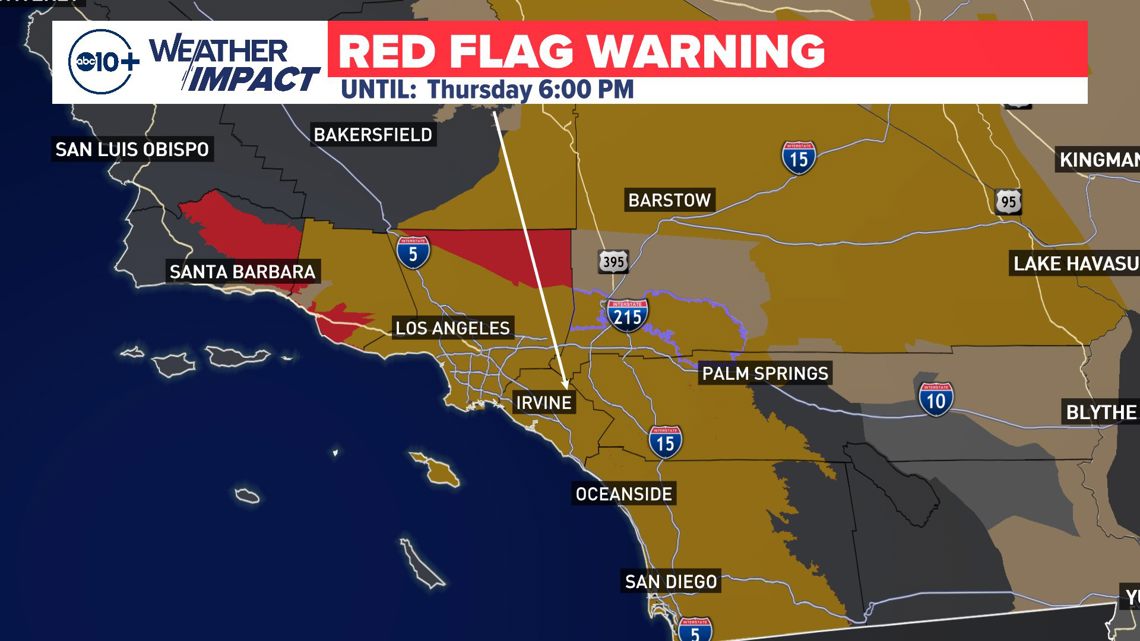
Understanding the seasonal wind patterns in California is crucial for anyone planning a visit or engaging in outdoor activities. The state’s diverse climate means that wind can be a significant factor affecting experiences year-round, but certain seasons are more prone to higher winds.
Summer Breezes and Fog
The classic California summer is often characterized by mild temperatures along the coast, thanks in large part to the persistent onshore flow. This sea breeze is a welcome relief from the inland heat, making coastal destinations like Santa Barbara or the Monterey Peninsula particularly pleasant. However, this same breeze can bring morning fog, especially to the northern and central coast, which can impact visibility and outdoor activities. While not “windy” in the sense of strong gusts, the constant breeze is a defining feature.
Fall and Winter Storms: The “Windy Season”
As mentioned, fall and winter are typically when California experiences its most significant wind events. The increased frequency and intensity of storms moving in from the Pacific mean that strong, gusty winds can become widespread. This can affect a variety of tourist activities:
- Coastal Exploration: While often beautiful, coastal hikes and visits to landmarks like Big Sur can be less enjoyable or even hazardous during periods of strong winds. Ferry services to islands like Catalina Island may also experience cancellations.
- Desert Adventures: Inland regions, including popular desert destinations like Joshua Tree National Park, can experience powerful winds that can kick up dust and sand, reducing visibility and making hiking uncomfortable.
- Wine Country: While the vineyards of Napa Valley and Sonoma can be breathtaking, strong winds can impact outdoor seating at wineries and picnic areas.
- Ski Resorts: In the mountains, strong winds can lead to the closure of ski lifts at resorts like Mammoth Mountain or Palisades Tahoe, disrupting ski vacations.
Spring Transition
Spring is a transitional period. While the dominance of the Aleutian Low begins to wane, the Pacific High gradually strengthens. This can lead to a mix of weather conditions. Some spring days might still experience residual storm-driven winds, while others will see the return of the more moderate coastal breezes. This variability makes checking local weather forecasts particularly important for springtime travel.
Planning Your California Adventures with Wind in Mind
For travelers to California, understanding the meteorological and geographical factors that contribute to windy conditions can significantly enhance their trip planning and overall experience. Being prepared for wind can turn a potentially disruptive element into a manageable aspect of exploring the state’s diverse attractions.
Checking Weather Forecasts and Advisories
The most crucial step for any visitor is to consult reliable weather forecasts. Pay close attention to wind speed and direction predictions, especially for coastal areas, mountain passes, and desert regions. Local news outlets and national weather services provide detailed information. It’s also wise to monitor for any wind advisories or warnings issued by authorities, which can indicate potentially hazardous conditions.
Choosing Activities and Destinations
When planning your itinerary, consider how wind might affect your chosen activities. If you’re visiting the coast, opt for activities that are less wind-sensitive on particularly breezy days, such as museum visits in San Diego or exploring indoor attractions in Los Angeles. Conversely, if your heart is set on a scenic drive through Big Sur or a hike in Yosemite National Park, try to schedule these for days with calmer forecasts.
Packing Appropriately
Wind can make temperatures feel much colder than they actually are. For coastal trips, even in summer, packing a windbreaker or a light jacket is advisable. For higher elevations or desert excursions, layers are essential, and a windproof outer layer can be invaluable. For those planning to visit areas known for significant wind, consider accessories like hats with chin straps or sunglasses that fit snugly to prevent them from blowing away.
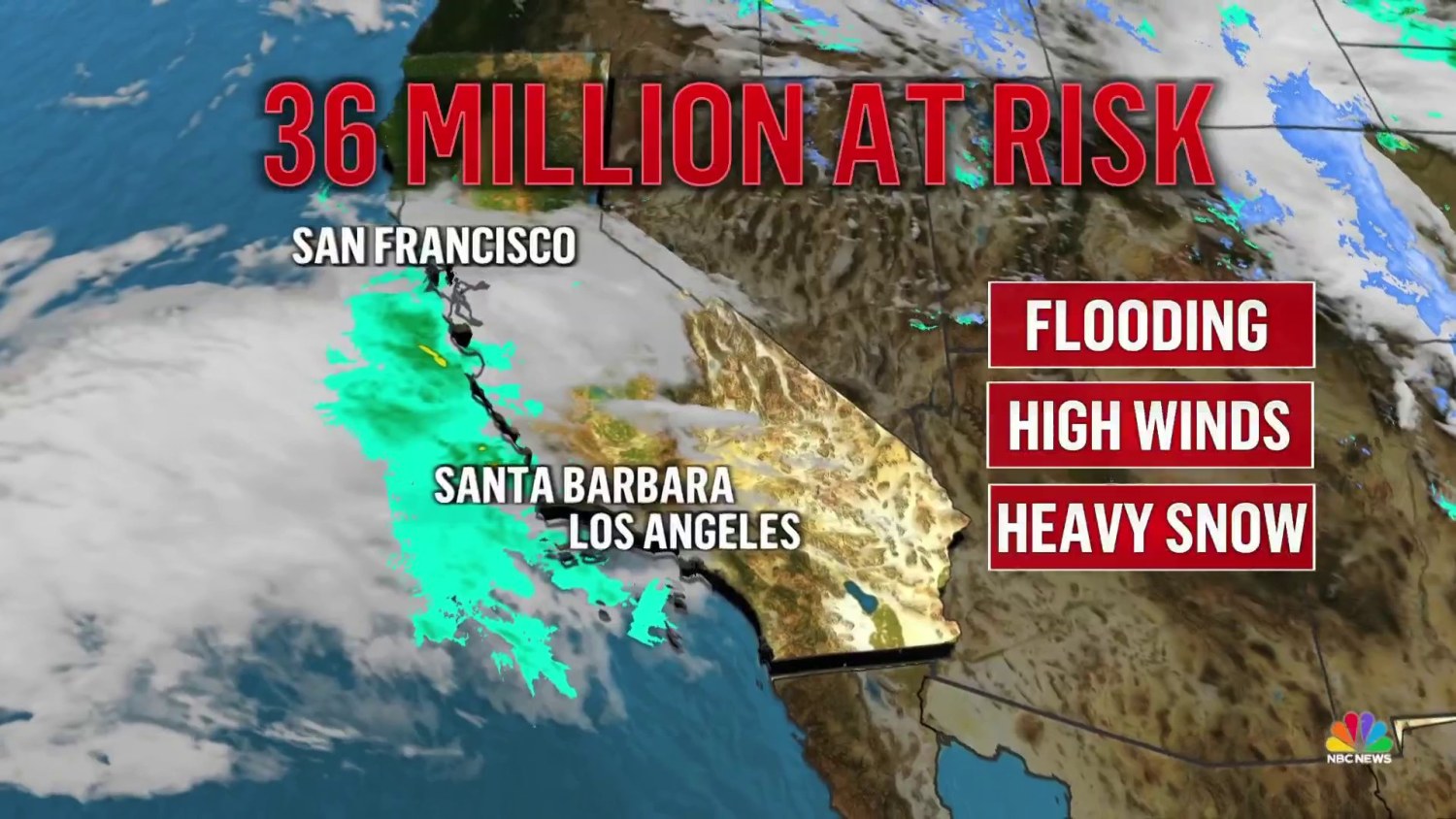
Understanding Local Phenomena
Familiarize yourself with any well-known local wind phenomena. For instance, if you’re traveling through the Tehachapi Pass, be aware that strong winds are common. Similarly, if you’re planning a visit to a coastal town, understand that afternoon sea breezes are a daily feature and can influence outdoor dining or beach activities. Embracing these natural elements as part of the California experience can lead to a more authentic and enjoyable journey. By being informed and adaptable, visitors can navigate the windy moments and fully appreciate the sunshine, scenery, and diverse attractions that make California a world-renowned destination.
LifeOutOfTheBox is a participant in the Amazon Services LLC Associates Program, an affiliate advertising program designed to provide a means for sites to earn advertising fees by advertising and linking to Amazon.com. Amazon, the Amazon logo, AmazonSupply, and the AmazonSupply logo are trademarks of Amazon.com, Inc. or its affiliates. As an Amazon Associate we earn affiliate commissions from qualifying purchases.