
The shimmering allure of Los Angeles, a city synonymous with dreams, glamour, and endless sunshine, has long captivated imaginations worldwide. From the iconic [Hollywood] Walk of Fame to the sprawling beaches of [Santa Monica], the City of Angels beckons with promises of adventure, luxury, and unforgettable experiences. Yet, beneath this dazzling surface lies a complex reality, and at times, a very literal burning. The question, “Why Is Los Angeles Burning?”, transcends simple curiosity; it delves into the city’s environmental vulnerabilities, its dynamic lifestyle, and the very essence of what makes this sprawling metropolis both captivating and challenging.
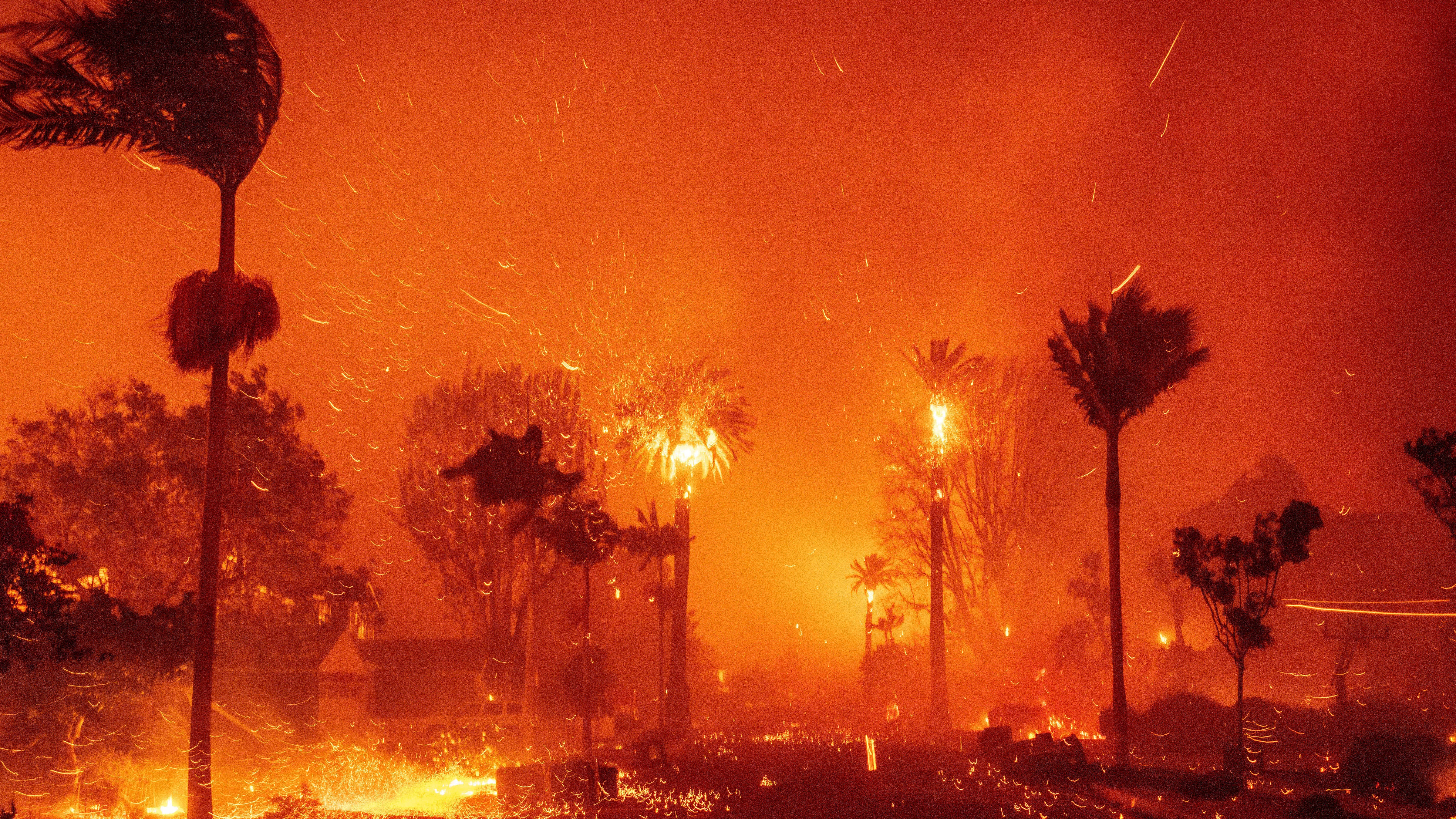
While the romantic notion of Los Angeles might conjure images of endless summer days, the reality is that the region is frequently susceptible to wildfires. These aren’t just fleeting inconveniences; they are potent forces that reshape landscapes, impact daily life, and even influence the way we experience the city’s numerous attractions. Understanding the reasons behind these fires is crucial for anyone planning a trip, considering accommodation, or simply seeking to grasp the multifaceted character of this global icon.
The Unseen Inferno: Understanding Wildfire Dynamics in Los Angeles
The primary driver behind the “burning” of Los Angeles, in a literal sense, is the region’s unique geography and climate, which create a perfect storm for wildfires. This perennial threat, amplified by a confluence of natural and human-induced factors, demands attention from residents and visitors alike.
A Mediterranean Climate’s Double-Edged Sword
Los Angeles boasts a Mediterranean climate, characterized by mild, wet winters and long, hot, dry summers. While this climate is largely responsible for the city’s desirable weather and vibrant outdoor lifestyle, it also sets the stage for fire season. The dry summer months, often extending well into autumn, bake the abundant vegetation – from chaparral-covered hillsides to manicured suburban gardens – into tinder. This dry fuel becomes incredibly susceptible to ignition.
Furthermore, the Santa Ana winds, a seasonal phenomenon that blows from the desert interior towards the coast, play a critical role. These hot, dry, and often powerful gusts can rapidly fan small sparks into raging infernos, pushing flames with alarming speed and intensity across vast areas. Imagine planning a day exploring the [Getty Center] or a hike in the [Santa Monica Mountains], only to have your plans disrupted by smoke plumes and evacuation orders. The Santa Ana winds can turn a picturesque landscape into a dangerous fire zone in a matter of hours.
The Urban-Wildland Interface: Where Nature and Development Collide
A significant factor contributing to the severity and impact of Los Angeles wildfires is the city’s extensive urban-wildland interface (UWI). This is the zone where human development encroaches upon or directly abuts natural, vegetated areas. Los Angeles, with its sprawling development patterns, is a prime example of a city where this interface is particularly pronounced.
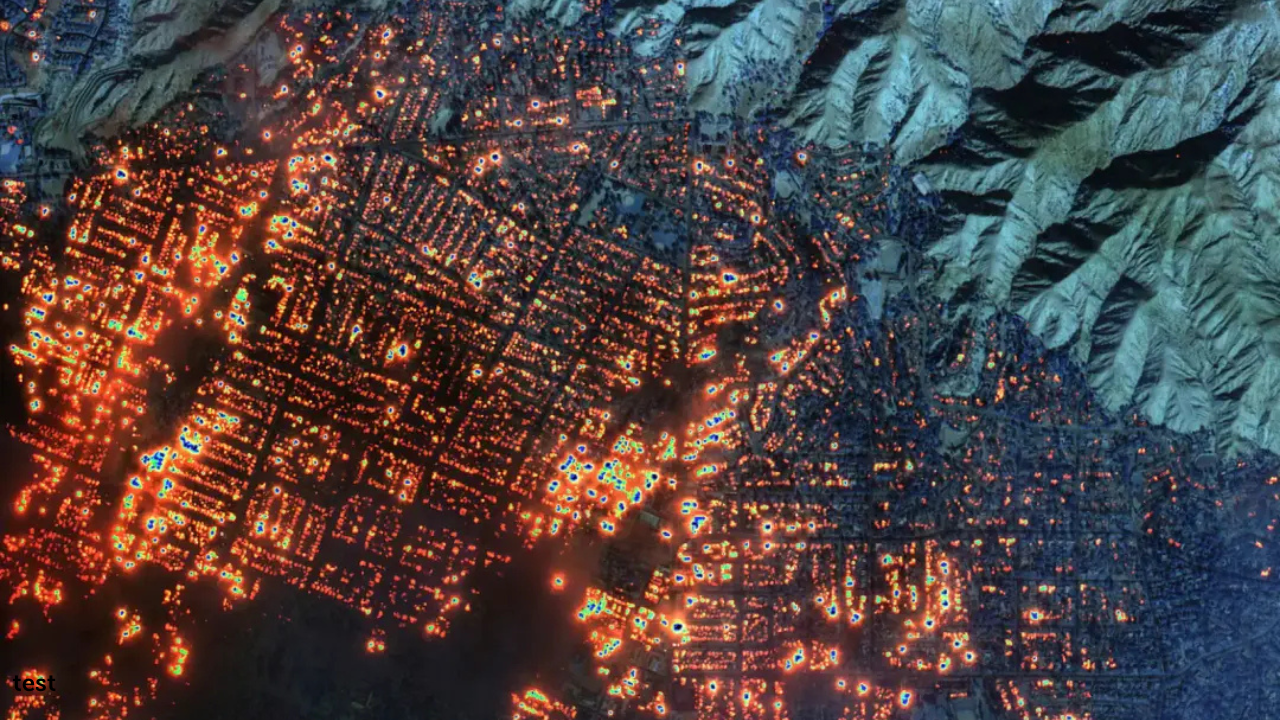
Residential neighborhoods, luxury villas, and even commercial areas are often situated directly at the base of fire-prone hills or adjacent to vast tracts of undeveloped land. This proximity means that when a wildfire ignites, it has the potential to directly threaten homes, infrastructure, and lives. The iconic, sprawling estates in areas like [Beverly Hills] or [Malibu] are not only symbols of the L.A. lifestyle but also sit in zones with a higher risk of wildfire. The very desirability of these locations, offering stunning views and a sense of natural seclusion, places them in the direct path of potential danger.
This UWI exacerbates the problem in several ways. It increases the number of potential ignition sources (human activity, electrical equipment) and makes it more challenging for firefighters to contain fires when they spread into densely populated areas. The smoke and ash from these fires can blanket the city, impacting air quality and turning the normally clear skies into a hazy, ominous panorama, affecting everything from outdoor dining experiences to the visibility for those enjoying a scenic drive along [Pacific Coast Highway].
The Human Element: Ignition Sources and Climate Change
While natural conditions are a primary contributor, human activity is also a significant factor in wildfire ignition. Accidental sparks from discarded cigarettes, unattended campfires, faulty electrical equipment, or even fireworks can ignite dry vegetation. In a region as densely populated and frequently visited as Los Angeles, the sheer volume of human presence increases the statistical likelihood of such accidental ignitions.
Moreover, the broader issue of climate change is widely recognized as a significant amplifier of wildfire risk. Rising global temperatures contribute to hotter, drier conditions, leading to longer and more intense fire seasons. Changes in precipitation patterns can also mean less moisture in the soil and vegetation, making them more flammable. While specific attribution of any single fire to climate change is complex, the overall trend of increasing wildfire frequency and severity in regions like Southern California is consistent with scientific projections related to a warming planet. This means that the “burning” of Los Angeles is not just a regional phenomenon but is increasingly tied to global environmental shifts.
Beyond the Flames: The Lifestyle and Tourism Impact
The reality of wildfires in Los Angeles extends far beyond the immediate destruction. It profoundly influences the city’s lifestyle, its tourism industry, and the very way people experience its renowned attractions.

Adapting the L.A. Lifestyle to Fire Season
The looming threat of wildfires has become an ingrained part of the Los Angeles lifestyle. Residents are increasingly aware of fire safety, with many living in areas that regularly practice evacuation drills. Homeowners invest in fire-resistant landscaping and construction materials. The presence of “fire-safe” recommendations on local government websites and in community newsletters becomes a regular feature, much like traffic advisories.
The visual impact of smoke can also alter the perception of the city. On bad air days, the vibrant blues of the Pacific Ocean might be obscured, and outdoor activities like hiking in [Runyon Canyon Park] or attending an outdoor concert at the [Hollywood Bowl] might be curtailed or canceled. This forces a recalibration of expectations for those who have come to associate Los Angeles with perpetual outdoor enjoyment. Even the simple act of breathing can be affected, leading to increased awareness of air purifiers and health precautions.
Tourism Navigating the Smoke and Ash
For the tourism sector, wildfires present a significant challenge. While major attractions like [Disneyland] or the theme parks in [Anaheim] are typically located away from the immediate fire zones and are designed to operate continuously, smaller, nature-based attractions and tours can be directly impacted.
A planned scenic drive along the coast, a hike in the [Griffith Observatory] grounds, or a visit to a vineyard in the surrounding hills might be suddenly inaccessible due to road closures and safety concerns. Hotel bookings can be affected, with last-minute cancellations occurring when smoke blankets the city or when fires draw too close to populated areas. The economic impact on local businesses – from restaurants that rely on outdoor seating to tour operators – can be substantial.
However, the resilience of Los Angeles also means that the tourism industry often adapts. Many businesses continue to operate, perhaps with modified offerings or by focusing on indoor attractions. The visual spectacle of distant smoke plumes, while concerning, can also serve as a stark reminder of the natural forces at play in this dynamic region, adding a different, albeit somber, layer to the travel experience for those who are curious about the complexities of the destination.
Planning Your Visit: Navigating Los Angeles with Fire Season in Mind
For travelers planning a trip to Los Angeles, understanding the potential for wildfires is not about fear-mongering, but about informed preparation. By taking a few proactive steps, visitors can ensure a safer and more enjoyable experience.
Timing Your Visit: Beyond the “Ideal” Weather
While the summer months are often touted as the best time to visit Los Angeles for its warm weather and abundant sunshine, it is precisely during this period that wildfire risk is at its peak. The autumn months, particularly October and November, are often the hottest and driest, and when the Santa Ana winds are most prevalent.
Consider visiting during the spring or early winter months when the vegetation is greener and the risk of large-scale fires is generally lower, although not entirely absent. Regardless of the season, it’s always wise to stay informed about current conditions.
Staying Informed and Prepared
Before and during your trip, actively seek out information regarding wildfire activity. Local news outlets, official government websites (such as CAL FIRE or the Los Angeles County Fire Department), and weather apps will provide real-time updates on fire incidents, air quality, and any associated evacuations or road closures.
If you are staying in accommodation, particularly in areas close to the hills or natural vegetation, familiarize yourself with the hotel’s emergency procedures and evacuation routes. If you plan on engaging in outdoor activities, check conditions beforehand. Many popular hiking trails or parks might temporarily close due to fire risk or active incidents. For instance, access to certain areas within the [Chinatown] vicinity or the [Downtown Los Angeles] core might be affected by smoke, even if the fire itself is miles away.
Embracing the Indoors and Alternative Experiences
If wildfire smoke does impact outdoor plans, Los Angeles offers a wealth of indoor attractions and experiences. Explore world-class museums like the [Los Angeles County Museum of Art] or the [Petersen Automotive Museum]. Catch a show at one of the city’s many theaters or enjoy the diverse culinary scene, from street food vendors to Michelin-starred restaurants. The city’s extensive network of shopping destinations, from the luxury boutiques of [Rodeo Drive] to the eclectic shops in [Silver Lake], provides ample opportunity for indoor exploration.
Even with the potential for wildfires, Los Angeles remains a captivating destination. By understanding the factors that contribute to its “burning,” planning accordingly, and remaining flexible, visitors can still experience the magic and diversity of this iconic city, while also appreciating the raw power of nature that shapes its dramatic landscape. The question of “Why Is Los Angeles Burning?” is not just about a natural hazard; it’s about understanding the intricate relationship between a vibrant, sprawling metropolis and the wild, untamed environment that surrounds it.
LifeOutOfTheBox is a participant in the Amazon Services LLC Associates Program, an affiliate advertising program designed to provide a means for sites to earn advertising fees by advertising and linking to Amazon.com. Amazon, the Amazon logo, AmazonSupply, and the AmazonSupply logo are trademarks of Amazon.com, Inc. or its affiliates. As an Amazon Associate we earn affiliate commissions from qualifying purchases.