
The American electoral system is a labyrinth of historical compromise, legal precedent, and regional autonomy. While most of the United States utilizes a “winner-take-all” approach to the Electoral College—where the candidate who wins the popular vote in a state secures every single electoral vote allocated to that state—two exceptions stand out: Maine and Nebraska. These states utilize a “Congressional District Method,” a nuance that transforms their electoral maps into contested battlegrounds rather than predictable partisan strongholds. Understanding why these two states deviate from the norm requires looking at their political culture, state legislative history, and the unique way they balance local representation against national executive power.

The Constitutional Basis for State Discretion
The beauty—and the frustration—of the American system lies in the power granted to states under Article II, Section 1 of the U.S. Constitution. This section explicitly states that “Each State shall appoint, in such Manner as the Legislature thereof may direct, a Number of Electors.” This foundational phrasing is why the electoral process is not a uniform federal mandate but rather a patchwork of state-level statutes.
The Evolution of the Winner-Take-All Standard
While the Constitution gives states the power to choose how they distribute their electoral votes, the majority of states eventually gravitated toward the winner-take-all system to maximize their influence. By awarding all votes to one candidate, a state theoretically forces presidential nominees to pay attention to their specific needs. However, the movement in Maine and Nebraska emerged from a desire to ensure that voters in geographically distinct districts feel their voices are not completely drowned out by the population centers of their states.
Legislative Autonomy in Practice
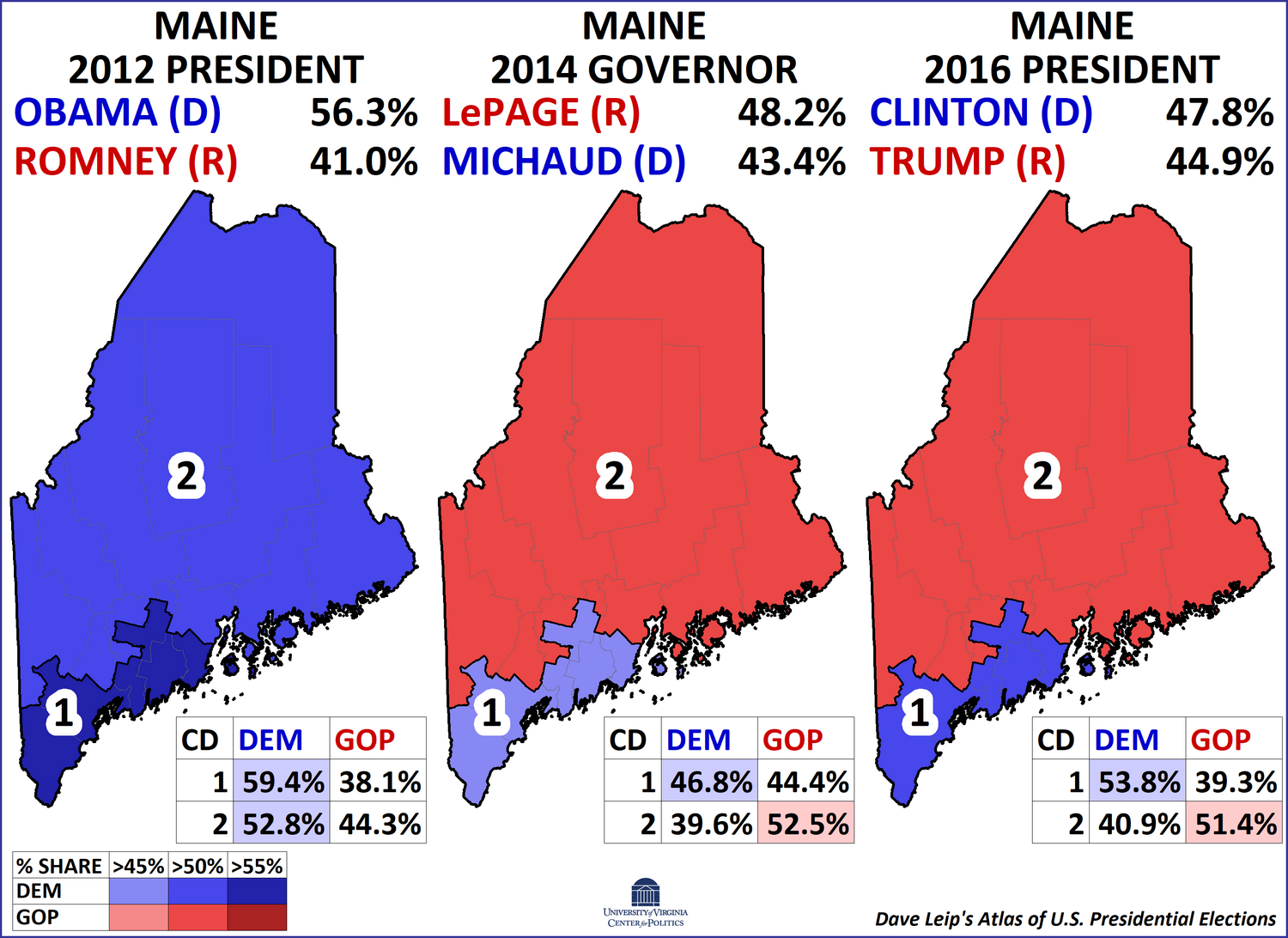
Both states independently decided that the winner-take-all model was less reflective of their citizens’ diverse viewpoints. By shifting to a district-based allocation, these legislatures aimed to increase voter turnout and political engagement. The goal was to ensure that a resident in a rural town in Northern Maine could have a different electoral impact than a resident in the more densely populated Portland area.
Understanding the Congressional District Method
Under the system utilized by these two states, the electoral process is divided into two parts: the statewide vote and the individual congressional district vote. It is a mathematical approach to representation that treats the state as both a single entity and a collection of smaller communities.
The Statewide Allocation
In both Maine and Nebraska, two electoral votes are awarded to the winner of the overall state popular vote. These two votes effectively represent the state’s two United States Senators, who are elected by the entire state population regardless of geography. This ensures that the state still maintains a baseline level of unified influence.
District-Level Electoral Votes
The remaining electoral votes are determined by the outcome in each individual congressional district.
- Maine has two congressional districts. The winner of each district receives one electoral vote.
- Nebraska has three congressional districts. The winner of each district receives one electoral vote.
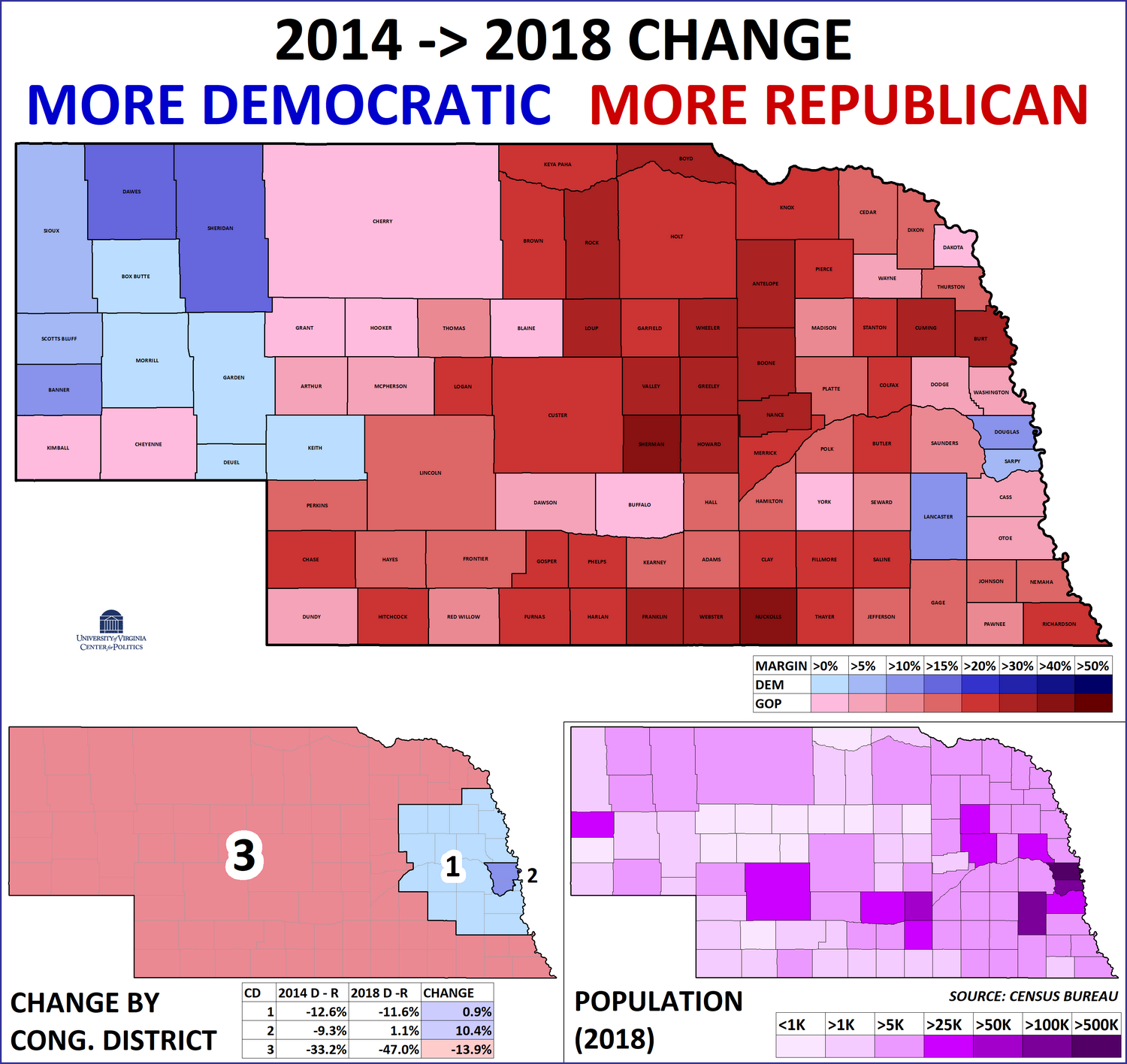
If a candidate wins the popular vote in Omaha, for instance, they secure the electoral vote associated with that specific district, even if the rest of the state leans toward a different political party. This creates a fascinating dynamic where a single electoral vote can be “split off” from the state’s total, potentially tipping a close national election.
Historical Motivations and Regional Impact
The decision to adopt this method was not a singular event but a reflection of local political climates. Each state had unique reasons for moving away from the common practice, though the common thread was a commitment to granular representation.
The Maine Perspective
Maine adopted its split-vote system in 1972. The state’s political landscape is defined by a significant divide between the liberal-leaning urban southern coast and the more conservative, rural inland territories. By allowing the second congressional district to cast its own electoral vote, Maine ensures that the diverse economic and cultural interests of the north are not consistently overshadowed by the political preferences of the population-dense south.
The Nebraska Approach
Nebraska followed suit in 1991, primarily driven by a push for broader democratic representation. Nebraska is famously known for its unicameral legislature, and the state has a long-standing tradition of valuing localized political discourse. By splitting its five electoral votes (two for the state, three for its districts), the state allows the Second District to act as a bellwether. Because Omaha and its surrounding suburbs often differ in temperament from the rural ranching regions of the state, this system provides a unique pressure valve for political tension.
The National Significance of Split Votes
Though Maine and Nebraska represent a tiny fraction of the 538 total electoral votes, their influence is disproportionately large during highly competitive presidential races.
Turning Points in Close Elections
In an era of hyper-partisanship, where presidential elections are often decided by a handful of votes in swing states like Pennsylvania, Michigan, or Wisconsin, every electoral vote matters. The split-vote system turns “safe” states into potential targets for campaign spending and outreach. Presidential candidates cannot simply ignore Nebraska or Maine because they know that at least one, if not more, of those electoral votes remains in play.
Political Accountability and Voter Turnout
Proponents of the split-vote system argue that it incentivizes candidates to actually visit and campaign in areas they might otherwise ignore. When a candidate realizes they have a genuine chance of picking up an electoral vote in a district they would otherwise lose by a massive margin statewide, they are more likely to invest resources there. This increases political engagement, as voters in those districts realize their individual ballots carry significant national weight.
The Future of Electoral Reform
There is ongoing debate about whether other states should adopt this model. Critics of the winner-take-all system argue that it disenfranchises millions of voters who support the losing candidate in their state. By moving toward a proportional or district-based model, advocates suggest that the United States could create a more representative system that reflects the true diversity of thought across the nation. While the transition for larger, more polarized states would be monumental, the examples of Maine and Nebraska prove that there is a viable, constitutional path toward a more nuanced electoral map. As the country continues to grapple with questions of fairness and representation, the unique methods of these two states serve as a compelling study in democratic experimentation.
LifeOutOfTheBox is a participant in the Amazon Services LLC Associates Program, an affiliate advertising program designed to provide a means for sites to earn advertising fees by advertising and linking to Amazon.com. Amazon, the Amazon logo, AmazonSupply, and the AmazonSupply logo are trademarks of Amazon.com, Inc. or its affiliates. As an Amazon Associate we earn affiliate commissions from qualifying purchases.