
The question of why New Mexico consistently ranks among the poorest states in the United States is a complex one, with roots deeply embedded in historical legacies, economic structures, and persistent societal challenges. While the “Land of Enchantment” boasts breathtaking natural beauty, a rich cultural tapestry, and a vibrant artistic community, its economic realities paint a starkly different picture for many of its residents. Understanding this paradox requires a nuanced examination of the factors that have shaped the state’s economic trajectory over decades, and indeed, centuries.
Historical Legacies and Resource Exploitation
New Mexico’s economic struggles are not a recent phenomenon; they are intricately linked to its long and often challenging history. From the earliest colonial settlements to its integration into the American system, the state has experienced cycles of resource exploitation and uneven development that have left lasting impacts.
Colonialism and Land Ownership
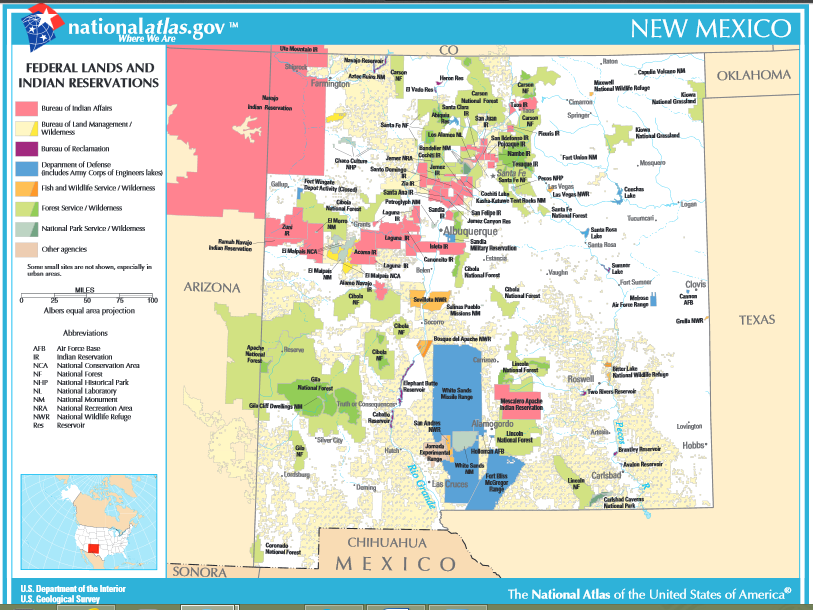
The arrival of Spanish colonists in the 16th century marked the beginning of a new era for the indigenous peoples of the region, including the Pueblo tribes. The imposition of a new social and economic order, characterized by large land grants and the establishment of haciendas, fundamentally altered traditional land ownership patterns and subsistence economies. While vast tracts of land were controlled by a relatively small elite, many indigenous communities and later, Mexican and American settlers, struggled to secure economic stability. The persistent issues surrounding land rights and access to resources have continued to be a source of contention and an impediment to widespread economic prosperity.
The Boom and Bust Cycles of Resource Extraction
New Mexico is rich in natural resources, including minerals, oil, and natural gas. Historically, the state’s economy has been heavily reliant on the extraction and export of these commodities. While these industries have generated significant wealth, they have often done so in a boom-and-bust fashion, leading to periods of high employment and economic growth followed by sharp downturns when commodity prices fluctuate or resources are depleted. This dependence on volatile global markets has made it difficult to build a stable and diversified economic base. Furthermore, the benefits of resource extraction have not always been equitably distributed, with wealth often concentrating in the hands of a few corporations and individuals, while local communities bear the environmental and social costs. The legacy of mining towns that were once vibrant hubs of activity but are now ghost towns serves as a poignant reminder of this cyclical pattern.
The Impact of the Railroad and Federal Policies
The arrival of the railroad in the late 19th century brought about significant changes, facilitating the transport of goods and people and opening up new economic opportunities. However, the development of infrastructure and economic activity often bypassed many of the more remote and historically marginalized communities, exacerbating existing inequalities. Federal policies, including those related to land management, water rights, and economic development, have also played a crucial role. While some policies have aimed to address poverty and promote growth, others have inadvertently contributed to economic stagnation or the displacement of existing livelihoods. The establishment of Los Alamos National Laboratory and Sandia National Laboratories brought significant scientific and technological advancements and employment, but these were highly specialized and did not necessarily translate into broad-based economic benefits for the majority of the state’s population.
Systemic Economic Challenges
Beyond historical factors, New Mexico faces ongoing systemic economic challenges that perpetuate cycles of poverty and limit opportunities for its citizens. These challenges are multifaceted and interconnected, requiring comprehensive and sustained solutions.
Education and Workforce Development
A critical factor in New Mexico’s economic struggles is the persistent underperformance in its education system. Lower high school graduation rates, challenges in college attainment, and disparities in educational quality, particularly in rural and Native American communities, create a significant barrier to workforce development. A poorly educated workforce is less equipped to compete in a modern global economy, leading to lower wages and fewer high-skilled job opportunities. While there have been efforts to improve educational outcomes, the challenges are deep-seated, stemming from issues of funding, teacher recruitment and retention, and access to resources. Investing in early childhood education, K-12 improvements, and accessible higher education and vocational training is paramount to breaking this cycle.
Infrastructure and Geographic Disparities
New Mexico’s vast geographic area and dispersed population present significant challenges for infrastructure development and economic connectivity. Many rural communities, including those in the Navajo Nation and other tribal lands, lack adequate access to reliable broadband internet, modern transportation networks, and essential services like healthcare and financial institutions. This “digital divide” and lack of physical connectivity isolates these communities, limiting their ability to attract businesses, access markets, and participate fully in the digital economy. The cost of providing services to sparsely populated areas is also higher, creating an ongoing strain on state and local budgets. Efforts to improve infrastructure, particularly in underserved regions, are crucial for fostering more equitable economic growth.
Healthcare Access and Health Outcomes
Poor health outcomes and limited access to affordable healthcare disproportionately affect low-income populations in New Mexico. High rates of chronic diseases, substance abuse, and mental health challenges not only impact individual well-being but also hinder workforce participation and productivity. The economic burden of healthcare costs, coupled with the challenges of attracting and retaining healthcare professionals in rural areas, creates a vicious cycle where poor health contributes to poverty, and poverty exacerbates poor health. Addressing these issues requires a multi-pronged approach, including expanding access to healthcare services, investing in public health initiatives, and tackling the root causes of chronic disease and addiction.
Limited Economic Diversification
As mentioned earlier, New Mexico’s historical reliance on a few key industries has made it vulnerable to economic downturns. While sectors like tourism, film production, and renewable energy are growing, the state has struggled to diversify its economy to create a broad range of high-paying jobs across various sectors. The lack of a robust and diverse private sector limits job creation and entrepreneurial opportunities, forcing many skilled workers to seek employment elsewhere. Fostering innovation, supporting small businesses, and attracting investment in emerging industries are essential for building a more resilient and dynamic economy. The success of places like Santa Fe as an arts and cultural hub, or the growing film industry around Albuquerque, demonstrates pockets of potential, but these need to be scaled and replicated more broadly.

Socioeconomic Factors and Persistent Inequality
Underlying the economic data are profound socioeconomic factors that perpetuate poverty and inequality in New Mexico, often reflecting deep-seated historical injustices and systemic discrimination.
The Impact on Native American Communities
New Mexico is home to numerous Native American pueblos and the Navajo Nation, each with its own rich history and unique cultural heritage. However, these communities have often faced significant historical disadvantages, including land dispossession, cultural suppression, and limited access to education, healthcare, and economic opportunities. While tribal governments are working to improve conditions on their lands, the legacy of colonialism and federal policies has left lasting scars. High rates of poverty, unemployment, and associated social issues persist in many Native American communities, underscoring the need for culturally sensitive and self-determined economic development strategies.
Rural vs. Urban Disparities
A significant divide exists between New Mexico’s urban centers and its rural areas. While cities like Albuquerque and Santa Fe offer more economic opportunities and access to services, many rural counties face extreme poverty, lack of basic amenities, and out-migration of younger populations seeking better prospects. This disparity is often linked to the decline of traditional industries like agriculture and mining in some rural areas, coupled with a lack of investment in new economic ventures. Bridging this rural-urban divide requires targeted investments in rural infrastructure, economic development initiatives tailored to local needs, and support for diversified rural economies.
The Influence of Social Capital and Political Will
The presence of strong social capital – the networks of relationships among people who live and work in a particular society, enabling that society to function effectively – can be a powerful driver of economic growth and community development. In areas where social capital is weakened by poverty and lack of opportunity, it can be harder to mobilize collective action and secure resources for improvement. Furthermore, sustained political will and effective governance are essential for implementing and sustaining policies that address poverty and promote economic development. Challenges in political consensus and the cyclical nature of policy priorities can hinder long-term progress.
Pathways to a More Prosperous Future
Addressing the persistent poverty in New Mexico requires a multifaceted, long-term strategy that acknowledges its historical roots and tackles its current systemic challenges. It’s not a single issue with a single solution, but rather a complex web of interconnected problems that demand comprehensive and collaborative approaches.
Investing in Human Capital
A cornerstone of any strategy for poverty reduction must be a robust investment in human capital. This means prioritizing and adequately funding education at all levels, from early childhood programs to vocational training and higher education. Focus should be placed on improving educational outcomes for historically underserved populations and ensuring access to quality education regardless of geographic location or socioeconomic status. Initiatives to develop a skilled and adaptable workforce that can meet the demands of a changing economy are crucial. This includes fostering partnerships between educational institutions and businesses to create relevant training programs and apprenticeships.
Diversifying the Economy and Fostering Innovation
Moving beyond reliance on a few key industries is essential for creating a more resilient and dynamic economy. New Mexico should continue to cultivate and expand its growing sectors like renewable energy, technology, and film, while also exploring new avenues for economic growth. Supporting small businesses and entrepreneurs through access to capital, mentorship, and streamlined regulatory processes can foster local economic development. Encouraging innovation and research, particularly in areas where the state has existing strengths, can lead to the creation of high-value jobs and attract investment. This might involve leveraging the strengths of institutions like New Mexico Tech and fostering a more robust venture capital ecosystem.
Strengthening Infrastructure and Addressing Geographic Disparities
Bridging the infrastructure gap, particularly in rural and underserved areas, is a critical step towards more equitable development. This includes investing in broadband internet expansion, improving transportation networks, and ensuring access to essential services like clean water and reliable energy. Targeted investments in rural economic development, supporting local industries and creating job opportunities outside of urban centers, are vital to stem out-migration and revitalize these communities. This could involve promoting agri-tourism, supporting rural broadband initiatives, or investing in renewable energy projects in remote areas.
Enhancing Healthcare Access and Well-being
Addressing the health disparities that plague New Mexico is intrinsically linked to economic progress. Expanding access to affordable and quality healthcare, including mental health services and substance abuse treatment, is paramount. Investing in public health initiatives that promote preventative care and address the root causes of chronic disease can lead to a healthier and more productive population. This also involves supporting healthcare providers in rural areas and exploring innovative models for healthcare delivery.
Promoting Equitable Development and Social Justice
Ultimately, addressing poverty in New Mexico requires a commitment to equitable development and social justice. This means recognizing and rectifying the historical injustices faced by marginalized communities, particularly Native American tribes. It involves implementing policies that promote fair wages, affordable housing, and equal opportunity for all residents. Strengthening social safety nets and providing support for vulnerable populations can help break cycles of intergenerational poverty. A holistic approach that considers the well-being of all citizens is essential for building a truly prosperous and equitable New Mexico.
LifeOutOfTheBox is a participant in the Amazon Services LLC Associates Program, an affiliate advertising program designed to provide a means for sites to earn advertising fees by advertising and linking to Amazon.com. Amazon, the Amazon logo, AmazonSupply, and the AmazonSupply logo are trademarks of Amazon.com, Inc. or its affiliates. As an Amazon Associate we earn affiliate commissions from qualifying purchases.