
Nestled along the crescent bend of the Mississippi River in the heart of Louisiana, New Orleans is a city that defies easy categorization. It’s a vibrant tapestry woven from centuries of diverse cultures, a melting pot where French, Spanish, African, and American influences coalesce into a singular, intoxicating identity. Known globally for its exuberant Mardi Gras celebrations, soulful jazz music, and a culinary scene that could tempt the gods, New Orleans holds a special place in the hearts of travelers worldwide. But beyond the parades and poignant melodies, there lies a deeper truth, encapsulated perfectly by its most enduring nickname: the “Big Easy.” This moniker, at first glance, might seem a simple nod to the city’s laid-back charm, but it hints at a profound lifestyle, a unique approach to existence that permeates every cobbled street, every historic building, and every welcoming smile.
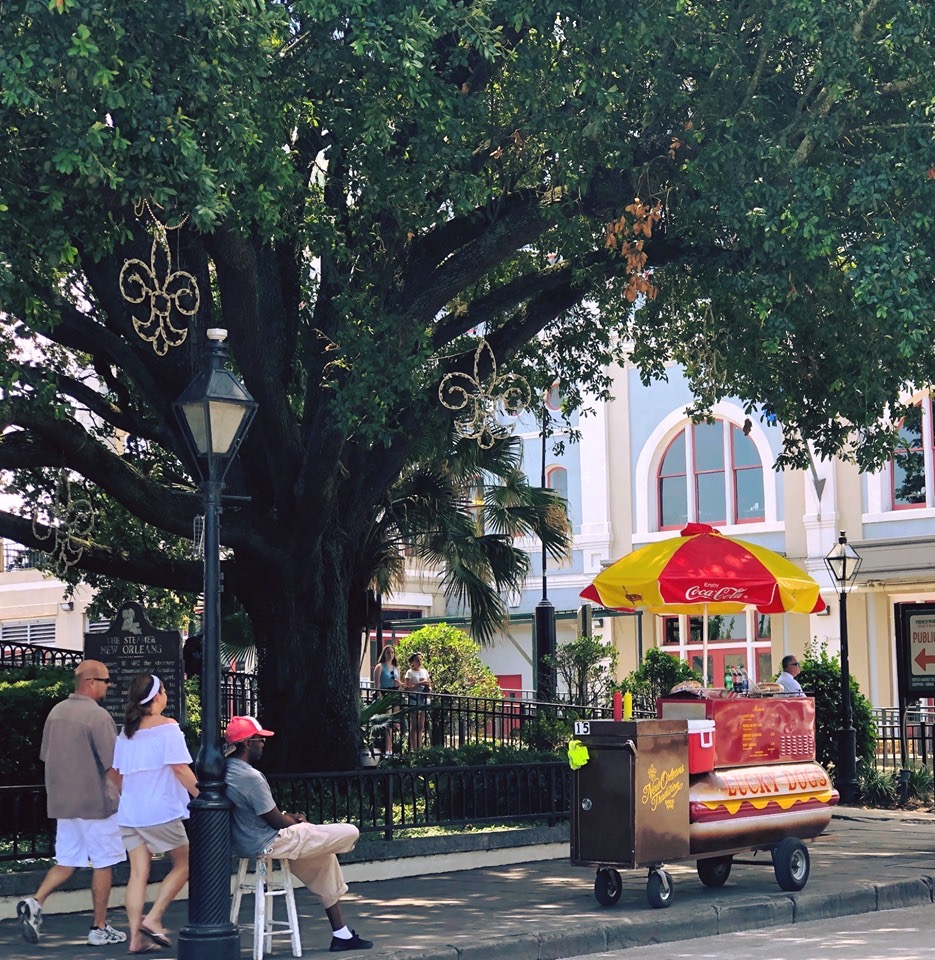
The “Big Easy” isn’t just a catchy phrase; it’s a descriptor of a way of life, an invitation to slow down, savor the moment, and embrace the spontaneous joy that defines this extraordinary destination. For those planning to immerse themselves in a travel experience unlike any other, understanding the origins and implications of this nickname is crucial to truly unlocking the soul of New Orleans. From its easygoing pace to its accessible culture, delectable food, and welcoming accommodations, the city truly lives up to its name, offering an effortless blend of adventure and relaxation.
The Genesis of a Nickname: Unpacking “Big Easy”
The nickname “Big Easy” perfectly encapsulates the quintessential spirit of New Orleans, suggesting a relaxed pace and an abundance of life’s pleasures. Unlike its northern counterpart, New York City‘s “Big Apple,” which evokes images of ambition, hustle, and the constant striving for success, the “Big Easy” implies a delightful antithesis: a place where life is lived to be enjoyed, not just endured or conquered. This contrast is fundamental to understanding what makes New Orleans so distinctive and appealing to countless tourists seeking genuine cultural immersion and a break from the relentless rhythm of modern life.
Origins and Early Mentions
While the exact genesis of the “Big Easy” nickname is somewhat debated, its popularization is often attributed to a specific period and a handful of influential voices. Many historians and locals point to the 1970s as the era when the term truly caught on. During this time, a local newspaper columnist named James Conaway, who published a column in The New Orleans States-Item, began using the phrase in reference to the city’s unique atmosphere. Separately, a police reporter named Chris Hallowell, writing in his book “Deep Thaw,” also used the term to describe the city’s laid-back, somewhat corrupt, but ultimately charming ethos.
The moniker gained further traction through tourism campaigns and popular culture, particularly after the release of the 1986 film “The Big Easy,” starring Dennis Quaid and Ellen Barkin. This film, set against the evocative backdrop of New Orleans, cemented the nickname in the national and international consciousness. Prior to its widespread adoption, locals sometimes used terms like “New Awlins” or “The Crescent City” to refer to their home, but “Big Easy” offered a more evocative and accessible summation of its character.
The essence of the “Big Easy” lies in its inherent ease: the ease of finding good food, the ease of encountering live music on any given night, and the ease with which one can shed the burdens of daily life and simply be. There’s an undeniable lack of pretense, a pervasive sense of hospitality, and a collective understanding that enjoying life’s simple pleasures is paramount. This ease translates into every facet of the city’s tourism experience, from the relaxed pace of sightseeing to the friendly interactions with locals, making it an incredibly inviting destination for travelers from all walks of life.
Popularization and Cultural Embrace
The adoption of the “Big Easy” as New Orleans’s de facto nickname wasn’t merely a marketing ploy; it resonated deeply with both residents and visitors because it genuinely captured the city’s soul. Locals embraced it as a reflection of their laid-back lifestyle, where time seems to stretch a little longer, and impromptu celebrations are a daily occurrence. The city’s relatively low cost of living compared to other major United States cities, combined with its rich cultural offerings, has historically made it an easy place to exist and thrive for artists, musicians, and anyone seeking a life less ordinary.
For tourists, the “Big Easy” promised an escape from the frantic pace of modern life. It suggested a place where one could wander aimlessly through historic districts, stumble upon a hidden courtyard restaurant, or get lost in the intoxicating rhythms of a brass band without a care in the world. This perception is meticulously maintained through the city’s approach to tourism, which emphasizes immersive experiences over rushed itineraries. Whether it’s a slow-paced steamboat cruise down the Mississippi River or a leisurely afternoon spent sipping coffee and nibbling beignets at a historic café, the “Big Easy” invites you to surrender to its charm.
The nickname is now intrinsically linked to the city’s brand, used by travel guides, hotel chains, and local businesses alike to convey the unique atmosphere that awaits visitors. It speaks to a certain type of luxury travel – not necessarily defined by opulence, but by the luxury of time, authenticity, and sensory delight. It also caters to budget travelers, as many of the city’s best experiences – street music, park strolls, and architectural admiration – are free or low-cost. The “Big Easy” is an open invitation, a promise of a destination where life is lived passionately, joyfully, and, above all, easily.
A Symphony for the Senses: The Lifestyle of the Big Easy
The true magic of New Orleans, and the very reason it earned its “Big Easy” moniker, lies in its unique lifestyle—a vibrant tapestry of culture, music, and an unparalleled culinary tradition. This city doesn’t just offer attractions; it offers an immersive way of living, inviting every visitor to partake in its rhythmic pulse and embrace its distinctive “joie de vivre.” It’s a place where local culture isn’t just observed but experienced, making it a prime destination for those seeking authentic travel experiences.
The Rhythmic Pulse of Daily Life
Life in the “Big Easy” moves to a different beat. There’s a palpable sense of relaxation that pervades the air, a stark contrast to the rush of many other major cities in the United States. This laid-back pace isn’t laziness; it’s a conscious choice, a prioritization of enjoyment and social connection over frenetic productivity. Music, for instance, isn’t confined to concert halls or designated venues; it spills out onto the streets, emanates from open doorways, and becomes the spontaneous soundtrack to daily life. From the soulful cries of a lone trumpet player in the French Quarter to the energetic improvisations of a brass band parading through Tremé, music is an omnipresent, democratic art form. This accessible musical landscape fosters a profound sense of community and provides a constant source of upliftment for both residents and tourists.
Festivals, too, are an intrinsic part of this lifestyle. While Mardi Gras is undeniably the most famous, New Orleans hosts a plethora of celebrations throughout the year, from the Jazz & Heritage Festival to countless neighborhood block parties. These events are not just spectacles; they are genuine expressions of the city’s spirit, where everyone is invited to dance, eat, and celebrate together. The welcoming atmosphere extends to day-to-day interactions, with strangers often striking up conversations, sharing recommendations, and embodying the famed Southern hospitality. This genuine warmth and openness contribute significantly to the “ease” of navigating and enjoying the city, making solo travel or family trips equally comfortable and rewarding.
Culinary Canvas: Food as a Way of Life
To speak of New Orleans without eulogizing its food would be an unforgivable omission. The culinary scene here is not merely about sustenance; it’s a profound cultural expression, a living history book told through flavors. This city is a gastronomic pilgrimage for any foodie, offering a fusion of Creole, Cajun, French, Spanish, African, and Caribbean influences that create a uniquely New Orleans taste profile. The “easy” part comes from the accessibility and sheer ubiquity of incredible food, from white-tablecloth fine dining establishments to humble street carts and neighborhood eateries.
Dishes like rich gumbo, spicy jambalaya, hearty étouffée, and iconic po’boys are not just meals; they are institutions. Breakfast might involve delicate beignets dusted with powdered sugar and strong chicory coffee at the historic Café Du Monde, while lunch could be a savory muffuletta from a classic Italian deli. Dinner might be a sophisticated Creole masterpiece at a landmark restaurant, followed by a late-night feast of chargrilled oysters. The city’s food culture encourages lingering, sharing, and savoring every bite. Cooking classes are popular tourism activities, allowing visitors to delve deeper into the traditions and learn to recreate some of the magic back home. Whether you’re indulging in luxury travel experiences or exploring on a budget, the unparalleled quality and variety of food make dining an effortless highlight of any visit. This emphasis on enjoyment and sensory pleasure truly defines the lifestyle of the “Big Easy,” where every meal is an occasion, and every flavor tells a story.
Iconic Vistas and Hidden Corners: Exploring New Orleans’ Landmarks and Attractions
New Orleans is a city steeped in history, its unique architecture and vibrant neighborhoods telling stories of centuries past. For travelers, it’s a treasure trove of landmarks and attractions, each offering a distinct glimpse into the city’s diverse heritage. From the quintessential charm of its most famous district to the serene beauty of its green spaces and the haunting allure of its historic cemeteries, exploring New Orleans is an adventure that unfolds effortlessly, embodying the “easy” spirit of the city.
Historic Heartbeat: The French Quarter and Beyond
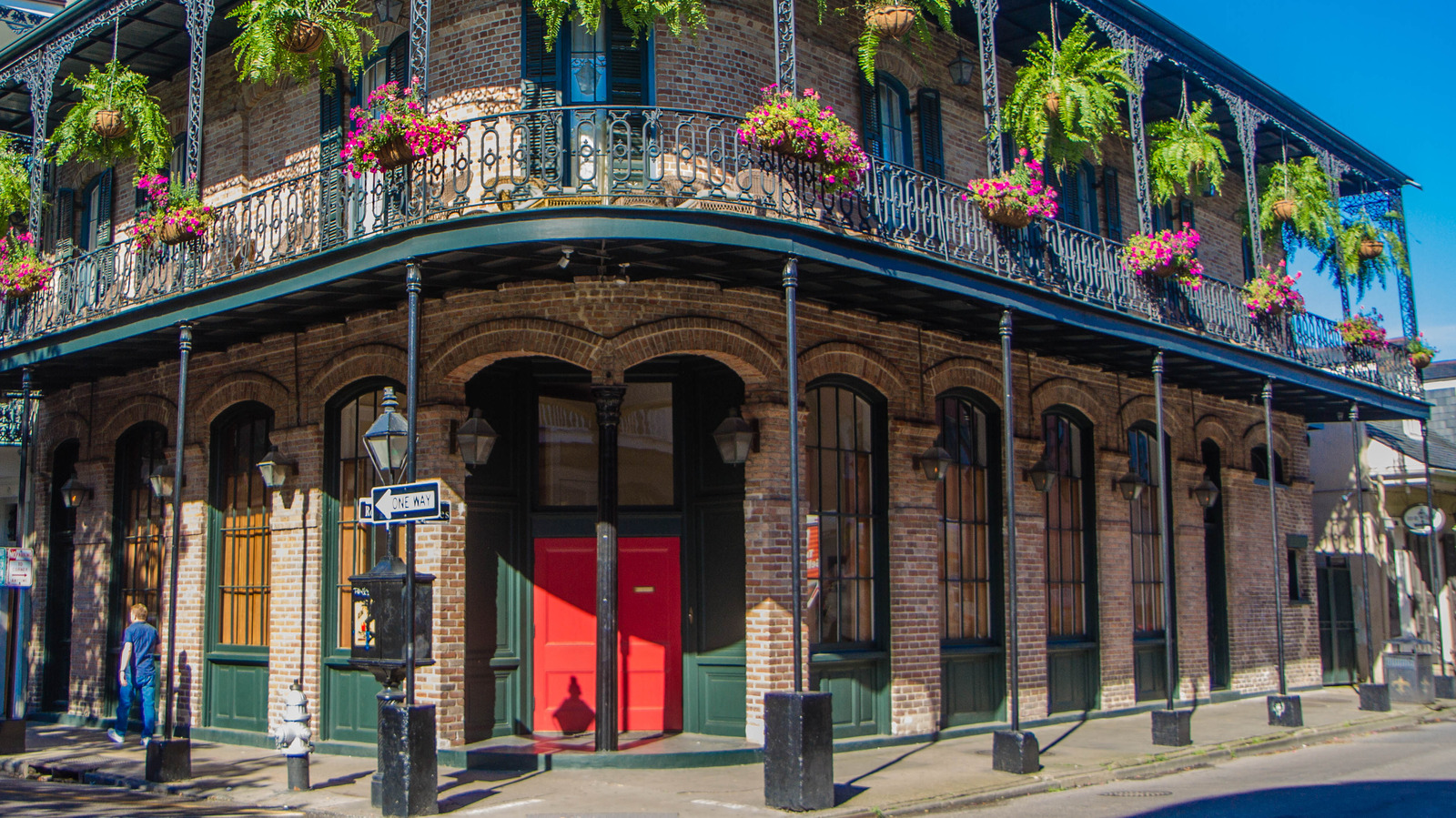
Undoubtedly the most iconic and recognizable district, the French Quarter is the beating heart of New Orleans. Its narrow, gas-lamp-lit streets are lined with historic Creole townhouses, their famous cast-iron balconies draped with ferns and flowers. Here, visitors can wander through Jackson Square, a historic park dominated by the majestic St. Louis Cathedral, one of the oldest cathedrals in the United States. This area is a feast for the senses, with street performers, artists, and fortune tellers adding to its bohemian atmosphere. Bourbon Street, while often bustling and boisterous, remains a quintessential French Quarter experience, renowned for its lively bars and constant music. Beyond the revelry, the French Quarter offers quiet courtyards, antique shops, and hidden gems that speak to its enduring elegance.
But the appeal of New Orleans extends far beyond the French Quarter. A streetcar ride away lies the elegant Garden District, a verdant oasis famed for its magnificent Antebellum mansions and lush gardens. This neighborhood offers a stark contrast to the French Quarter’s European flair, showcasing grand American architecture and a quieter, more residential charm. Magazine Street, stretching for miles, is a vibrant corridor of unique boutiques, art galleries, cafes, and restaurants, perfect for a leisurely afternoon of shopping and dining. Further afield, neighborhoods like Faubourg Marigny and Bywater offer a more local, artistic vibe, with colorful shotgun houses, lively music venues (especially on Frenchmen Street), and burgeoning arts scenes. Each district offers distinct experiences, ensuring that every type of traveler, from history buffs to culture seekers, finds their niche.
Nature’s Embrace and Historical Reverberations
New Orleans also boasts significant natural beauty and unique historical sites that highlight its deep connection to its environment and past. The mighty Mississippi River itself is a landmark, offering scenic steamboat cruises that provide a relaxing way to view the city skyline and historic riverfront. For those seeking a different kind of natural immersion, venturing into the surrounding bayous on a swamp tour offers an unforgettable experience, revealing the raw beauty of Louisiana’s wetlands and its diverse wildlife.
The city’s expansive green spaces provide urban retreats from the bustling streets. City Park, one of the largest urban parks in the United States, is home to ancient oak trees, botanical gardens, and the New Orleans Museum of Art. Audubon Park, another picturesque green space, features lagoons, walking paths, and majestic live oaks, offering a peaceful respite.
Perhaps one of the most intriguing and historically significant landmarks are New Orleans’ above-ground cemeteries. Due to the city’s low elevation, many of its dead are interred in elaborate crypts and mausoleums, creating serene “cities of the dead.” St. Louis Cemetery No. 1, the oldest and most famous, is a hauntingly beautiful site that tells stories of generations past, offering guided tours that delve into its rich history and unique burial customs. These landmarks, whether architectural marvels or natural wonders, contribute to the effortless discovery that defines travel in the “Big Easy,” ensuring that every turn offers a new perspective on this extraordinary city.
Your Home Away From Home: Accommodation in the Big Easy
For any memorable journey, finding the perfect place to rest and recharge is paramount, and New Orleans excels in providing diverse and comfortable accommodation options that fit seamlessly into the city’s “Big Easy” ethos. From opulent grand hotels steeped in history to charming boutique guesthouses and convenient modern apartments, the city offers a sanctuary for every type of traveler, ensuring that your stay is as effortless and enjoyable as your exploration.
From Grand Hotels to Boutique Charms
New Orleans boasts an impressive array of hotels that cater to every taste and budget, embodying the luxury of choice. For those seeking a truly grand experience, the city’s historic hotels offer a blend of opulent amenities and a deep sense of place. Iconic establishments like the Hotel Monteleone in the French Quarter, with its famous Carousel Bar, or The Roosevelt New Orleans, A Waldorf Astoria Hotel in the Central Business District, known for its elegant lobby and legendary Blue Room, provide luxurious suites and impeccable service. These hotels often feature exquisite architecture, fine dining restaurants, and lavish spas, making them perfect for luxury travel experiences where every detail is taken care of.
Beyond the grand dame hotels, New Orleans is celebrated for its charming boutique hotels and guesthouses. Nestled within the historic buildings of the French Quarter, Garden District, or Faubourg Marigny, these smaller establishments offer a more intimate and personalized experience. Many are housed in beautifully restored Creole cottages or Antebellum mansions, offering unique room designs, serene courtyards, and a strong sense of local character. These properties often excel in providing personalized tips and a more localized insight into the city, enriching the overall tourism experience. For travelers who prioritize authenticity and a connection to local culture, these boutique accommodations are an ideal choice, often combining historical ambiance with modern comforts and thoughtful amenities.
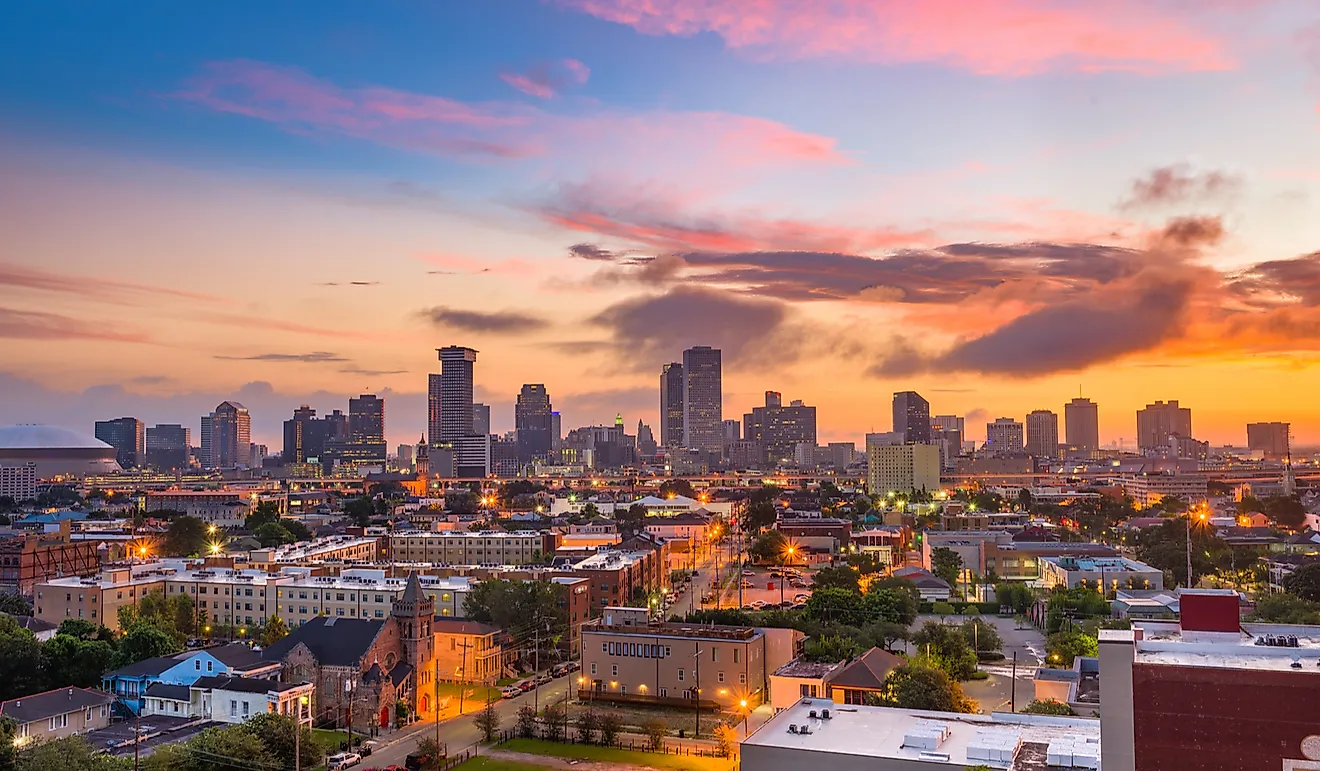
Tailoring Your Stay: Options for Every Traveler
The “easy” in New Orleans extends to the ease with which one can find the perfect accommodation to match their travel style and purpose. For families, numerous hotels offer spacious suites and family-friendly amenities such as swimming pools and concierge services that can arrange kid-friendly activities. Vacation rentals, including private apartments and entire houses available through various booking platforms, are also a popular choice for families or groups, offering more space, a kitchen, and a taste of local living, making long-term stays more comfortable and cost-effective.
Budget travelers will find a range of options, from well-regarded hostels that foster a communal atmosphere to affordable guesthouses that still provide clean, comfortable rooms and a welcoming environment. Many of these budget-friendly accommodations are located in vibrant neighborhoods like the Bywater or near major public transport routes, ensuring easy access to all the city’s attractions without breaking the bank.
Business travelers, too, are well catered for, with modern hotels in the Central Business District offering state-of-the-art facilities, meeting rooms, and convenient access to corporate offices and convention centers. These properties often combine efficiency with the unique charm of New Orleans, allowing business stays to feel less like work and more like an enjoyable trip.
When it comes to accommodation, booking in advance, especially during peak season or major festivals like Mardi Gras, is always recommended. Travelers can compare options, read reviews, and choose from a wide spectrum of hotels and apartments to ensure their “home away from home” perfectly complements their “Big Easy” adventure. Whether seeking luxury, comfort, or value, the city’s diverse lodging landscape makes finding the ideal place to stay an effortless part of the overall journey, solidifying New Orleans’ reputation as a truly easy and enjoyable destination.
Ultimately, the nickname “Big Easy” is more than just a label for New Orleans; it’s an invitation and a promise. It speaks to a city where the rhythm of life is slower, the music is always playing, the food is always exceptional, and the welcome is always warm. It’s a destination where travel is not about rushing from one landmark to another, but about savoring every moment, embracing the spontaneous, and allowing oneself to be charmed by its unique spirit. From its historic roots and vibrant lifestyle to its diverse landmarks and welcoming accommodations, New Orleans truly embodies the “easy” way of life. For anyone seeking a travel experience that combines profound cultural immersion with an utterly relaxed pace, the “Big Easy” stands ready to enchant. So, pack your bags, leave your worries behind, and prepare to discover why life in New Orleans is indeed, delightfully easy.
LifeOutOfTheBox is a participant in the Amazon Services LLC Associates Program, an affiliate advertising program designed to provide a means for sites to earn advertising fees by advertising and linking to Amazon.com. Amazon, the Amazon logo, AmazonSupply, and the AmazonSupply logo are trademarks of Amazon.com, Inc. or its affiliates. As an Amazon Associate we earn affiliate commissions from qualifying purchases.