
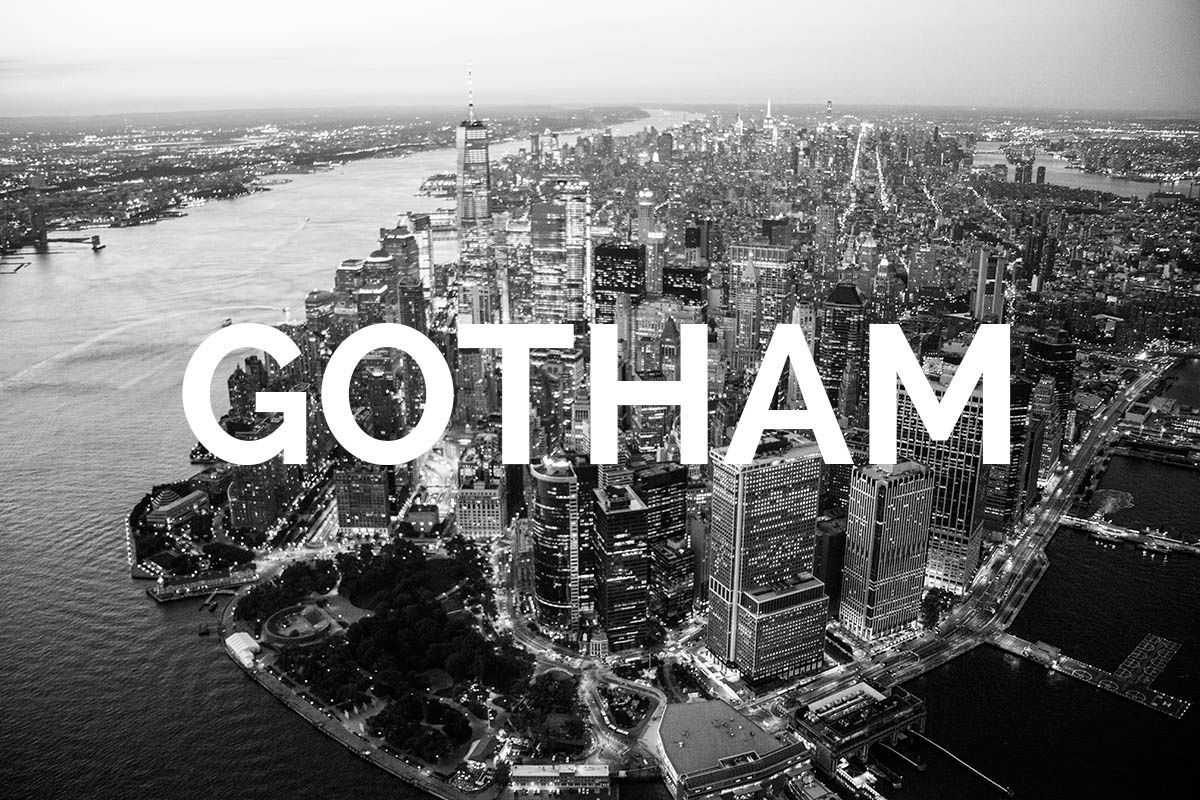
For decades, the nickname “Gotham City” has been inextricably linked with the sprawling metropolis of New York City. This evocative moniker conjures images of towering skyscrapers, bustling streets, and, of course, the shadowed alleys where the legendary Batman fights his ceaseless war on crime. But how did this fictional moniker become so deeply embedded in the public consciousness as a synonym for the real-life Empire State? The answer lies not in a single moment, but in a confluence of literary inspiration, cultural resonance, and the city’s own enduring mystique.
The Literary Genesis of Gotham
The first recorded use of “Gotham” as a literary nickname for New York City can be traced back to the early 19th century. Specifically, it was popularized by the writer Washington Irving, a prominent figure in American literature whose works often explored the nascent identity of the young nation.
Washington Irving and the “Knickerbocker” Tradition
Washington Irving, most famous for “Rip Van Winkle” and “The Legend of Sleepy Hollow,” also penned a series of satirical essays and historical sketches known collectively as “The Sketch Book of Geoffrey Crayon, Gent.” It was within these writings, particularly those concerning the history and society of early New York, that the name “Gotham” first appeared in print as a descriptor for the city.
Irving’s usage was not an arbitrary choice. The name “Gotham” itself has a long history, originating from a village in Nottinghamshire, England. This English Gotham was known for its supposed inhabitants’ foolishness, a reputation derived from a legend about the villagers feigning madness to avoid an inspection by King John. The story goes that when the king’s men arrived, they found the villagers engaged in various absurd activities – for instance, building a wall around a cuckoo to keep its song within the village.
When Irving adopted “Gotham” for New York, he was likely playing on this historical association with a degree of gentle irony. Early New York was a rapidly growing, somewhat boisterous port city, and Irving, through his “Knickerbocker” persona, often offered witty observations on its eccentricities and burgeoning urban character. He used the name to imbue the city with a sense of playful, perhaps slightly foolish, urbanity, a place where grand ambitions could sometimes be met with unexpected quirks. In Irving’s hands, “Gotham” was not a place of menace, but rather a characterful descriptor for a city that was still finding its footing and identity on the world stage.
Early Newspaper Mentions
Following Irving’s lead, other writers and publications began to adopt the moniker. In the mid-19th century, newspapers and periodicals, which were becoming increasingly influential, frequently used “Gotham” to refer to New York City. This usage helped to cement the nickname in the popular vernacular, lending it a certain flair and sophistication that distinguished it from more common labels. The name offered a degree of anonymity and poetic license, allowing writers to comment on the city’s social and political landscape with a touch of distance and wit.
The Dark Knight’s Embrace: Gotham’s Comic Book Reinvention
While “Gotham City” had a respectable literary lineage, its transformation into a globally recognized symbol of grit, darkness, and heroic struggle is overwhelmingly due to the enduring legacy of Batman. The introduction of Batman in the late 1930s marked a pivotal moment in the nickname’s journey from quaint literary reference to iconic fictional setting.
Bill Finger and the Birth of the Dark Knight’s Home
The exact origin of Batman’s Gotham City is often credited to the writer Bill Finger, who collaborated with artist Bob Kane on the creation of the character. While Kane is typically given sole credit for the character’s creation, Finger was instrumental in developing many of Batman’s iconic elements, including his costume, his origin story, and, crucially, his city.
Finger, a fan of pulp fiction and film noir, sought a name that would evoke a sense of urban decay, corruption, and impending danger. He reportedly recalled the nickname “Gotham” that had been used for New York City and recognized its potential for a darker, more gothic narrative. The name, with its historical connotations of foolishness, could be reinterpreted as a place where the foolishness of its citizens was exploited by criminals, and where the darkness of its streets bred desperation.
The choice of “Gotham” provided a powerful juxtaposition. It retained a hint of the city’s real-world identity, making the fictional setting feel grounded, yet it allowed for the creation of a heightened, more dramatic reality. Finger and subsequent writers and artists embraced this duality, crafting a Gotham City that was a character in itself – a sprawling, often corrupt, and perpetually threatened urban landscape that served as the perfect backdrop for Batman’s vigilante crusade.
The Archetype of the Urban Gothic
Under the pen of Finger and countless others, Gotham City evolved into the quintessential urban gothic setting. Its architecture became exaggerated, with soaring Art Deco skyscrapers casting long, menacing shadows. Its atmosphere was perpetually shrouded in a perpetual twilight, often punctuated by rain or fog, mirroring the moral ambiguity of its inhabitants and the darkness of the crimes committed within its borders.
The city was depicted as being rife with corruption, from the highest echelons of power to the lowest street corners. This pervasive sense of decay and lawlessness provided the fertile ground for a rogues’ gallery of iconic villains, each representing a different facet of urban pathology: the Joker’s chaotic madness, the Penguin’s grotesque ambition, Catwoman’s seductive criminality, and the Riddler’s intellectual menace. In this context, Batman became not just a crime-fighter, but a symbol of hope and resilience in a city teetering on the brink of collapse. The nickname “Gotham,” once a gentle jest, was now a potent symbol of urban dread and the desperate fight for justice.
New York City as a Real-World Muse for Fictional Worlds
The enduring connection between “Gotham City” and New York City is a testament to the power of shared imagination and the unique character of the city itself. While the comic books and films have largely defined the popular perception of Gotham, the real New York has always provided an inexhaustible source of inspiration.
Architectural Echoes and Urban Landscapes
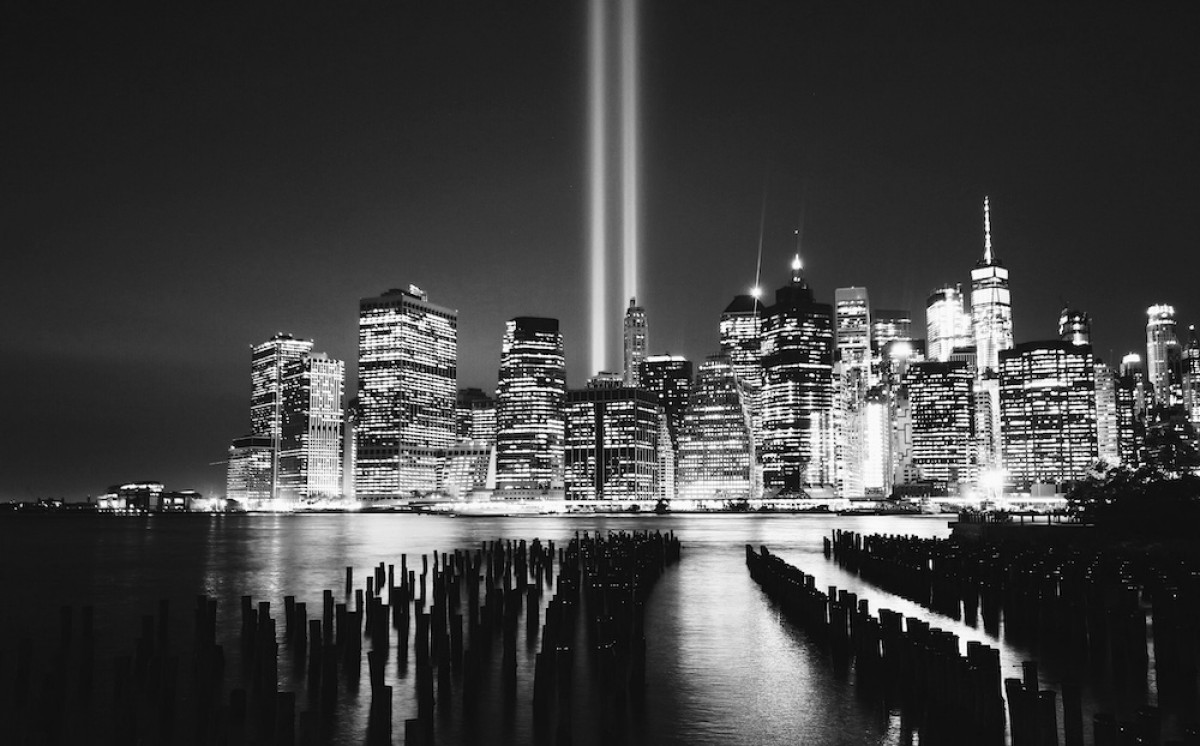
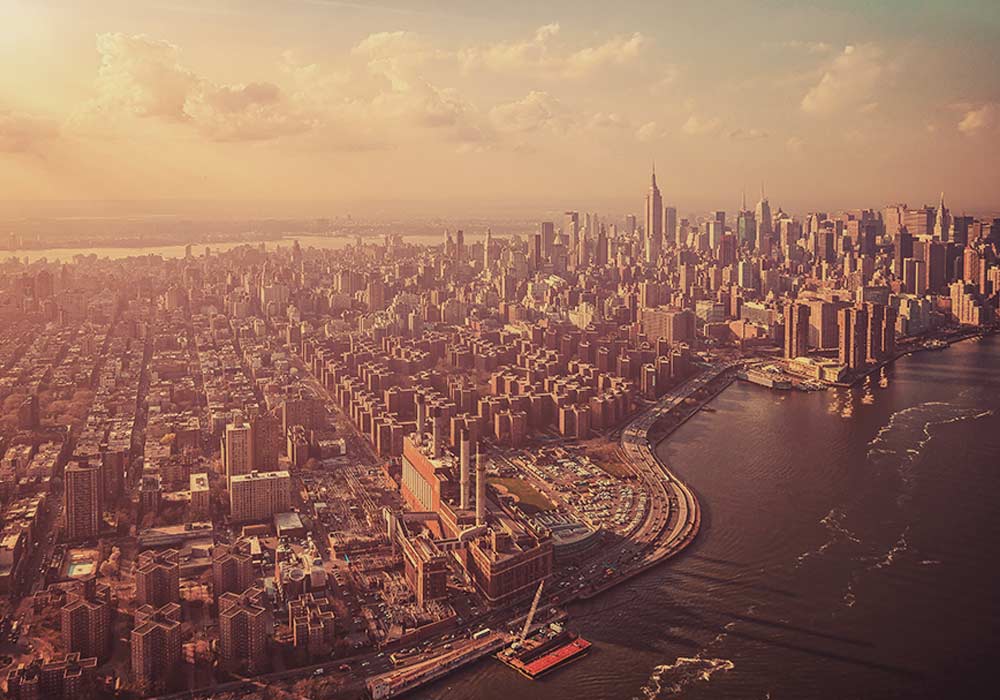
New York City’s iconic skyline, with its dramatic interplay of old and new architecture, has undoubtedly influenced the visual representation of Gotham. The imposing Gothic Revival structures, the soaring Art Deco towers, and the labyrinthine streets of areas like the Financial District and Lower Manhattan all offer visual cues that echo the fictional city’s design. Filmmakers and artists have frequently drawn upon these real-world landmarks, using their imposing scale and atmospheric qualities to evoke the spirit of Gotham.
For instance, the dramatic angles of buildings like the Chrysler Building or the imposing presence of older municipal buildings in New York can be seen as direct inspirations for Gotham’s distinctive architectural style. The sheer density and verticality of New York create a sense of being overwhelmed, a feeling that has been amplified and dramatized in the fictional portrayal of Gotham. The city’s rich history, with its periods of rapid growth, economic boom and bust, and distinct architectural eras, provides a fertile ground for imagining the layers of history and conflict that define Gotham.
The City’s Dynamic Identity
Beyond its physical appearance, New York City’s dynamic and ever-changing nature has also contributed to the enduring appeal of the Gotham City connection. New York is a city of constant reinvention, a place where old neighborhoods transform and new challenges emerge. This inherent dynamism mirrors the ongoing struggles and transformations depicted in the Batman narratives.
The city’s reputation for being a melting pot of cultures and a hub of both immense wealth and stark poverty also resonates with the thematic concerns of Batman stories. The vast disparities in social and economic standing within New York have long been a source of fascination and a backdrop for stories of ambition, desperation, and the fight for survival. This inherent complexity, this ability to house both glittering opportunity and shadowed despair, makes New York City an unparalleled muse for a fictional world like Gotham City. The nickname, therefore, is not just a label; it’s a recognition of how the real-life spirit of New York has fueled and shaped one of the most iconic fictional metropolises in popular culture.
LifeOutOfTheBox is a participant in the Amazon Services LLC Associates Program, an affiliate advertising program designed to provide a means for sites to earn advertising fees by advertising and linking to Amazon.com. Amazon, the Amazon logo, AmazonSupply, and the AmazonSupply logo are trademarks of Amazon.com, Inc. or its affiliates. As an Amazon Associate we earn affiliate commissions from qualifying purchases.