
New York City is a place of unparalleled energy, a global epicenter of culture, finance, fashion, and art. Its iconic skyline, bustling streets, and diverse neighborhoods draw millions of visitors annually, making it one of the world’s most desired travel destinations. But beyond the well-known sights and sounds, there’s a charming moniker that has become synonymous with the city: “The Big Apple.” This nickname is instantly recognizable worldwide, yet its origins are often a mystery to both seasoned travelers and long-time residents alike. Delving into the story behind “The Big Apple” offers a fascinating glimpse into the city’s vibrant history, revealing how a colloquialism from the world of horse racing evolved into a powerful symbol of urban aspiration and a cornerstone of tourism branding. Understanding this journey not only enriches one’s appreciation for New York City but also highlights the city’s enduring appeal as a destination of grand opportunities and unforgettable experiences.

The Origin Story: Tracing the Roots of “The Big Apple”
The story of “The Big Apple” doesn’t begin in the lofty halls of city governance or the glitzy offices of Madison Avenue advertisers. Instead, it finds its humble beginnings on the dusty racetracks and in the lively stables where Thoroughbred horses were bred, trained, and raced for glory. This unexpected origin connects directly to the working-class spirit and the pursuit of dreams that have always defined New York City. The term emerged organically from a specific subculture, slowly gaining traction before being catapulted into mainstream consciousness.
A Jockey’s Jest Turns into a Catchphrase
The most widely accepted theory attributes the popularization of “The Big Apple” to a sports writer named John J. Fitz Gerald. In the early 1920s, Fitz Gerald covered horse racing for the New York Morning Telegraph. While overhearing stable hands in New Orleans discussing their aspirations to race on the prestigious tracks of New York City, he heard them refer to the city’s race prizes as “the big apple.” For these jockeys and trainers, winning races in New York represented the pinnacle of their careers—the biggest and best reward, much like a large, juicy apple might be a coveted treat.
Inspired by this colorful slang, Fitz Gerald began regularly using “The Big Apple” in his column, “Around the Big Apple,” starting in 1924. He even famously explained the term in a column: “The Big Apple. The dream of every lad that ever threw a leg over a thoroughbred and the goal of all horsemen. There’s only one Big Apple. That’s New York.” Through his popular writings, the phrase started to gain recognition among racing enthusiasts and, gradually, the wider public. This period highlights how local culture and specific subcultures often coin terms that later become part of a broader linguistic tapestry, reflecting unique aspects of their lifestyle and pursuits.
Jazz Age Expansion: From Racetracks to Nightclubs
While Fitz Gerald’s journalism firmly planted the seeds of “The Big Apple,” its spread beyond the horse racing circuit was significantly boosted by the vibrant music scene of the Jazz Age. In the 1930s, jazz musicians began to adopt the phrase. They used “The Big Apple” to refer not just to New York City in general, but specifically to Harlem and Manhattan—the epicenters of jazz music and culture. To play in New York City’s legendary clubs was to play in “The Big Apple,” signifying the highest level of musical achievement and opportunity.
This adoption by jazz artists and their audiences helped solidify the term’s association with sophistication, excitement, and aspiration. It painted a picture of a city where dreams could be realized, whether on the stage of a smoky jazz club or the grandstands of a racetrack. The term resonated with people who saw New York City as a place where the biggest and best experiences were to be found, a perception that continues to shape global tourism today. This period illustrates how “The Big Apple” transcended its initial meaning, becoming a metaphor for ambition and success across various cultural spheres. It speaks to the city’s intrinsic quality as a magnet for talent and creativity, a characteristic that draws travelers seeking unique experiences and cultural immersion.
From Nickname to Global Icon: The Marketing of “The Big Apple”
Despite its early popularization, “The Big Apple” experienced periods of fluctuating recognition throughout the mid-20th century. It remained a beloved local idiom but hadn’t quite reached the universally recognized status it holds today. It wasn’t until a concerted effort in the 1970s that the nickname was strategically revived and transformed into a powerful, enduring symbol of New York City’s identity. This pivotal moment underscores the significant role of marketing and public relations in shaping a city’s global image and attracting tourism.
Charles Gillett and the Tourism Boom
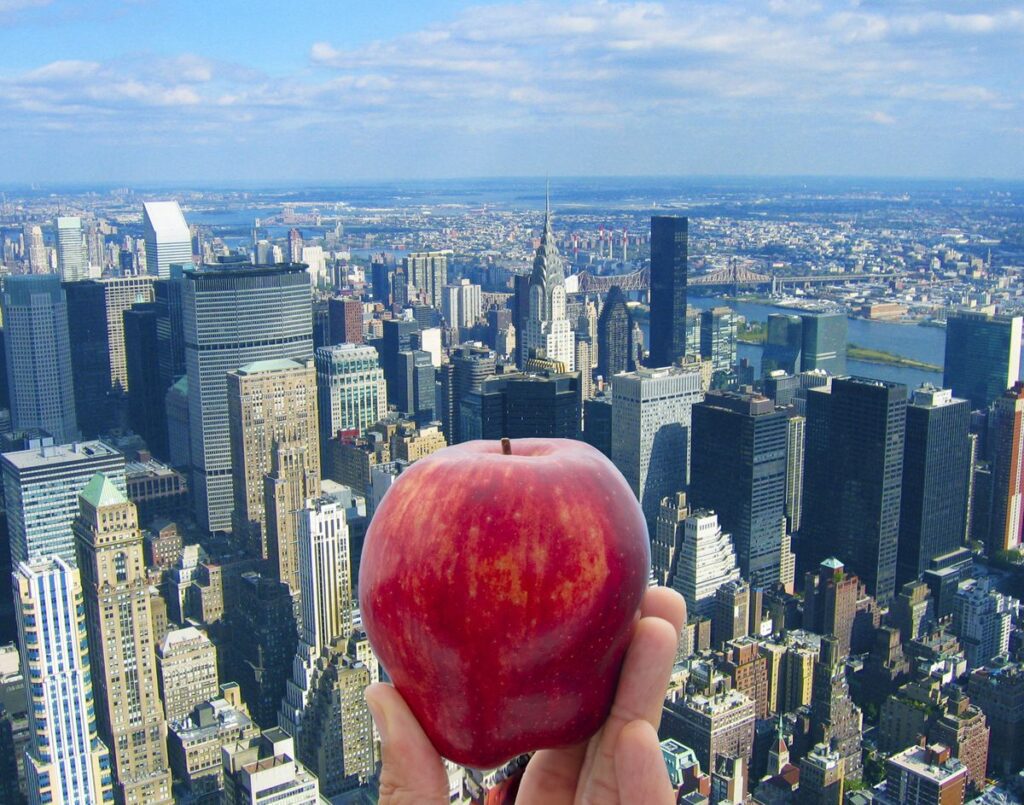
The 1970s were a challenging time for New York City. Facing economic hardship, rising crime rates, and a somewhat tarnished reputation, the city desperately needed a boost to its morale and its tourism industry. In 1971, Charles Gillett, the president of the New York Convention and Visitors Bureau (now NYC & Company), launched an advertising campaign to promote the city. Recognizing the charm and historical resonance of “The Big Apple,” Gillett chose it as the central theme for the campaign.
The campaign effectively leveraged the nickname, framing New York City as a vibrant, desirable destination. Red apples were prominently featured in promotional materials, and the slogan “I Love New York” further cemented a positive image. This strategic reintroduction of “The Big Apple” was incredibly successful. It tapped into a sense of nostalgia while simultaneously presenting a hopeful and inviting image of the city. The campaign helped to rebrand New York City, reminding both Americans and international travelers of its unique attractions and unparalleled energy. It was a masterclass in destination marketing, proving that a compelling narrative can significantly impact tourism and local pride. This effort transformed the perception of New York City from a struggling metropolis to a vibrant hub of culture and opportunity, boosting travel and tourism significantly.
Embracing the Identity: A City Reborn
The 1970s campaign not only revived “The Big Apple” but embedded it firmly into the global consciousness. It became a symbol of resilience, aspiration, and the undeniable allure of New York City. The nickname perfectly encapsulated the city’s larger-than-life personality—a place where everything is grander, opportunities are vaster, and experiences are more intense. The campaign’s success led to a ripple effect, with businesses, media, and residents proudly embracing the moniker.
Today, “The Big Apple” is an indispensable part of New York City’s identity. It appears on souvenirs, in popular culture, and in countless tourism guides. Its widespread use signifies more than just a nickname; it represents the collective dream of millions who flock to the city, whether for travel, work, or a new life. This enduring popularity speaks volumes about the nickname’s ability to capture the essence of what makes New York City so special: its promise of boundless possibilities and its status as a global leader in every conceivable field. For travelers, it represents a destination where every visit promises to be a bite out of the biggest, most exciting apple imaginable.
The Enduring Appeal of The Big Apple: A Symbol of Grandeur and Opportunity
Beyond its intriguing historical origins and successful marketing, “The Big Apple” continues to resonate because it perfectly encapsulates the essence of New York City itself. It symbolizes the city’s colossal size, its incredible wealth of attractions, and the endless opportunities it presents to those who seek them. For anyone considering travel to the United States, New York City remains a top destination, offering a lifestyle and experiences found nowhere else.
Iconic Landmarks and Vibrant Culture
New York City is a treasure trove of iconic landmarks, each contributing to its legendary status as “The Big Apple.” From the towering art deco elegance of the Empire State Building to the majestic presence of the Statue of Liberty in New York Harbor, these structures are more than just buildings; they are symbols of human achievement and enduring freedom. A walk through Central Park offers a tranquil escape amidst the urban bustle, while the dazzling lights of Times Square epitomize the city’s relentless energy and entertainment prowess.
The city’s cultural offerings are equally immense. Broadway theaters host world-class performances, attracting millions to experience the magic of live theater. Museums like the Metropolitan Museum of Art, the Museum of Modern Art, and the Guggenheim Museum house invaluable collections spanning centuries and continents, offering unparalleled cultural immersion. The historic Brooklyn Bridge provides stunning views of the skyline and connects two of the city’s most dynamic boroughs, Manhattan and Brooklyn. Further landmarks such as Grand Central Terminal, Rockefeller Center, and the somber yet inspiring One World Trade Center all contribute to the city’s monumental scale and historical depth. Even newer attractions like the High Line showcase the city’s continuous innovation and adaptive reuse of its urban landscape. Each of these places, along with the vibrant neighborhoods like Greenwich Village, Harlem, and Wall Street, offer distinct experiences that cater to every type of traveler, making “The Big Apple” an endlessly fascinating destination for travel and tourism.

Lifestyle and Experiences in the Concrete Jungle
“The Big Apple” also evokes a certain lifestyle—one of constant motion, diverse experiences, and limitless possibilities. Whether one is seeking luxury travel with stays in opulent suites or resorts, or prefers budget travel exploring local culture and unique food experiences, New York City caters to all. The city’s accommodation options are as varied as its population, ranging from grand hotels along Fifth Avenue to charming boutique apartments in historic districts, providing choices for every preference and long-term stay requirement. Families can find kid-friendly attractions and educational experiences, while business travelers benefit from world-class amenities and convenient access to corporate hubs.
The sheer diversity of the five boroughs—Manhattan, Brooklyn, Queens, The Bronx, and Staten Island—means there is always something new to discover. From the culinary delights of ethnic enclaves in Queens to the artistic vibrancy of Brooklyn’s neighborhoods, the city provides an unmatched tapestry of global cultures. The food scene alone is a major draw for tourism, offering everything from Michelin-starred restaurants to iconic street food vendors. Reviews and comparisons of hotels, resorts, apartments, and villas are crucial for visitors planning their trip, ensuring they find the perfect base for their Big Apple adventure.
Ultimately, “The Big Apple” symbolizes the culmination of these experiences—the biggest challenges, the greatest triumphs, and the most vibrant tapestry of human life. It represents a city that continually reinvents itself, offering fresh perspectives and unforgettable moments to everyone who takes a bite out of its boundless energy. For travelers worldwide, the allure of “The Big Apple” isn’t just about visiting famous places; it’s about immersing oneself in a legendary lifestyle, experiencing the pinnacle of travel, and discovering why New York City truly stands as a world apart.
LifeOutOfTheBox is a participant in the Amazon Services LLC Associates Program, an affiliate advertising program designed to provide a means for sites to earn advertising fees by advertising and linking to Amazon.com. Amazon, the Amazon logo, AmazonSupply, and the AmazonSupply logo are trademarks of Amazon.com, Inc. or its affiliates. As an Amazon Associate we earn affiliate commissions from qualifying purchases.