
New York City, a global icon of dreams and ambition, often presents a dichotomy to its visitors. While its glittering skyscrapers and vibrant cultural tapestry draw millions, a persistent observation often arises: why is New York so dirty? This isn’t a judgment but a question born from the stark contrast between its aspirational image and the tangible realities of its streets. From overflowing trash cans to graffiti-marred facades, the city grapples with a persistent litter problem that impacts its aesthetic appeal and the daily lives of its residents and visitors. Understanding this phenomenon requires a deep dive into the complex interplay of urban density, logistical challenges, socioeconomic factors, and public behavior.
The Unseen Engine: Waste Management in a Megacity
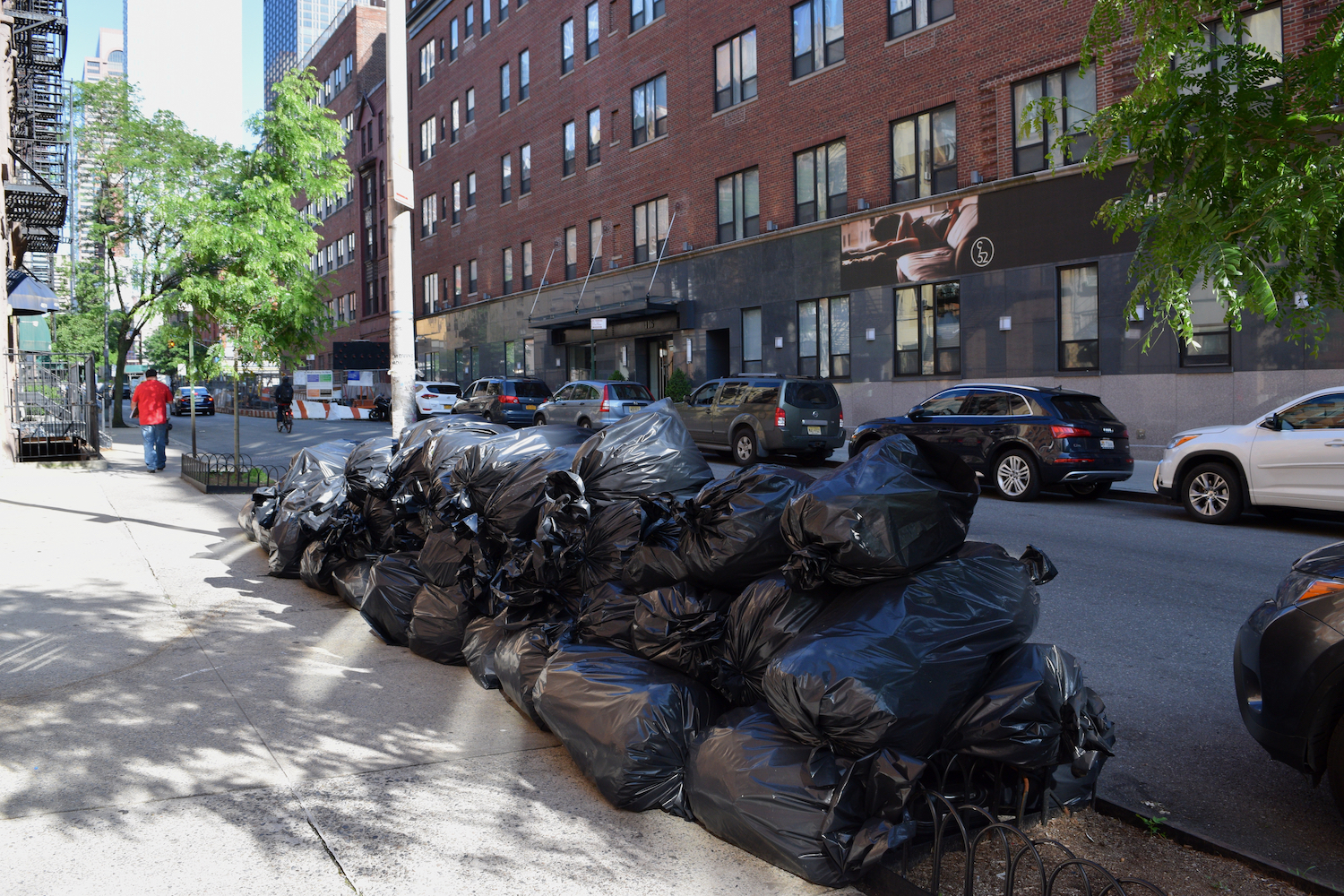
At the heart of the “dirty” perception lies the sheer scale of waste generated by a city that never sleeps. New York City is home to over eight million people, and millions more visit annually, each contributing to an astronomical volume of refuse. Managing this torrent of garbage is a monumental logistical undertaking, involving a sophisticated, yet often strained, system.
The Daily Grind of Garbage Collection
The Department of Sanitation (DSNY) is the unsung hero of New York’s cleanliness, tasked with collecting an estimated 12,000 tons of trash daily. This involves a vast fleet of trucks, a dedicated workforce, and an intricate network of routes and schedules. However, the system operates under immense pressure.
- Frequency and Capacity: While the DSNY strives for efficient collection, the sheer volume often overwhelms existing infrastructure. Residential buildings, particularly multi-unit dwellings, are often equipped with limited internal space for trash storage, leading to overflow onto sidewalks, especially before scheduled pick-ups. Commercial establishments also contribute significantly, with businesses generating substantial waste from operations.
- Public Space and Sidewalks: The iconic sidewalks of New York City serve a dual purpose as pedestrian thoroughfares and, unfortunately, as impromptu dumping grounds. Without sufficient public trash receptacles, or when existing ones are full, litter inevitably accumulates. The transient nature of sidewalk space means that what is cleared one moment can be re-littered the next.
- The Role of Sanitation Workers: The sanitation workers of New York City are among the most crucial, yet often overlooked, public servants. They operate in all weather conditions, at all hours, to keep the city moving and as clean as possible. Their dedication is undeniable, but the scale of the task can sometimes make their efforts appear insufficient against the relentless tide of waste.
The Challenge of Recycling and Composting
Beyond general waste, New York City has ambitious recycling and composting programs. However, participation rates, contamination issues, and the logistical complexities of sorting and processing these materials add another layer to the waste management challenge. When recycling and compost bins are misused or overflow, they contribute to the overall perception of untidiness.
The Visible Scars: Graffiti, Litter, and Urban Decay
Beyond the hidden struggles of waste management, the visible signs of a city grappling with cleanliness are undeniable. Graffiti, discarded food wrappers, cigarette butts, and general debris mar the urban landscape, impacting the aesthetic experience for both locals and tourists.
The Art and Annoyance of Graffiti
Graffiti in New York City is a complex issue, often seen as both a form of artistic expression and an act of vandalism. While some pieces are celebrated for their creativity, much of it contributes to an environment of neglect and disorder.
- Aesthetic Impact: Unsanctioned graffiti can detract from the architectural beauty of buildings, public spaces, and even historical landmarks. It can create an impression of lawlessness and a lack of civic pride, leading to a diminished sense of place.
- The Cost of Removal: The city spends millions of dollars annually on graffiti removal, a constant battle against ephemeral art that can reappear overnight. The effectiveness and speed of removal efforts often fall short of mitigating the visual impact.
- Subway Art and its Evolution: Historically, the subway system of New York City was famously adorned with graffiti. While this era is largely in the past, the legacy and perception of graffiti as an inherent part of the urban fabric persist.
The Pervasiveness of Litter
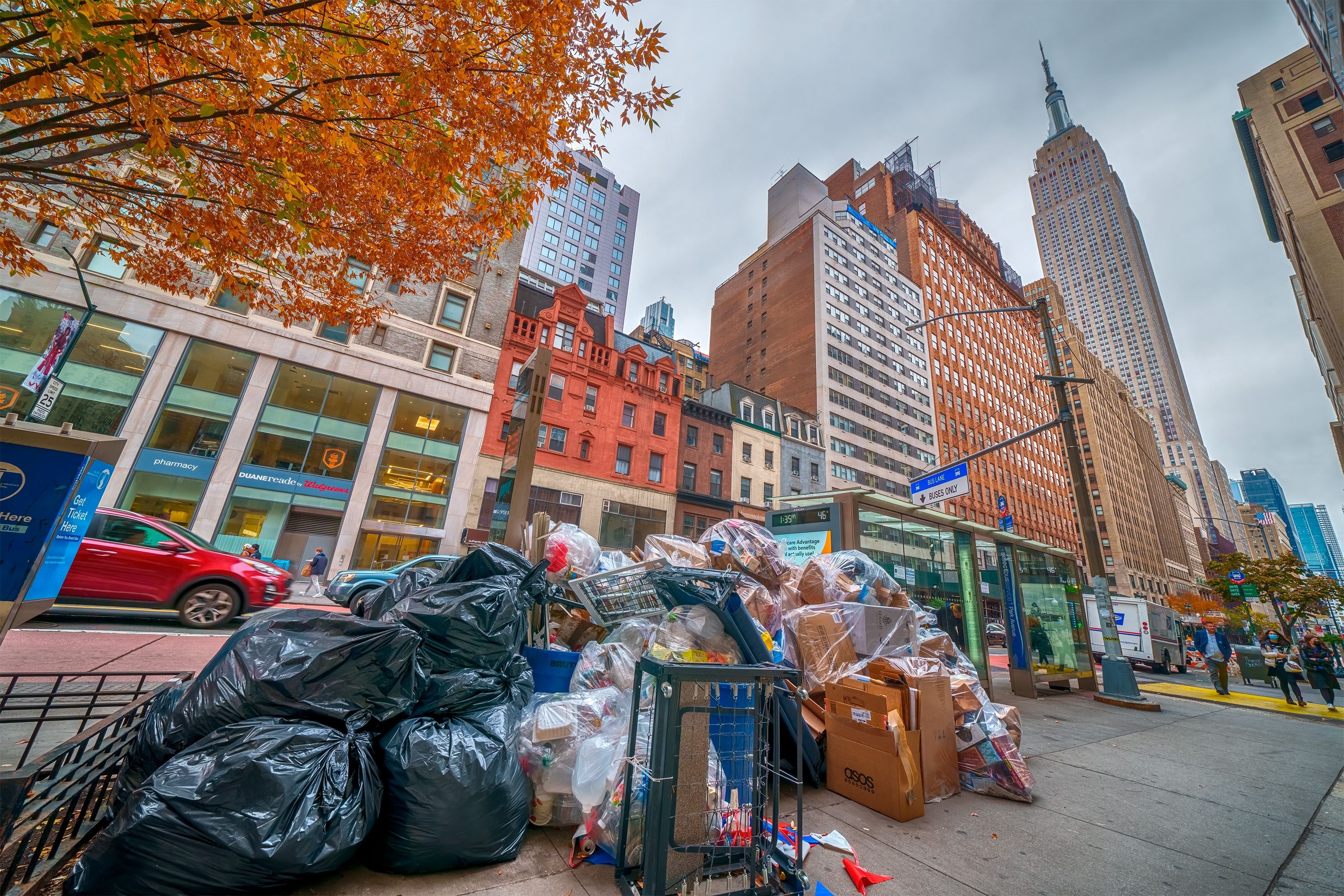
Litter, from small items like cigarette butts and coffee cups to larger discarded objects, is a ubiquitous problem on New York City streets. This isn’t unique to New York City, but its density amplifies the issue.
- Lack of Public Receptacles: While efforts have been made to increase the number of trash cans, they remain insufficient in many high-traffic areas. This scarcity encourages people to hold onto their trash for extended periods or, unfortunately, to discard it on the ground.
- Behavioral Factors: Ultimately, littering is a behavioral issue. A lack of personal responsibility, a perceived anonymity in a crowded city, and sometimes a resignation to the existing conditions can contribute to individuals discarding waste inappropriately.
- Wind and Weather: New York City’s dynamic weather patterns, particularly its windy conditions, can quickly turn small pieces of litter into widespread debris, scattering them across streets and sidewalks.
Underlying Currents: Socioeconomic and Urban Planning Factors
The issue of cleanliness in New York City is not solely a matter of waste disposal or individual behavior; it is also deeply intertwined with socioeconomic disparities and the challenges of urban planning in a dense metropolis.
Inequality and Neighborhood Cleanliness
There is often a noticeable difference in cleanliness levels between various neighborhoods. Areas with higher socioeconomic status tend to have better-maintained public spaces and more consistent waste management. Conversely, lower-income neighborhoods may struggle with fewer resources for public services, leading to a more pronounced appearance of neglect.
- Resource Allocation: The distribution of city resources, including sanitation services and street cleaning, can be uneven. This can exacerbate existing inequalities, making some communities disproportionately affected by litter and grime.
- Community Engagement: In some communities, a stronger sense of civic pride and active resident participation can lead to greater efforts in maintaining local cleanliness. However, in areas facing multiple socioeconomic challenges, these efforts can be harder to sustain.
Urban Design and Pedestrian Flow
The very design of New York City contributes to its cleanliness challenges. Its dense street grid, high pedestrian traffic, and a mix of residential, commercial, and tourist activity create a complex urban ecosystem.
- Congestion and Infrastructure Strain: The constant flow of people and vehicles puts a strain on existing infrastructure. Sidewalks become crowded, trash bins fill up quickly, and the sheer density makes it difficult to maintain pristine conditions consistently.
- The “Broken Windows” Theory: While controversial, the “broken windows” theory suggests that visible signs of minor decay, such as litter or graffiti, can encourage more significant acts of vandalism and crime. Addressing these smaller issues could, in theory, contribute to a more orderly and cleaner urban environment.
The Path Forward: A Collective Effort
Addressing the question of “Why is New York City so dirty?” reveals that it is not a simple answer but a multifaceted problem. It requires a sustained and collaborative approach involving city agencies, residents, businesses, and visitors.
Enhancing Sanitation Services and Infrastructure
- Increased Receptacle Availability: A strategic increase in the number of public trash and recycling bins, particularly in high-traffic areas and near food vendors, is crucial.
- Optimized Collection Routes: Continuous evaluation and adaptation of waste collection schedules and routes to meet the city’s dynamic needs are essential.
- Investment in Technology: Exploring innovative solutions for waste management, such as smart bins that signal when they are full, could improve efficiency.
Fostering Public Awareness and Responsibility
- Anti-Littering Campaigns: Robust and ongoing public awareness campaigns can help to educate residents and visitors about the impact of littering and encourage responsible behavior.
- Community Clean-Up Initiatives: Supporting and promoting community-led clean-up events can foster a sense of ownership and pride in local neighborhoods.
- Enforcement of Littering Laws: While challenging, consistent enforcement of anti-littering regulations can serve as a deterrent.

Addressing Socioeconomic Disparities
- Equitable Resource Allocation: Ensuring that sanitation services and resources are distributed equitably across all neighborhoods is vital for a truly clean city.
- Community Development Programs: Investing in programs that uplift disadvantaged communities can indirectly contribute to a cleaner environment by fostering civic engagement and a sense of well-being.
While New York City may never achieve a sterile, pristine appearance, a concerted and ongoing effort to address its cleanliness challenges can significantly enhance the quality of life for its residents and the experience for its visitors. The question of its dirtiness is not an indictment, but an invitation to understand the complexities of urban living and to participate in the continuous endeavor to make this iconic metropolis even better.
LifeOutOfTheBox is a participant in the Amazon Services LLC Associates Program, an affiliate advertising program designed to provide a means for sites to earn advertising fees by advertising and linking to Amazon.com. Amazon, the Amazon logo, AmazonSupply, and the AmazonSupply logo are trademarks of Amazon.com, Inc. or its affiliates. As an Amazon Associate we earn affiliate commissions from qualifying purchases.