
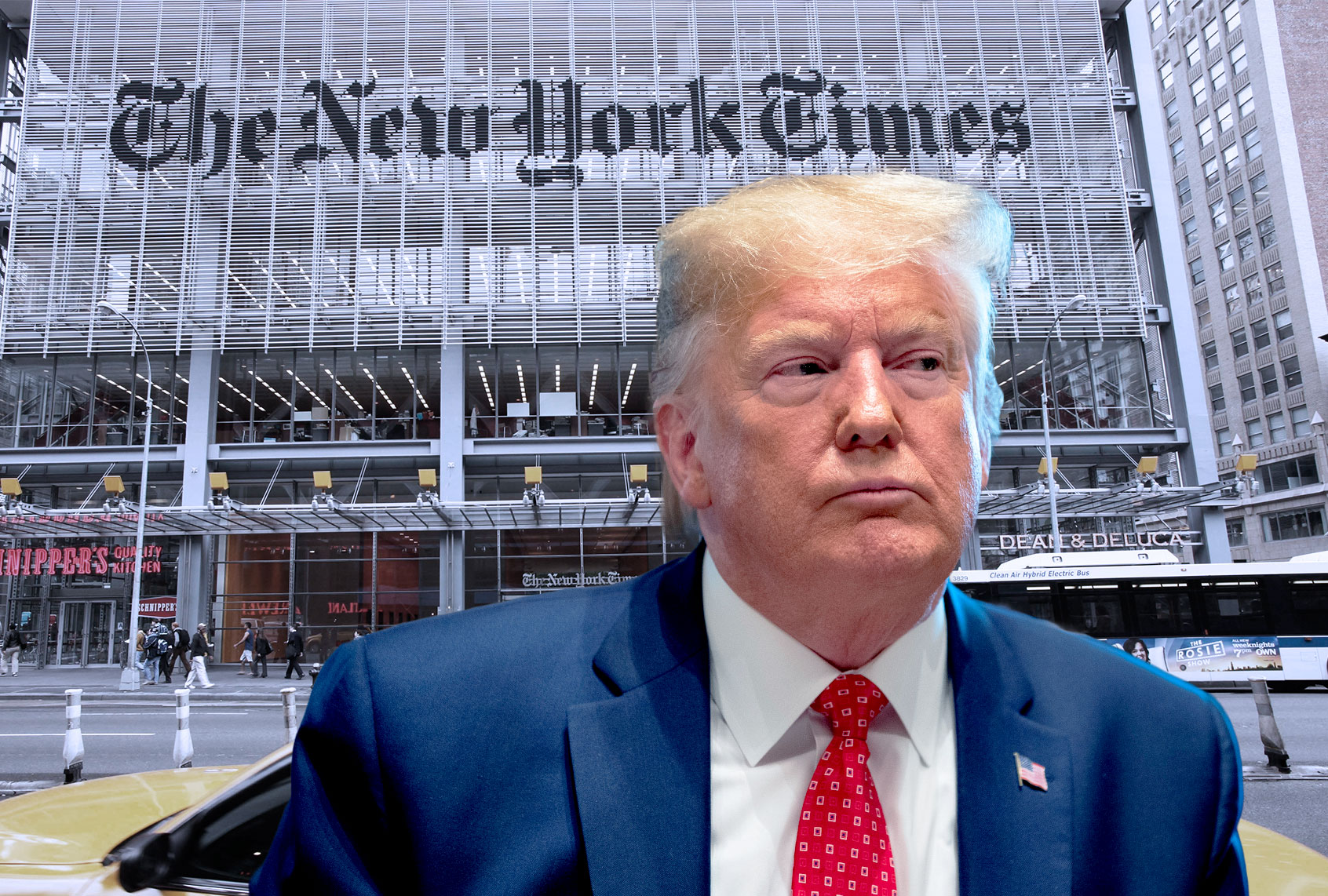
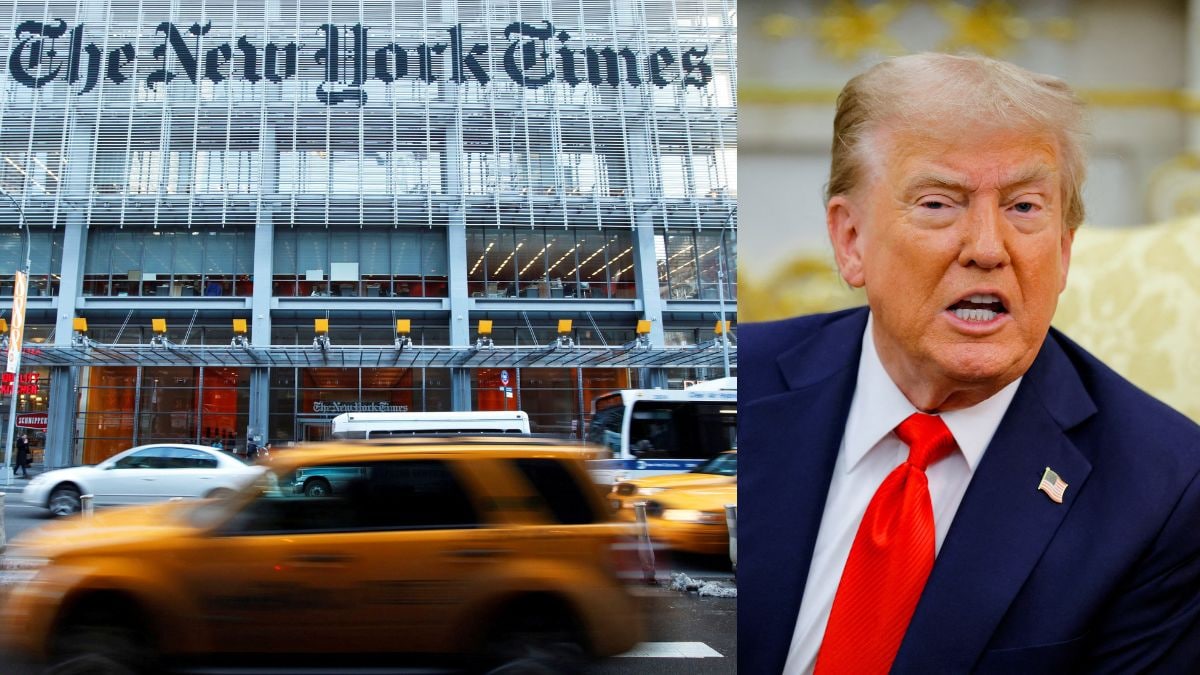
The intersection of major media narratives and the vibrant, ever-evolving landscape of New York City often creates a complex tapestry for the modern traveler. While political headlines dominate the digital landscape, those seeking to experience the real pulse of the Big Apple often find that the city itself offers a sanctuary that transcends the partisan noise. For the global tourist or the local explorer, navigating the urban environment requires an understanding of how iconic institutions—like the historic New York Times Building—anchor the experience of the city’s culture and tourism identity.
The Cultural Anchor of Midtown Manhattan
The presence of major media conglomerates in the heart of Manhattan serves as a focal point for thousands of visitors annually. When travelers flock to the vicinity of Times Square, they are not just entering a hub of commerce; they are walking through the history of American journalism. The architecture surrounding this district represents a bridge between the traditional print era and the high-speed digital age.

Architectural Significance and Urban Tourism
The skyscrapers that house entities like the New York Times are architectural landmarks in their own right. Designed with transparency and public accessibility in mind, these structures invite tourists to appreciate the vertical ambition that defines New York. Unlike many cities where media headquarters remain shuttered behind high-security perimeters, the glass-heavy design of the current home for this publication allows the city’s light to permeate the office space, mirroring the industry’s purported goal of shedding light on the complexities of the United States.
The Experience of the Media District
Walking past the bustling corners where news history is made, travelers often find themselves caught in the gravitational pull of the city’s most intense energy. Whether you are grabbing a coffee at a nearby cafe or heading toward a Broadway theater, the proximity to these institutions adds a layer of intellectual gravitas to the typical vacation itinerary. It is a reminder that in America, the stories we tell are as important as the locations we visit.
Navigating the Tourism Narrative of a Divided Nation
When one considers the media’s role in shaping public perception, it is impossible to ignore how this impacts the way people view travel destinations. In a climate where every publication seems to be interrogated for its political leanings, the traveler is left to decipher which narratives to trust and how those narratives change the way they interact with local cultures.
Media Influence on Destination Choice
There is a profound connection between the editorial stance of major outlets and the shifting interests of the global traveler. When a publication highlights specific districts—whether it’s the revival of Brooklyn or the gentrification of the Lower East Side—it dictates the flow of tourism dollars. Tourists look to established media authorities to define what is “in” or “out,” effectively turning journalists into the travel guides of the modern age.
The Search for Authenticity
Despite the heavy focus on national politics, the savvy tourist prioritizes authenticity over headlines. Visiting the Empire State Building or wandering through the serene pathways of Central Park provides an experience far removed from the analytical critiques of any specific politician or media mogul. The reality of tourism is that it is a localized, personal interaction. A traveler in Queens sampling international cuisine is participating in the true cultural fabric of the city, a reality that exists independently of editorial bias.
Culinary and Cultural Tourism in a Polarized Environment
Food and culture remain the ultimate equalizers in the tourism sector. Regardless of whether one follows the political leanings of a major newspaper, the experience of dining in SoHo or exploring the galleries in Chelsea remains a deeply human endeavor.
The Global Table
New York City serves as a microcosm of global trade and cultural exchange. Restaurants representing cuisines from Italy, Japan, Mexico, and France populate every street corner. When visitors choose where to eat, they are making a personal choice about the kind of cultural experience they wish to consume. This choice is rarely guided by the political headlines of the day; rather, it is guided by a desire for discovery and enjoyment.
Sustaining the Local Economy
Tourism is the lifeblood of these neighborhoods. By visiting independent bookstores near Columbia University or shopping in the boutiques of Greenwich Village, travelers contribute to a diverse economy that thrives on plurality. Political debates, while engaging, often fail to account for the day-to-day resilience of small business owners who serve everyone regardless of their political affiliation.
Beyond the Headlines: The Traveler’s Perspective
Ultimately, the question of whether a major publication favors a specific political figure matters far less to the average tourist than the quality of the service, the richness of the history, and the safety of the destination. The true value of a visit to a city lies in the ability to separate rhetoric from the lived experience.
The Resilience of Urban Destinations
Travelers who visit Washington D.C. are often surprised to find a city that functions far more smoothly than the frantic headlines would suggest. Similarly, those exploring the corridors of London or the boulevards of Paris understand that these world-class cities have a history of navigating political shifts while maintaining their identity as beacons of tourism and culture.
Practical Tips for the Modern Explorer
- Prioritize Local Voices: While major media provides the macro view, blogs and local guides often provide the micro view that enhances your trip.
- Diversify Your Itinerary: Spend time in tourist heavyweights like Rockefeller Center, but ensure you carve out time for local residential neighborhoods.
- Focus on Experiences: Whether it is a visit to the Metropolitan Museum of Art or a walk across the Brooklyn Bridge, prioritize the activities that expand your personal worldview over those that consume your political attention.
As we look toward the future of travel, it is clear that the best way to understand a place is to visit it. The media can frame the world, but only the individual can experience it. Whether the spotlight is on political figures or national institutions, the heartbeat of the world’s great cities remains consistent: it is found in the people, the food, the landmarks, and the endless capacity for new discovery that travel provides. By keeping our eyes on the horizon rather than the headlines, we ensure that the spirit of exploration remains the ultimate guide for our next journey.
LifeOutOfTheBox is a participant in the Amazon Services LLC Associates Program, an affiliate advertising program designed to provide a means for sites to earn advertising fees by advertising and linking to Amazon.com. Amazon, the Amazon logo, AmazonSupply, and the AmazonSupply logo are trademarks of Amazon.com, Inc. or its affiliates. As an Amazon Associate we earn affiliate commissions from qualifying purchases.