
Puerto Rico, a vibrant Caribbean island commonwealth, holds a unique and often misunderstood position in the global political landscape as a US territory. Its relationship with the United States is a complex tapestry woven from centuries of history, pivotal conflicts, and evolving legal frameworks. For travelers planning a visit, understanding this special status enriches the experience, offering insights into the island’s distinctive culture, economic realities, and the very fabric of its people’s lives. This article delves into the historical journey that shaped Puerto Rico’s current status, explores the implications of being a territory, and highlights how this unique identity makes it a compelling destination for tourism, accommodation, and diverse lifestyles.

A Glimpse into Puerto Rico’s Rich History
To comprehend why Puerto Rico is a US territory, one must journey back through its storied past, a narrative shaped by indigenous civilizations, European colonial powers, and the shifting tides of geopolitical influence.
From Indigenous Roots to Spanish Colonization
Before the arrival of Europeans, Puerto Rico was home to the peaceful Taíno people, who had developed a rich culture and sophisticated agricultural practices. Their tranquil existence was irrevocably altered in 1493 when Christopher Columbus landed on the island during his second voyage to the Americas. He claimed the island for Spain, initially naming it San Juan Bautista, and colonization began in earnest a decade later.
For over four centuries, Puerto Rico remained a strategic Spanish colony, serving as a critical military outpost in the Caribbean and a gateway to the Americas. Its capital, also named San Juan, became a heavily fortified city, protecting Spanish treasure fleets and fending off numerous attacks from rival European powers like the English and Dutch. Iconic landmarks such as El Morro, the massive fortress guarding the entrance to San Juan Bay, stand as enduring testaments to this long colonial era. The intertwining of Spanish language, Catholicism, and customs with the remnants of Taíno heritage forged a distinct Puerto Rican identity that flourishes to this day. Throughout these centuries, the island’s economy revolved primarily around agriculture, particularly sugar and coffee, with labor often supplied by enslaved Africans, whose descendants also contributed significantly to the island’s vibrant cultural mosaic.
The Spanish-American War and a New Era
The late 19th century brought significant geopolitical shifts that would forever alter Puerto Rico’s destiny. As Spain‘s empire waned, the United States emerged as a rising global power with increasing interests in the Caribbean and Pacific. Tensions between the two nations escalated, culminating in the Spanish-American War of 1898.
The war was swift and decisive. American forces invaded Puerto Rico in July 1898, encountering relatively little resistance. By December of that year, the Treaty of Paris formally ended the conflict. Under the terms of this treaty, Spain ceded Puerto Rico, Cuba, and Guam to the United States and sold the Philippines for $20 million. This act marked the end of over four centuries of Spanish rule and the beginning of Puerto Rico’s new, and still evolving, relationship with the United States. From that moment, Puerto Rico transitioned from a Spanish colony to an unincorporated territory of the United States, a status that would define its political, economic, and social trajectory for generations.
Navigating the Complexities of Territorial Status
Puerto Rico’s designation as an unincorporated US territory is unique, placing it in a distinct legal and political gray area that continues to be debated and shaped by federal laws and court decisions.
Defined by Law: The Insular Cases and US Citizenship
Immediately following the acquisition, the exact legal status of Puerto Rico and its inhabitants was unclear. The United States Supreme Court addressed this ambiguity through a series of rulings known as the Insular Cases, decided between 1901 and 1922. These controversial decisions established that the U.S. Constitution does not fully apply to unincorporated territories like Puerto Rico “ex proprio vigore” (of its own force), meaning only fundamental constitutional rights apply, while others can be granted or withheld by Congress. This effectively cemented Puerto Rico’s status as a possession rather than an integral part of the United States.
Early governance was established by the Foraker Act of 1900, which created a civilian government but left many powers, including the appointment of a governor, in the hands of the U.S. President and Congress. A significant turning point came in 1917 with the passage of the Jones-Shafroth Act. This act granted statutory US citizenship to all Puerto Ricans, allowing them to travel freely to the mainland United States, serve in its military, and be subject to federal laws. However, this citizenship comes with limitations: residents of Puerto Rico cannot vote in federal elections for President or Vice President, and they are represented in Congress by a non-voting Resident Commissioner. They pay federal taxes like Social Security and Medicare, but generally do not pay federal income tax on income earned within Puerto Rico. This complex legal framework creates a unique civic identity, where Puerto Ricans are Americans but without full political equality enjoyed by those in the 50 states.
Economic Implications and Modern-Day Challenges
The territorial status has profound economic implications for Puerto Rico. While it benefits from some federal programs and access to the U.S. market, it also faces significant disadvantages. Its economy is subject to federal trade and shipping laws, such as the Merchant Marine Act of 1920 (also known as the Jones Act), which requires all goods shipped between US ports (including to and from Puerto Rico) to be carried on US-flagged, US-built, US-crewed, and US-owned vessels. Critics argue this significantly increases the cost of living and doing business on the island, hindering economic development and making goods more expensive compared to independent Caribbean nations.
In recent decades, Puerto Rico has grappled with severe economic challenges, including a prolonged recession, a staggering public debt crisis, and significant outward migration to the mainland United States. Natural disasters, such as Hurricane Maria in 2017, exposed the vulnerabilities exacerbated by its economic and political relationship with the US, leading to calls for greater federal support and a reevaluation of its territorial status. For those interested in the lifestyle and economic realities, a deeper dive into these challenges reveals the resilience of the Puerto Rican people and their ongoing efforts to build a sustainable future.
Puerto Rico: A Unique American Destination
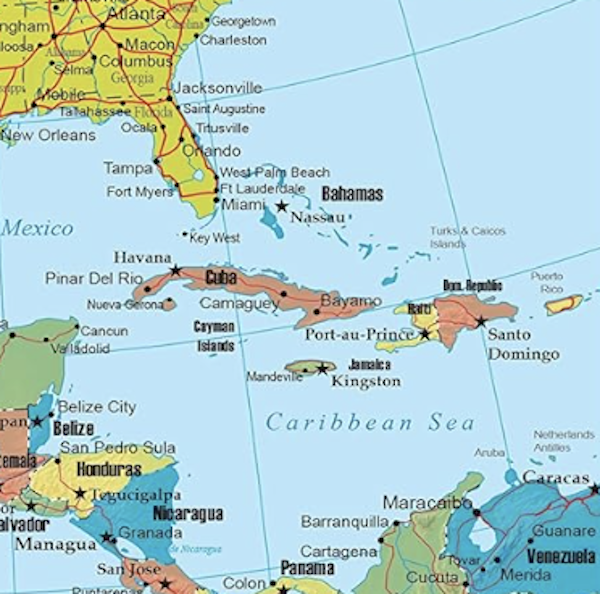
Despite, or perhaps because of, its complex political status, Puerto Rico has blossomed into a captivating destination for travelers seeking a rich blend of history, culture, natural beauty, and modern amenities. Its territorial link to the United States simplifies travel logistics for many, while its distinct identity offers an immersive experience unlike any other.
Culture, Cuisine, and Celebrations
The vibrant culture of Puerto Rico is a captivating fusion of Taíno, Spanish, and African influences, seasoned with a dash of American modernity. This cultural mélange is evident everywhere, from its passionate music and dance—salsa, plena, and bomba—to its lively festivals. The annual San Sebastián Street Festival in Old San Juan is a prime example, transforming the historic streets into a joyous explosion of parades, music, and local artistry.
Puerto Rican gastronomy is a highlight for any visitor. Known as “Cocina Criolla,” it features hearty and flavorful dishes like mofongo (fried plantains mashed with garlic and pork cracklings), lechon asado (spit-roasted pork), and arroz con gandules (rice with pigeon peas). Fresh seafood from the Atlantic Ocean and Caribbean Sea is abundant, and the island is famous for its rum production, offering delightful opportunities for distillery tours and tastings. Exploring the local markets, engaging with friendly locals, and savoring the authentic flavors are essential components of any Puerto Rican travel experience.
Exploring Its Natural Beauty and Landmarks
Puerto Rico’s landscape is incredibly diverse, offering everything from lush rainforests to pristine beaches. One of its most iconic natural attractions is El Yunque National Forest, the only tropical rainforest in the U.S. National Forest System. Here, travelers can hike through verdant trails, discover hidden waterfalls, and listen to the enchanting calls of the coquí frog.
The island is also home to three of the world’s five bioluminescent bays, where microscopic organisms light up the water with a magical glow, creating an unforgettable evening spectacle. Mosquito Bay on Vieques island is often cited as the brightest, while Laguna Grande near Fajardo and La Parguera in Lajas offer equally mesmerizing experiences. For beach lovers, the options are endless, from the lively shores of Luquillo Beach to the secluded paradise of Flamenco Beach on Culebra, consistently ranked among the world’s best.
Beyond nature, Puerto Rico boasts a wealth of historic landmarks. Old San Juan, a UNESCO World Heritage Site, captivates with its colorful colonial architecture, cobblestone streets, and historic fortifications like El Morro and Castillo San Cristóbal. The Governor’s mansion, La Fortaleza, also a UNESCO site, offers a glimpse into the island’s political past and present. In the south, the city of Ponce presents its own unique charm with neoclassical architecture, grand plazas like Plaza de la Dama, the iconic Parque de Bombas firehouse, and historic homes like Castillo Serrallés. These landmarks tell the story of the island’s journey, from its indigenous roots to its Spanish colonial past and its modern territorial status.
Accommodation and Travel Experience for US Visitors
One of the most significant advantages of Puerto Rico’s status as a US territory is the ease of travel for United States citizens. No passport is required, and flights are considered domestic, streamlining the travel process considerably. The official languages are Spanish and English, making communication relatively easy for English-speaking visitors. The currency is the US dollar, further simplifying transactions.
Accommodation options in Puerto Rico cater to every budget and lifestyle. From lavish luxury resorts like the St. Regis Bahía Beach Resort near Rio Grande or the Hyatt Regency Grand Reserve Puerto Rico to charming boutique hotels in Old San Juan and family-friendly villas along the coast in areas like Dorado, the island provides a wide array of choices. Visitors can find world-class hotels with extensive amenities in tourist hubs like Condado and Isla Verde in San Juan, or opt for more secluded and authentic long-term stay apartments and guesthouses in towns like Rincón or Vieques. For those on a budget travel adventure, hostels and smaller inns offer affordable alternatives. The robust tourism infrastructure ensures that booking, reviews, and comparisons are easily accessible, making Puerto Rico an attractive option for both short getaways and extended stays.
The Path Forward: Debating Puerto Rico’s Future
The question of Puerto Rico’s ultimate political status remains at the forefront of its public discourse, influencing every aspect of life on the island and its relationship with the mainland United States.
Statehood, Independence, or Enhanced Commonwealth?
For decades, Puerto Ricans have debated three primary options for their future status:
- Statehood: Becoming the 51st state of the United States. Proponents argue this would grant full voting rights, equal access to federal funding and programs, and political representation commensurate with its population. This would also eliminate the ambiguity of being a US territory and integrate Puerto Rico fully into the American political system.
- Independence: Becoming a sovereign nation, separate from the United States. Advocates believe this would allow Puerto Rico to develop its own economic and foreign policies, fully embrace its distinct cultural identity on the global stage, and shed the colonial stigma. This option, however, carries the economic risks and opportunities of self-reliance.
- Enhanced Commonwealth: Remaining a commonwealth but with greater autonomy and expanded powers than the current territorial arrangement, potentially granting more control over trade, international relations, and federal laws. This option seeks to maintain a close relationship with the United States while gaining more self-governance.
Several non-binding referendums have been held over the years, with varying results and often boycotted by different political factions. While statehood has often garnered the most votes in recent referendums, the turnout and legitimacy of these votes have been contested, meaning a definitive consensus has yet to be reached. This ongoing debate is central to the island’s political identity and shapes its aspirations for the future.

The Socio-Political Landscape and Global Identity
The debate over status is not merely political; it’s deeply intertwined with the socio-cultural fabric of Puerto Rico. The island’s unique blend of cultures, its vibrant Spanish language, and its distinct traditions are fiercely protected by many, regardless of their political preference. This leads to a rich and dynamic socio-political landscape where identity, self-determination, and economic stability are constantly discussed and negotiated. The diaspora of Puerto Ricans living on the mainland United States also plays a crucial role, often advocating for political change and maintaining strong ties to their homeland.
In conclusion, Puerto Rico’s status as a US territory is a legacy of historical events, legal interpretations, and ongoing political aspirations. It’s a land of contrasts where American citizenship coexists with a fiercely independent culture, where colonial history blends with modern tourism, and where the natural beauty is as captivating as its people’s resilience. For any visitor, understanding this intricate relationship enriches the journey, revealing the depths of an island that is truly “La Isla del Encanto”—the Island of Enchantment—a unique American gem in the Caribbean Sea.
LifeOutOfTheBox is a participant in the Amazon Services LLC Associates Program, an affiliate advertising program designed to provide a means for sites to earn advertising fees by advertising and linking to Amazon.com. Amazon, the Amazon logo, AmazonSupply, and the AmazonSupply logo are trademarks of Amazon.com, Inc. or its affiliates. As an Amazon Associate we earn affiliate commissions from qualifying purchases.