
The azure waters of the Caribbean Sea lap against the shores of Puerto Rico, a vibrant island that captures the imagination with its rich history, captivating landscapes, and lively culture. For many travelers drawn to its sun-drenched beaches, colonial charm, and diverse attractions, a fundamental question often arises: How and why does this island, brimming with its own distinct identity, hold a special place within the United States? Understanding Puerto Rico‘s unique political status is key to appreciating its present and future, and it unlocks a deeper understanding of its allure as a premier travel destination.
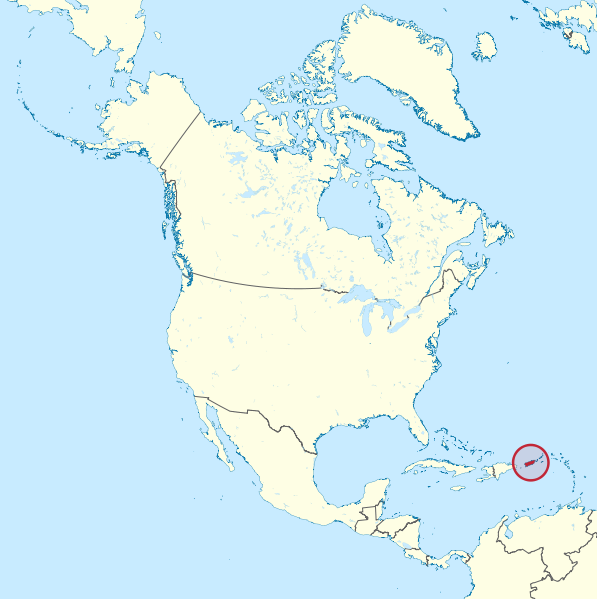
A Journey Through History: The Path to U.S. Association
Puerto Rico‘s relationship with the United States is not one of simple conquest, but rather a complex evolution shaped by geopolitical shifts, historical treaties, and the aspirations of its people. To truly grasp why Puerto Rico is part of the USA, we must journey back to the late 19th century, a period of significant global power plays and territorial expansion.
The Spanish Legacy and the Dawn of American Influence
For over four centuries, Puerto Rico was a colony of Spain. Its strategic location in the Caribbean made it a vital outpost for the Spanish Empire. During this era, Spain established its language, religion, and architectural styles, many of which remain integral to Puerto Rico‘s cultural fabric today. The charming cobblestone streets of Old San Juan, adorned with colorful colonial buildings and historic forts like Castillo San Felipe del Morro, stand as enduring testaments to this long period of Spanish rule.
The turning point in Puerto Rico‘s history arrived in 1898 with the outbreak of the Spanish-American War. This conflict, fueled by various tensions between the two global powers, ultimately led to Spain‘s defeat and a subsequent redrawing of colonial maps. As part of the Treaty of Paris, which officially ended the war, Spain ceded Puerto Rico, along with Cuba and Guam, to the United States. This marked the beginning of a new chapter for the island, one that would see it transition from Spanish possession to an unincorporated territory of the United States.
The Foraker Act and the Birth of the “Commonwealth”
Following the acquisition, the United States began to establish its governance over Puerto Rico. In 1900, the U.S. Congress passed the Foraker Act (also known as the Organic Act of 1900). This act formally organized the civil government of Puerto Rico and defined its political relationship with the United States. Crucially, it designated Puerto Rico as an unincorporated territory, meaning that the U.S. Constitution did not fully apply to the island, and its inhabitants were not automatically granted U.S. citizenship. This distinction was significant, creating a unique legal and political status that continues to be debated and shaped.
In 1917, the Jones-Shafroth Act was enacted, further solidifying the island’s status. This act granted statutory U.S. citizenship to the people of Puerto Rico, a momentous occasion that fundamentally altered their legal standing. While Puerto Ricoans were now citizens of the United States, they did not possess the same rights as citizens residing in the states, most notably the right to vote in presidential elections and full representation in the U.S. Congress.
Over the ensuing decades, Puerto Rico‘s political status evolved. In 1950, U.S. Public Law 600 was passed, authorizing Puerto Rico to draft its own constitution. This led to the establishment of the Commonwealth of Puerto Rico in 1952, often referred to by its Spanish name, Estado Libre Asociado. This self-governing status grants Puerto Rico a significant degree of autonomy in its internal affairs, including the ability to elect its own governor and legislature. However, it remains subject to the ultimate authority of the U.S. Congress and operates under a framework established by federal law.
Understanding the Commonwealth Status: Autonomy and Federal Ties
The designation of Puerto Rico as a Commonwealth, or Estado Libre Asociado, is at the heart of its unique relationship with the United States. This status signifies a voluntary association, a pact between two entities, rather than a full integration into the U.S. as a state. Understanding the nuances of this arrangement is crucial for appreciating the daily realities of life and governance on the island.
Rights and Responsibilities: A Differentiated Relationship
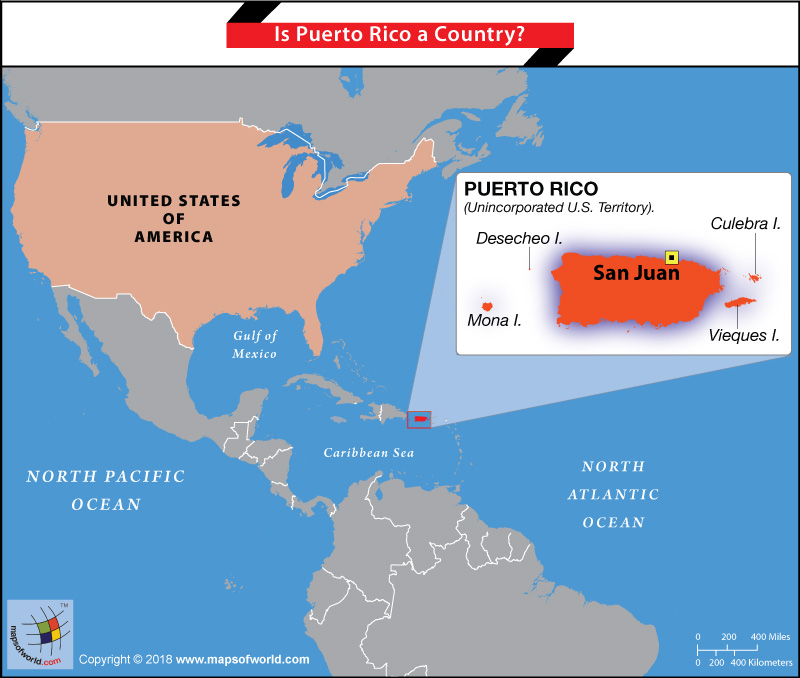
As citizens of the United States, Puerto Ricoans enjoy many of the benefits and responsibilities associated with that status. They can travel freely between Puerto Rico and the mainland United States without passports, and U.S. currency is used on the island. Puerto Rico also participates in U.S. federal programs, though often with different funding levels and rules compared to states.
However, the Commonwealth status also entails certain limitations. Puerto Rico does not have voting representation in the U.S. Congress; its resident commissioner can speak and vote in committees but cannot vote on the floor of the House of Representatives. Furthermore, Puerto Ricoans residing on the island do not vote in U.S. presidential elections. While they pay federal income tax on income earned from U.S. sources, they are generally exempt from federal income tax on income derived from Puerto Rico. This complex tax structure has historically played a role in Puerto Rico‘s economic development and its attractiveness to businesses.
The Commonwealth status also means that Puerto Rico is not subject to all provisions of the U.S. Constitution. While fundamental rights are protected, certain federal laws enacted by the U.S. Congress may not apply to the island unless explicitly extended. This grants Puerto Rico a degree of flexibility in its governance and the ability to tailor laws to its specific needs and cultural context. This unique blend of autonomy and federal oversight shapes the island’s political landscape and its ongoing discussions about its future.
A Look at Governance and Self-Determination
Under the Commonwealth framework, Puerto Rico has its own elected governor and a bicameral legislature composed of a Senate and a House of Representatives. The island has its own judicial system, which is separate from the federal court system, although federal courts do operate in Puerto Rico. This system of self-governance allows Puerto Rico to manage its internal affairs, enact its own laws, and develop its own policies across a wide range of areas, from education and healthcare to environmental protection and economic development.
Despite this significant autonomy, the ultimate authority rests with the U.S. Congress, which has the power to legislate for Puerto Rico and to alter its political status. This has led to recurring debates and plebiscites among the Puerto Ricoan people regarding their preferred status. Options frequently discussed include statehood (full integration as the 51st state), enhanced Commonwealth status (greater autonomy within the current association), or independence. These discussions reflect the diverse aspirations of Puerto Rico‘s population and highlight the ongoing evolution of its relationship with the United States.
Puerto Rico as a Tourist Paradise: Bridging Cultures and Landscapes
The question of Puerto Rico‘s political status, while complex, does not diminish its appeal as a world-class travel destination. In fact, its unique heritage, shaped by centuries of history and its current association with the United States, contributes to a rich tapestry of experiences for visitors. From the historic streets of Old San Juan to the bioluminescent bays and pristine beaches, Puerto Rico offers an unforgettable blend of cultures and natural wonders.
Exploring the Island’s Treasures: From Historic Sites to Natural Wonders
Travelers to Puerto Rico are often captivated by the vibrant atmosphere of Old San Juan, a UNESCO World Heritage site. Here, visitors can wander through narrow, cobblestone streets, admire the pastel-colored buildings, and explore iconic landmarks such as Castillo San Felipe del Morro and Castillo San Cristobal. These impressive Spanish fortifications offer a glimpse into the island’s strategic importance and its colonial past. The charming shops, art galleries, and bustling plazas add to the allure of this historic district, making it a must-visit for any tourist.
Beyond the historical richness of San Juan, Puerto Rico boasts breathtaking natural beauty. The El Yunque National Forest, the only tropical rainforest in the U.S. National Forest System, is a sanctuary of biodiversity, offering hiking trails, cascading waterfalls, and a chance to immerse oneself in lush tropical flora and fauna. For those seeking aquatic adventures, the island’s coastline is dotted with stunning beaches. Flamenco Beach on Culebra island is frequently lauded as one of the world’s most beautiful beaches, with its powdery white sand and crystal-clear waters.
A truly magical experience awaits at Puerto Rico‘s bioluminescent bays, such as Mosquito Bay on Vieques island. Here, microscopic organisms in the water glow when disturbed, creating an ethereal spectacle that is both mesmerizing and unforgettable. Whether you’re kayaking or paddleboarding through these glowing waters, it’s a natural phenomenon that truly sets Puerto Rico apart.

Culinary Delights and Cultural Immersion
Puerto Rico‘s vibrant culture is also reflected in its delectable cuisine. Influenced by Spanish, African, and Taíno traditions, Puerto Ricoan food is a flavorful fusion of diverse ingredients and culinary techniques. Must-try dishes include mofongo (mashed plantains with garlic and pork cracklings), lechon (roasted pig), and arroz con gandules (rice with pigeon peas). The island’s rum, particularly from distilleries like Bacardi, is also renowned worldwide and forms the base of many popular cocktails, including the iconic piña colada.
The spirit of the Puerto Ricoan people is as warm and welcoming as their tropical climate. Visitors can experience this firsthand by immersing themselves in local festivals, enjoying live music (especially salsa), and engaging with the island’s rich artistic heritage. From world-class resorts like the Dorado Beach, a Ritz-Carlton Reserve, to charming boutique hotels and vacation rentals, Puerto Rico offers a wide range of accommodation options to suit every traveler’s needs and budget. The island’s accessibility, coupled with its unique cultural identity and stunning natural beauty, makes it a compelling destination that continues to draw visitors from around the globe, offering a vibrant glimpse into a territory that is both distinctly Puerto Ricoan and intrinsically linked to the United States.
LifeOutOfTheBox is a participant in the Amazon Services LLC Associates Program, an affiliate advertising program designed to provide a means for sites to earn advertising fees by advertising and linking to Amazon.com. Amazon, the Amazon logo, AmazonSupply, and the AmazonSupply logo are trademarks of Amazon.com, Inc. or its affiliates. As an Amazon Associate we earn affiliate commissions from qualifying purchases.