
Puerto Rico, a gem in the Caribbean, often conjures images of sun-drenched beaches, vibrant culture, and lush rainforests. However, a recurring shadow looms over this beautiful island, casting a pall over its picturesque landscapes and impacting the lives of its residents and the experiences of its visitors: power outages. The question, “Why Is Puerto Rico Without Power?” is not a fleeting one but a persistent concern that has shaped the island’s recent history and continues to influence its development. Understanding the multifaceted reasons behind these widespread and often prolonged blackouts is crucial for anyone planning a trip, investing in the island, or simply seeking to comprehend the resilience of its people.
The issue of power outages in Puerto Rico is not a new phenomenon. It is a complex tapestry woven from threads of aging infrastructure, natural disasters, economic challenges, and systemic issues. While sporadic outages can occur anywhere due to localized issues, Puerto Rico has faced a more pervasive and impactful situation, particularly following major events that have exposed and exacerbated pre-existing vulnerabilities. The island’s electrical grid, operated by the Puerto Rico Electric Power Authority (PREPA), has long been a point of contention and concern, struggling to meet the demands of a modern society while grappling with its own internal challenges.
The Fragile Grid: A Legacy of Underinvestment and Aging Infrastructure
At the heart of the power problem lies a grid that has suffered from decades of underinvestment and neglect. PREPA, the sole public utility responsible for generating and distributing electricity across the island, inherited an aging and largely outdated infrastructure. This system, built to serve a different era, was ill-equipped to handle the increasing energy demands of a growing population and the escalating impacts of climate change. The transmission and distribution lines, many of which were installed decades ago, are prone to failure, especially under stress.
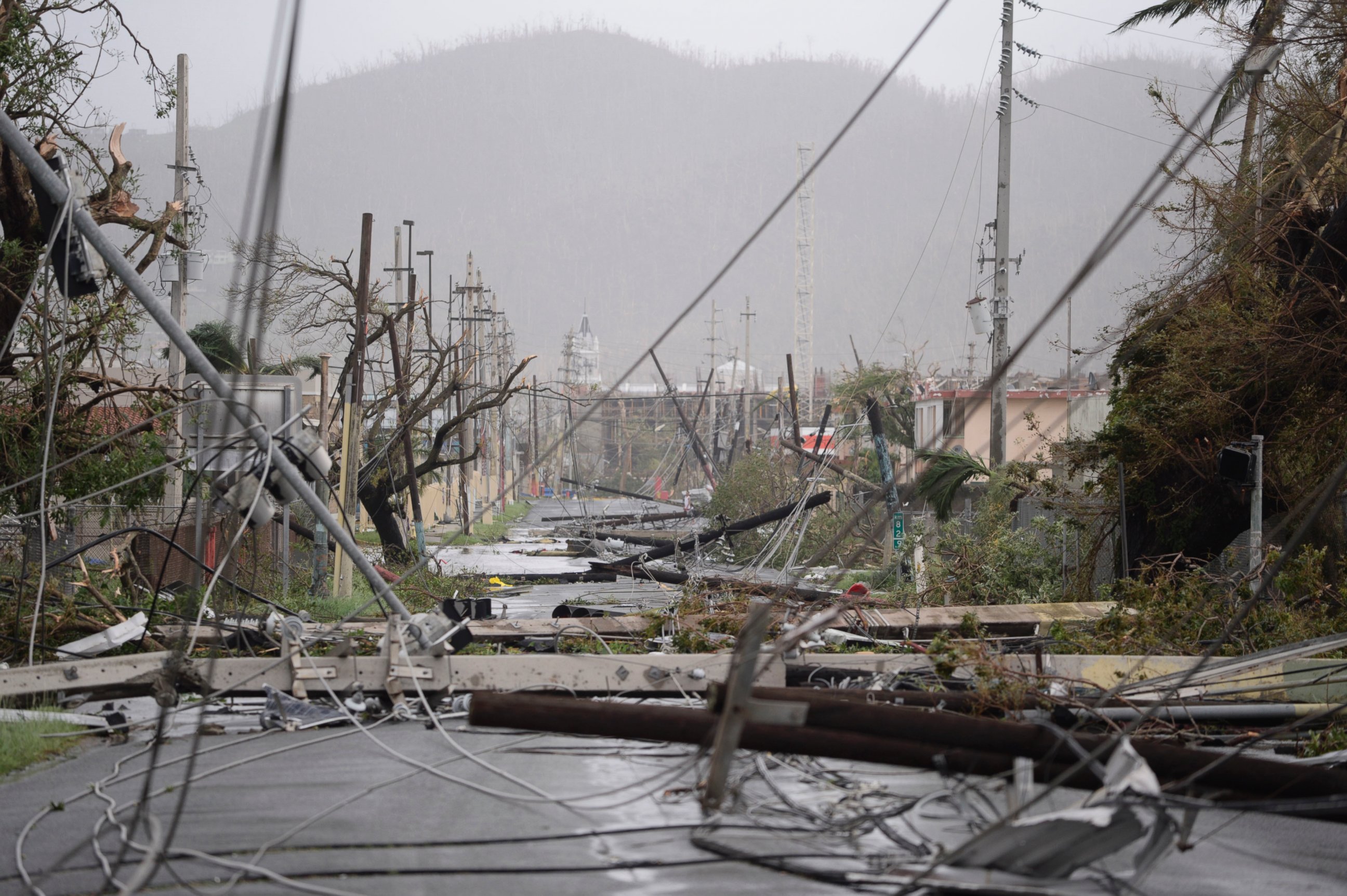
This inherent fragility was brutally exposed by the devastating impact of Hurricane Maria in 2017. The category 5 storm, one of the strongest to ever hit the island, wreaked havoc on Puerto Rico’s electrical system. Poles were toppled, substations were destroyed, and power lines were ripped apart, leaving the entire island in darkness for months. While the hurricane was the catalyst, it did not create the problem from scratch. Instead, it acted as a powerful magnifying glass, revealing the deep-seated weaknesses that had been festering for years. The slow and arduous process of restoring power after Maria highlighted the immense scale of the challenge and the critical need for a comprehensive overhaul of the grid.
Beyond the physical infrastructure, the operational efficiency and financial health of PREPA have also been significant contributing factors. For years, the authority has grappled with mounting debt, inefficient management practices, and a lack of consistent capital investment. These financial constraints have hampered its ability to modernize equipment, implement advanced technologies, and properly maintain the existing grid. The result is a system that is not only susceptible to damage but also struggles to recover quickly from outages.
The Shadow of Natural Disasters: Hurricanes and Earthquakes
Puerto Rico’s geographical location in the Caribbean places it squarely in the path of tropical storms and hurricanes. These powerful natural events are a constant threat, and their increasing intensity due to climate change has placed immense pressure on the island’s already vulnerable infrastructure. As mentioned, Hurricane Maria was a catastrophic event, but it was not an isolated incident. Hurricane Irma, which preceded Maria by just weeks, also caused significant damage.

The sheer force of these storms overwhelms the electrical grid, causing widespread destruction that can take months, if not years, to fully repair. The recovery process is further complicated by the logistical challenges of operating in a disaster-stricken environment, including limited access to materials and skilled labor. This cyclical pattern of destruction and slow recovery has become a painful reality for many Puerto Ricans.
Adding to the natural challenges, Puerto Rico has also experienced seismic activity. In early 2020, a series of earthquakes, including a magnitude 6.4 tremor, struck the southern part of the island, causing widespread damage to homes, businesses, and critical infrastructure, including the electrical grid. While not as devastating to the grid as Maria, these earthquakes further destabilized an already precarious system and contributed to ongoing power disruptions, particularly in the affected regions. The dual threat of hurricanes and earthquakes underscores the need for a resilient infrastructure that can withstand a variety of natural forces.
Economic Hurdles and the Path to Modernization
The economic situation in Puerto Rico has profoundly impacted its ability to address its energy crisis. The island has faced a protracted economic downturn, exacerbated by its status as a territory of the United States and its unique fiscal challenges. This economic instability has made it difficult to secure the substantial financial resources required for a complete modernization of the electrical grid.
PREPA, being a public utility, has been heavily reliant on government funding and its own revenue generation. However, with a struggling economy, the utility has faced significant financial constraints. The debt burden accumulated over the years has limited its ability to borrow money for much-needed upgrades and repairs. Furthermore, efforts to privatize parts of the energy sector, particularly after Hurricane Maria, have been met with complex negotiations and political debate, slowing down the pace of necessary changes.
The path to modernization involves not just rebuilding but also transforming the grid into a more resilient and sustainable system. This includes investing in renewable energy sources, such as solar and wind power, which can help diversify the energy mix and reduce reliance on imported fossil fuels. It also involves implementing smart grid technologies that can improve efficiency, detect problems faster, and allow for more decentralized power generation. However, these investments require significant capital, and navigating the complex financial landscape of Puerto Rico has been a major hurdle.
The Impact on Daily Life and Tourism
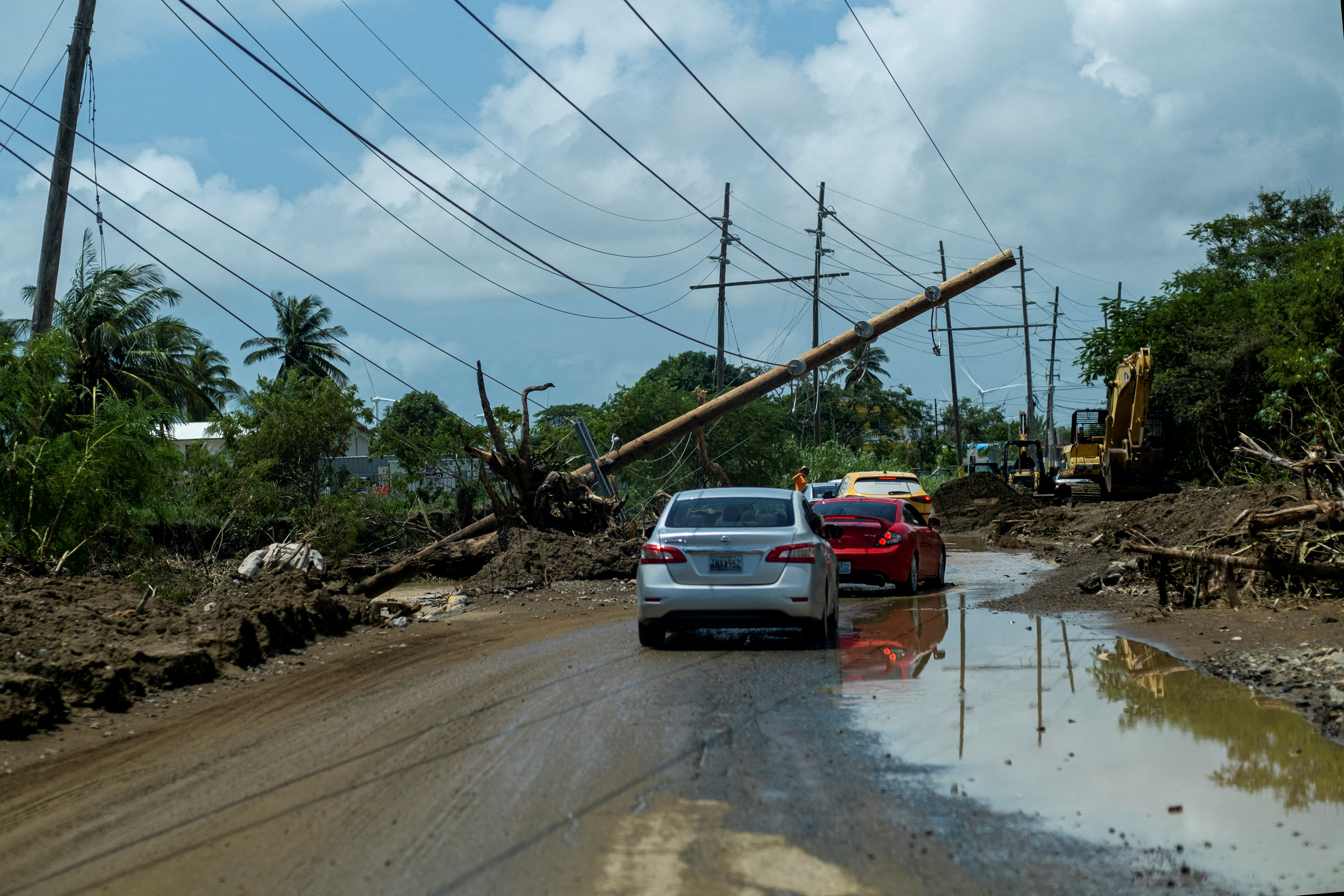
The pervasive power outages have a profound and far-reaching impact on the daily lives of Puerto Ricans. Businesses struggle to operate, leading to economic losses and reduced productivity. Hospitals and essential services must rely on expensive and often unreliable backup generators, which themselves can fail. Educational institutions face disruptions, and homes are plunged into darkness, affecting everything from refrigeration to the ability to communicate. The emotional toll of living with the constant uncertainty of power is also significant.
For the tourism sector, a vital engine of Puerto Rico’s economy, power outages present a significant challenge. Visitors expect reliable access to electricity, and frequent blackouts can lead to canceled tours, disappointed guests, and a tarnished reputation for the island as a stable destination. While the natural beauty of places like El Yunque National Forest or the historic charm of Old San Juan remain appealing, the practical inconvenience of power disruptions can deter potential travelers. Resorts and hotels, particularly those in more remote areas, often invest heavily in backup power systems to mitigate these issues, but even the most robust systems can be overwhelmed by prolonged outages. This forces travelers to consider the potential for disruptions when planning stays at accommodations ranging from luxury resorts in Dorado to boutique hotels in Ponce.
The ongoing struggle with the electrical grid underscores the need for sustained investment, strategic planning, and effective management to ensure a stable and reliable power supply for Puerto Rico. As the island continues to rebuild and grow, addressing the root causes of its power woes remains a critical priority for its future prosperity and the well-being of its people. The path forward requires a commitment to modernizing the infrastructure, embracing renewable energy, and fostering economic stability, all of which are essential for Puerto Rico to truly shine as the vibrant Caribbean destination it is.
LifeOutOfTheBox is a participant in the Amazon Services LLC Associates Program, an affiliate advertising program designed to provide a means for sites to earn advertising fees by advertising and linking to Amazon.com. Amazon, the Amazon logo, AmazonSupply, and the AmazonSupply logo are trademarks of Amazon.com, Inc. or its affiliates. As an Amazon Associate we earn affiliate commissions from qualifying purchases.