
The question of why Sacramento holds the prestigious title of the capital of California is one that delves deep into the annals of the state’s rich and tumultuous history. Unlike many national or state capitals chosen for their existing prominence, Sacramento’s ascent to power was a journey marked by geographical advantages, economic booms, and strategic political decisions. For travelers exploring the Golden State, understanding this backstory not only enriches their visit but also paints a vivid picture of California’s foundational years. From its humble beginnings as a riverside trading post to its current status as a bustling metropolitan hub, Sacramento offers a unique blend of historical significance, vibrant culture, and modern appeal, making it a compelling destination for a diverse range of visitors.
For those planning a trip to Sacramento, whether for leisure or business, the city presents a wealth of experiences. The blend of its historical legacy as the state capital with its evolving identity as a cultural and culinary center provides a fascinating backdrop. Understanding the ‘why’ behind its capital status helps to contextualize the city’s landmarks, its architecture, and even its local culture. Travelers will discover that Sacramento isn’t just a government town; it’s a destination brimming with attractions, from world-class museums to an acclaimed farm-to-fork dining scene, all underpinned by a captivating history that explains its enduring importance to the state of California.
A Glimpse into California’s Capital History
The decision to make Sacramento the permanent capital was not an immediate one. California, upon gaining statehood in 1850, experimented with several cities as its seat of government. This period of transition reflects the rapid growth and political flux that characterized early California, fueled primarily by the Gold Rush.
The Shifting Seats of Power
Initially, the first legislative session convened in San Jose in 1849, marking it as California’s inaugural capital. However, the facilities in San Jose were deemed inadequate, prompting a search for a more suitable location. The capital then briefly moved to Vallejo in 1852, largely due to an offer from General Mariano Guadalupe Vallejo, who proposed to donate land and build a capitol building. Yet, once again, the facilities proved insufficient, and the legislature quickly relocated to Benicia in 1853. While Benicia offered a more suitable building, it too lacked the necessary infrastructure and amenities to support a burgeoning state government.
During this period of uncertainty, Sacramento began to emerge as a strong contender. Its strategic location and rapid development, largely thanks to the Gold Rush, made it increasingly attractive. In 1854, after much debate and several temporary moves, the state legislature officially designated Sacramento as the permanent capital of California. This decision was cemented by a vote in the same year, solidifying Sacramento’s place in the state’s political landscape.
The Gold Rush Era’s Influence
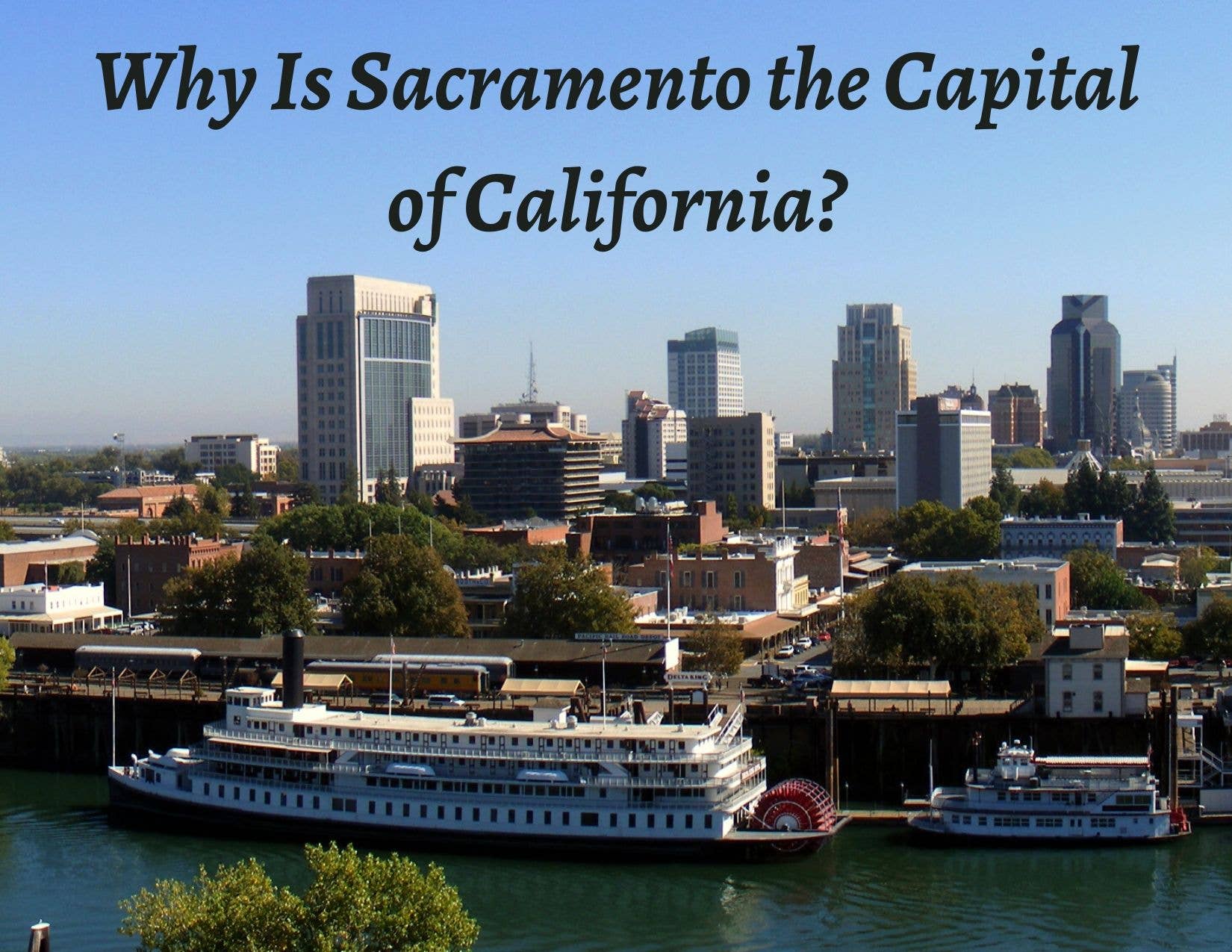
The profound influence of the California Gold Rush, beginning in 1848, cannot be overstated when discussing Sacramento’s rise. Sacramento was strategically located at the confluence of the Sacramento River and the American River, making it the primary gateway for prospectors heading to the gold fields in the Sierra Nevada foothills. The city quickly transformed into a vital commercial hub, a supply center, and a transportation nexus. Steamboats navigated the Sacramento River, connecting the burgeoning city with San Francisco and the outside world, while wagon trails led directly from Sacramento into the heart of the gold country.
This economic boom brought immense wealth and a rapidly growing population to Sacramento. Businesses thrived, infrastructure developed, and a vibrant community emerged, far surpassing the capabilities and resources of its earlier capital rivals. The city’s dynamic growth and central role in the state’s economy made it a logical choice for the seat of government. It possessed the financial resources, a growing population, and the developing infrastructure necessary to support the administrative needs of a large and expanding state. The donation of land for the construction of a permanent State Capitol building by the city further solidified its appeal, offering a stable and dedicated location for governance.
Geographical Significance and Strategic Location
Sacramento’s geographical attributes played a pivotal role in its selection and enduring status as California’s capital. Its position offered a blend of accessibility, protection, and agricultural richness that was unmatched by other contenders.
The Advantage of River Access
At its core, Sacramento’s initial appeal was tied to its location on the navigable Sacramento River. In the 19th century, rivers were the highways of commerce and travel, and the Sacramento River provided a direct link to San Francisco Bay and the Pacific Ocean. This facilitated the movement of goods, people, and information, making Sacramento an ideal logistical center. The ease of access by water was crucial for the transportation of materials and personnel needed for state administration, as well as for the general development and connectivity of the capital city.
This riverine advantage also meant that Sacramento became a natural focal point for early infrastructure development. The city served as a hub for steamboat traffic, facilitating both economic activity and the state’s administrative functions. This connectivity ensured that lawmakers and citizens could reach the capital relatively easily from various parts of the state, a critical factor in an era before extensive road or rail networks.
Centrality in the Central Valley
Beyond river access, Sacramento’s placement within the vast and fertile Central Valley provided another layer of strategic importance. The Central Valley is the agricultural heartland of California, producing a significant portion of the nation’s food. Placing the capital here positioned the government close to one of the state’s most vital economic engines. This central location also offered a compromise between the northern and southern population centers, preventing any one region from dominating the political landscape entirely.
Furthermore, being inland, Sacramento offered a degree of protection from potential naval attacks, a concern during a period of expanding global powers. While San Francisco was a bustling port, its coastal vulnerability made it less ideal for a permanent state capital. Sacramento’s inland position, combined with its accessibility, struck a balance that was both practical and politically astute.
Political Pragmatism and Economic Growth
The final selection of Sacramento as the capital was not just about geography and immediate economic prosperity; it was also a reflection of political foresight and the city’s potential for sustained growth.
A Hub of Commerce and Innovation
Sacramento’s role as a major commercial center during the Gold Rush laid the groundwork for future economic expansion. It wasn’t just gold that made the city rich; it was the infrastructure built to support the gold seekers – the supply stores, the river transport companies, and the emerging agricultural industries. Figures like Leland Stanford, who would later become Governor and a powerful railroad magnate, built their early fortunes in Sacramento. This economic dynamism created a city capable of sustaining a large population and, crucially, generating the tax revenue needed to run a state government.
The city’s entrepreneurial spirit was also evident in its becoming the western terminus of the First Transcontinental Railroad. This monumental achievement, largely spearheaded by Sacramento businessmen known as the “Big Four” (Stanford, Collis P. Huntington, Mark Hopkins, and Charles Crocker), further cemented Sacramento’s status as a vital transportation and economic hub. The railroad vastly improved connectivity, making the capital accessible from across the continent and strengthening its position as the administrative heart of the state.
The Role of Early Founders and Donors
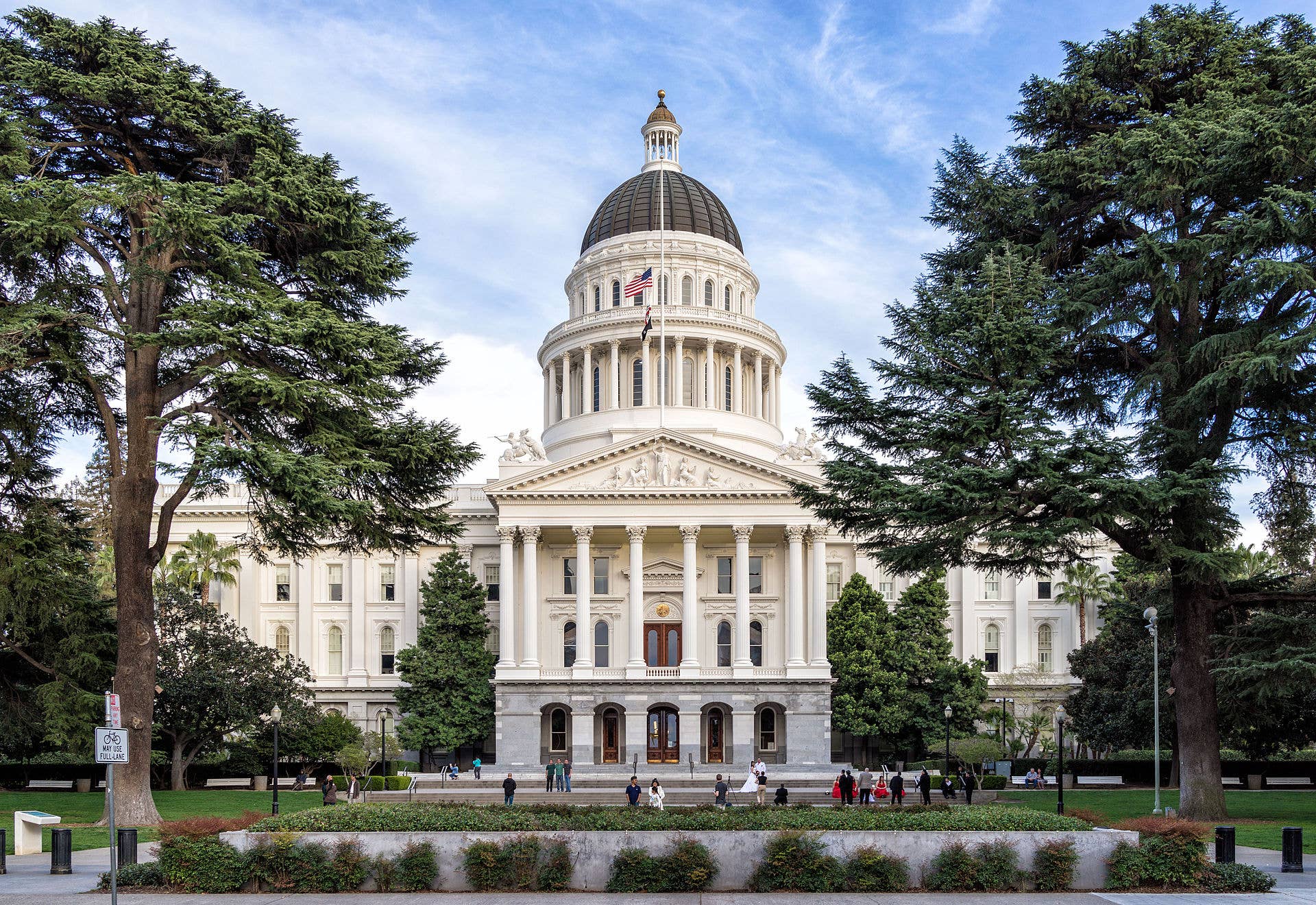
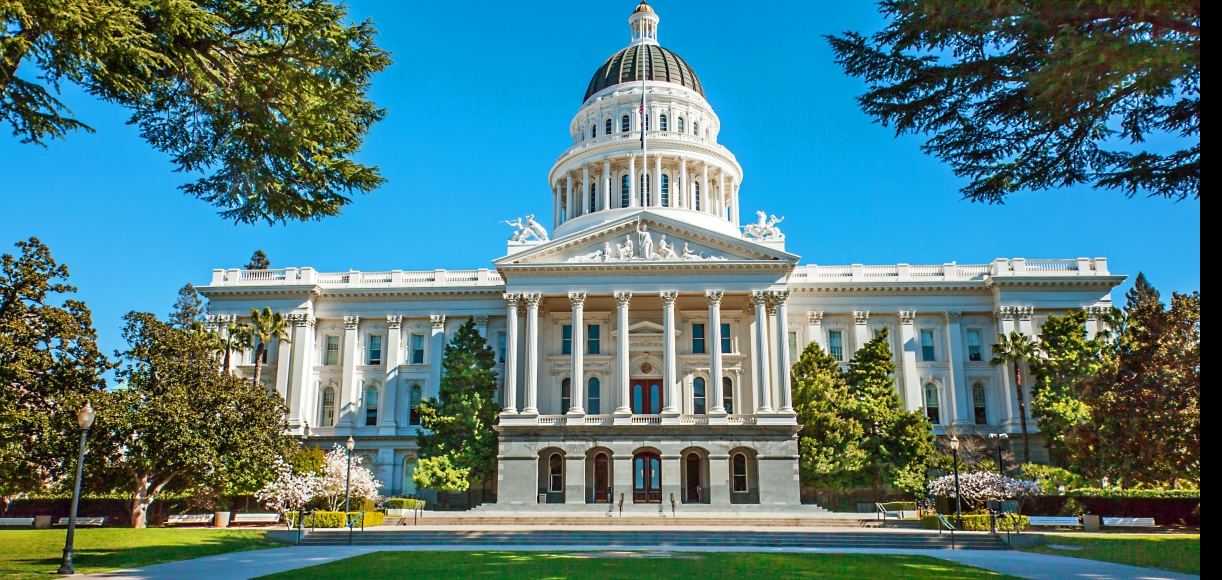
The foresight of individuals and local entities also played a significant part. The city was founded by John Sutter, and later developed by his son, John Sutter Jr.. The donation of prime land for the construction of the California State Capitol Museum was a powerful incentive for the legislature. This commitment demonstrated Sacramento’s willingness and capacity to host the state government, offering stability that other cities could not match. The construction of the grand Capitol building, completed in 1874, became a symbol of California’s aspirations and Sacramento’s permanent role as its capital. This impressive structure, a landmark in itself, serves not only as the seat of government but also as a museum, attracting visitors who wish to explore California’s political heritage and architectural beauty.
Sacramento Today: A Thriving Capital City
Today, Sacramento is far more than just a government center. It has evolved into a dynamic city that beautifully blends its historical roots with modern amenities and a vibrant lifestyle, making it an attractive travel destination.
Beyond Politics: Cultural & Culinary Delights
Sacramento has proudly branded itself as “America’s Farm-to-Fork Capital,” a testament to its rich agricultural surroundings and a burgeoning culinary scene. Visitors can indulge in an incredible array of fresh, locally sourced cuisine, from high-end dining experiences to casual eateries and farmers’ markets. This farm-to-fork philosophy is deeply ingrained in the local culture, offering a unique gastronomic experience that highlights the bounty of the Central Valley. Food tours, cooking classes, and seasonal festivals like the annual Farm-to-Fork Festival provide immersive experiences for culinary enthusiasts.
Beyond food, Sacramento boasts a rich cultural landscape. The Crocker Art Museum, California’s first public art museum, houses an impressive collection spanning European, Californian, and international art. The city also offers various performing arts venues, live music, and a thriving arts district, showcasing local talent and attracting touring productions. For those interested in local history, the California State Railroad Museum in Old Sacramento Waterfront is a must-visit, offering a fascinating glimpse into the state’s rail history.
Exploring Iconic Sacramento Landmarks
A visit to Sacramento wouldn’t be complete without exploring its iconic landmarks. The magnificent California State Capitol Museum stands as the centerpiece, offering tours that provide insight into the state’s legislative process and its historical architecture. The surrounding Capitol Park is a serene oasis, perfect for a leisurely stroll among diverse tree species and monuments.
Just a short walk away lies the historic Old Sacramento Waterfront. This preserved district, with its wooden sidewalks and horse-drawn carriages, transports visitors back to the Gold Rush era. Here, you can explore charming shops, dine in historic buildings, and visit numerous museums, including the aforementioned California State Railroad Museum and the Sacramento History Museum. The majestic Tower Bridge, an iconic golden landmark spanning the Sacramento River, connects Old Sacramento with West Sacramento and offers picturesque views, especially at sunset. For sports enthusiasts, the Golden 1 Center, home to the NBA’s Sacramento Kings, is a modern marvel that hosts concerts and events, adding a contemporary urban flair to the city.
Planning Your Visit to California’s Capital
Whether you’re drawn by history, culture, or the allure of California’s vibrant lifestyle, planning a trip to Sacramento is an exciting endeavor. The city caters to a variety of travelers, from those seeking luxury stays to budget-conscious adventurers and families on vacation.
Where to Stay: Sacramento Accommodation
Sacramento offers a diverse range of accommodation options to suit every preference and budget. For those seeking luxury, downtown Sacramento boasts several upscale hotels, such as the historic The Citizen Hotel, Autograph Collection, known for its elegant design and prime location near the Capitol. Another popular choice is the Hyatt Regency Sacramento, offering comfortable rooms, excellent amenities, and direct access to the Convention Center and Capitol Park. These properties often feature suites, fine dining restaurants, and fitness centers, ideal for business travelers or those seeking a indulgent getaway.
Mid-range hotels and boutique options are plentiful, especially around the midtown and downtown areas, providing comfortable and convenient stays without breaking the bank. For budget travelers or those preferring a more independent experience, numerous apartments and vacation rentals are available, particularly for longer stays or family trips. These often include kitchenettes and more living space, offering a “home away from home” feel. When booking, it’s advisable to compare prices and read recent reviews to find the best fit for your travel style. Consider proximity to major attractions like Old Sacramento Waterfront or the Crocker Art Museum to maximize your exploration time.
Experience Sacramento: Activities and Lifestyle
The range of activities in Sacramento caters to all interests. Beyond the historical and culinary tours, outdoor enthusiasts can enjoy the American River Parkway, a scenic 32-mile stretch offering opportunities for biking, jogging, and kayaking along the American River. Family trips can include visits to the Sacramento Zoo or Fairytale Town, while art lovers can explore numerous galleries during the Second Saturday Art Walk.
For those looking to extend their travel experiences, Sacramento’s central location in California makes it an excellent base for day trips. The world-renowned Napa Valley wine region is just an hour’s drive west, offering exquisite wine tasting experiences. To the east, the majestic Lake Tahoe provides stunning mountain scenery, skiing in winter, and water activities in summer. This accessibility to diverse regional attractions further enhances Sacramento’s appeal as a versatile travel destination. The city’s lifestyle is often characterized by a more relaxed pace compared to its larger coastal counterparts, yet it maintains a sophisticated edge with its arts scene, gourmet food, and historical depth. Whether you’re traveling for business or pleasure, Sacramento offers a welcoming atmosphere and a wealth of experiences waiting to be discovered, firmly cementing its place not just as California’s capital, but as a destination in its own right.
LifeOutOfTheBox is a participant in the Amazon Services LLC Associates Program, an affiliate advertising program designed to provide a means for sites to earn advertising fees by advertising and linking to Amazon.com. Amazon, the Amazon logo, AmazonSupply, and the AmazonSupply logo are trademarks of Amazon.com, Inc. or its affiliates. As an Amazon Associate we earn affiliate commissions from qualifying purchases.