
San Francisco, a vibrant jewel nestled on the northern tip of the California peninsula, is renowned worldwide for its iconic landmarks, eclectic culture, and breathtaking vistas. Yet, for all its sun-drenched imagery in postcards and films, visitors often arrive with a question that quickly becomes a personal experience: “Why is San Francisco so cold?” Even in the height of summer, a chilling breeze and persistent fog can sweep through the city, prompting many to layer up in ways they never anticipated for a California vacation. This peculiar weather phenomenon, far from being a flaw, is an intrinsic part of San Francisco’s unique charm, shaped by a fascinating interplay of oceanic forces, geographical features, and urban dynamics. Understanding the science behind the city’s cool climate not only demystifies the experience but also enriches your travel planning, ensuring you’re well-prepared to embrace every facet of this remarkable destination.

The Oceanic Influence: A Deep Dive into San Francisco’s Climate Drivers
At the heart of San Francisco’s perpetually cool temperatures lies the immense power of the Pacific Ocean and the global atmospheric patterns it influences. Unlike its southern California counterparts, San Francisco is directly exposed to specific oceanic conditions that orchestrate its distinctive microclimate.
The Mighty Pacific Ocean and the California Current
The primary antagonist in San Francisco’s temperature story is the cold California Current. This massive current flows southward along the western coast of North America, originating from the frigid waters of the Gulf of Alaska. As these cold waters move past the California coast, they significantly cool the air directly above them. The prevailing westerly winds then pick up this cold, moist air and transport it inland, directly over San Francisco.
Furthermore, a phenomenon known as upwelling intensifies this cooling effect. As the westerly winds push surface water away from the coast, deeper, colder, and nutrient-rich water rises to replace it. This upwelling process further chills the coastal waters, reinforcing the cold air mass that sweeps over the city. This constant influx of cool air from the Pacific acts like a natural air conditioner, ensuring that even on the sunniest days, a refreshing (or sometimes bracing) chill is never far away. For travelers, this means enjoying comfortable walking temperatures, even in peak summer, and a welcome respite from the intense heat often experienced further inland.
The Iconic San Francisco Fog (Advection Fog)
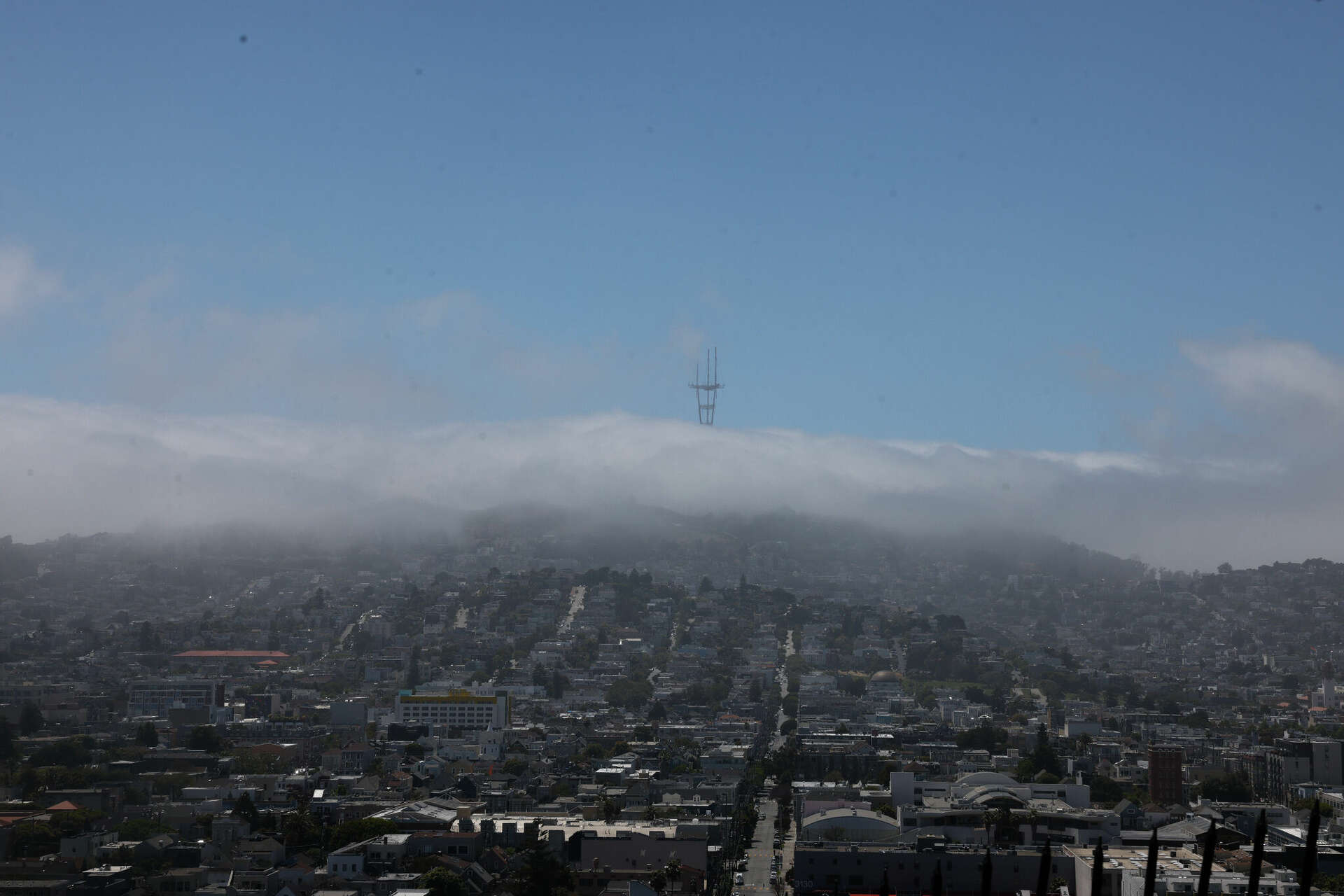
Perhaps the most famous manifestation of San Francisco’s cool climate is its iconic fog. This isn’t just any fog; it’s primarily advection fog, a direct consequence of the interaction between the cold Pacific Ocean air and the warmer air masses inland. During the summer months, the Central Valley of California heats up considerably, creating a low-pressure system. This draws the cooler, moister air from the Pacific inland, like a natural vacuum.
As this moist, relatively warm oceanic air moves over the colder waters of the California Current and then over the cool landmass of the San Francisco peninsula, it cools rapidly. When the air temperature drops to its dew point, the moisture in the air condenses into tiny water droplets, forming the dense, often ethereal fog that blankets the city. This fog acts as a natural sunshade, blocking out solar radiation and further contributing to the cool temperatures, especially in the morning and evening, and in areas directly exposed to the ocean.
The fog plays a vital role in the city’s ecosystem and its unique aesthetic. It can transform familiar landmarks like the Golden Gate Bridge into mysterious, ethereal structures, offering photographers and artists endless inspiration. For tourists, experiencing the fog rolling in under the Golden Gate Bridge is often cited as a quintessential San Francisco experience, adding a dramatic flair to an otherwise ordinary day.
Topography and Urban Microclimates: San Francisco’s Unique Landscape
Beyond the pervasive influence of the ocean, the very geography of San Francisco itself plays a significant role in shaping its weather patterns. The city’s famed hills and its unique position at the mouth of a massive bay create a complex mosaic of microclimates, where temperatures can vary dramatically within just a few blocks.
The City’s Hilly Terrain and the Wind Tunnel Effect
San Francisco is famous for its steep, rolling hills, such as Twin Peaks, Russian Hill, and Nob Hill. These geological features, while providing spectacular views, also interact with the prevailing westerly winds to create localized wind tunnels and amplify the cold. The Golden Gate Strait, a natural opening between the Pacific Ocean and San Francisco Bay, acts as a massive funnel, drawing in cold, often turbulent air and channeling it directly into the city.
As this wind sweeps across the bay and encounters the city’s hilly terrain, it gets compressed and accelerated, making certain neighborhoods particularly susceptible to strong, chilling gusts. Areas close to the strait, like the Presidio National Park or Crissy Field, and those on exposed hilltops, often experience much colder conditions and higher wind speeds than more sheltered locations. The constant wind chill can make an already cool day feel significantly colder, necessitating warm outerwear even on days when the sun might be peeking through. Understanding this helps when planning outdoor activities or selecting the right vantage point for that perfect photo.
Microclimates: A Patchwork of Temperatures
One of the most fascinating aspects of San Francisco’s climate is its dramatic microclimates. Due to its varied topography, proximity to the ocean versus the bay, and the shifting patterns of fog and wind, different neighborhoods can experience remarkably different weather conditions at the same time. It’s not uncommon for one part of the city to be shrouded in thick fog and a brisk chill, while another, just a few miles away, basks in warm sunshine.

For instance, neighborhoods like Ocean Beach and Richmond District, directly facing the Pacific, are almost always cooler and foggier. The iconic tourist hub of Fisherman’s Wharf, while charming, is also notoriously chilly and windy due to its bay-front location and exposure to the strait’s influence. In contrast, inland areas like the Mission District often enjoy significantly warmer and sunnier weather, as they are sheltered by hills and further removed from the immediate coastal influence. Here, a thriving culinary scene and vibrant street life flourish in more temperate conditions.
Even within downtown, areas like Union Square can feel milder than the waterfront. When booking accommodation, travelers might consider whether they prefer the warmer, sunnier microclimates for their base or if they embrace the cooler, foggier ambiance closer to the iconic sights. Luxury hotels like the Hyatt Regency San Francisco or the historic Palace Hotel offer comfort and amenities regardless of the weather outside, but their specific location can dictate how much natural sunlight you’ll experience. This patchwork of climates is a constant source of conversation and fascination for residents and visitors alike, adding another layer of intrigue to the San Francisco experience.
Preparing for Your San Francisco Adventure: Travel Tips and Lifestyle
While the unique coldness of San Francisco is a defining characteristic, it’s easily managed with a little preparation. Rather than being a deterrent, understanding the climate can enhance your trip, allowing you to fully immerse yourself in the city’s offerings and adopt a local lifestyle.
What to Pack: Layering is Key
The golden rule for packing for San Francisco is simple: layers, layers, layers. Forget the notion that California is always warm and sunny; in San Francisco, you might experience all four seasons in a single day. A typical outfit should start with a base layer (t-shirt or light top), followed by a sweater, cardigan, or fleece. A windproof and waterproof outer jacket is essential, especially if you plan to visit exposed areas like the Golden Gate Bridge, Alcatraz Island, or embark on a bay cruise. Don’t forget a scarf, hat, and comfortable closed-toe shoes, as you’ll likely be doing a lot of walking up and down hills. Even in August, which is statistically the city’s warmest month, morning fog and afternoon breezes can make a light jacket indispensable. Hotels like The Ritz-Carlton San Francisco and Hotel Fairmont San Francisco, while offering luxurious interiors, are good bases from which to explore, but travelers should still be prepared for the outdoor chill.
Embracing the Chill: Unique Experiences and Attractions
Instead of fighting the cold, embrace it as part of the authentic San Francisco experience. The fog often lends a dramatic, almost cinematic quality to the city’s famous landmarks. Imagine seeing the Golden Gate Bridge emerge mysteriously from a shroud of mist, or walking through Golden Gate Park with the damp, cool air enhancing the scent of eucalyptus.
The cooler weather also makes indoor attractions particularly appealing. Spend an afternoon exploring world-class museums such as the California Academy of Sciences, the Exploratorium on Pier 15, the San Francisco Museum of Modern Art (SFMOMA), or the De Young Museum. Seek refuge in cozy cafes in the Mission District or North Beach, enjoying a hot coffee or a decadent hot chocolate. Warm up with a bowl of clam chowder at Fisherman’s Wharf or explore the bustling indoor atmosphere of the Ferry Building Marketplace. Even a simple cable car ride becomes more enchanting as the cool air rushes past.
Accommodation Choices for Comfort
When selecting your accommodation, consider its location relative to the city’s microclimates. If you’re sensitive to cold, staying in an inland neighborhood like the Mission District or SoMa (South of Market) might offer slightly warmer conditions and more sunshine. Many boutique hotels and rental apartments in these areas provide a cozy retreat. For those seeking luxury, establishments like Hotel Zetta San Francisco or the Palace Hotel offer robust heating systems, plush amenities, and often, stunning views regardless of the weather. Always check for heating options and perhaps inquire about rooms with fireplaces for an added touch of warmth and ambiance. Long-term stays might benefit from apartments with good insulation and south-facing windows for maximum sun exposure.
Beyond the Chill: The Enduring Appeal of San Francisco
Despite its reputation for coolness, San Francisco’s magnetism is undeniable. The city’s climate, far from being a drawback, is an integral part of its identity, contributing to its unique character, lush landscapes, and vibrant indoor culture.
Cultural Richness and Culinary Delights
San Francisco’s diverse neighborhoods each tell a story, offering a tapestry of cultures, histories, and flavors. Explore the bustling streets of Chinatown, the bohemian charm of Haight-Ashbury, or the vibrant Italian heritage of North Beach. The city’s culinary scene thrives, offering everything from Michelin-starred dining to casual food trucks. The cooler weather is often seen as ideal for enjoying hearty meals, robust wines from nearby Napa Valley or Sonoma Valley, and rich, flavorful coffees. Seeking warmth often leads visitors to discover charming hidden bars, intimate restaurants, and lively indoor markets, enriching their travel experience. Don’t miss indulging in the city’s famous sourdough bread and fresh seafood, perfect comforts on a brisk day.
Planning Your Visit: Best Time and Activities
While San Francisco is a year-round destination, late summer and early autumn (September and October) are often considered the “warmest” and clearest months, with less fog and more sunshine. This is an ideal time for outdoor activities, cycling across the Golden Gate Bridge, or enjoying a picnic in Golden Gate Park. However, visiting during other seasons offers its own rewards. Winter brings festive decorations and cozy holiday cheer, while spring sees the city’s gardens burst into bloom.
Regardless of when you visit, there’s a wealth of activities to enjoy. Take a ferry to Alcatraz Island for a fascinating historical tour (be prepared for intense winds!), stroll through the architectural marvels of the Palace of Fine Arts, or climb Coit Tower for panoramic city views. Explore Ghirardelli Square for famous chocolates, or navigate the curves of Lombard Street. Day trips to nearby natural wonders like Muir Woods National Monument or the charming town of Sausalito are also popular, offering a different perspective of the Bay Area’s diverse landscapes.
In conclusion, the seemingly contradictory “cold” weather of San Francisco is not a flaw, but a defining characteristic woven into the very fabric of the city. It’s a natural consequence of its unique geographical position, the powerful Pacific Ocean currents, and its dramatic hilly terrain. Far from dampening the experience, this distinctive climate invites travelers to embrace a different kind of California adventure – one that promises invigorating breezes, dramatic fogscapes, and countless opportunities to discover warmth in its cozy cafes, vibrant cultural institutions, and the genuine hospitality of its diverse neighborhoods. So pack your layers, open your mind to the unexpected, and prepare to fall in love with the truly unforgettable magic of San Francisco, cold and all.
LifeOutOfTheBox is a participant in the Amazon Services LLC Associates Program, an affiliate advertising program designed to provide a means for sites to earn advertising fees by advertising and linking to Amazon.com. Amazon, the Amazon logo, AmazonSupply, and the AmazonSupply logo are trademarks of Amazon.com, Inc. or its affiliates. As an Amazon Associate we earn affiliate commissions from qualifying purchases.