
San Francisco, a city renowned for its iconic Golden Gate Bridge, vibrant cultural scene, and innovative spirit, is perhaps most famously characterized by its dramatic topography. The city’s relentless inclines and descents are not merely a picturesque feature; they are a fundamental element of its identity, shaping its architecture, transportation, and the very experience of exploring its diverse neighborhoods. But what geological forces sculpted this famously undulating landscape? The answer lies deep within the Earth’s crust and the dynamic tectonic activity that defines the San Francisco Bay Area.
The Tectonic Ballet: San Andreas Fault and Beyond
The primary architect of San Francisco’s hills is the San Andreas Fault, a massive geological fracture that runs through California. This fault is a transform boundary, where the Pacific Plate and the North American Plate slide past each other horizontally. While the plates move relatively smoothly most of the time, they occasionally snag and build up immense stress. When this stress is released, it results in earthquakes, but the slow, continuous grinding also has profound long-term effects on the landscape.
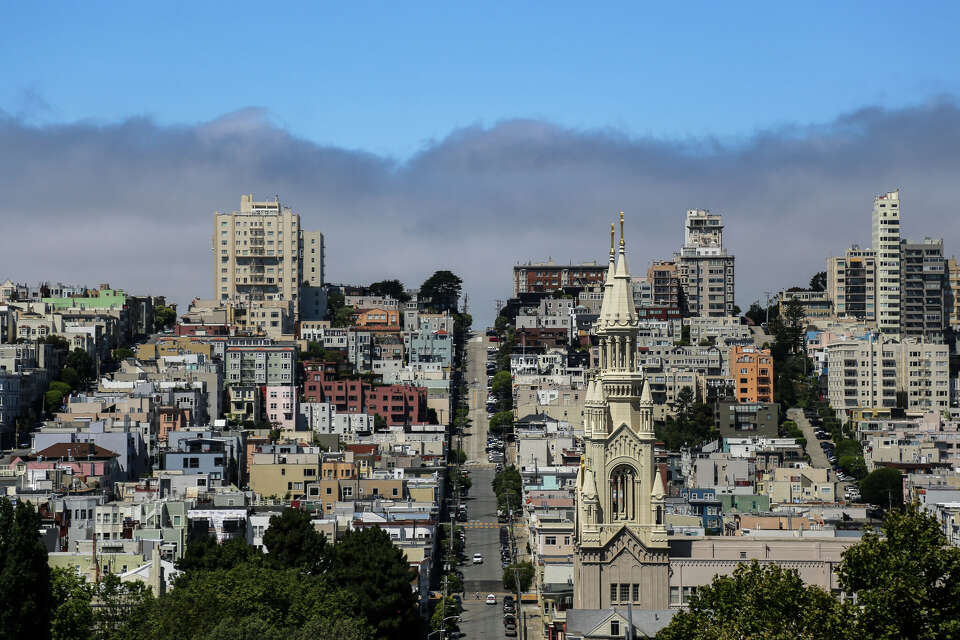
Plate Tectonics in Action
The Pacific Plate is moving northwestward relative to the North American Plate. This relentless movement causes the Earth’s crust to buckle, fold, and uplift in certain areas. San Francisco is situated directly on or very near this active fault zone, making it particularly susceptible to these tectonic forces. Over millions of years, this subterranean dance has created the rugged terrain that defines the peninsula.
Not Just One Fault
While the San Andreas Fault is the most famous, the San Francisco Bay Area is crisscrossed by numerous smaller faults and fault systems. These include the Hayward Fault, the Calaveras Fault, and the San Gregorio Fault, among others. The complex interplay of these faults contributes to the localized variations in elevation and the intricate network of hills and valleys that characterize the region. The combined effect of these tectonic forces has been to push and pull the Earth’s crust, creating the dramatic upthrusts that we perceive as San Francisco’s signature hills.
The Ancient Sediments: A Foundation of Rock and Soil
The underlying geology of San Francisco is also a crucial factor in its hilly nature. The city is built upon a foundation of ancient sedimentary rock, including Franciscan Complex rocks. These rocks, formed over vast geological timescales, have been subjected to intense pressure and deformation due to tectonic activity.
Sedimentary Layers and Uplift
Over millions of years, layers of sand, mud, and other marine sediments were deposited on the ocean floor. Tectonic forces then compressed and uplifted these layers, transforming them into solid rock. This uplift process, driven by the movement of the tectonic plates, is what initially raised the landmass of the San Francisco peninsula. The varying resistance of these different rock layers to erosion also plays a role; harder rock formations tend to remain as higher elevations, forming the distinct peaks and ridges.
Volcanic Influences (Dormant)
While not as prominent as the fault lines, ancient volcanic activity has also contributed to the geological makeup of the broader Bay Area. Although San Francisco itself is not on a major active volcanic zone like neighboring regions, the residual effects of past volcanic intrusions and extrusions can be found in the rock formations beneath the city, further complicating the geological substrate and influencing the patterns of uplift and erosion.
Erosion and Time: The Sculpting Forces
While tectonic uplift provides the raw material, erosion has been the diligent sculptor, shaping the rugged landscape over millennia. The forces of wind, water, and ice have worked tirelessly to carve valleys, smooth ridges, and refine the contours of the land.
The Power of Water

Rainfall, though not as abundant as in some other parts of the world, is a significant erosional force in San Francisco. Water runoff channels down the slopes, carrying away soil and rock, gradually deepening existing ravines and creating new gullies. This process is particularly evident in the steep, narrow canyons that punctuate the city’s hills. The unique microclimates of the region, influenced by the Pacific Ocean, also contribute to distinct patterns of weathering and erosion.
Coastal Winds and Fog
The persistent coastal winds and frequent fog that envelop San Francisco also play a role in shaping the landscape. Wind erodes exposed rock surfaces and transports loose sediment, while the moisture from fog can accelerate the weathering of rocks and contribute to the growth of vegetation that, in turn, influences erosion patterns. The constant interaction between these elements has refined the sharp edges of the uplifted land, creating the rounded, often tree-covered slopes that are so characteristic of the city.
Human Intervention: Adapting to the Terrain
Once the natural forces had laid the groundwork, human ingenuity and necessity dictated how this challenging terrain would be inhabited and traversed. The steep slopes presented significant obstacles to early settlers, influencing everything from where buildings could be constructed to how people moved around the city.
Early Settlements and Transportation Challenges
The original inhabitants of the area, the Ohlone people, likely navigated the natural landscape with an intimate understanding of its contours. However, with the arrival of European settlers and the subsequent rapid growth of the city, particularly during the Gold Rush era, the challenges of building on steep inclines became apparent. Early transportation relied heavily on horse-drawn vehicles, which struggled on the steepest gradients. This limitation contributed to the development of innovative solutions.
The Iconic Cable Cars
Perhaps the most famous manifestation of human adaptation to San Francisco’s hills is its legendary Cable Car system. Invented by Andrew Smith Hallidie in 1873, these ingenious vehicles utilize a system of underground cables to pull the cars up and down the steep inclines, overcoming gradients that would have been impossible for conventional streetcars or automobiles. Today, the Cable Cars are not just a practical mode of transport but a beloved historical landmark and a symbol of the city’s resilience and innovation. Riding a Cable Car offers a unique perspective on the city’s verticality and a palpable connection to its past.
Architecture and Urban Planning
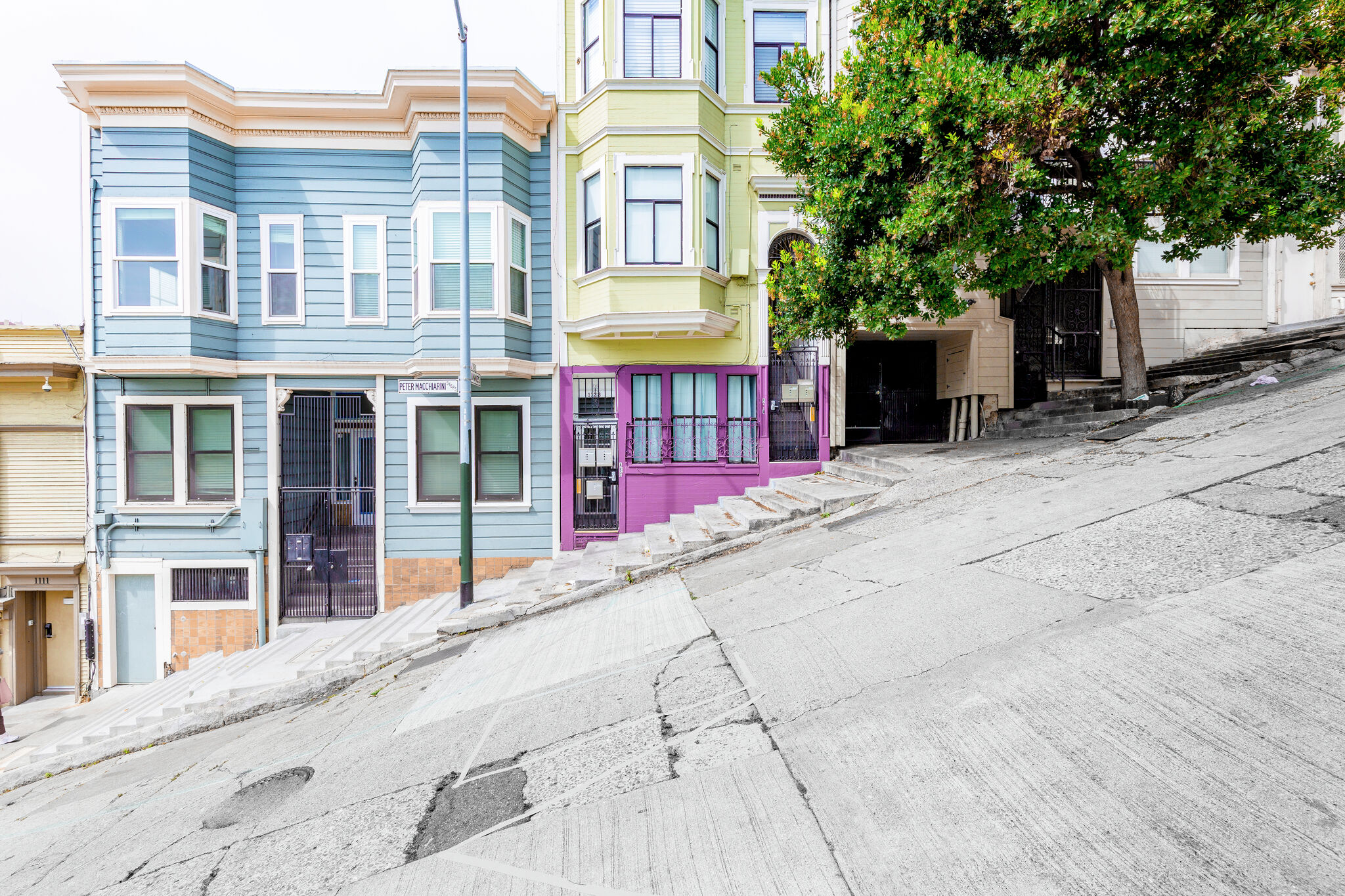
The city’s architecture is also a testament to its hilly nature. Homes and buildings are often constructed with basements or lower levels that appear to emerge directly from the hillside. Streets are frequently stepped or have dramatic inclines. Architects and engineers have developed creative solutions to build on these challenging sites, incorporating retaining walls, intricate staircases, and foundations designed to withstand seismic activity and the unique demands of the terrain. The famed “Painted Ladies” Victorian homes, for instance, are often depicted with their elaborate facades offering stunning views of the city and the bay, their design intrinsically linked to the elevated positions they occupy.
Exploring the Hills: A Unique Urban Experience
The hills of San Francisco are not just a geological curiosity; they are an integral part of the visitor experience, offering unparalleled views and a sense of discovery.
Panoramic Vistas and Hidden Gems
Climbing even a modest incline can reward explorers with breathtaking panoramic vistas of the city skyline, the San Francisco Bay, the Golden Gate Bridge, and Alcatraz Island. Neighborhoods like Nob Hill, Telegraph Hill, and Russian Hill are particularly known for their elevated positions and the stunning views they provide. Beyond the grand vistas, the hills also reveal hidden stairways, charming alleyways, and quiet residential streets that offer a more intimate glimpse into the city’s character.
A Workout for the Legs
For those visiting, navigating San Francisco on foot is an invigorating, if sometimes challenging, experience. The constant ascents and descents provide a natural workout, making every stroll an adventure. It’s a city that encourages exploration by encouraging movement. The physical effort involved in traversing these inclines is often rewarded with a profound sense of accomplishment and a deeper appreciation for the city’s unique urban fabric. From Lombard Street’s famously crooked descent to the challenging climb up to Twin Peaks for an unparalleled city panorama, the hills are the very essence of the San Francisco adventure.
In conclusion, the iconic hills of San Francisco are a magnificent product of powerful geological forces, sculpted by time and the elements, and masterfully adapted to by human ingenuity. They are a constant reminder of the dynamic planet beneath our feet and a defining characteristic of one of the world’s most beloved cities.
LifeOutOfTheBox is a participant in the Amazon Services LLC Associates Program, an affiliate advertising program designed to provide a means for sites to earn advertising fees by advertising and linking to Amazon.com. Amazon, the Amazon logo, AmazonSupply, and the AmazonSupply logo are trademarks of Amazon.com, Inc. or its affiliates. As an Amazon Associate we earn affiliate commissions from qualifying purchases.