
For many, the image of Texas conjures visions of sprawling deserts, sun-baked plains, and sweltering summers. It’s a land synonymous with heat, longhorns, and endless horizons, not snowy landscapes. So, when the occasional winter storm blankets parts of the Lone Star State in a rare white dusting, it often makes national news and sparks widespread fascination. Travelers planning a winter escape to Texas might wonder what to pack, anticipating chilly weather but likely not a winter wonderland. The simple truth is that significant, widespread snowfall is a genuinely rare occurrence across much of Texas, primarily due to a complex interplay of geography, air mass dynamics, and atmospheric conditions that conspire against consistent winter precipitation. Understanding why snow is such an infrequent visitor is key to appreciating the state’s unique climate and planning your travel experiences accordingly.

The Geographic and Climatic Tapestry of Texas
To comprehend the rarity of snow in Texas, one must first grasp the sheer scale and diversity of its geography and the prevailing climatic influences that shape it. Texas is a vast state, encompassing multiple climate zones, from humid subtropical along its eastern and coastal regions to arid desert in the west. This geographical spread is the primary canvas upon which its unique weather patterns are painted.
A Vast and Varied Landscape
Texas stretches over 268,596 square miles, making it the second-largest state in the United States. Its considerable longitudinal and latitudinal extent means that weather systems behave differently across its various regions. From the pine forests of East Texas to the mountains of West Texas, and from the expansive plains of North Texas to the subtropical Rio Grande Valley in the south, the local topography plays a significant role in temperature variations and moisture distribution. While areas like the Texas Panhandle, with its higher elevation and more northerly latitude, experience colder winters and more frequent (though still not abundant) snowfall, the vast majority of the state, including major metropolitan areas like Dallas, Fort Worth, Houston, San Antonio, and Austin, remains largely free of significant snow accumulation.
The Dominance of Warm Air Masses
The most significant factor contributing to the rarity of snow in Texas is its geographical position relative to prevailing atmospheric circulation patterns. During winter, much of Texas frequently falls under the influence of warm, moist air masses originating from the Gulf of Mexico. These southerly flows often dominate the weather patterns, leading to mild, sometimes even spring-like, conditions through much of the winter season. Even when cold fronts do push down from the north, they often lose much of their frigid intensity by the time they reach central and southern Texas, turning what might be snow further north into cold rain or sleet. The sheer distance cold Arctic air must travel to reach the heart of Texas allows ample opportunity for it to moderate and warm.
The Gulf of Mexico’s Influence
The proximity of the Gulf of Mexico is a double-edged sword for winter weather in Texas. While it provides a crucial source of moisture necessary for any precipitation, its warm waters also act as a significant moderating influence on temperatures, especially along the coast and extending inland. Air blowing off the Gulf of Mexico is inherently warm, preventing surface temperatures from dropping consistently below freezing for extended periods. For snow to fall and accumulate, temperatures must remain at or below freezing not just at the surface but also through a significant portion of the atmosphere from the clouds down to the ground. The Gulf of Mexico’s persistent warmth makes this atmospheric condition incredibly challenging to achieve.
The Elusive Dance of Cold and Moisture
Snowfall requires a delicate balance of specific meteorological conditions: sufficiently cold temperatures throughout the atmospheric column and ample moisture. In Texas, the alignment of these two critical factors is a rare atmospheric ballet, making snow a fleeting phenomenon.
The Challenge of Sustained Cold Fronts
For snow to fall, surface temperatures must be at or below 32°F (0°C). However, it’s not enough for the ground to be cold; the entire column of air from the cloud base to the surface must be at or below freezing. This ensures that snowflakes, once formed, do not melt into rain as they fall. Texas experiences frequent cold fronts during winter, often bringing sharp drops in temperature. However, these fronts are typically fast-moving and often lack the sustained depth of cold air required for snow. After a cold front passes, winds often shift back to southerly, quickly bringing warmer air back inland and melting any potential snow that might have fallen or preventing it from forming altogether. The average winter temperatures across most of Texas hover well above freezing, making prolonged cold snaps a statistical anomaly rather than the norm.
The Insufficient Moisture Conundrum
Even when Texas does get cold enough for snow, the other critical ingredient—moisture—is often missing. Winter is typically the driest season for much of Texas, particularly in the western and central parts. The cold, dry air masses that originate from the Arctic often bring very little moisture with them. For significant snowfall, a robust low-pressure system is needed to draw in moisture from the Gulf of Mexico and lift it into the atmosphere where it can condense and freeze. The simultaneous occurrence of a powerful cold air mass and an ample moisture source precisely over the same area of Texas is a low-probability event. Often, if there’s enough moisture, the temperatures are too warm, resulting in rain. If it’s cold enough, there’s not enough moisture to produce anything more than a few flurries.
The Precise Conditions for Snowfall

The “Goldilocks” zone for snow in Texas is incredibly narrow. It requires:
- A strong, deep cold air mass from the north that pushes well into Texas and lingers.
- A low-pressure system (often a “clipper” system or a Gulf of Mexico low) that tracks just right to pull moisture from the Gulf of Mexico over the cold air.
- The timing of the moisture and cold air must be perfectly synchronized, with the cold air being deep enough to ensure precipitation remains frozen from the clouds to the ground.
These specific atmospheric ingredients rarely align perfectly across broad swaths of Texas, explaining why meteorologists often refer to forecasting snow in the state as one of their greatest challenges.
Beyond the Stereotype: When Winter Does Visit
Despite its reputation for warmth, Texas is no stranger to winter weather. While snow is rare, it’s not unheard of, and certain regions experience it more frequently than others. These events, though infrequent, are often memorable and can significantly impact travel.
Regional Differences in Snow Probability
While most of Texas sees little to no snow, there are distinct regional variations. The Texas Panhandle, including cities like Amarillo, is the most likely area to receive snow. Its higher elevation and more northerly latitude expose it to colder air masses more regularly. It’s not uncommon for Amarillo to receive several inches of snow in a winter season, though heavy snowfalls are still intermittent. West Texas, particularly around El Paso and the mountainous regions of Big Bend National Park, also experiences snow more frequently due to elevation. Conversely, the Gulf Coast and South Texas are the least likely areas to see snow, with some coastal cities going decades between significant snow events.
Memorable, Though Infrequent, Snow Events
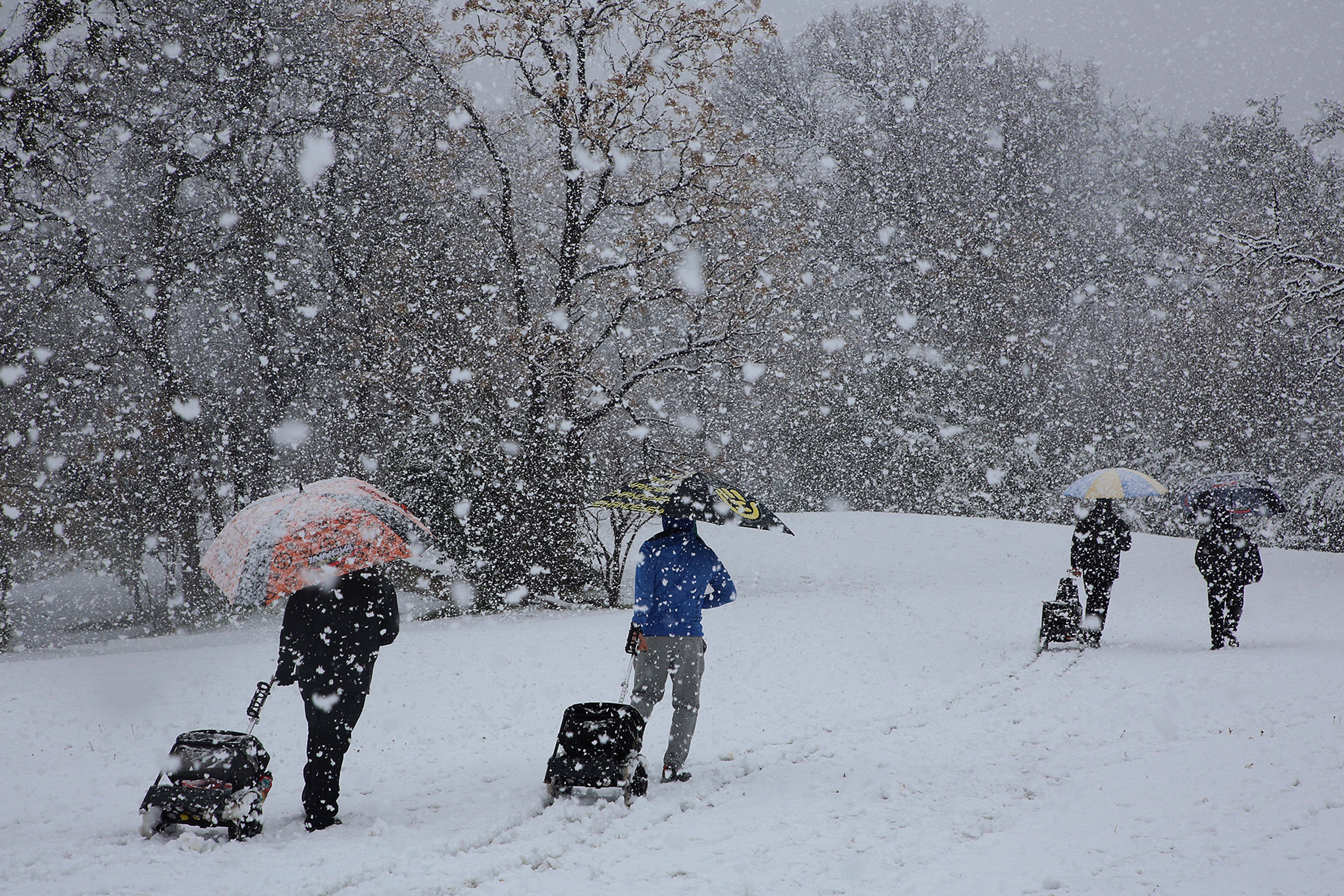
Throughout history, Texas has experienced several significant snowstorms that stand out due to their rarity and impact. For instance, the Christmas Eve snow of 2004 brought a rare white Christmas to parts of South Texas, including Houston, which saw its first significant accumulation in decades. More recently, the devastating winter storm in February 2021 brought unprecedented freezing temperatures and widespread snowfall across virtually the entire state, leading to power outages and infrastructure challenges. These events serve as stark reminders that while snow is rare, Texas is not entirely immune to extreme winter weather, and travelers should be aware of the potential for such disruptions, however infrequent.
Preparing for Unpredictable Weather Shifts
Given the state’s vastness and the dynamic nature of its weather, travelers should always be prepared for rapid shifts, especially during winter. A warm, sunny day can quickly give way to a frigid cold front, even if snow doesn’t materialize. This means packing layers is essential. While you might enjoy mild temperatures for much of your trip, a sudden drop could catch you off guard if you’re not prepared with adequate outerwear. Always check local forecasts for your specific destination within Texas shortly before and during your trip, as conditions can vary dramatically from one region to another.
Crafting Your Texas Travel Experience: What to Expect
For the traveler, understanding why snow is rare in Texas helps set realistic expectations for a winter visit. Instead of seeking snowy adventures, visitors can embrace the unique advantages of a mostly mild Texan winter.
Winter Activities Without the Snow
While you won’t find ski resorts in most of [Texas](https://lifeoutofthebox.com/texas], the mild winters open up a host of other exciting opportunities. Many outdoor activities that would be too hot in summer become perfectly pleasant in winter. Hiking in state parks like Big Bend Ranch State Park or Palo Duro Canyon State Park (which might see some snow) becomes incredibly enjoyable. Cycling, golf, and exploring city parks in urban centers like Austin or San Antonio are also popular. Winter is also prime time for birdwatching, particularly along the Gulf Coast where migratory birds flock. Furthermore, many of Texas’s cultural attractions, museums, and historical sites are less crowded in the cooler months, offering a more relaxed exploration experience. Festivals and events, particularly around the holidays, often take advantage of the pleasant temperatures.
Packing Smart for a Texas Winter Trip
When planning your winter trip to Texas, think layers, versatility, and comfort. Forget the heavy parkas and snow boots unless you’re specifically heading to the Panhandle with a high likelihood of a cold snap. Instead, pack medium-weight jackets, sweaters, long-sleeved shirts, and perhaps a warm hat and gloves for cooler evenings or unexpected temperature drops. Jeans, comfortable walking shoes, and sunglasses are year-round staples. The key is adaptability, as a Texas winter day might start crisp, warm up significantly by afternoon, and turn chilly again after sunset.
Embracing the Unique Texan Climate
Ultimately, the rarity of snow in Texas is an integral part of its identity and appeal as a travel destination. It means more sunshine, more opportunities for outdoor activities year-round, and a different kind of winter charm. Travelers visiting Texas during the colder months can anticipate vibrant cultural experiences, delectable cuisine, and a chance to explore stunning natural landscapes without battling blizzards or bone-chilling cold. It’s a destination that defies typical winter expectations, offering a warm welcome and a distinct flavor of the season that is uniquely Texan.
In conclusion, the infrequency of snow in Texas is not merely a climatic anomaly but a defining characteristic of the state’s geography and weather patterns. The intricate interplay of vast landscapes, warm Gulf of Mexico air, and the challenging synchronization of cold air and moisture make significant snowfall a rare and often fleeting event. For travelers, this translates into a unique winter travel experience, one focused not on snow sports but on enjoying the milder temperatures, exploring diverse outdoor environments, and immersing oneself in the rich culture and hospitality that define the Lone Star State. So, while you might not build a snowman on your Texas vacation, you’ll certainly find a wealth of other memorable experiences waiting to be discovered.
LifeOutOfTheBox is a participant in the Amazon Services LLC Associates Program, an affiliate advertising program designed to provide a means for sites to earn advertising fees by advertising and linking to Amazon.com. Amazon, the Amazon logo, AmazonSupply, and the AmazonSupply logo are trademarks of Amazon.com, Inc. or its affiliates. As an Amazon Associate we earn affiliate commissions from qualifying purchases.